


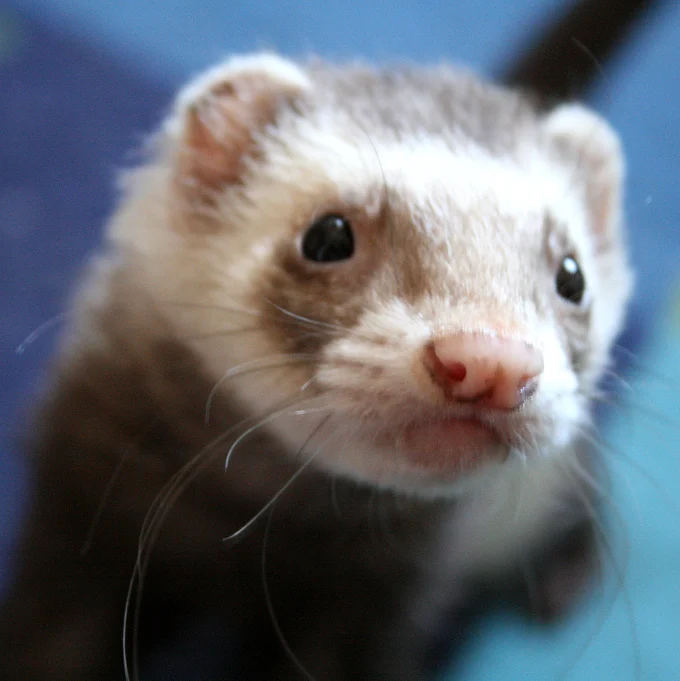
On March 18, 2026, LafeberVet announced the release of a specialized educational session titled "The Collapsing Ferret," a comprehensive webinar designed to address one of the most common and alarming clinical presentations in exotic animal medicine. Presented by Cathy Johnson-Delaney, DVM, a recognized authority in avian and exotic pet medicine, the program offers a deep dive into the diagnostic and therapeutic challenges associated with syncope, weakness, and acute collapse in domestic ferrets. This educational initiative has been officially reviewed and approved by the American Association of Veterinary State Boards (AAVSB) Registry of Approved Continuing Education (RACE) program, providing one hour of continuing education (CE) credit for licensed veterinarians and veterinary technicians.
The release of this webinar comes at a pivotal time for the veterinary community, as the popularity of ferrets as companion animals continues to hold steady while the average age of the captive population increases. With advancements in husbandry and nutrition, more ferrets are reaching their geriatric years—typically defined as four years of age and older—leading to a higher prevalence of complex metabolic and cardiovascular diseases. The "collapsing ferret" is a frequent emergency presentation that requires rapid stabilization and a nuanced understanding of species-specific pathologies, particularly insulinoma and cardiomyopathy.
Clinical Context and the Pathophysiology of Collapse
In the context of ferret medicine, "collapse" is rarely a standalone diagnosis but rather a symptom of underlying systemic failure. Dr. Johnson-Delaney’s presentation emphasizes the necessity of distinguishing between true syncope—a temporary loss of consciousness due to reduced cerebral blood flow—and generalized muscular weakness or hind-limb ataxia. In ferrets, these episodes are most frequently linked to hypoglycemia, secondary to insulinoma, or decreased cardiac output, secondary to various forms of cardiomyopathy.
Insulinoma, or pancreatic islet cell tumor, remains the most common neoplasm diagnosed in ferrets in North America. These tumors secrete excessive amounts of insulin regardless of the animal’s blood glucose levels, leading to profound hypoglycemia. Clinical signs often begin subtly with "staring into space," pawing at the mouth (nausea), and hind-limb weakness, but can progress rapidly to full collapse and seizures. The webinar provides a framework for interpreting blood glucose levels, noting that a fasted blood glucose reading below 60 mg/dL is highly suggestive of insulinoma in this species.
Simultaneously, the webinar addresses the cardiovascular complexities of the ferret. Cardiomyopathy, both dilated (DCM) and hypertrophic (HCM), serves as the second leading cause of collapse. Unlike the metabolic nature of insulinoma, cardiac collapse is often triggered by exertion or stress. The presentation details how arrhythmias can further complicate the clinical picture, leading to sudden episodes of fainting that may be mistaken for neurological events.
Chronology of the Educational Initiative
The development of "The Collapsing Ferret" webinar is part of a multi-year effort by LafeberVet to standardize exotic animal care through accessible digital platforms. The timeline of this specific release reflects a growing demand for high-level specialized content:
- Late 2024: Initial curriculum development began, identifying "emergency collapse" as a top-tier priority for exotic practitioners based on member surveys.
- Mid-2025: Dr. Cathy Johnson-Delaney was commissioned to lead the project, bringing decades of clinical experience and research to the presentation.
- January 2026: The program underwent a rigorous review process by the AAVSB to ensure the content met the stringent requirements for RACE approval.
- March 18, 2026: The webinar was officially launched on the LafeberVet portal, accompanied by a post-test and certification mechanism.
This timeline illustrates the transition of veterinary continuing education from traditional in-person conferences to high-quality, on-demand digital resources that allow practitioners to stay current without leaving their clinics.
Supporting Data and Diagnostic Protocols
Data suggests that approximately 25% to 30% of ferrets over the age of four will develop some form of insulinoma, while nearly 15% will exhibit clinical signs of heart disease. Given these statistics, the webinar focuses heavily on evidence-based diagnostic protocols. Dr. Johnson-Delaney advocates for a "minimal stress" approach to the collapsing patient, emphasizing that many ferrets in a state of collapse are extremely fragile.
The webinar outlines a diagnostic hierarchy:
- Immediate Glucose Testing: Utilizing a handheld glucometer (with the caveat that many human-grade meters may read lower than actual ferret blood glucose).
- Stabilization: Administration of intravenous or intraosseous dextrose if hypoglycemia is confirmed.
- Cardiac Auscultation and Imaging: Checking for heart murmurs, gallop rhythms, or muffled heart sounds that might indicate pleural effusion or cardiomegaly.
- Blood Chemistry and CBC: To rule out secondary causes such as renal failure or severe anemia, which can also manifest as extreme lethargy and collapse.
By providing these structured protocols, the webinar aims to reduce the mortality rate associated with the initial 24 hours of emergency ferret care.
Professional Standards and RACE Approval
A significant aspect of this announcement is the AAVSB RACE approval. The Registry of Approved Continuing Education serves as a national clearinghouse for the accreditation of veterinary CE. For a program to receive this designation, it must meet high standards regarding the quality of the instructors, the relevance of the scientific content, and the integrity of the evaluation process.
Participants in "The Collapsing Ferret" are granted three attempts to pass a comprehensive post-test. Upon successful completion, they receive a certificate that is recognized by most veterinary licensing boards in the United States and Canada. This certification is vital for practitioners who must fulfill a specific number of CE hours annually or biennially to maintain their professional licenses. The inclusion of topics like geriatrics and specific metabolic disorders ensures that the credits earned are relevant to the modern challenges of veterinary practice.
Industry Response and Expert Analysis
The veterinary community has responded positively to the release of this focused content. Early reviews from veterinary technicians highlight the practical nature of the webinar, particularly the focus on emergency stabilization. In many clinical settings, technicians are the first to assess a collapsing patient, and having a clear understanding of the difference between a hypoglycemic "crash" and a cardiac event can be life-saving.
Analysis from industry experts suggests that specialized webinars like this are filling a critical gap in veterinary school curricula, which often prioritize canine, feline, and equine medicine. As ferrets are increasingly viewed as "family members" rather than "pocket pets," owners are seeking out higher levels of care and are more willing to pursue advanced diagnostics and long-term management for chronic conditions. This shift in owner expectations necessitates a more sophisticated level of knowledge among general practitioners.
Broader Impact and Future Implications
The implications of "The Collapsing Ferret" webinar extend beyond the individual practitioner. This program contributes to a larger body of knowledge that is slowly standardizing the care of exotic species globally. By making this information available in a digital format—and offering it with French and Spanish translations—LafeberVet is facilitating a global exchange of veterinary expertise.
Looking forward, the success of this webinar is expected to pave the way for further geriatric-specific modules. As the population of domestic ferrets continues to age, the veterinary field will likely see a surge in multi-morbid cases—animals suffering from insulinoma, adrenal disease, and heart disease simultaneously. Managing these "triad" cases requires the exact type of integrated clinical thinking demonstrated in Dr. Johnson-Delaney’s presentation.
Furthermore, the data collected from the post-test results and participant feedback will likely inform future research into ferret longevity and the efficacy of various treatment modalities for insulinoma. As more veterinarians become proficient in diagnosing these conditions early, the hope is that "collapse" becomes a preventable event rather than an inevitable end-of-life crisis for the domestic ferret.
In conclusion, "The Collapsing Ferret" stands as a vital resource for the modern veterinary professional. Through its combination of expert instruction, RACE-approved accreditation, and a focus on high-incidence geriatric conditions, the webinar provides the tools necessary to improve clinical outcomes for one of the most unique and challenging patients in the veterinary clinic. As March 18, 2026, marks the launch of this program, it also marks a step forward in the ongoing evolution of exotic animal medicine.

