



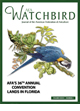
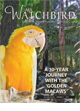
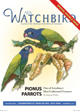
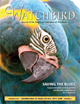
The American Federation of Aviculture (AFA) has officially maintained a comprehensive digital repository of its flagship publication, AFA Watchbird, documenting more than four decades of avian science, husbandry advancements, and legislative advocacy. Spanning from its inaugural issue in 1974 to the most recent digital entries in 2015, the archive serves as a definitive chronological record of the evolution of bird keeping and conservation in the United States. This historical collection, comprising 42 volumes, provides researchers, veterinarians, and dedicated hobbyists with an unparalleled look at the shift from wild-caught bird imports to a sophisticated, self-sustaining community of captive-bred avian populations.
The preservation of these documents comes at a critical juncture for the avicultural community, as the digital age necessitates the migration of physical knowledge into accessible online formats. By cataloging every issue from Vol. 1, No. 1 through the combined volumes of 2014 and 2015, the AFA has ensured that the hard-won insights of early pioneers remain available to a new generation of bird enthusiasts who face modern challenges such as emerging viral threats and shifting international trade regulations.
The Genesis of a Movement: 1974 to 1979
The AFA Watchbird was born out of necessity in 1974. At the time, the American bird-keeping community was fragmented and faced significant threats from the outbreak of Exotic Newcastle Disease (END). The disease led to the mass culling of both poultry and exotic birds, prompting bird owners to realize they lacked a unified voice in Washington, D.C., and state capitals. The early volumes of the magazine, particularly those from 1974 through 1976, reflect a community in the midst of a defensive struggle, focusing heavily on quarantine procedures, veterinary health, and organizational structure.
During the late 1970s, the publication expanded its scope beyond crisis management. Issues from 1977 to 1979 began to showcase the first successful captive breeding reports for various psittacine species that were previously considered difficult to propagate. The magazine became the primary vehicle for the AFA’s "First Breeding Awards," which incentivized aviculturists to document their methods, diets, and nesting successes. This era marked the transition of the hobbyist into a citizen-scientist, as the pages of Watchbird were filled with detailed observations on the incubation periods of cockatoos and the nutritional requirements of South American macaws.
The Golden Age of Avicultural Expansion: The 1980s
Throughout the 1980s, represented in the archive by Volumes 7 through 16, the magazine documented what many historians call the "Golden Age" of American aviculture. With bird ownership surging in popularity, Watchbird increased its technical depth. The issues from 1982 to 1985 are particularly rich with articles regarding the development of hand-feeding formulas, which revolutionized the pet trade by allowing for the taming of birds from a young age.

This decade also saw the AFA take a leading role in global conservation. The archive reveals a timeline of increasing collaboration between private aviculturists and international field biologists. For instance, the 1987 and 1988 issues contain extensive reports on the status of the Spix’s Macaw and the efforts to save the California Condor. By providing a platform where private breeders could share data with academic researchers, Watchbird helped bridge the gap between "in-situ" (in nature) and "ex-situ" (in captivity) conservation strategies.

Legislative Shifts and the Wild Bird Conservation Act: 1990 to 1999
The 1990s represented a decade of profound regulatory change, and the Watchbird archive serves as a legal ledger for these shifts. The most significant event of this era was the passage of the Wild Bird Conservation Act (WBCA) of 1992. This federal legislation effectively ended the mass importation of wild-caught birds into the United States, a move that fundamentally altered the landscape of the hobby.
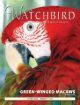
Analysis of the 1991 through 1994 volumes shows a community grappling with the implications of the WBCA. Articles from this period are characterized by a focus on "sustainability." With the supply of wild-caught birds halted, the AFA used its publication to urge members to form cooperative breeding programs. The magazine shifted its focus toward the management of "studbooks" and genetic diversity, emphasizing that the future of many species in the U.S. rested entirely on the success of private collections.
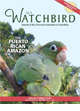
By the late 1990s (Volumes 23-26), the publication began to feature more content on avian medicine. This coincided with the rise of specialized avian veterinary practices. The archive includes seminal articles on the identification and treatment of Proventricular Dilatation Disease (PDD) and Psittacine Beak and Feather Disease (PBFD), documenting the community’s efforts to self-regulate and improve the health of captive populations through rigorous testing and biosecurity protocols.

Modernization and the Transition to the 21st Century: 2000 to 2015
Entering the new millennium, AFA Watchbird (Volumes 27-42) reflected a more mature and scientifically driven organization. The publication began to embrace high-resolution photography and a more academic peer-review style for its technical articles. The data from 2000 to 2005 indicates a heightened awareness of the "companion bird" aspect of aviculture. While breeding remained a core pillar, the magazine began to address behavioral science, enrichment, and the long-term care requirements of birds that could live for 50 to 80 years.
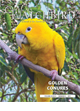
The archive’s final years, leading up to 2015, show a pivot toward digital integration. As the cost of print media rose and the speed of information increased, the AFA adapted by offering more frequent updates via its website while maintaining the Watchbird as a journal of record. The combined issues of 2014 and 2015 represent the culmination of this effort, featuring comprehensive reviews of the organization’s 40-year history and its ongoing impact on international treaties such as CITES (the Convention on International Trade in Endangered Species of Wild Fauna and Flora).
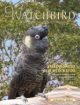
Impact Analysis: The Value of the Watchbird Repository
The digital availability of the Watchbird archive is more than a nostalgic journey; it is a vital tool for modern biological and sociological analysis. For ornithologists, the archive contains decades of anecdotal and empirical data on avian behavior that is often missing from purely academic journals. The detailed records of clutch sizes, dietary changes, and lifespan data across thousands of private collections provide a "big data" perspective on species that are now nearly extinct in the wild.
Furthermore, the archive documents the socio-political history of the human-animal bond. It tracks how society’s view of birds has evolved from decorative objects to sentient companions and ecological ambassadors. The AFA’s consistent advocacy, documented issue by issue, highlights the importance of the "private sector" in conservation. While government agencies often focus on large-scale habitat protection, the Watchbird archive demonstrates how individual caretakers have preserved the genetic blueprints of species that might otherwise have vanished.

Supporting Data and Publication Frequency
A statistical review of the archive reveals the following publication trends:
- Peak Frequency: From 1975 to 1999, the magazine maintained a robust schedule of six issues per year, ensuring timely communication during the height of the avicultural boom.
- Volume Consistency: The AFA successfully produced 42 volumes over 41 years, with only minor adjustments in the final years to accommodate a shift toward quarterly and combined digital editions.
- Subject Diversity: An estimated 40% of the content over 40 years focused on husbandry and breeding, 30% on conservation and field research, 20% on legislative and legal advocacy, and 10% on veterinary medicine and nutrition.
Statements and Reactions from the Avicultural Community
While the archive is a static record, its utility continues to draw reactions from leaders in the field. Dr. Jamie Gilardi of the World Parrot Trust has previously noted the importance of the "cross-pollination" of ideas that occurs when private breeders and conservationists share a common platform like Watchbird. Similarly, veteran members of the AFA have expressed that the archive is a "living legacy" of the mentors who founded the organization.
"The AFA Watchbird has always been the ‘Wall Street Journal’ of the bird world," says a spokesperson for the organization’s archive committee. "By keeping these issues accessible, we aren’t just looking at the past; we are providing the roadmap for the future. Everything a new keeper needs to know about the mistakes and successes of the last forty years is right there in those volumes."

Future Implications for Global Conservation
As the AFA moves forward, the Watchbird archive will likely serve as the foundation for a global database of avicultural knowledge. There is growing interest in using AI-driven tools to index the thousands of pages in the archive, allowing for instant retrieval of specific breeding data or medical histories. This could prove invaluable for international reintroduction programs, such as the ongoing efforts to return the Spix’s Macaw to the Brazilian caatinga.
The archive stands as a testament to the power of a dedicated community. It serves as a reminder that the protection of avian species requires a multi-faceted approach involving science, law, and the passion of private individuals. As habitat loss continues to threaten wild populations, the "ex-situ" knowledge preserved in the pages of AFA Watchbird may well be the last line of defense for the world’s most vulnerable birds.

