


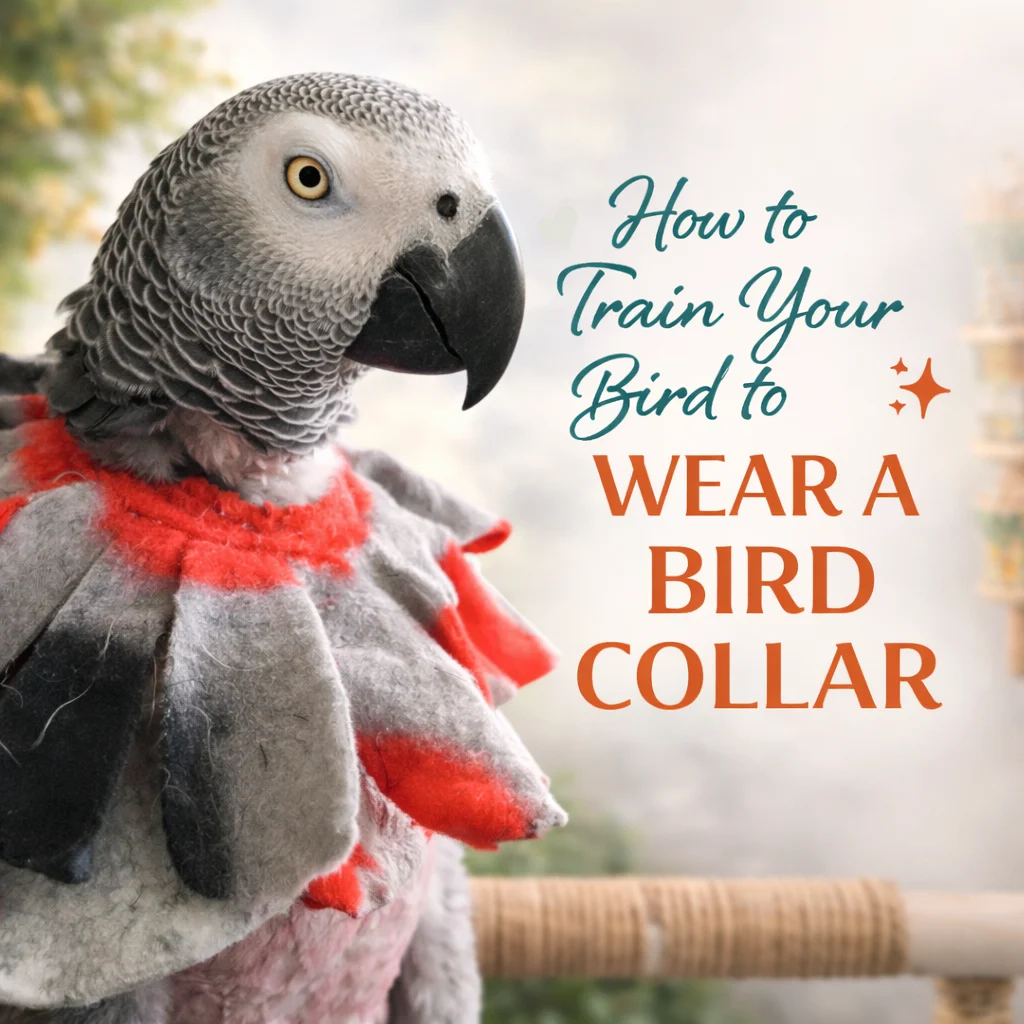
The question of whether birds can safely wear collars is frequently raised by concerned avian pet owners, with expert consensus affirming that such devices can be used effectively and safely, provided they are introduced thoughtfully and employed for appropriate reasons. This guidance, highlighted in recent insights published by avian behavior specialist Diane Burroughs on December 21, 2025, underscores that collars are typically considered not as a primary solution but as a critical supportive measure in managing complex behavioral and physical health issues in birds, particularly feather destructive behaviors (FDB).
Understanding Feather Destructive Behavior (FDB) in Avian Companions
Feather destructive behavior encompasses a range of actions where birds damage their own plumage, including plucking, pulling, chewing, barbering, and in severe cases, self-mutilation leading to skin lesions. This condition is a significant concern within the avian community, impacting a substantial percentage of pet birds across various species, from smaller parakeets to larger parrots. While the exact prevalence varies by species and individual bird, FDB is frequently cited by avian veterinarians as one of the most challenging behavioral issues presented by bird owners. Data from veterinary clinics specializing in avian medicine often indicate that FDB accounts for a notable portion of behavioral consultations, sometimes as high as 10-15% of all non-routine visits.
The underlying causes of FDB are multifaceted and often complex, requiring a thorough diagnostic approach. They can be broadly categorized into:
- Medical Issues: Nutritional deficiencies, internal parasites, bacterial or fungal infections, viral diseases (e.g., Psittacine Beak and Feather Disease), organ disease, allergies, heavy metal toxicity, or pain from injury.
- Environmental Factors: Insufficient humidity, exposure to irritants (e.g., smoke, harsh chemicals), inadequate lighting, lack of mental stimulation, unsuitable cage size, or an impoverished environment.
- Psychological and Behavioral Factors: Stress, anxiety, boredom, fear, hormonal imbalances, poor socialization, learned habits, or displacement behaviors.
- Nutritional Deficiencies: A diet lacking essential vitamins, minerals, or proper protein-fat balance can compromise feather quality and overall health, sometimes contributing to plucking.
Most owners arrive at considering a collar after exhausting numerous other interventions, including dietary adjustments, environmental enrichment, routine modifications, nutritional supplements, topical sprays, and behavioral modification techniques. When these initial strategies fail to mitigate escalating feather or skin damage, the urgency of physical intervention, such as a collar, becomes apparent.
The Strategic Application of Avian Collars: When and Why They Matter
An avian collar serves primarily as a physical barrier, designed to prevent a bird from accessing specific areas of its body, thereby interrupting the cycle of self-inflicted damage. It is not intended as a punitive measure or a standalone cure, but rather as a protective device that buys owners and veterinarians crucial time to identify and address the root causes of the destructive behavior.
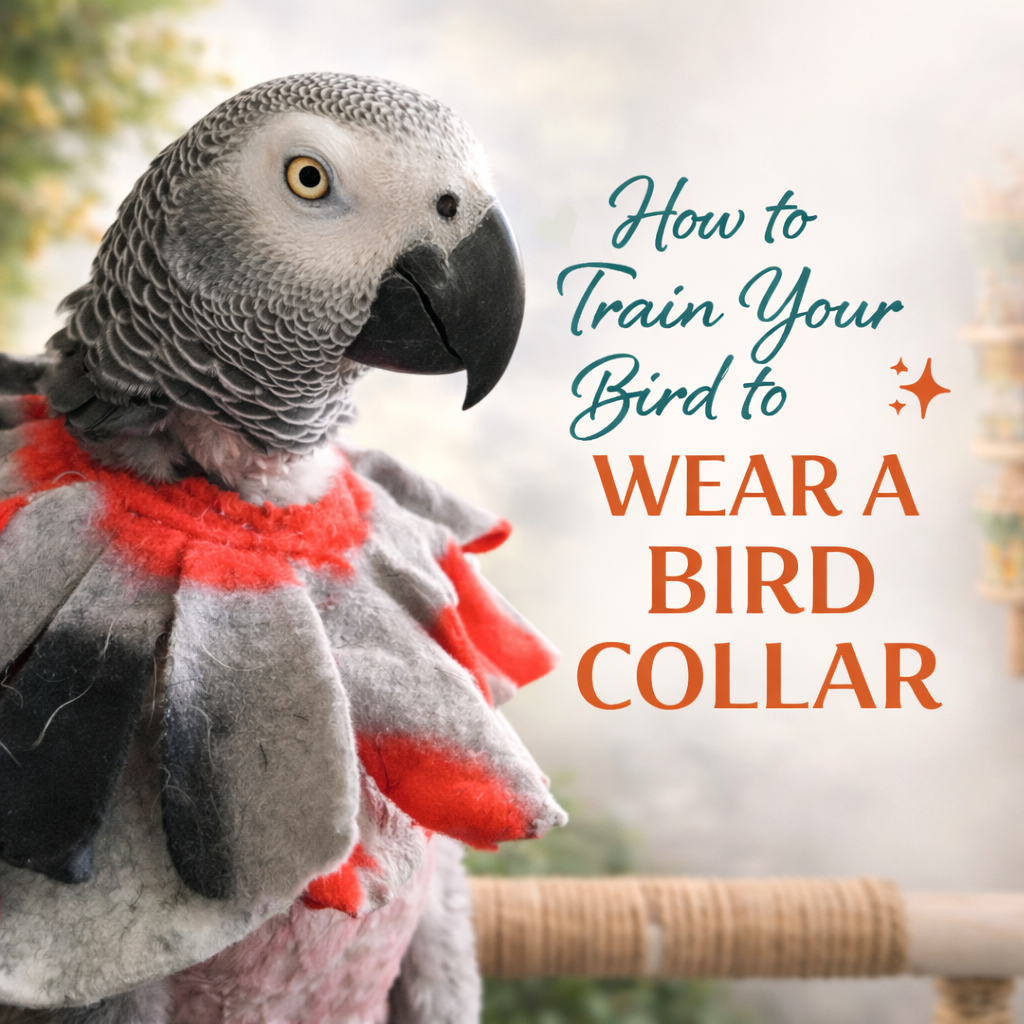
Collars become most helpful in situations where immediate physical protection is paramount. These scenarios include:
- Active Feather Destruction: When a bird is consistently plucking, chewing, or barbering feathers to the point of causing significant feather loss or damage.
- Skin Trauma: If the bird is barbering down to the skin, creating raw patches, or reopening existing wounds, a collar can prevent further injury and allow for healing.
- Post-Surgical Recovery: Following surgical procedures, collars are often used to prevent the bird from picking at sutures or surgical sites, ensuring proper healing and reducing infection risk.
- Wound Healing: For birds with existing injuries or dermatological conditions, a collar can shield the affected area from the bird’s beak, facilitating recovery.
- Heightened Anxiety or Stress: In periods of extreme stress where self-mutilation is a significant risk, a collar can provide a temporary safeguard.
- Breaking Repetitive Habits: For birds stuck in a self-reinforcing plucking loop, a collar can interrupt the behavior pattern, creating an opportunity to introduce new, healthier coping mechanisms.
Conversely, collars are generally deemed unnecessary if feather plucking is mild, seasonal, or responsive to less invasive interventions such as increased enrichment, improved diet, and routine adjustments, and crucially, if the bird’s skin remains undamaged. Introducing a collar without a clear and pressing need can exacerbate stress for the bird, potentially complicating an already delicate situation. Expert advice emphasizes that "more" intervention is not always "better," and sometimes, refining existing strategies is more beneficial than adding new tools.
Designing and Selecting an Appropriate Avian Collar
The market offers various types of avian collars, each designed with different materials and configurations to suit various needs and bird species. Common types include:
- Fabric Collars: Often soft and flexible, made from materials like fleece or cotton. These are generally comfortable but may not be suitable for persistent chewers.
- Plastic Cone Collars (Elizabethan Collars): Similar to those used for cats and dogs, these are rigid and effective at preventing access but can be cumbersome and limit mobility.
- Specialized Soft Collars: These might be designed with unique shapes or materials to offer protection while maximizing comfort and minimizing interference with eating, drinking, and movement.
When selecting a collar, several critical factors must be considered:
- Fit: The collar must fit snugly enough to prevent the bird from slipping out or maneuvering around it, but loose enough to allow for comfortable breathing and circulation.
- Material: It should be non-toxic, durable, and easy to clean.
- Functionality: The chosen design must allow the bird to eat, drink, and move reasonably freely within its cage and environment. It should not obstruct vision unnecessarily.
- Visibility: Some birds may become disoriented if their peripheral vision is significantly impaired.
- Owner Management: The collar should be manageable for the owner to put on, take off (if temporary), and clean.
Consulting an avian veterinarian or a certified avian behaviorist is crucial for selecting the most appropriate collar, as improper selection or fit can lead to further distress, injury, or even abandonment of necessary food and water.
The Indispensable Process of Safe Collar Introduction and Training
The success of an avian collar hinges less on the device itself and more on the meticulous, patient process of its introduction and training. The goal is to facilitate acceptance and adaptation, ensuring the bird remains regulated and minimally stressed throughout the learning phase.

- Familiarization (No Pressure): For 1 to 3 days, allow the bird to simply observe the collar from a safe distance. Place it near the cage or in the bird’s line of sight without attempting interaction. This teaches the bird that the collar is not an immediate threat.
- Routine Integration: Over the next 1 to 2 days, incorporate the collar into normal daily routines. For example, lay the collar on your shoulder while interacting with the bird or during feeding times. This builds familiarity in a non-threatening context.
- Inviting Exploration: Place the collar within the bird’s reach, allowing it to investigate on its own terms. Birds are naturally curious; encouraging this curiosity through voluntary interaction is far more effective than forced exposure. Positive reinforcement with favorite treats should be used if the bird approaches or touches the collar.
- Building Tolerance to Touch: While engaging in training sessions, gently work on handling the bird’s wings, shoulders, and torso. This desensitizes the bird to physical contact in areas that will be manipulated during collar fitting. Small, consistent progress is key, always ending sessions on a positive note before stress can accumulate.
- Cage Preparation: Prior to the first fitting, modify the bird’s cage to ensure safety and accessibility. Lower perches, bring food and water bowls closer, and remove any items that could snag the collar or pose a hazard. This proactive step minimizes potential obstacles during the adjustment period.
- First Supervised Fitting: When both the bird and owner are prepared, fit the collar for an initial period of 1 to 3 hours under close supervision. Observe the bird for signs of extreme distress, difficulty breathing, or inability to move. Awkward movements and initial attempts to investigate or remove the collar are normal. Constant reassurance and positive reinforcement are vital.
- Gradual Increase in Wear Time: Incrementally increase wear time in 30 to 60-minute segments. This gradual approach allows the bird to build the physical strength and coordination needed to comfortably carry the collar and adapt to the altered sensory input.
- Return the Cage to Normal: As the bird’s tolerance improves and it demonstrates comfort with the collar, slowly return perches and bowls to their usual positions. Some birds, especially those that are particularly nervous, may require additional assistance in relearning how to perch, climb, eat, or drink with the collar on. Patience and continued observation are crucial during this phase.
Throughout this process, short training sessions, positive reinforcement with highly coveted treats, and immediately ending sessions before the bird shows signs of stress are paramount.
Addressing Common Pitfalls and Misconceptions
Even with the best intentions, owners can make common mistakes that hinder successful collar integration:
- Attempting an Overhaul: Trying to implement too many changes simultaneously can overwhelm a bird. Collars are most effective when paired with slow, predictable adjustments to the bird’s environment, diet, and routine, rather than a radical overhaul.
- Context-Blind Advice: Relying solely on anecdotal advice from online forums without considering the unique context of one’s own bird can be counterproductive. What works for one bird may be unsuitable or even harmful to another due to species differences, individual temperament, or specific underlying conditions. A thorough understanding of the individual bird’s history, triggers, and personality is essential.
- Viewing Collars as a Punishment: It is crucial to remember that collars are a protective device, not a form of discipline. Approaching their use with a mindset of punishment will inevitably lead to a negative association and increased stress for the bird.
Expert Perspectives and Broader Implications
Avian veterinarians and certified behaviorists universally stress the importance of a holistic approach to FDB. Dr. Burroughs, with her extensive experience, emphasizes that collars are a "supportive bridge," offering a necessary reprieve for feathers and skin while the "bigger picture" of medical, environmental, and behavioral root causes is meticulously addressed.
Veterinarians advocate for a comprehensive diagnostic workup to rule out underlying medical conditions before behavioral interventions or collar use. They would highlight that a collar is a management tool that facilitates healing, but it does not cure the underlying problem. Animal welfare organizations reinforce the message of responsible pet ownership, urging owners to seek professional veterinary and behavioral guidance for FDB and to ensure any intervention, including collars, is applied humanely and with the bird’s welfare as the foremost priority.
The successful integration of an avian collar has significant implications:
- For the Bird: It reduces immediate physical injury, allows damaged skin and feathers to heal, and can interrupt a self-reinforcing destructive habit. While the initial adjustment period can be stressful, the long-term benefit of preventing self-mutilation and promoting recovery often outweighs this temporary discomfort.
- For the Owner: It provides a sense of relief and control over an escalating problem, granting them the breathing room to systematically investigate and address the underlying causes of FDB without the constant worry of acute damage. This process often deepens an owner’s understanding of avian behavior and the complexities of their pet’s needs.
- For the Avian Community: It promotes responsible and humane management strategies for a prevalent and challenging avian health issue. It underscores the importance of interdisciplinary care, combining veterinary medicine with behavioral science to optimize avian welfare.
In conclusion, avian collars, when introduced with careful planning, patience, and positive reinforcement, represent a valuable and humane intervention in the management of feather destructive behaviors and other conditions requiring physical protection. They serve as a critical temporary safeguard, enabling healing and providing a window of opportunity to address the intricate medical, environmental, and psychological factors contributing to a bird’s self-damaging tendencies. Their appropriate use is a testament to dedicated avian care, prioritizing the long-term health and well-being of these intelligent and sensitive companions.

