


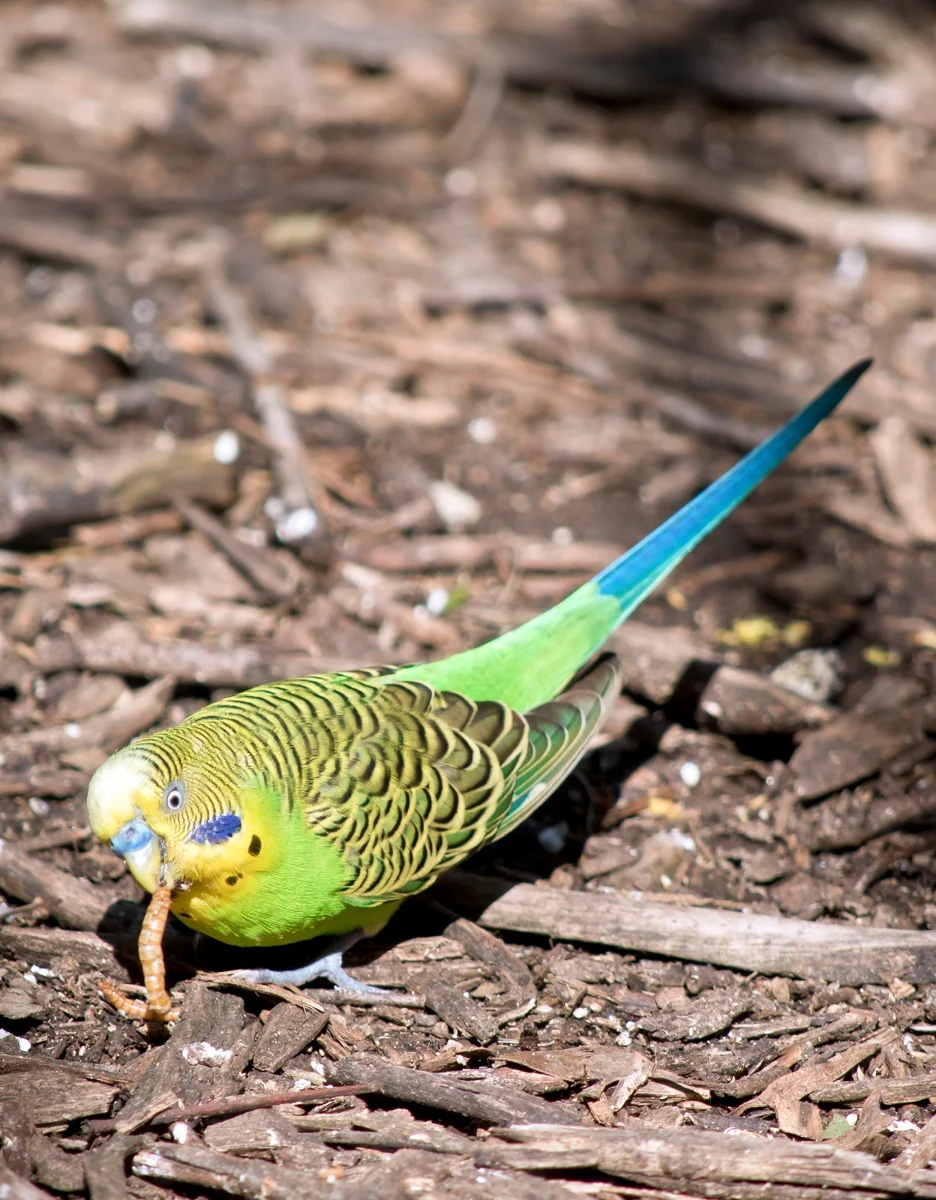
Budgie parakeets (Melopsittacus undulatus), often cherished companions in households worldwide, thrive on a diverse and nutritionally balanced diet. While commercial budgie seed mixes and pellets form the foundation of their sustenance, understanding which human foods are safe and beneficial—and critically, which are toxic or detrimental—is essential for promoting their long-term health and well-being. This guide delves into the specifics of integrating common household items into a budgie’s diet, informed by avian nutritional science and veterinary recommendations.
The Evolution of Budgie Diets: From Wild Forager to Domestic Companion
In their native Australian grasslands, wild budgies are opportunistic foragers, primarily consuming a wide array of grass seeds, supplemented by leaves, berries, and occasionally small insects, particularly during breeding seasons. Their digestive systems are finely tuned to process these natural, unprocessed foods. When budgies transitioned into domestication, their diets often became simplified, frequently consisting solely of commercial seed mixes. However, these mixes, especially those high in fatty seeds like sunflower, can lead to nutritional deficiencies, obesity, and related health issues such as hepatic lipidosis (fatty liver disease) and cardiovascular problems.
Modern avian veterinary science advocates for a diet that mimics the natural variety of a wild budgie, typically composed of high-quality pellets (60-70%), fresh vegetables (20-25%), a small amount of fruit (5-10%), and very limited seeds as treats. Integrating select human foods into this framework offers not only nutritional enrichment but also vital mental stimulation through varied textures, tastes, and foraging opportunities.
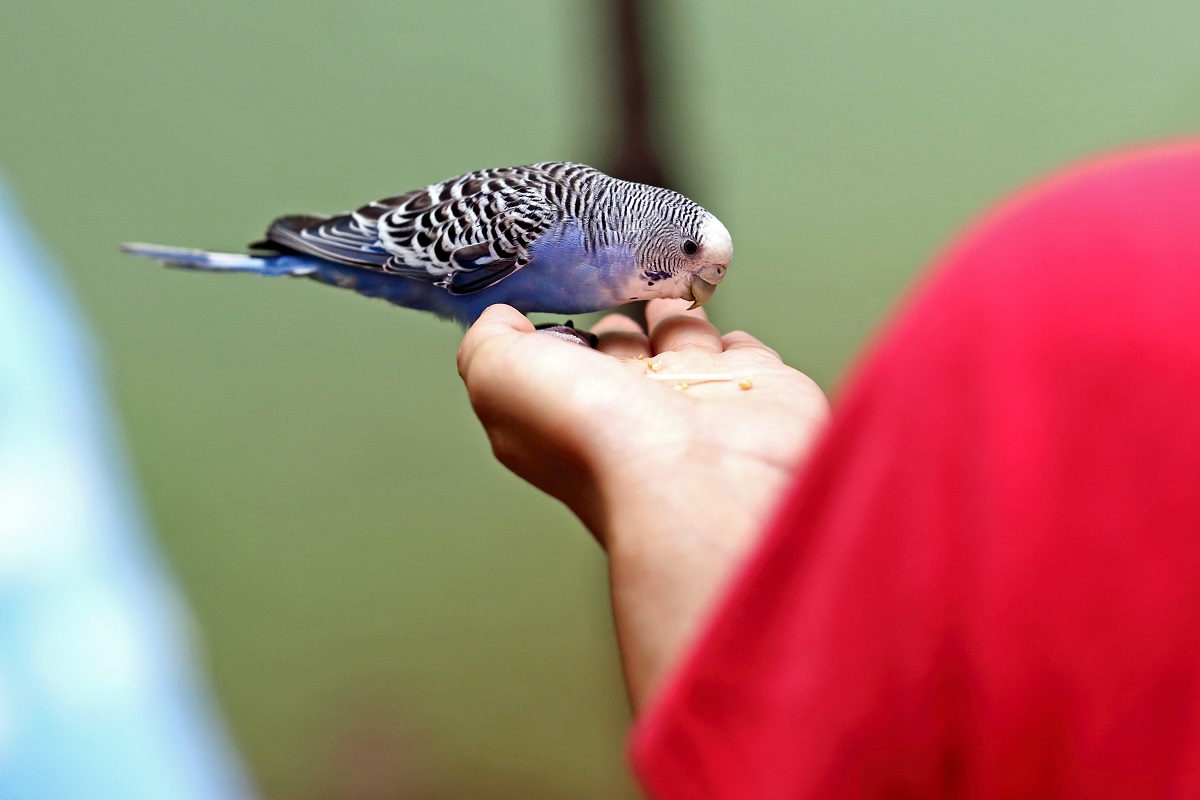
Understanding Dietary Principles for Budgies
Before introducing any new food, several principles must be observed:
- Natural and Unprocessed: Opt for single-ingredient, whole foods. Avoid anything processed with added salt, sugar, artificial sweeteners, preservatives, or unhealthy fats.
- Moderation is Key: Even safe foods should be offered in appropriate, small quantities.
- Thorough Washing: Always wash fresh produce to remove pesticides and contaminants.
- No Seasoning: Never offer foods prepared with salt, sugar, butter, oils, or spices.
- Temperature: Foods should be served at room temperature.
Safe Household Foods: A Detailed Analysis for Budgie Owners
Many everyday pantry staples and fresh produce items can be safely incorporated into a budgie’s diet. Here are 19 examples, with insights into their nutritional value and proper presentation:
- Bread: While generally safe, whole-wheat, unsweetened, and unseasoned bread is the only acceptable option. White bread offers minimal nutritional value, and sugary or fatty varieties (like brioche) are harmful. Offer small, dry pieces sparingly as an occasional treat. Its primary benefit is providing complex carbohydrates.
- Sunflower Seeds: A favorite for many birds, sunflower seeds are rich in healthy fats, vitamin E, and selenium. However, their high fat content necessitates strict moderation. Unsalted, raw, or dry-roasted seeds are suitable. They are best reserved as high-value training treats rather than a daily dietary component, to prevent obesity.
- Natural Peanut Butter: Unsweetened, unsalted peanut butter made purely from peanuts is acceptable in tiny quantities. It’s a dense source of protein and healthy fats. Like sunflower seeds, its high-fat profile dictates infrequent use. It can be a useful tool for introducing new toys or foods by smearing a minuscule amount onto them, encouraging exploration. Ensure it’s fresh and free of mold, as peanuts can be susceptible to aflatoxins.
- Boiled Eggs: An excellent source of protein, calcium, and essential vitamins, boiled eggs are particularly beneficial for laying hens or birds recovering from illness. Offer small, cooled pieces of plain scrambled or hard-boiled egg. The yolk provides healthy fats and fat-soluble vitamins, while the white is pure protein. Always ensure no salt or oil has been added during preparation.
- Chia Seeds: These tiny seeds are a nutritional powerhouse, packed with Omega-3 fatty acids, fiber, and antioxidants. They are excellent for digestive health and overall vitality. Budgies can consume them dry or mixed into a sprouted seed blend. Approximately 1/4 teaspoon sprinkled over their regular food a few times a week is a suitable serving.
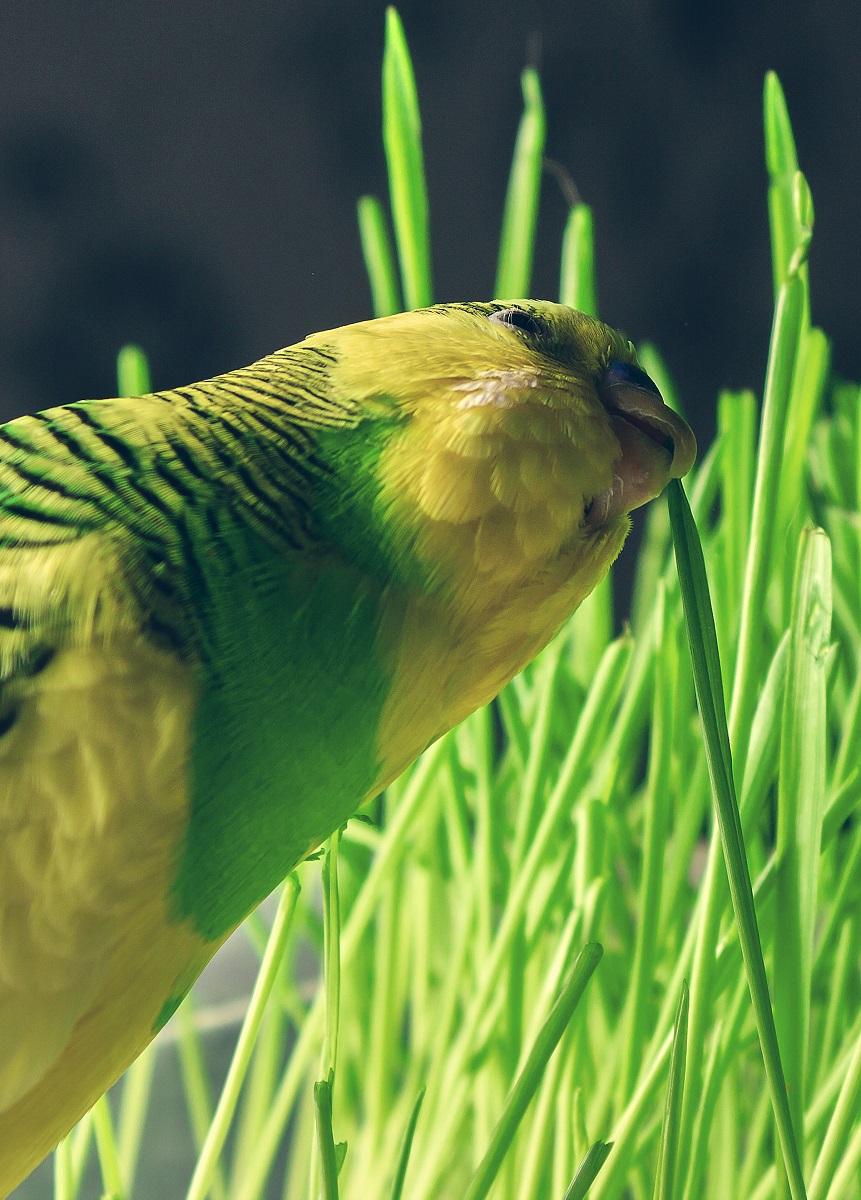
- Wheatgrass: Both wheatgrass seeds and sprouted wheatgrass are highly nutritious. Sprouted wheatgrass provides chlorophyll, vitamins A, C, and E, and various minerals. Offering sprouted wheatgrass through a mesh provides both nutrition and a natural enrichment activity, mimicking foraging behavior. Ensure it’s grown without soil to prevent ingestion of harmful bacteria or fungi.
- Cashews: Unsalted, raw, or dry-roasted cashews are safe in very small amounts. They are high in fat and protein, offering minerals like magnesium and zinc. A quarter of a crushed cashew nut is an appropriate serving, given infrequently due to their caloric density.
- Cheerios (Plain): Plain, unsweetened Cheerios made primarily from whole-grain oats are acceptable as an occasional, small treat. Unlike many other cereals, they contain fewer additives. However, they still contain some sugar and salt, so moderation is crucial. A half-loop once in a while is sufficient.
- Pumpkin Seeds: Similar to sunflower seeds, unsalted pumpkin seeds are rich in healthy fats, protein, and minerals like zinc and magnesium. They can be offered whole (allowing the budgie to hull them for enrichment) or shelled. Due to their size and fat content, half a seed given occasionally is appropriate.
- Almonds: Unsalted, raw, or dry-roasted almonds are a good source of vitamin E, magnesium, and protein. Like other nuts, they are calorie-dense and should be given sparingly. A quarter of an almond, chopped into small pieces, makes an adequate infrequent treat. Sprouting almonds can enhance their nutritional profile and digestibility.
- Chicken (Cooked, Plain): While not a primary dietary component, budgies can safely consume small, unseasoned pieces of plain cooked chicken breast or thigh. It provides a lean source of protein, particularly beneficial for birds with higher protein needs, such as breeding females. Ensure it is thoroughly cooked and cooled.
- Dried Fruit (Unsweetened, Unpreserved): Natural, unsweetened dried fruits, such as raisins or cranberries, can be offered in tiny pieces. They are concentrated sources of natural sugars, so extreme moderation is vital to prevent sugar overload and potential digestive upset. Avoid candied fruits or those with added sulfites. Dehydrating fruits at home ensures no undesirable additives.
- Hemp Seeds: Often found in commercial bird seed mixes, hemp seeds are an excellent source of Omega-3 and Omega-6 fatty acids, protein, and fiber. They are a healthy addition to a budgie’s diet and can be sprinkled in small amounts over their regular food. Ensure they are human-grade and free of psychoactive compounds.
- Pasta (Cooked, Unsalted): Plain, cooked, unsalted pasta (whole-wheat preferred) can be offered as an occasional treat. It provides carbohydrates for energy. Dry pasta can also be used as an edible toy, offering enrichment. Lentil, corn, or pea-based pastas are also safe and offer additional nutritional benefits.
- Pine Nuts: Unsalted pine nuts are safe for budgies in very small quantities. They are rich in healthy fats and protein. Adhere to the same strict moderation as with other nuts due to their high caloric content.
- Peanuts (Human-Grade, Unsalted): Peanuts have historically been viewed with caution due to the risk of aflatoxin mold in poorly stored, low-quality batches. However, human-grade, unsalted, raw, or dry-roasted peanuts are safe in small amounts. Offering them in the shell (with a small opening) provides excellent foraging enrichment.
- Popcorn (Plain, Air-Popped): Plain, air-popped popcorn, without butter, salt, or other seasonings, is a safe and enjoyable treat for budgies. It provides carbohydrates and can be a fun, crunchy snack or used in homemade bird toys. Avoid microwave popcorn due to additives.
- Quinoa: This ancient grain is a complete protein, rich in essential amino acids, fiber, and minerals. It can be offered cooked (rinsed thoroughly) or uncooked. White, red, and black quinoa varieties are all suitable and contribute a wide range of micronutrients.
- Rolled Oats (Plain): Rolled or steel-cut oats are a healthy source of complex carbohydrates and fiber. They can be offered dry, cooked with water, or mixed with unsweetened nut milk. Be mindful that cooked oats can be sticky and may cling to the budgie’s beak, requiring careful observation.
Unsafe and Toxic Foods: Critical Information for Budgie Owners
Certain human foods pose significant health risks, ranging from mild digestive upset to severe toxicity and even death. It is imperative to keep these items entirely out of a budgies’ reach.
- Avocado: This is one of the most widely recognized toxic foods for parrots. Avocado contains Persin, a fungicidal toxin that can cause severe respiratory distress, cardiac failure, weakness, and sudden death in budgies and many other bird species. Due to their small size, even a tiny amount can be lethal. Immediate veterinary attention is required if ingestion is suspected.
- Chocolate: Chocolate contains theobromine and caffeine, both highly toxic to birds. These compounds act as stimulants, affecting the central nervous system and heart. Symptoms of chocolate poisoning can include hyperactivity, tremors, seizures, vomiting, diarrhea, and potentially fatal cardiac arrhythmias. Any ingestion warrants an emergency veterinary visit.
- Honey: While seemingly natural, honey can contain Clostridium botulinum spores, which produce botulism toxins. These toxins are extremely dangerous and potentially deadly for budgies, similar to the risk it poses to infants. Furthermore, honey is excessively sugary, offering no nutritional benefit and contributing to unhealthy weight gain and dental issues (if they had teeth!).
- Chips (Potato/Corn): Processed snacks like potato chips or corn chips are laden with salt, unhealthy fats, artificial flavorings, and preservatives. High sodium intake can lead to kidney damage, excessive thirst, and neurological issues. The fats contribute to obesity and liver disease, while artificial ingredients offer no nutritional value and can be harmful.
- Aloe Vera: While the clear gel inside an Aloe vera leaf is sometimes used topically for minor skin irritations in birds, the outer green leaf and the yellowish aloin layer contain compounds that are laxative and can be toxic if ingested. Ingestion can lead to severe diarrhea, dehydration, and other gastrointestinal distress.
- Ice Cream & Dairy Products: Budgies, like most birds, are lactose intolerant. They lack the enzyme lactase necessary to digest lactose (milk sugar). Feeding them ice cream, milk, or soft cheeses can lead to severe digestive upset, including diarrhea, cramping, and discomfort. Additionally, ice cream is high in sugar and unhealthy fats.
- Cheese: While some hard cheeses contain lower levels of lactose due to the aging process, they are still generally too high in fat and salt for budgies. Soft cheeses, being high in lactose, are particularly problematic. It is best to avoid all dairy products for budgies.
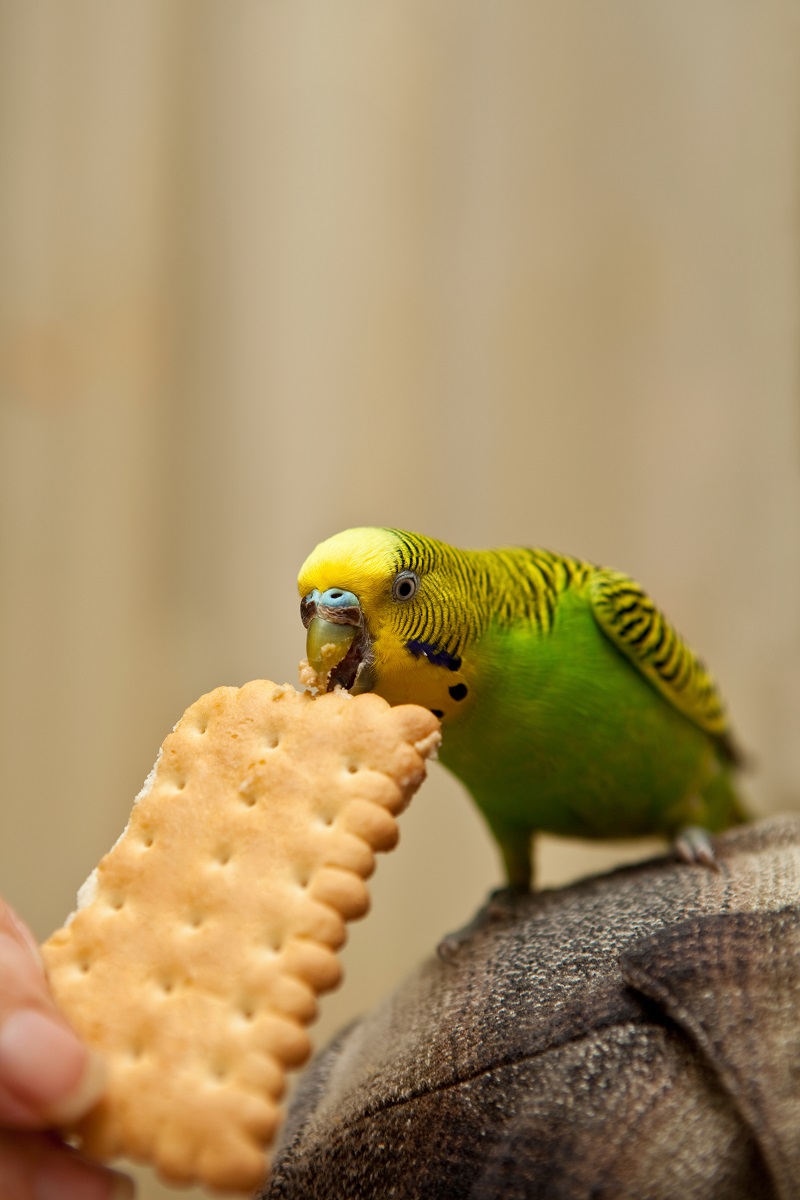
- Crackers (Savory): Most commercial crackers contain significant amounts of salt, vegetable oils, and sometimes sugar or artificial additives. While a few crumbs might not cause immediate harm, regular consumption contributes to an unhealthy diet, potentially leading to kidney and cardiovascular problems.
- Biscuits/Cookies: Whether referring to American-style savory biscuits or UK-style sweet cookies, these items are universally detrimental to budgies. They are packed with sugar, unhealthy fats, salt, and often artificial flavors and preservatives. These ingredients contribute to obesity, diabetes, liver disease, and other serious health conditions.
Other Toxic Substances to Strictly Avoid:
- Alcohol: Extremely toxic, even in minute amounts.
- Caffeine: Found in coffee, tea, and some sodas; highly toxic.
- Onions and Garlic: Contain thiosulphates, which can cause hemolytic anemia in birds.
- Apple Seeds: Contain cyanogenic glycosides (cyanide). The flesh of apples is safe, but seeds must be removed.
- Xylitol: An artificial sweetener highly toxic to many animals, including birds.
Implications of Dietary Choices for Budgie Health and Longevity
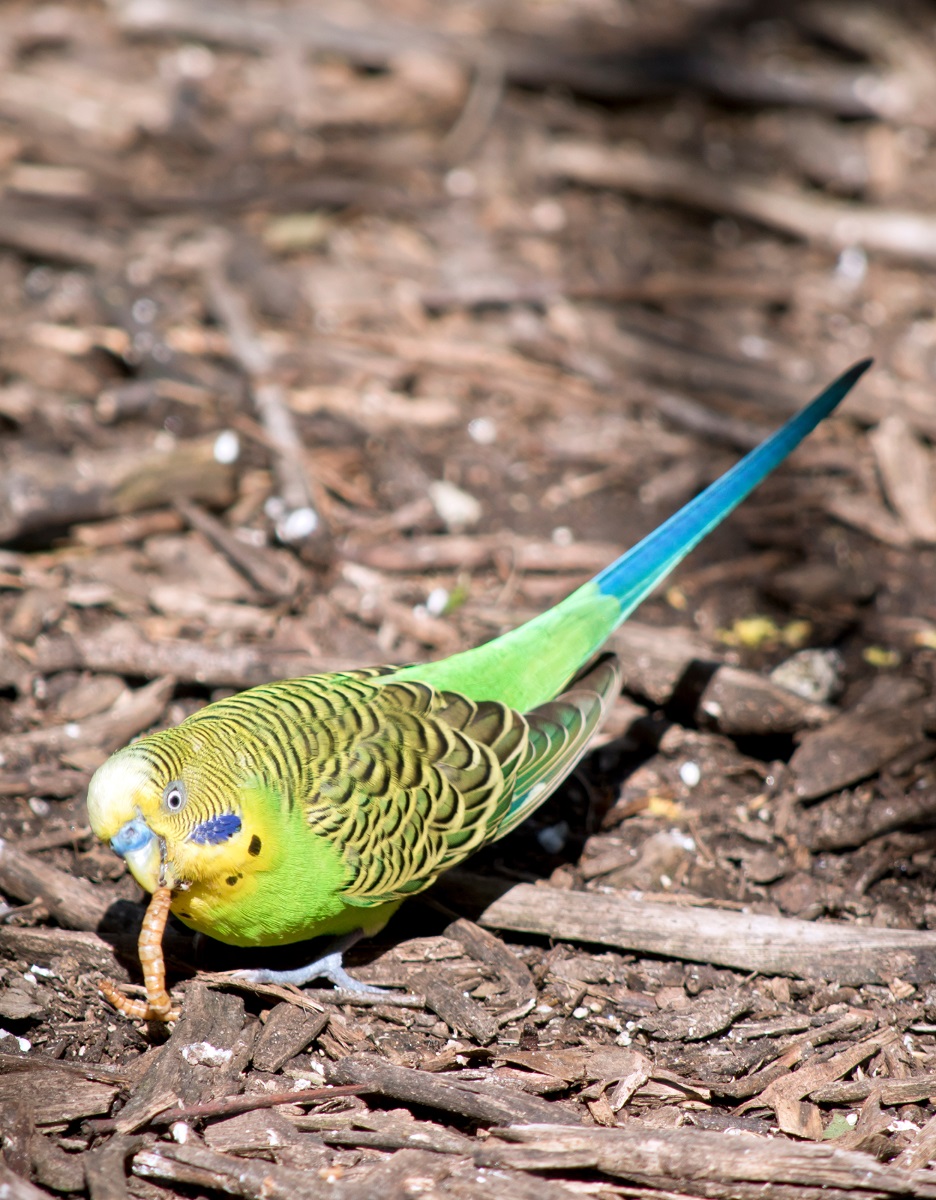
The implications of proper and improper dietary choices for budgies are profound. A well-balanced diet, incorporating a variety of safe human foods, can significantly enhance a budgie’s physical health, immune system function, and cognitive vitality. Birds on appropriate diets exhibit brighter feathering, more energy, better digestion, and a reduced risk of common avian diseases.
Conversely, a diet high in fatty seeds, processed human foods, or toxic substances leads to a range of severe health issues. Obesity, liver disease, kidney failure, nutrient deficiencies, feather plucking, behavioral problems, and a shortened lifespan are common consequences of poor nutrition. According to data from the Association of Avian Veterinarians, nutritional deficiencies are among the leading causes of illness and premature death in captive parrots.
Recommendations for Responsible Budgie Ownership
For budgie owners, the commitment to providing a healthy diet is a cornerstone of responsible pet care.
- Consult an Avian Veterinarian: Always seek advice from an avian veterinarian regarding your budgie’s specific dietary needs, especially when making significant changes.
- Pellets as a Staple: Ensure high-quality avian pellets form the majority of the diet.
- Fresh Produce Daily: Offer a daily selection of washed, safe vegetables and a small amount of fruit.
- Gradual Introduction: Introduce new foods slowly and in small quantities to avoid digestive upset and allow your budgie to adjust.
- Observe and Adapt: Monitor your budgie’s reaction to new foods. Some birds may be pickier than others.
- Fresh Water: Always provide access to clean, fresh water.
- Enrichment: Use food presentation as an opportunity for enrichment, mimicking natural foraging behaviors.
By adhering to these guidelines and being vigilant about what their feathered friends consume, budgie owners can ensure their parakeets lead long, vibrant, and healthy lives, enjoying the varied tastes and textures that a thoughtfully curated diet provides.

