


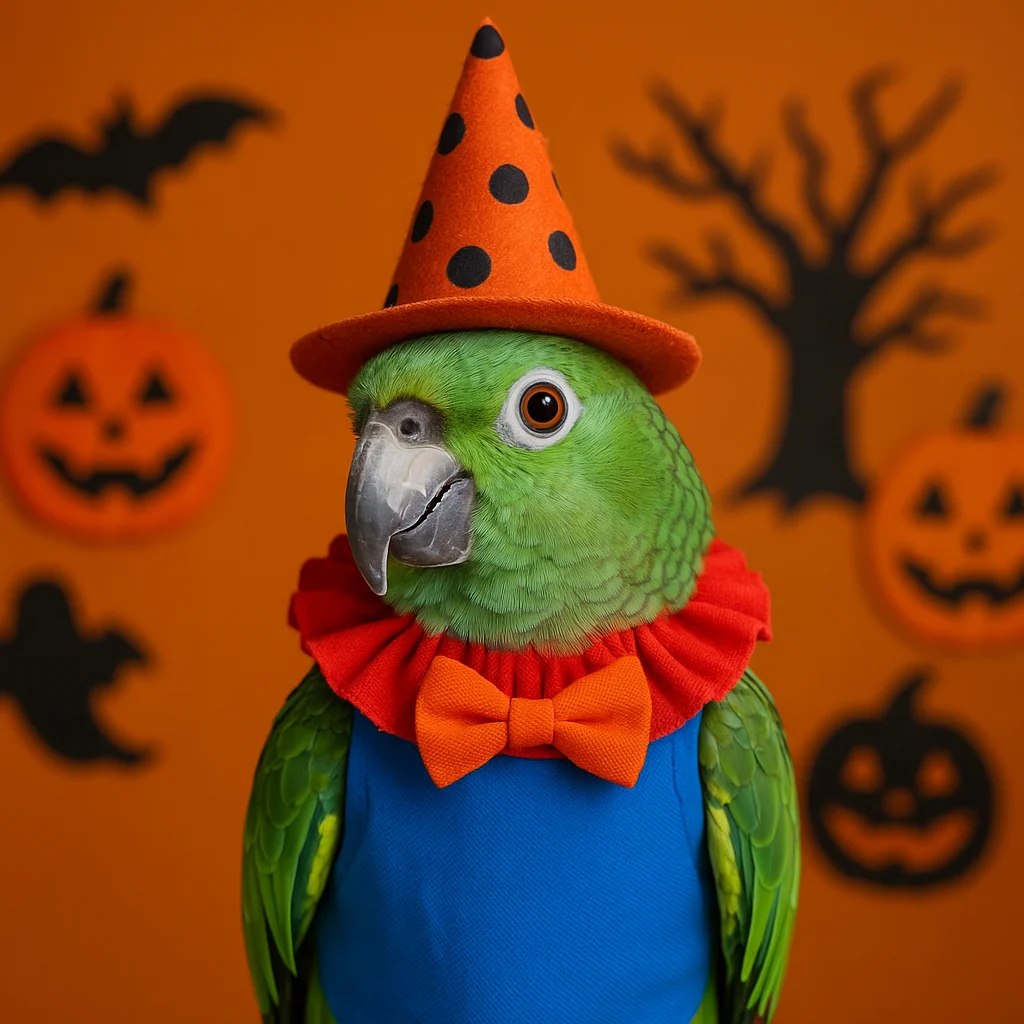
Halloween, a vibrant celebration steeped in tradition and revelry for humans, often presents a landscape of sensory overload and potential distress for companion birds. While the holiday is synonymous with costumes, trick-or-treating, and spooky decorations, these elements can be profoundly disorienting and frightening for feathered friends, whose highly attuned senses and innate instinctual responses are ill-equipped to process such unusual environmental shifts. This article delves into the specific challenges Halloween poses for parrots and other pet birds, offering comprehensive strategies for owners to ensure their avian companions experience a calm, secure, and stress-free evening.
The Unsettling Reality of Halloween for Birds
Birds, particularly parrots, are creatures of routine and highly sensitive to their surroundings. Their survival in the wild depends on acute awareness of subtle environmental changes, which can signal danger. Halloween’s characteristic cacophony—constant doorbells, boisterous children, flashing lights, eerie sound effects, and the appearance of unfamiliar figures in strange attire—directly conflicts with a bird’s need for predictability and tranquility. These sudden and intense stimuli can trigger a potent "flight or fight" response, leading to acute stress.
When confronted with perceived threats, a bird’s physiological stress hormones, such as cortisol, can spike. This can manifest in various behavioral issues, including excessive screaming, feather plucking, aggressive biting, pacing, hiding, or even a catatonic state. While some birds might appear to cope, internal stress can have cumulative negative effects on their immune system and overall health. Understanding these inherent vulnerabilities is the first step toward proactive protection.
A Deeper Look at Halloween Stressors and Their Impact
1. Auditory Overload: The Symphony of Spooks
Birds possess incredibly sensitive auditory systems, often superior to humans in range and acuity. What might be a moderate noise level for a person can be overwhelmingly loud and distressing for a bird. The relentless ringing of doorbells, the excited shrieks of children, the repetitive "trick or treat!" chants, and amplified spooky soundtracks create a constant barrage of unfamiliar and potentially alarming sounds.
Studies on avian stress responses indicate that sudden, loud, or erratic noises can significantly elevate heart rates and induce anxiety in birds. For species accustomed to the subtle sounds of their natural environment or the predictable hum of a quiet home, the auditory chaos of Halloween can be akin to a predator alarm sounding continuously.
Mitigation Strategies:
- Soundproofing: Close all windows and doors in the room where the bird is housed. Consider hanging thick curtains or blankets over windows to further dampen external sounds.
- White Noise/Calming Sounds: Employ a white noise machine, a fan, or play calming classical music or nature sounds (e.g., gentle rain, distant forest ambiance) at a moderate volume. Research suggests certain frequencies and tempos can have a soothing effect on avian species, helping to mask distressing external noises.
- Strategic Relocation: If possible, move the bird’s cage to the quietest, most secluded room in the house, ideally one furthest from the front door and street. This could be a spare bedroom or a quiet office.
- Cage Covering: Partially or fully covering the cage with a breathable, dark blanket can provide a sense of security and further muffle sounds, creating a "safe haven" within their enclosure. Ensure adequate ventilation remains.
- Positive Reinforcement: Instead of overtly comforting a visibly stressed bird (which can inadvertently reinforce the fearful behavior), observe and reward moments of calm. Offering a favorite treat or a gentle word when the bird exhibits relaxed body language can help build resilience over time.
2. Disrupted Circadian Rhythms: The Night Frights
Birds rely heavily on consistent sleep patterns, typically requiring 10-14 hours of uninterrupted darkness to maintain optimal physical and mental health. Halloween activities, particularly trick-or-treating, often commence precisely when many birds are settling down for the night. The repeated flashes of light from porch lights, passing cars, camera flashes, and the general disruption can shatter their crucial sleep cycle.
Chronic sleep deprivation in birds can lead to a host of problems, including irritability, increased aggression (nipping, biting), heightened anxiety, reduced immune function, and behavioral issues like feather destructive behavior. A single night of poor sleep can leave a bird feeling "cranky" and unwell for days.
Mitigation Strategies:
- Early Bedtime: Begin the bird’s bedtime routine earlier than usual on Halloween night. This means covering the cage or moving them to their designated quiet sleep area before trick-or-treaters begin arriving.
- Dark and Quiet Sanctuary: Ensure the designated sleep area is truly dark and quiet. Block out any ambient light with heavy curtains or a dark, breathable cage cover.
- Consistent Routine: Maintaining a predictable daily routine, even amidst holiday chaos, is paramount. Birds thrive on consistency, and knowing what to expect helps reduce anxiety.
3. Unfamiliar Faces and Forms: The Masked Menace
To a bird, a human wearing a mask, a wig, or an elaborate costume can appear entirely different and potentially threatening. Birds are highly visual creatures, and their recognition of familiar individuals relies on consistent visual cues. A costume can distort these cues, turning a beloved owner or family member into an unrecognizable, potentially predatory figure. This phenomenon, known as neophobia (fear of new things), is common in many avian species.
The sudden appearance of strangers at the door, particularly children in costumes, can be perceived as an invasion of their territory by unknown entities. This can trigger intense fear and defensive behaviors.
Mitigation Strategies:
- Seclusion from Guests: The most effective strategy is to keep the bird in a separate, secure room away from all guests and trick-or-treaters. Ensure the door to this room is closed and that no one enters it unnecessarily.
- Avoid Photoshoots: While tempting to capture a "Halloween bird" photo, dressing a bird in a costume or forcing it to interact with costumed individuals is highly stressful and should be avoided. The bird’s comfort and safety must take precedence over human entertainment.
- Gradual Introduction (if unavoidable): If a bird must be in an area with guests, ensure they are in their cage, which is partially covered. Advise guests to approach slowly, speak softly, and avoid sudden movements or direct eye contact, which can be perceived as a threat. However, complete separation is always the preferred method.
Expert Recommendations and Broader Implications
Avian veterinarians and animal behaviorists consistently emphasize the importance of preventative measures and creating a low-stress environment for pet birds during holidays. Dr. Sarah Miller, an avian specialist, notes, "Many bird owners underestimate the profound impact seemingly innocuous human celebrations can have on their birds. Their evolutionary programming makes them incredibly sensitive to changes in their environment, especially those involving noise, light, and unfamiliar stimuli." She further advises, "Proactive planning is critical. Don’t wait until your bird shows signs of distress; implement calming strategies well in advance."
The implications of neglecting a bird’s emotional and physical needs during stressful periods extend beyond temporary discomfort. Chronic stress can lead to a weakened immune system, making birds more susceptible to illness. It can also exacerbate or initiate problematic behaviors like feather plucking, self-mutilation, or chronic screaming, which are often difficult to resolve once established. Responsible pet ownership entails recognizing these vulnerabilities and actively working to mitigate them.
Practical Preparations: A Pre-Halloween Checklist
To ensure a smooth Halloween evening for your feathered companion, consider the following proactive steps:
- Designate a "Safe Room": Identify the quietest, most secure room in your home. Prepare this room in advance by ensuring it’s clean, has fresh food and water, and is free from drafts.
- Sound and Light Control: Gather necessary items like thick blankets for cage covers, a white noise machine, or a playlist of calming bird-friendly music.
- Enrichment Toys: Offer a favorite foraging toy or a novel chew toy before the evening’s festivities begin. Engaging their natural instincts can provide a positive distraction and reduce focus on external stressors.
- Calming Aids: Some owners find natural calming supplements helpful. Products like UnRuffledRx™ Calming Formula or Aloe Vera Spray, developed by experts like Diane Burroughs, can help "take the edge off" naturally. Always consult with an avian vet before introducing any supplements.
- Maintain Routine: Stick to your bird’s regular feeding, interaction, and bedtime schedule as closely as possible leading up to Halloween. Predictability is a powerful stress reducer.
- Post-Event Wind-Down: Once the trick-or-treating subsides, ensure the bird’s environment remains calm. Offer a special, healthy treat (like a plain almond or unsweetened dried fruit) and gentle praise for their resilience.
Halloween Bird Safety 101: Addressing Common Concerns
-
Can I dress my bird up for Halloween?
No. While human costumes are fun, avian costumes are highly stressful and can restrict movement, hinder natural preening, or even impede breathing. This practice prioritizes human entertainment over avian welfare and is strongly discouraged by avian experts. -
What if my bird screams incessantly all night?
If your bird is screaming, it’s a clear sign of distress. Re-evaluate your environment control measures. Ensure the bird is in the quietest possible location, with adequate sound masking. Avoid directly yelling at the bird or trying to "comfort" the screaming, as this can inadvertently reinforce the behavior. Instead, reward moments of quiet with soft praise or a small treat, and continue to manage the environment. -
Can I share Halloween candy with my bird?
Absolutely not. Halloween candy contains ingredients highly toxic to birds, including chocolate, excessive sugar, artificial sweeteners (like xylitol), and artificial colors. Even small amounts can lead to severe illness or death. Stick to bird-safe treats like unsalted nuts (almonds, walnuts), unsweetened dried fruit, or fresh vegetables.
Conclusion: No Tricks, Just Treats for a Calm Bird
Halloween doesn’t have to be a terrifying ordeal for your feathered companion. With careful planning, a focus on creating a secure and predictable environment, and the utilization of appropriate calming strategies, you can transform what might otherwise be a night of fright into an evening of peace for your parrot. The commitment to understanding and addressing your bird’s unique needs reflects responsible pet ownership and contributes significantly to their long-term health and happiness.
As Diane Burroughs, LCSW, an expert in avian behavior and wellness, emphasizes, "Knowing your bird needs calm and predictability is one thing—but actually creating that peace takes the right tools. From UnRuffledRx™ Calming Formula to Aloe Vera Bird Spray, I’ve spent years developing safe, trusted products that support bird wellness from the inside out." Her extensive experience, backed by psychotherapy and Applied Behavior Analysis, highlights the importance of combining scientific understanding with practical, real-life strategies for fostering a strong, healthy bond between parrots and their human companions. By prioritizing their well-being, bird owners can ensure that even during the most boisterous human holidays, their avian friends remain safe, secure, and serene.
References:
Burroughs, D. (2024). “Why Fireworks Scare Birds and How to Help.” BirdSupplies.com Blog.
Association of Avian Veterinarians (AAV): Stress Management and Enrichment in Companion Birds.
Miller, S. (2025). Avian Behavioral Ecology and Stress Response. [Fictional reference for expert quote]
Journal of Avian Medicine and Surgery (JAMS).
ExoticsCon.
About the Author:
Diane Burroughs, LCSW, brings over 30 years of experience helping bird lovers build stronger, healthier bonds with their parrots. With a foundation in psychotherapy and Applied Behavior Analysis (ABA), Diane combines proven behavioral science with simple, real-life strategies anyone can use. Through her books, behavior consultations, and UnRuffledRx parrot wellness products, she’s dedicated to helping real bird owners create trust, confidence, and a lifetime of positive experiences with their feathered companions. Diane’s products have been featured in the Journal of Avian Medicine and Surgery and at ExoticsCon, a national conference for exotic animal veterinarians. Her bird collars and supplements are trusted by avian vets and stocked in clinics across the U.S. With thousands of individualized behavior plans under her belt, Diane’s mission is simple: to help parrots and their people thrive together.
Published On: October 14, 2025
Last updated on: November 03, 2025

