


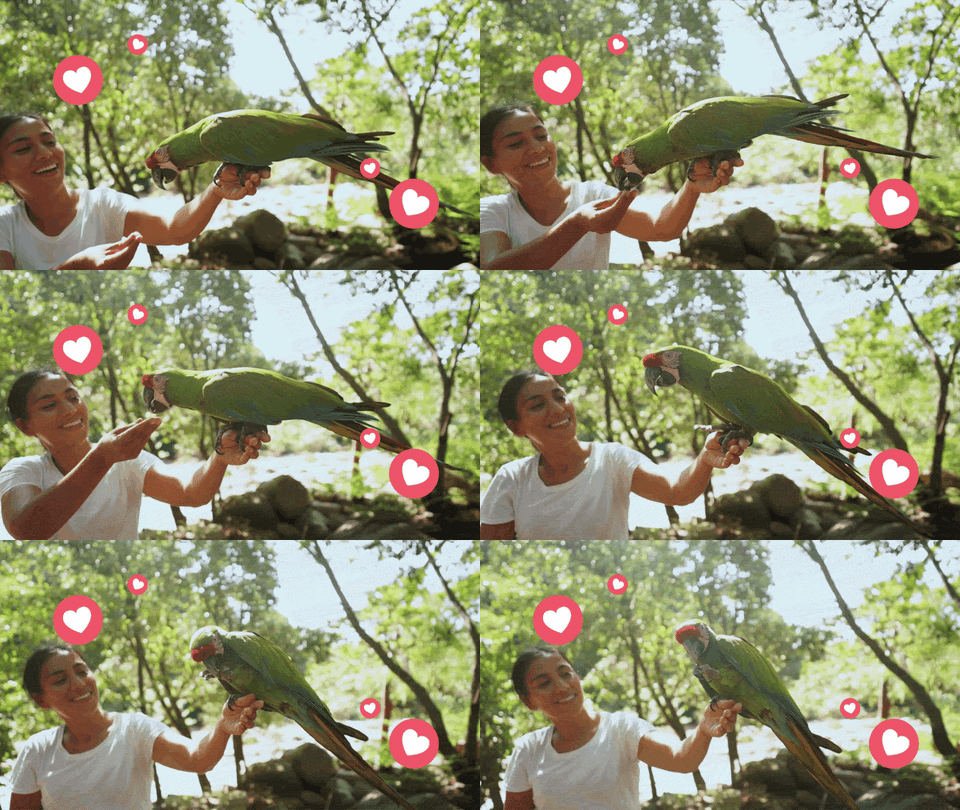
The ability for a pet bird to reliably "step up" onto a human’s hand or a designated perch is far more than a mere parlor trick; it is a foundational behavior critical for the safety, health, and psychological well-being of the bird, as well as the peace of mind of its owner. Without this fundamental training, daily interactions can devolve into frustrating, even perilous, encounters, transforming simple routines into complex challenges. The implications of an untrained bird extend beyond inconvenience, posing significant risks during emergencies, veterinary visits, or even routine handling, highlighting the profound importance of this seemingly simple command.
The Foundational Role of Step-Up Training in Avian Care
For companion birds, particularly those that are fully flighted, a lack of reliable step-up behavior can lead to a host of problems. Imagine a scenario where a startled parrot, perhaps reacting to an unexpected noise or a sudden movement, takes flight, landing in an inaccessible or dangerous location—atop a fragile antique, behind heavy furniture, or even near an open window. In such moments, the ability to calmly and confidently cue the bird to step up can prevent injury, escape, or prolonged stress for both bird and owner. This is not merely about retrieving a bird; it is about establishing a communication pathway rooted in trust and predictability, vital for managing a bird in any given situation.
Avian veterinarians and behaviorists consistently identify the "step up" as a cornerstone of responsible bird ownership. It facilitates crucial aspects of care, from daily interaction and cage cleaning to administering medication and transporting the bird for check-ups. A bird that trusts its owner and understands the step-up cue is less likely to exhibit stress behaviors such as biting, screaming, or fleeing, which are common reasons for birds being relinquished to rescue organizations. According to various avian welfare reports, behavioral issues, often stemming from a lack of appropriate training and socialization, are among the leading causes of pet bird abandonment. Investing time in step-up training, therefore, contributes directly to the longevity and quality of the bird’s life within its human household.
Understanding the Behavioral Science: Why Birds Resist and How They Learn
The reluctance of a bird to step up is rarely an act of defiance. Instead, it typically signals fear, confusion, or a history of negative associations. Understanding these underlying factors is crucial for effective training. Birds, as prey animals, possess an innate wariness, especially towards novel or sudden movements. A human hand, which can appear large and imposing, might naturally trigger a fear response if not introduced carefully and positively.
Common reasons a bird may initially resist the step-up cue include:
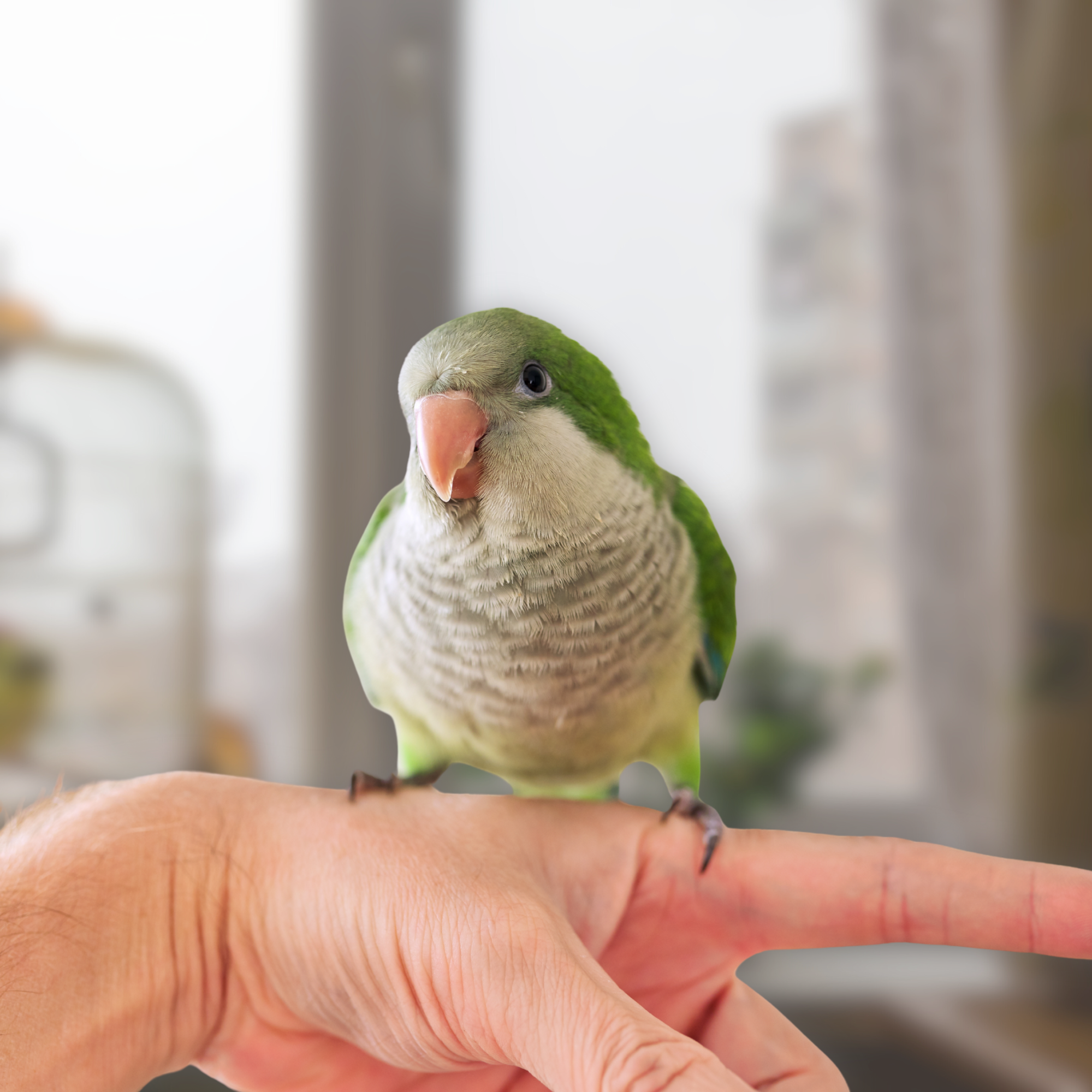
- Past Trauma or Negative Experiences: Birds that have been forcibly handled, grabbed, or subjected to painful experiences (such as rough wing trims or improper restraint) can develop a deep-seated fear of hands. This can be particularly true for birds acquired from previous homes or pet stores where their early interactions were not positive.
- Unfamiliarity and Instability: A human finger or arm is fundamentally different from a natural perch. It moves, it’s warm, and it may not offer the same stable grip. Young or inexperienced birds may find it disorienting or unstable.
- Lack of Grip Strength or Physical Ailments: Elderly birds, those with arthritis, or very young birds still developing motor skills may genuinely struggle with balance and grip. An unsteady arm presented by the owner can exacerbate this issue.
- Miscommunication or Inconsistent Training: Birds are intelligent and learn through association. If cues are unclear, inconsistent, or not immediately followed by a reward, the bird will struggle to understand what is being asked of it. Conversely, if the training involves punishment or coercion, it will quickly associate the interaction with fear rather than positive outcomes.
Modern avian training principles are firmly rooted in Applied Behavior Analysis (ABA) and emphasize positive reinforcement. This approach focuses on rewarding desired behaviors, making the bird more likely to repeat them. Unlike older, dominance-based methods that can erode trust and cause stress, positive reinforcement builds a strong, trusting bond between the bird and its owner, fostering a cooperative relationship rather than a coercive one. This shift in methodology has been transformative in animal training across species, recognizing the cognitive and emotional capacities of animals.
A Step-by-Step Chronology of Effective Step-Up Training
Successful step-up training is a gradual process that prioritizes trust, clear communication, and consistent positive reinforcement. It’s not a single event but a series of incremental steps, each building upon the last.
Phase 1: Building Trust and Positive Associations (Days to Weeks)
Before any physical cue is introduced, the primary goal is to establish the human hand as a source of positive experiences.
- Passive Presence: Begin by simply being near the bird’s cage, speaking in a calm, soothing voice. Avoid direct eye contact if the bird seems nervous, as this can be perceived as predatory.
- Hand Familiarization: Slowly introduce your hand into the bird’s vicinity, without attempting to touch. Offer favorite treats (e.g., a small piece of almond, millet spray, a favorite fruit) from a distance the bird is comfortable with. Gradually reduce this distance over several sessions, aiming for the bird to take treats from your fingertips. The goal is for the bird to associate your hand with desirable rewards.
- Short, Positive Interactions: Keep these initial sessions very brief, typically 5-10 minutes. End on a positive note, even if it’s just the bird calmly accepting a treat. This ensures the bird looks forward to future interactions.
Phase 2: Introducing the Cues (Weeks)
Once the bird consistently takes treats from your hand without showing fear, you can introduce the verbal and visual cues.
- Verbal Cue Selection: Choose a clear, concise verbal cue, such as "Step up" or "Up." Use it consistently.
- Visual Cue and Gentle Pressure: Present your index finger or a clean, stable perch (if the bird is initially hand-shy) just below the bird’s chest, slightly above its feet. Simultaneously, give the verbal cue. Apply a very gentle, upward pressure against the bird’s lower chest or belly. This subtle nudge encourages the bird to lift one foot.
- Immediate Reinforcement: The instant the bird lifts one foot onto your finger or perch, even if it doesn’t fully step up, immediately offer a high-value treat and verbal praise ("Good bird!"). This precise timing is crucial for the bird to link its action with the reward.
- Full Step-Up: Continue practicing until the bird places both feet onto your hand/perch. Reinforce immediately upon both feet making contact. Keep your hand steady and calm once the bird steps up.
Phase 3: Generalization and Consistency (Ongoing)
Once the bird reliably steps up in a controlled environment, the training needs to be generalized.
- Varying Locations: Practice the step-up in different areas of the house, in varying lighting conditions, and with different levels of background noise.
- Different People: If multiple family members interact with the bird, ensure they all practice the step-up using the same cues and methods.
- Gradual Increase in Duration: Slowly increase the amount of time the bird stays on your hand before receiving a treat.
- Addressing Reluctance: If the bird regresses or refuses, calmly go back to an earlier step where it was successful. Re-establish trust and positive associations. Never force the bird, as this will undo previous progress and damage trust.
Troubleshooting Common Challenges
Even with the best intentions, owners may encounter difficulties. Addressing these issues with patience and understanding is key.

- Biting or Lunging: This is often a fear response. Re-evaluate if you’re moving too quickly or if the bird has a negative association with hands. Go back to basics of trust-building with treats. Ensure your hand movements are slow and predictable.
- Flying Away: A common issue with fully flighted birds. This usually indicates the bird is uncomfortable or overstimulated. Practice in a smaller, enclosed space initially, and ensure the environment is calm. If the bird flies away, calmly retrieve it without chasing, and try again when it is relaxed.
- "Stubbornness": As noted, this is almost always fear or confusion. The bird doesn’t understand what you want or is too afraid to comply. Break down the behavior into smaller steps, ensure your cues are clear, and increase the value of your rewards.
- Inconsistent Performance: This often points to inconsistent training from the owner, unclear cues, or a reward that isn’t motivating enough. Ensure all handlers use the same cues and that rewards are given immediately after the desired action.
Beyond the Basic Step-Up: Expanding Avian Skills
Once the fundamental step-up is mastered, it opens the door to a wider array of behaviors that further enhance the bird’s safety, mental stimulation, and the owner-pet bond.
- Step-Down: Teaching a bird to move from your hand onto a designated perch or back into its cage is equally important. This involves similar principles: a verbal cue ("Step down"), a visual cue (presenting the perch below the bird’s feet), and immediate reinforcement when the bird moves to the target. This prevents the bird from becoming "cage-bound" or overly reliant on the owner’s hand as its sole perch.
- Laddering: This involves having the bird alternate stepping between your left and right hands ("Step up, step up"). Laddering builds confidence, improves balance and coordination, and reinforces the bird’s responsiveness to cues. It’s an excellent exercise for mental and physical enrichment.
- Target Training: Using a target stick to guide the bird to touch a specific object or move to a particular location is an incredibly versatile training tool. It teaches the bird to follow a visual cue and can be used to teach complex behaviors, encourage movement, or guide the bird safely in various situations. The step-up is often a prerequisite for advanced target training.
- Recall Training: Teaching a bird to fly to you on command is the ultimate safety net for a fully flighted bird. While more advanced, it builds upon the trust and responsiveness established through step-up training.
These advanced behaviors not only provide valuable mental and physical enrichment for the bird, reducing boredom and potential behavioral problems, but they also significantly improve the owner’s ability to manage their bird in a variety of situations.
Expert Perspectives and Broader Implications
Leading avian behaviorists and veterinarians, such as Diane Burroughs, LCSW, whose expertise spans psychotherapy and Applied Behavior Analysis, consistently advocate for positive reinforcement methods in bird training. Burroughs, whose work has been featured in the Journal of Avian Medicine and Surgery, emphasizes that consistent, trust-based training fosters a healthier and more enriching life for parrots. Her approach, which combines behavioral science with practical strategies, underscores the profound impact of clear communication on the human-animal bond.
The implications of widespread adoption of effective bird training, starting with the step-up, are far-reaching. It empowers owners to manage their birds safely, reducing the likelihood of accidents, injuries, or escapes. It fosters a deeper, more empathetic understanding of avian behavior, moving away from outdated notions of "taming" and towards mutual respect and cooperation. Ultimately, it contributes to better welfare standards for companion birds, potentially reducing the number of birds surrendered to shelters due to unmanageable behaviors. Responsible pet ownership extends beyond providing food and shelter; it encompasses understanding and addressing the behavioral and psychological needs of the animal, for which foundational training like the "step up" is indispensable.
In conclusion, the simple act of teaching a bird to step up is a gateway to a safer, more enriching, and deeply bonded relationship between a bird and its human companion. It is an investment in the bird’s security, an enhancement of its daily life, and a testament to the owner’s commitment to responsible and compassionate avian care. Through clear communication, unwavering patience, and consistent positive reinforcement, the "step up" becomes a cornerstone of a lifelong partnership.

