


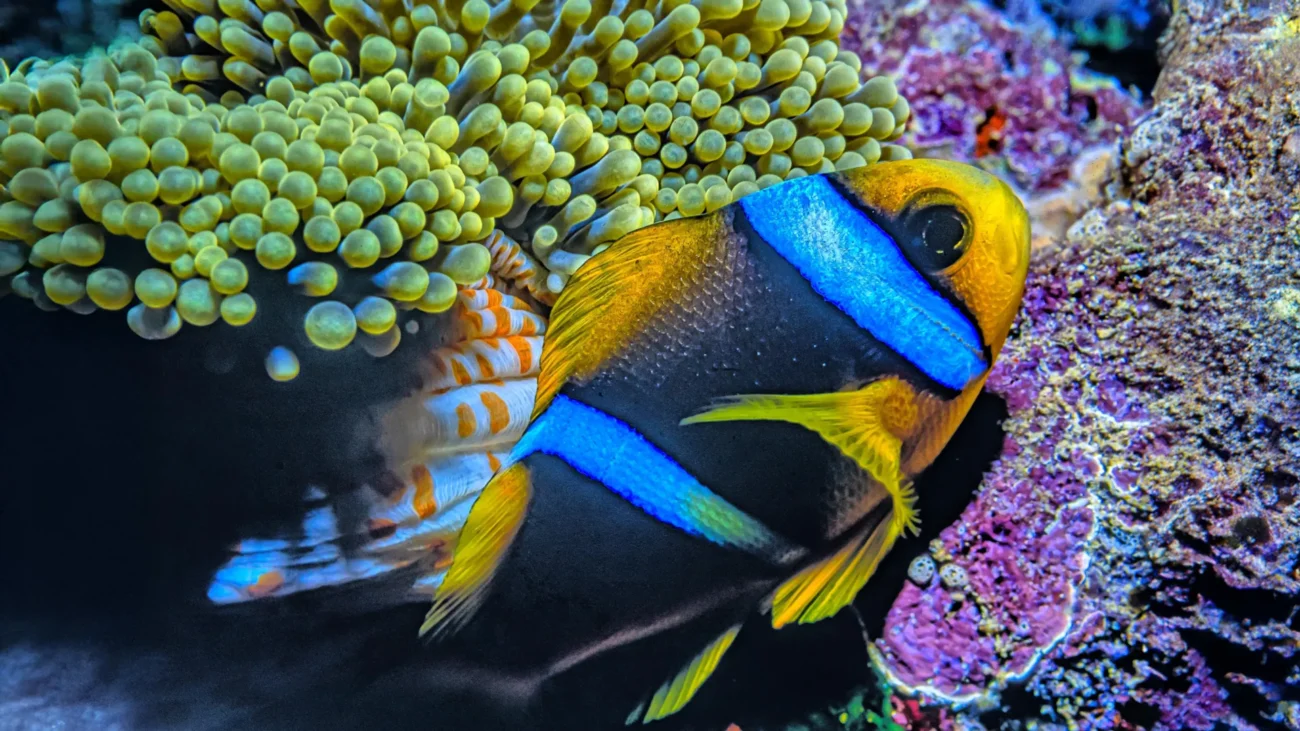
A groundbreaking scientific analysis has revealed that plastic pollution has infiltrated even the most remote Pacific coastal waters, with approximately one-third of fish inhabiting areas near Pacific Island Countries and Territories (PICTs) containing microplastics. The research, published on January 28, 2026, in the open-access journal PLOS One, highlights particularly alarming contamination levels in Fiji. The study, spearheaded by Jasha Dehm of the University of the South Pacific, provides crucial insights into the pervasive nature of microplastic contamination and its potential ramifications for island communities heavily reliant on marine resources.
A Growing Global Threat Reaches the Pacific’s Shores
Microplastics, defined as plastic particles less than five millimeters in size, have emerged as a significant global environmental concern. Their persistent nature means they do not biodegrade and can accumulate in ecosystems, leading to documented adverse effects on marine life. The potential risks to human health through the consumption of contaminated seafood are also a growing area of scientific investigation.
Despite the perceived geographical isolation of PICTs, researchers suggest these nations may face disproportionately high exposure to microplastics. This heightened vulnerability is attributed to a confluence of factors, including rapid urban growth, which often outpaces the development of adequate waste and water management infrastructure. In many coastal communities across the Pacific, fish constitute a vital staple for sustenance, a primary source of income, and hold deep cultural significance. Consequently, the long-term health implications of consuming seafood contaminated with microplastics are a pressing concern. Prior to this study, comprehensive research specifically addressing microplastics in fish commonly consumed within the PICTs had been notably limited, creating a critical knowledge gap.
Comprehensive Survey Reveals Widespread Contamination Across Key Island Nations
To address this crucial research deficit, scientists embarked on an extensive examination of data pertaining to 878 coastal fish specimens. These fish, representing 138 distinct species, were meticulously collected by fishing communities in the waters surrounding Fiji, Tonga, Tuvalu, and Vanuatu. The researchers leveraged publicly available data from the Global Biodiversity Information Facility (GBIF) to conduct their analysis. The findings revealed a sobering reality: across the surveyed populations, approximately one in every three fish harbored at least one microplastic particle. However, the prevalence and intensity of contamination varied significantly among the island nations.
Fiji emerged as a hotspot for microplastic contamination, with an astonishing nearly 75% of sampled fish found to contain these synthetic particles. This figure stands in stark contrast to the global average of 49% reported in similar studies, underscoring the severity of the situation in Fiji. While microplastics were frequently detected in Fijian fish, it is important to note that the actual quantity of plastic found within each individual fish was generally very low. Conversely, Vanuatu presented a more optimistic picture, with only about 5% of its sampled fish exhibiting evidence of microplastic contamination.
The study also identified specific species that consistently appeared in the catches from all four surveyed countries. Among these were the thumbprint emperor (Lethrinus harak) and the dash-and-dot goatfish (Parupeneus barberinus). Notably, both of these commercially important species displayed higher microplastic contamination levels in Fiji compared to their counterparts in Tonga, Tuvalu, and Vanuatu. This consistent pattern suggests that local environmental factors and management practices play a significant role in determining contamination rates.
Ecological Traits as Predictors of Microplastic Ingestion
Beyond simply quantifying the presence of microplastics, the research team delved into the ecological factors that might predispose certain fish species to ingest these pollutants. By analyzing data from a global database of fish species, they investigated how ecological traits such as diet, feeding behavior, and preferred habitat influenced contamination rates.
The analysis revealed a clear correlation between a fish’s lifestyle and its likelihood of ingesting microplastics. Species that inhabit coral reefs and those that forage along the seafloor were found to be more prone to microplastic contamination than fish dwelling in lagoons, coastal waters, or the open ocean. Furthermore, fish that primarily feed on invertebrates, engage in bottom-feeding, or employ ambush predation strategies to capture prey demonstrated higher rates of microplastic ingestion when compared to other fish. This suggests that the physical environment and foraging habits of fish are critical determinants of their exposure to microplastics.
Implications for Pacific Island Communities and Global Policy
The study’s findings serve as a potent reminder of the pervasive reach of microplastic pollution, demonstrating its infiltration into even the most remote marine ecosystems on the planet. The researchers posit that Fiji’s elevated contamination levels are likely attributable to a combination of factors, including its higher population density, extensive coastal development projects, and comparatively less effective waste management systems when juxtaposed with neighboring islands. The identification of ecological traits that predispose fish to higher exposure levels is of significant value to policymakers, enabling them to pinpoint vulnerable ecosystems and communities that require targeted interventions.
Jasha Dehm, the lead author of the study, emphasized the significance of these findings: "The consistent pattern of high contamination in reef-associated species across borders confirms ecological traits as key exposure predictors, while national disparities highlight the failure of current waste management systems, or lack thereof, to protect even remote island ecosystems." This statement underscores the dual challenge of understanding ecological vulnerabilities while simultaneously acknowledging systemic failures in waste management.
Dr. Amanda Ford, a contributing researcher, further elaborated on the implications for Pacific communities: "While microplastic levels in Pacific fish are generally lower than in many industrialized regions, Pacific communities rely far more heavily on fish as a primary protein source. Combined with major data gaps across the region, this makes locally generated evidence essential as Global Plastics Treaty negotiations advance and are translated into national policies." Her remarks highlight the critical need for region-specific data to inform international policy discussions and national implementation strategies.
A Stark Warning for Food Security and the Imperative for a Global Plastics Treaty
The study delivers a profound warning regarding the vulnerability of food systems in Pacific Island nations. Dr. Rufino Varea, another contributor, stated: "Beyond the ecological insights, this study delivers a stark warning about the vulnerability of our food systems: we found that the reef-associated and bottom-feeding fish most accessible to our subsistence fishers are acting as reservoirs for synthetic pollution, particularly in Fiji, where nearly three-quarters of sampled individuals contained microplastics. The dominance of fibers in these samples challenges the assumption that marine litter is solely a visible, coastal management issue; it indicates a pervasive infiltration of textile and gear-derived contaminants into the very diet of our communities."
Dr. Varea’s assertion is particularly concerning, as it points to the ubiquity of microplastic pollution originating from sources beyond visible plastic debris, such as synthetic textiles and fishing gear. The fact that these contaminants are entering the food chain of subsistence fishers, who are often the most reliant on local marine resources, presents a direct threat to their nutritional security and overall health.
The findings compel a re-evaluation of current approaches to plastic pollution. The researchers argue that the illusion of protection afforded by geographical remoteness is shattered, and that downstream solutions, such as recycling programs alone, are insufficient. Instead, the study strongly advocates for the establishment of a Global Plastics Treaty that imposes stringent limits on the production of primary plastics and the use of toxic additives. This, they contend, is the only viable pathway to safeguard the health and food security of Pacific peoples and, by extension, populations worldwide.
Chronology of Research and Potential Future Developments
The research leading to this publication likely involved several stages. Initial data collection may have occurred over a period of months or even years, with scientists collaborating with local fishing communities. The collation of data from the Global Biodiversity Information Facility would have followed, providing a broad ecological context. Laboratory analysis of fish samples to identify and quantify microplastics would have been a crucial step. Peer review and publication in PLOS One on January 28, 2026, signifies the culmination of this rigorous scientific process.
The findings of this study are likely to spur further research in several key areas. Scientists may expand their investigations to include a wider range of PICTs, as well as delve deeper into the specific types of microplastics and their associated chemicals found in fish. Understanding the long-term health impacts on both marine life and human consumers will undoubtedly become a priority. Furthermore, this research provides a strong impetus for governments and international bodies to accelerate the development and implementation of effective plastic pollution mitigation strategies, including robust waste management infrastructure and policies that address the entire lifecycle of plastic production and consumption. The call for strict caps on primary plastic production, as articulated by the researchers, signals a shift towards upstream solutions, recognizing that the scale of the problem necessitates a fundamental re-evaluation of our relationship with plastic.
The funding for this pivotal study was provided by the Asia Pacific Network for Global Change Research (Grant CRRP2022-05MY-Ford) as part of the project "Establishing Baselines for Marine Plastics and Bridging Indigenous Knowledge with Ocean Policy to Improve Livelihood Security in the Pacific." The funders played a supportive role in the project but were not involved in the study design, data collection, analysis, or the decision to publish. This collaborative approach, integrating scientific research with the goal of improving livelihood security, underscores the multifaceted nature of addressing global environmental challenges.

