


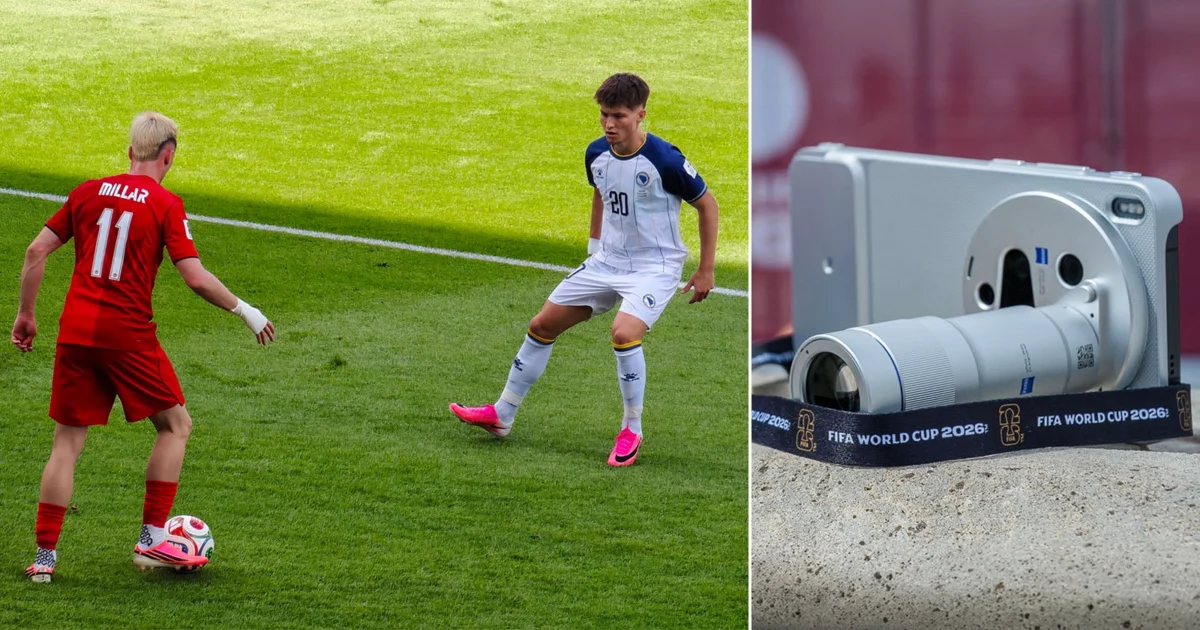
The 2026 FIFA World Cup, a quadrennial event widely regarded as the most significant sporting spectacle on the planet, has historically served as a battleground for professional photographers equipped with five-figure camera rigs and expansive telephoto lenses. However, as the tournament progresses through its expanded 48-team format across North America, a new technological frontier is emerging in the spectator stands. High-end smartphones, when paired with specialized teleconverter lenses and sophisticated computational photography software, are beginning to bridge the gap between amateur snapshots and professional-grade sports journalism. This evolution is creating a complex intersection between fan experience, stadium security protocols, and the strict intellectual property regulations enforced by FIFA.
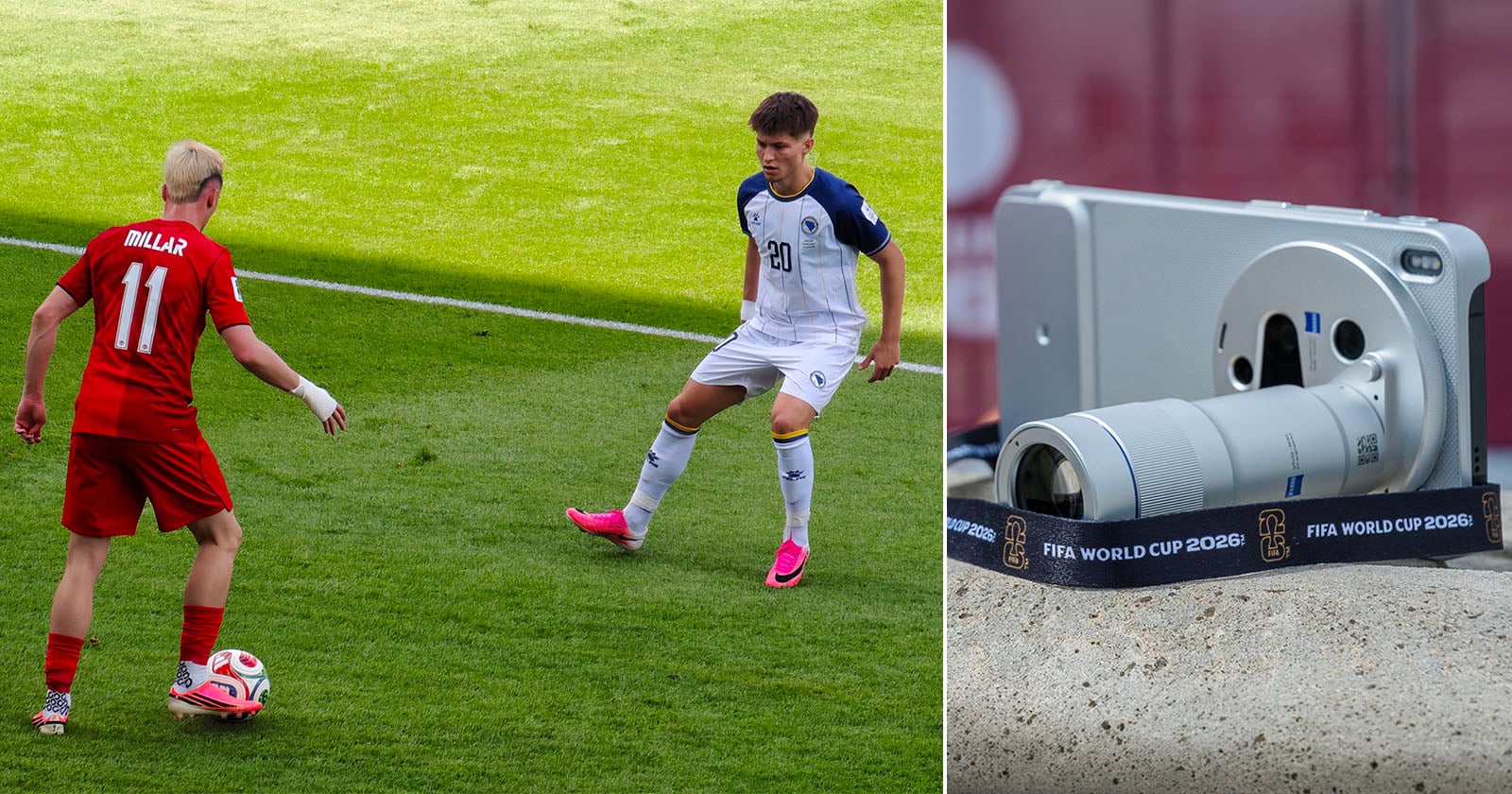
During the Group Stage match between Canada and Bosnia and Herzegovina, held at Toronto’s BMO Field on June 12, 2026, field tests demonstrated that a smartphone—specifically the Vivo X300 Ultra equipped with a 200mm Gen 2 teleconverter lens—could effectively capture high-velocity action that was previously the exclusive domain of accredited media. This development comes at a time when the distinction between "consumer" and "professional" hardware is increasingly blurred, posing significant challenges for stadium security personnel tasked with enforcing FIFA’s rigorous prohibited items list.
Navigating the FIFA Regulatory Landscape
FIFA’s Stadium Code of Conduct for the 2026 tournament remains one of the most restrictive in professional sports. The governing body makes an explicit distinction between equipment intended for personal use and that which is deemed "professional." Under current guidelines, spectators are strictly prohibited from bringing mirrorless or DSLR cameras with interchangeable lenses into the venue. The prohibition extends to "professional video cameras" and any "equipment capable of recording sound and video for commercial purposes."
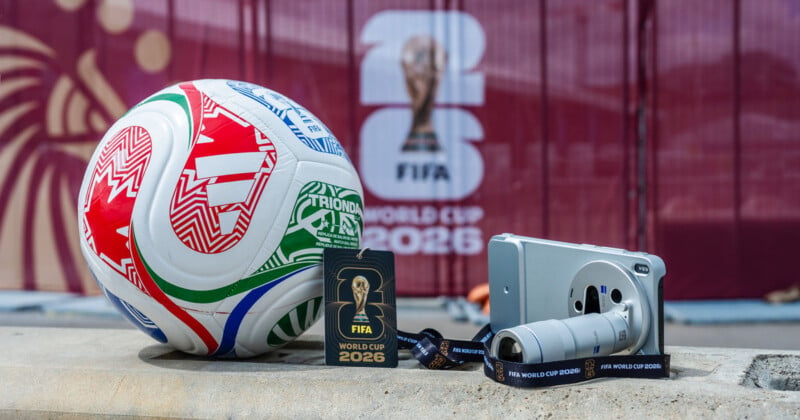
Furthermore, the regulations outlaw the use of stabilizing mounts, including tripods, monopods, and selfie sticks. Drones and other uncrewed aircraft are subject to a total ban, with violation often resulting in immediate expulsion and potential legal action. However, a notable "grey area" exists within the current policy. While large binoculars and optical magnifying equipment are generally restricted, an exception is carved out for photographic camera lenses intended for non-professional purposes.
This specific loophole has allowed for the rise of smartphone-based telephoto systems. Unlike traditional interchangeable lenses for full-frame cameras, smartphone teleconverters are compact and often integrated into the device’s chassis or attached via low-profile mounting systems. Because these attachments do not transform the phone into a DSLR in the eyes of security personnel, they often bypass the scrutiny applied to traditional camera gear. During the June 12 match in Toronto, security officials focused heavily on the enforcement of bag policies—specifically the "clear bag" rule and the 6.5-inch limit for non-transparent clutches—while largely overlooking advanced mobile lens attachments.
Technical Analysis: The Intersection of Optics and Software
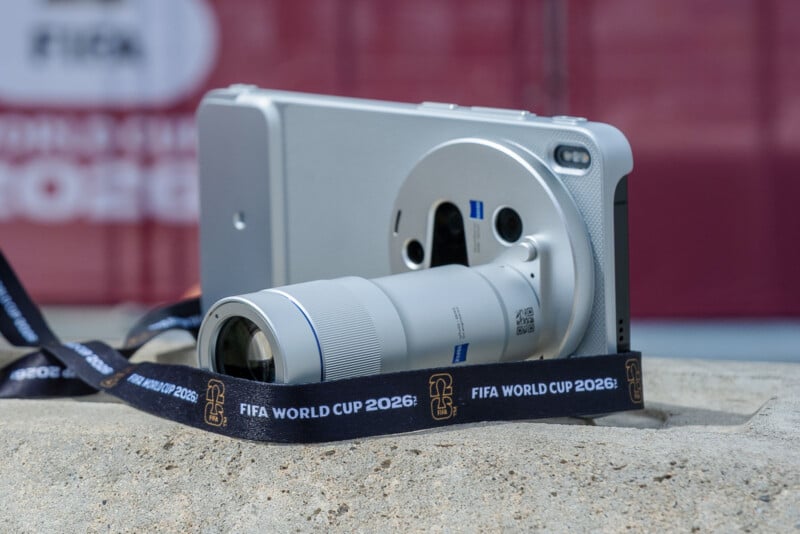
The success of mobile sports photography in a stadium environment relies less on raw optical power and more on the synergy between the lens and the device’s internal image signal processor (ISP). In the case of the Vivo X300 Ultra, the hardware utilizes a 200mm Gen 2 teleconverter. While a 400mm variant exists, the 200mm focal length has emerged as the "sweet spot" for spectators seated in the lower and mid-tier bowls of a stadium. This focal length provides enough reach to capture player expressions and ball movement without the physical bulk that might trigger a security intervention.
A critical component of this technological shift is the flexibility of the device’s software interface. Unlike some competitors that restrict manual controls when external lenses are detected, the Vivo system allows for the use of "Snapshot" and "Pro Photo" modes. In a fast-moving sport like soccer, where players can pivot and accelerate at high speeds, the ability to maintain a high shutter speed is paramount.

The technical data gathered during the Toronto match indicates that in bright, afternoon sunlight, the "Snapshot" mode utilizes AI-driven algorithms to prioritize motion freezing. By maintaining low ISO levels to reduce noise and high shutter speeds to eliminate motion blur, the sensor—though significantly smaller than those found in professional Sony or Canon bodies—can produce images sharp enough to capture "in-play" moments. These include one-on-one duels, defensive scrambles, and the peak of a goal-scoring strike.
Comparative Performance and Industry Standards
The current market for mobile telephoto capabilities is highly fragmented. While industry leaders like Apple and Samsung have focused on internal periscope zoom lenses, they often lack a dedicated "action" mode that matches the shutter response of specialized Chinese-market flagships. For instance, Google’s Pixel series relies heavily on "Top Shot" and other post-processing features that, while effective for portraits, often fail to deliver the precision required for professional-style sports captures from a distance.
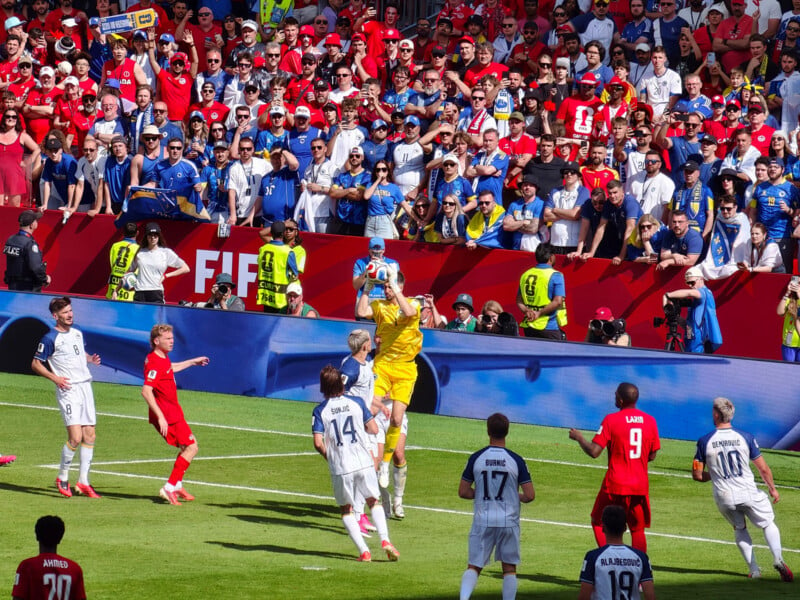
The test conducted at BMO Field highlighted a significant disparity in software philosophy. Some manufacturers, such as Oppo, have been criticized for locking out key manual settings when teleconverters are attached, effectively neutralizing the hardware’s advantage. In contrast, the openness of the Vivo X300 Ultra’s "Pro Photo" mode allows the user to manually adjust shutter lag and ISO, providing a level of control that mimics a traditional camera experience. However, even with these advancements, mobile sensors still struggle with "SuperRAW" modes in sports settings, as the process of bracketing multiple 16-bit images is too slow to account for the frantic pace of a World Cup match.
Chronology of the Fan Experience at BMO Field
The logistical reality of using this technology begins hours before kickoff. On June 12, as thousands of fans converged on Toronto’s Liberty Village and Exhibition Place, the primary concern was not the camera gear but the stringent entry protocols.
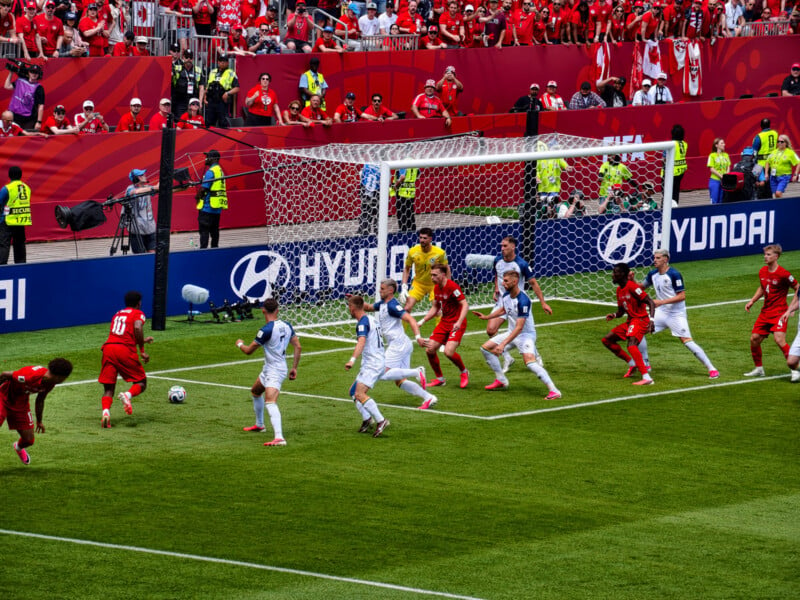
- 13:00 EDT: Security gates open. Fans are subjected to metal detectors and bag inspections. Standard items, such as large tubes of sunscreen, are confiscated under "flammable substance" or "projectile" clauses.
- 14:30 EDT: Pre-match warmups begin. This period serves as the primary testing window for mobile photographers to calibrate their settings based on the sun’s position and the stadium’s shadows.
- 15:00 EDT: Kickoff. The Canada vs. Bosnia and Herzegovina match commences.
- 15:24 EDT: A goal is scored. The rapid-fire "Snapshot" mode on the mobile device successfully captures the ball crossing the line, a feat previously difficult for handheld smartphones due to shutter lag.
- 16:45 EDT: Match concludes. The lack of a physical grip or rig ensured that the spectator remained inconspicuous to stadium staff throughout the 90 minutes of play.
Broader Implications for Sports Media and IP Rights
The rise of high-quality fan-generated content presents a multifaceted challenge for FIFA and its commercial partners. The 2026 World Cup is expected to generate record-breaking revenue through broadcasting rights and official photography licenses. When fans can produce and distribute near-professional quality images via social media platforms in real-time, the exclusivity of those rights is technically diluted.
FIFA’s current policy explicitly states that fan-captured content is for "personal, non-commercial use." However, in the era of the "creator economy," the line between a personal social media post and commercial content is increasingly thin. If a fan’s mobile-shot photo of a winning goal goes viral and is used by news outlets or brands, it creates a legal quagmire regarding copyright and stadium access agreements.
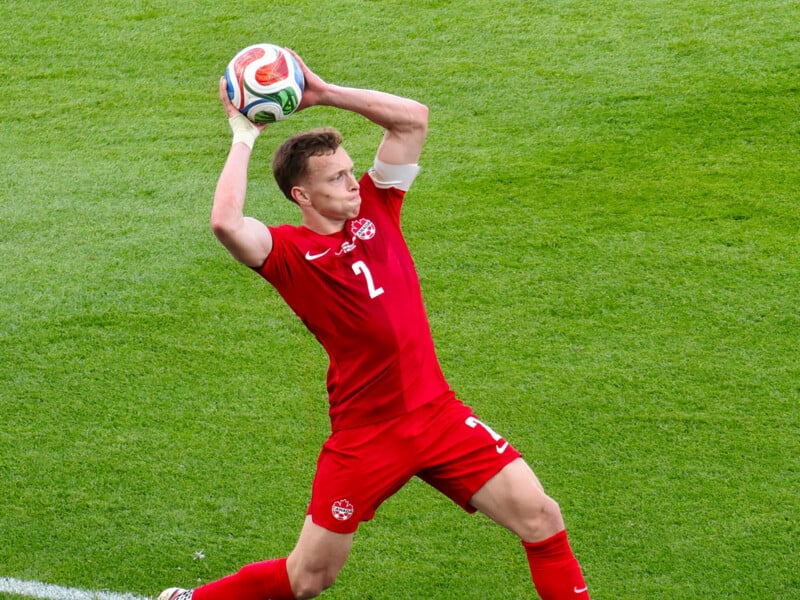
Security experts suggest that as mobile lens technology continues to advance, stadiums may eventually be forced to implement "focal length equivalents" or "physical dimension limits" for smartphone attachments, similar to the rules currently governing traditional cameras. For now, however, the 2026 World Cup represents a period of unprecedented access for the tech-savvy spectator.
Conclusion: The Future of the Spectator Lens
The experience at the Canada-Bosnia match confirms that the barrier to entry for sports photography is no longer purely financial or credential-based. While mobile teleconverters and computational software cannot yet match the optical depth and low-light performance of a $12,000 prime lens used by a sideline professional, they have reached a threshold of "sufficient quality" for the vast majority of media applications.
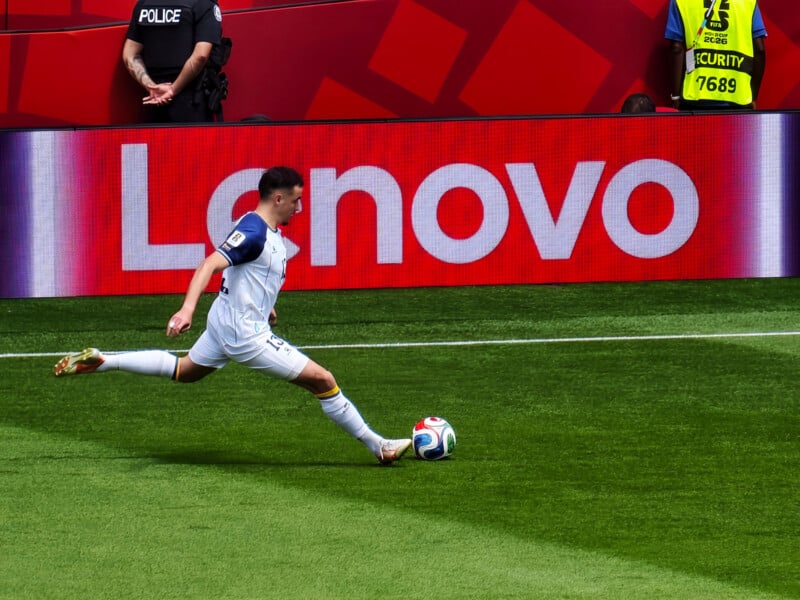
By opting for smaller, less conspicuous attachments and leveraging flexible software, fans are now able to preserve once-in-a-lifetime experiences with a level of detail that was unimaginable during the previous North American World Cup in 1994. As the tournament moves toward its final stages in the United States, the proliferation of these high-end mobile kits is likely to increase, further challenging the traditional hierarchies of sports media and stadium regulation.

