


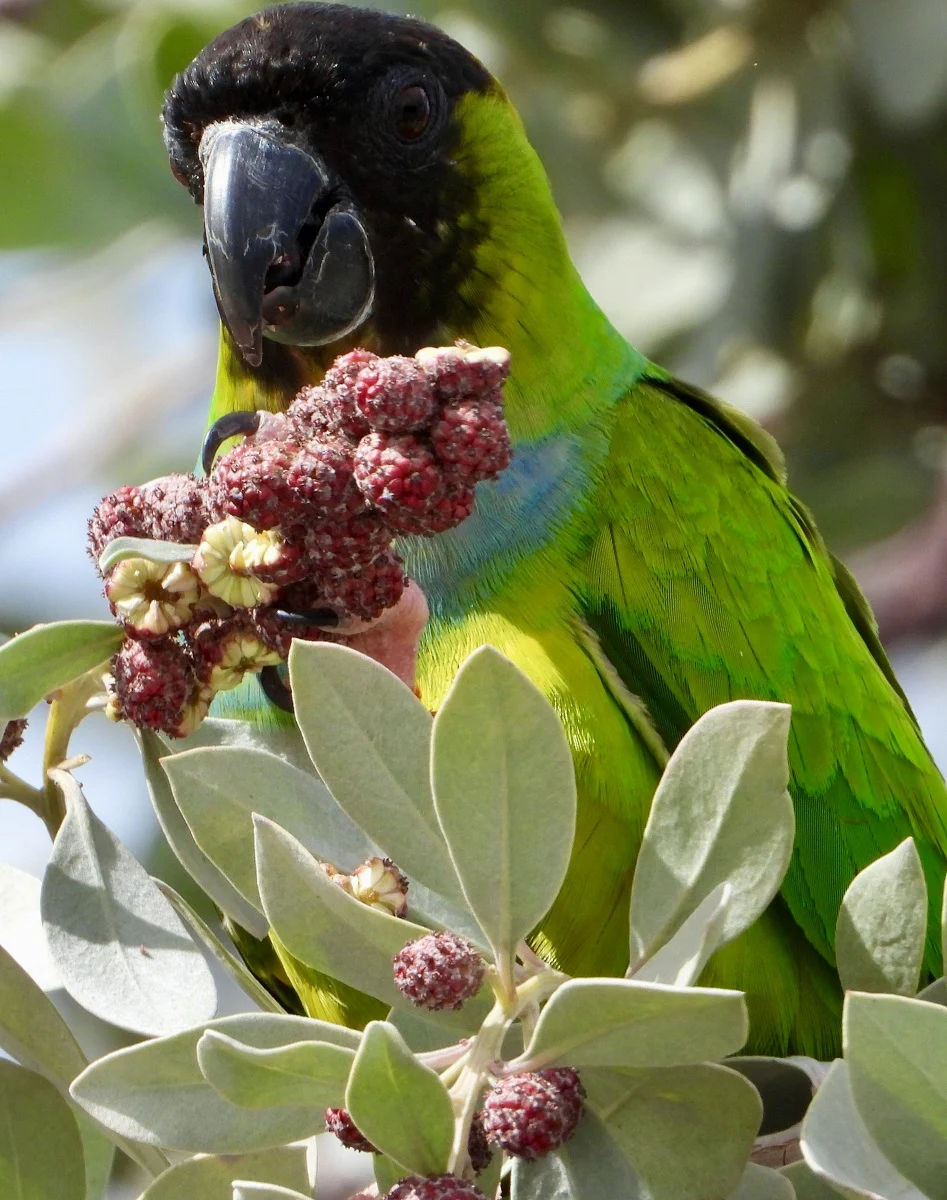
Considering the addition of a Nanday Conure to a household is a significant decision, given their distinct blend of captivating personality and unparalleled vocalizations. These friendly and playful South American parrots, also known as Black-hooded Conures, present a unique pet ownership experience, primarily suited for individuals or families with a robust tolerance for high noise levels. Their striking appearance, intelligent nature, and lengthy lifespan demand a thorough understanding of their needs before integration into a domestic environment. This article provides an in-depth examination of the Nanday Conure, encompassing its scientific classification, natural history, dietary requirements, housing needs, behavioral characteristics, and the critical considerations for prospective owners.
Scientific Classification and Discovery
The Nanday Conure holds a fascinating position within avian taxonomy. Scientifically known as Aratinga nenday, its classification has seen revisions. Historically, it was placed in its own monotypic genus, Nandayus nenday. However, a pivotal study published in 2004, utilizing molecular phylogenetic analysis, concluded that Nandayus nenday did not warrant a separate genus. This research, detailed in Molecular Phylogenetics and Evolution by Ribas and Miyaki, demonstrated that the Nanday Conure is genetically nested within the Aratinga genus, aligning it with closely related species such as the Sun Conure (Aratinga solstitialis) and Jenday Conure (Aratinga jandaya). This reclassification reflects a deeper understanding of evolutionary relationships among New World parrots and underscores the dynamic nature of scientific inquiry. The common name, "Nanday," is derived from the Guaraní word "ñandai," which refers to a type of palm tree, a crucial element of their natural habitat.
Physical Characteristics: A Vibrant Spectacle
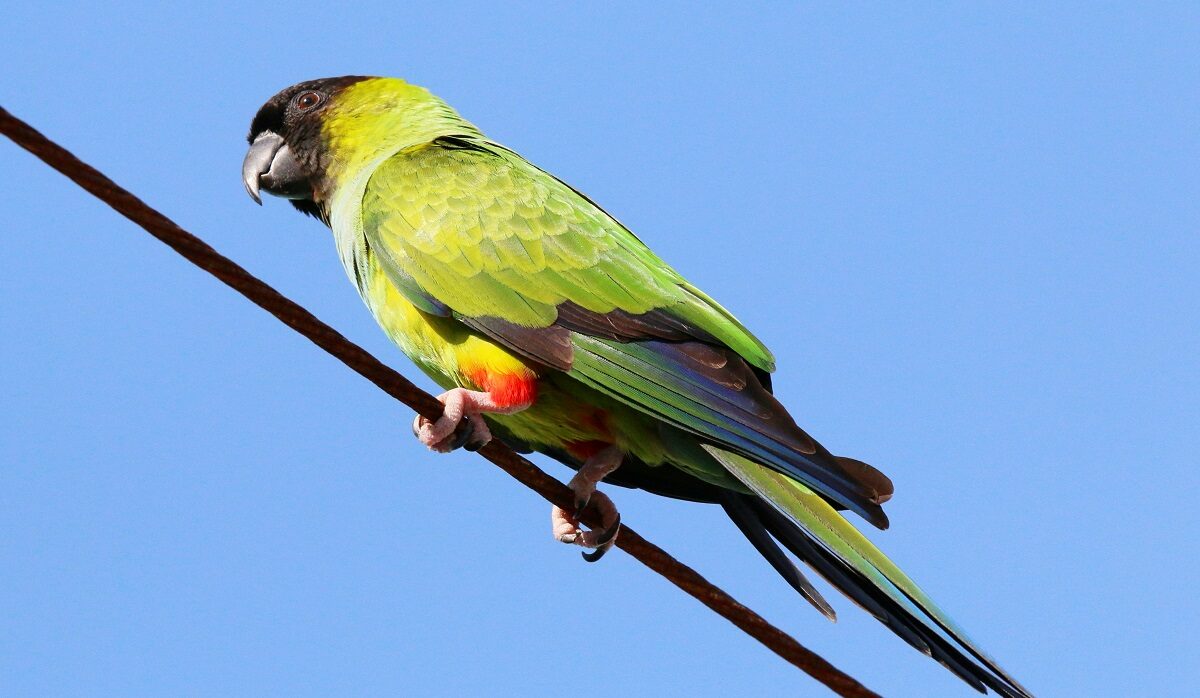
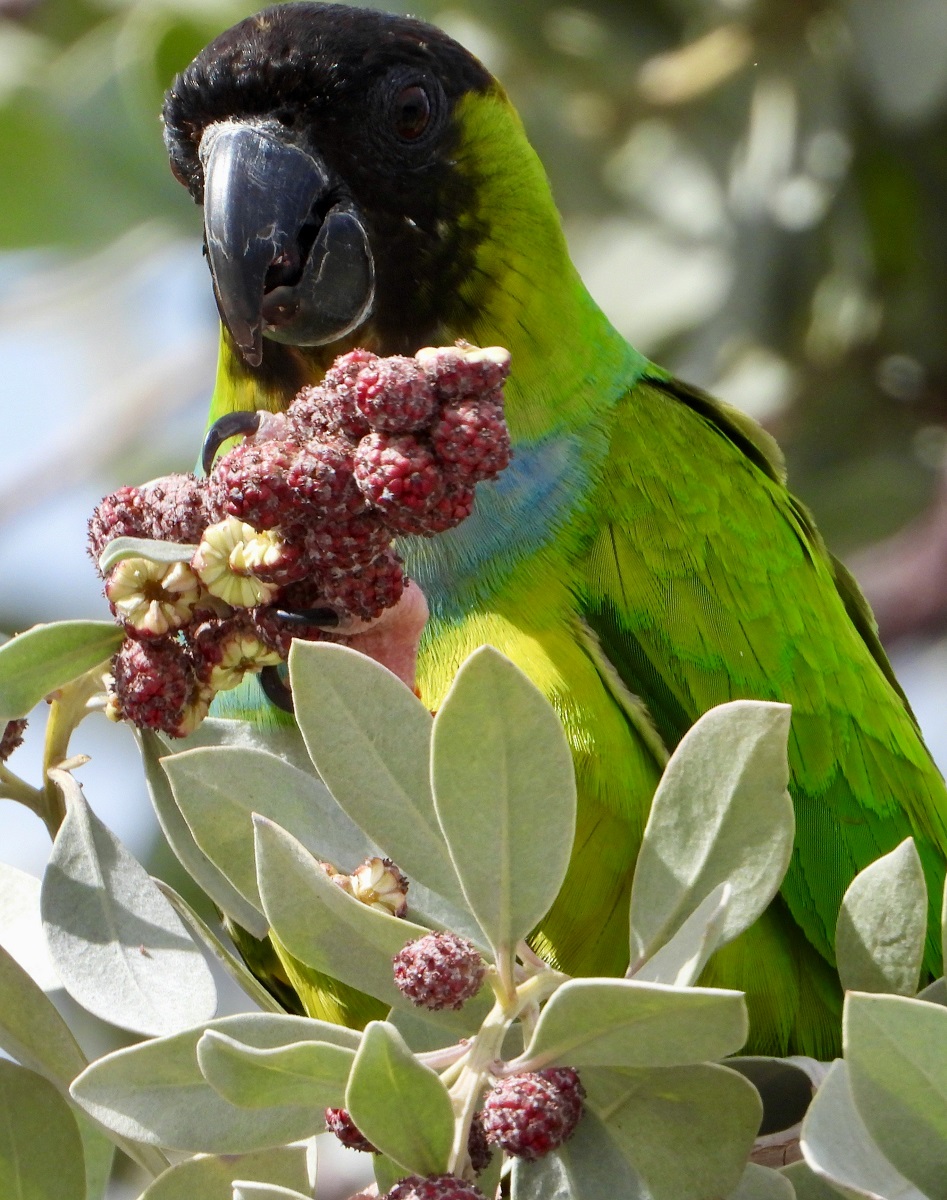
The Nanday Conure is immediately recognizable by its distinctive appearance, earning it the alternative common name "Black-hooded Conure." This appellation refers to the prominent, glossy black head that sharply contrasts with its otherwise brilliant green plumage. The black hood is often framed by a subtle band of brownish feathers around the nape. These parrots are considered small to medium-sized within the parrot family, typically reaching lengths of up to 12 inches (approximately 30 centimeters) from beak to tail tip and weighing around 140 grams. Beyond the striking black hood, their physical attributes include a robust black beak, encircled by distinct white eye rings that accentuate their dark eyes. The chest feathers transition from blue-green to a brighter green on the back and wings, while their thighs display a vivid splash of red, adding another layer of color to their vibrant palette. The tail feathers are long and tapered, characteristic of conures, with a bluish tint visible on the underside. Juvenile Nanday Conures generally exhibit a slightly duller coloration, with the black hood potentially appearing more grayish, which intensifies as they mature. This striking combination of colors makes them visually appealing, contributing to their popularity as companion birds.
Natural Habitat and Geographical Distribution
The natural range of the Nanday Conure spans a narrow, central band across South America. Their distribution extends through central Paraguay, southern Brazil, eastern Bolivia, and into northern Argentina. Within these regions, they inhabit open lowlands, typically found at elevations up to approximately 2,600 feet (800 meters). Their preferred habitats are often characterized by former forests that have been converted into cattle pastures, indicating a degree of adaptability to human-altered landscapes. These areas are frequently dotted with various palm species, such as Copernicia, which are critically important for nesting and foraging. The environment can range from swampy wetlands to relatively dry savannas, showcasing their versatility in adapting to different ecological niches.
The International Union for Conservation of Nature (IUCN) Red List currently classifies Aratinga nenday as a species of "Least Concern." This favorable status is largely attributed to its extensive range and a population trend that appears to be increasing. Ironically, this population growth is often linked to habitat changes resulting from human activities, such as deforestation for agriculture and ranching, which create the open, palm-dotted landscapes these conures favor. While this trend might seem positive for the species’ wild numbers, it also highlights the complex interplay between human development and wildlife ecology, sometimes creating conditions that benefit adaptable species at the expense of others.
The Global Traveler: Nanday Conures as Invasive Species
Despite their "Least Concern" status in their native range, Nanday Conures have established themselves as invasive species in several non-native regions globally. This phenomenon is primarily driven by escaped or intentionally released pet birds, which, thanks to their adaptability and robust nature, manage to survive and reproduce in new environments. Significant feral populations thrive in various locations, including parts of Spain, California, and Florida. In the United States, a 2019 study on naturalized parrots in the Journal of Ornithology by Uehling, Tallant, and Pruett-Jones identified the Nanday Conure as among the top three most successful invasive parrot species.
The implications of these invasive populations are multifaceted and can be detrimental to local ecosystems. Feral Nanday Conures can compete with native bird species for vital resources such as food and nesting sites, potentially displacing them. They may also contribute to crop damage, particularly in agricultural areas, leading to economic losses for farmers. Furthermore, there is a risk of transmitting diseases to native wildlife populations. The establishment of these non-native flocks underscores the critical importance of responsible pet ownership, including secure housing and preventing the escape or release of exotic animals, to mitigate the ecological and economic impacts of invasive species. Management efforts in affected areas often involve monitoring populations and, in some cases, implementing control measures to protect native biodiversity.
Dietary Habits: From Wild Forager to Captive Care
In their natural South American habitats, Nanday Conures exhibit a diverse and opportunistic diet. Their primary food sources include wild fruits, with a particular fondness for those produced by Copernicia palm trees. They also consume a variety of seeds, berries, flowers, and flower buds, reflecting a varied foraging strategy. A 2002 study published in the Brazilian Journal of Biology by Ragusa-Netto highlighted the Nanday Conure’s ecological role as a pollinator for the Erythrina dominguezii tree, demonstrating their contribution to the reproductive success of native flora by drinking nectar and inadvertently spreading pollen. Like many other South American parrot species, Nanday Conures are known to visit natural clay licks, where they consume soil. This behavior is believed to serve several critical functions: providing essential micronutrients that may be lacking in their regular diet and neutralizing naturally occurring toxins present in some of the plants they consume. This geophagy is a testament to their complex nutritional strategies in the wild.
For Nanday Conures in captivity, a carefully formulated diet is paramount for their long-term health and well-being. Avian veterinarians, including specialists, universally recommend a high-quality, commercially prepared pellet food as the cornerstone of their diet. This recommendation stems from the understanding that pellets are nutritionally complete and balanced, providing all the necessary vitamins, minerals, and macronutrients in appropriate ratios. Historically, seed-based diets were common, but extensive research has shown that such diets are often deficient in key nutrients and excessively high in fat, leading to malnutrition, obesity, and a host of associated health problems.
To complement the pellet base, a wide array of fresh fruits and vegetables should be offered daily. Parrot-safe options include leafy greens (kale, spinach, romaine), bell peppers, broccoli, carrots, apples, grapes, berries, and melon. These fresh produce items provide additional vitamins, antioxidants, and fiber. In moderation, sprouted seeds, cooked whole grains like brown rice and pasta, and occasional protein sources such as small pieces of boiled egg can be included to add variety and supplemental nutrients. Owners are advised to research safe and unsafe foods thoroughly to prevent accidental poisoning. A well-balanced and varied diet is a cornerstone of preventative health for these long-lived birds, directly influencing their energy levels, feather quality, and overall vitality.
Providing a Thriving Environment: Housing and Safety
Adequate housing is a critical component of Nanday Conure care, directly impacting their physical and psychological health. For optimal well-being, especially if the bird will not have extensive daily free-flight time, a full-sized aviary with a length of at least 10 feet (3 meters) is highly recommended. This allows for sustained flight and greater natural movement. If an aviary is not feasible, a spacious cage is imperative. The minimum cage dimensions should be approximately 30 x 24 x 24 inches (75 x 60 x 60 cm), though larger is always preferable. Crucially, cage length and width are often more important than height, as parrots tend to fly horizontally. The bird must be able to fully stretch its wings without touching the cage sides. Bar spacing should be appropriate for conures, typically around 3/4 to 1 inch, to prevent escapes or injuries.
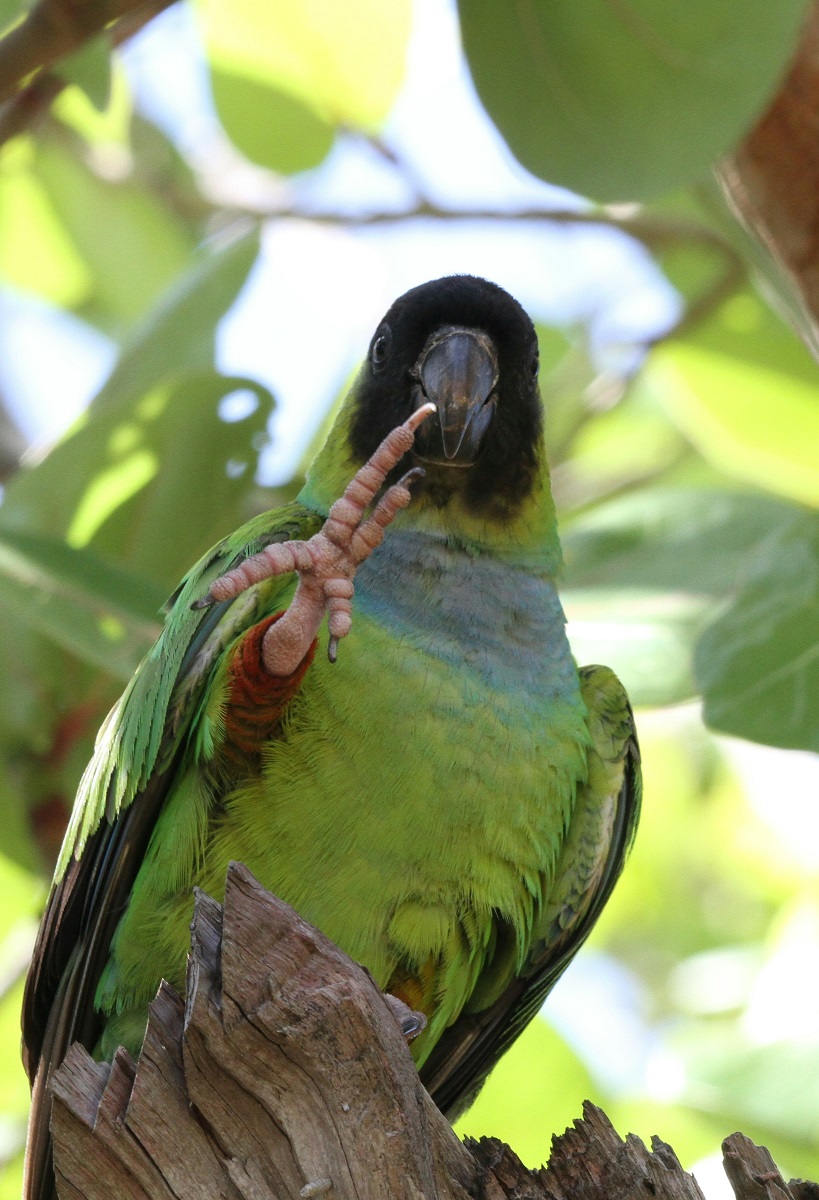
The cage environment should be outfitted with a variety of natural wood perches of different diameters and textures to promote foot health and prevent pressure sores. Platforms can also provide resting spots. An abundance of stimulating toys designed for conures is essential to prevent boredom and encourage natural behaviors like chewing and foraging. Toys should be rotated regularly to maintain interest. At least one food bowl for pellets, another for fresh produce, and a constant supply of clean, fresh water in a sturdy bowl or dispenser are necessary.
Beyond the cage, ensuring a safe living environment is paramount. Parrots, including Nanday Conures, possess highly sensitive respiratory systems, making them vulnerable to airborne toxins. Owners must diligently avoid smoking, using aerosol sprays, burning scented candles, and cooking with nonstick cookware (which can release toxic fumes when overheated) in the vicinity of their bird. Other household hazards include open toilets, unsecured windows/doors, ceiling fans, toxic plants, and easily accessible electrical cords. Proactive parrot-proofing of the living space is a continuous responsibility to prevent accidents and ensure the bird’s safety.
Enrichment and Mental Stimulation: Nurturing an Intelligent Mind
Nanday Conures are highly intelligent and inquisitive creatures, making mental and physical enrichment a non-negotiable aspect of their care. A lack of stimulation can lead to significant behavioral issues, including obesity, aggression, destructive behaviors, and even psychological distress manifested as feather picking or self-mutilation.
Foremost among enrichment strategies is addressing their profound social needs. Nanday Conures are intensely social and thrive on interaction and attention. If left alone for extended periods, especially during typical human work hours (e.g., a 9-to-5 job), they can suffer from loneliness and stress. Providing a second Nanday Conure for companionship can significantly alleviate this, offering constant social interaction that a human owner cannot always provide. However, even with a companion bird, daily direct interaction with their human family is vital.
Specific enrichment activities to keep a Nanday Conure engaged include:
- Foraging Toys: These toys require the bird to "work" for its food, mimicking natural foraging behaviors and providing mental challenges.
- Shreddable Toys: Parrots have a natural instinct to chew and destroy. Providing toys made from paper, cardboard, or natural fibers allows them to satisfy this urge constructively.
- Puzzle Toys: Toys that require problem-solving to access treats or other rewards are excellent for mental stimulation.
- Climbing Opportunities: Ladders, ropes, and natural branches encourage physical activity and exploration within and outside the cage.
- Training: Positive reinforcement training, including teaching tricks, target training, or simple commands, provides mental engagement and strengthens the bond between bird and owner.
- Bathing Opportunities: A shallow dish of water or a light misting can encourage preening and feather health.
- Out-of-Cage Time: Daily supervised time outside the cage in a parrot-proofed area is crucial for exercise, exploration, and social interaction.
- Music and Auditory Stimulation: Playing various types of music or providing audio enrichment can keep them entertained.
Given their innate curiosity and physical fragility, bird owners must also be prepared for potential emergencies. Understanding basic parrot emergency care, such as how to stop bleeding from a broken blood feather or recognizing signs of illness, is a crucial part of responsible ownership. Regular veterinary check-ups are also vital for early detection and prevention of health issues.
Temperament and Social Dynamics: A Friendly, Demanding Companion
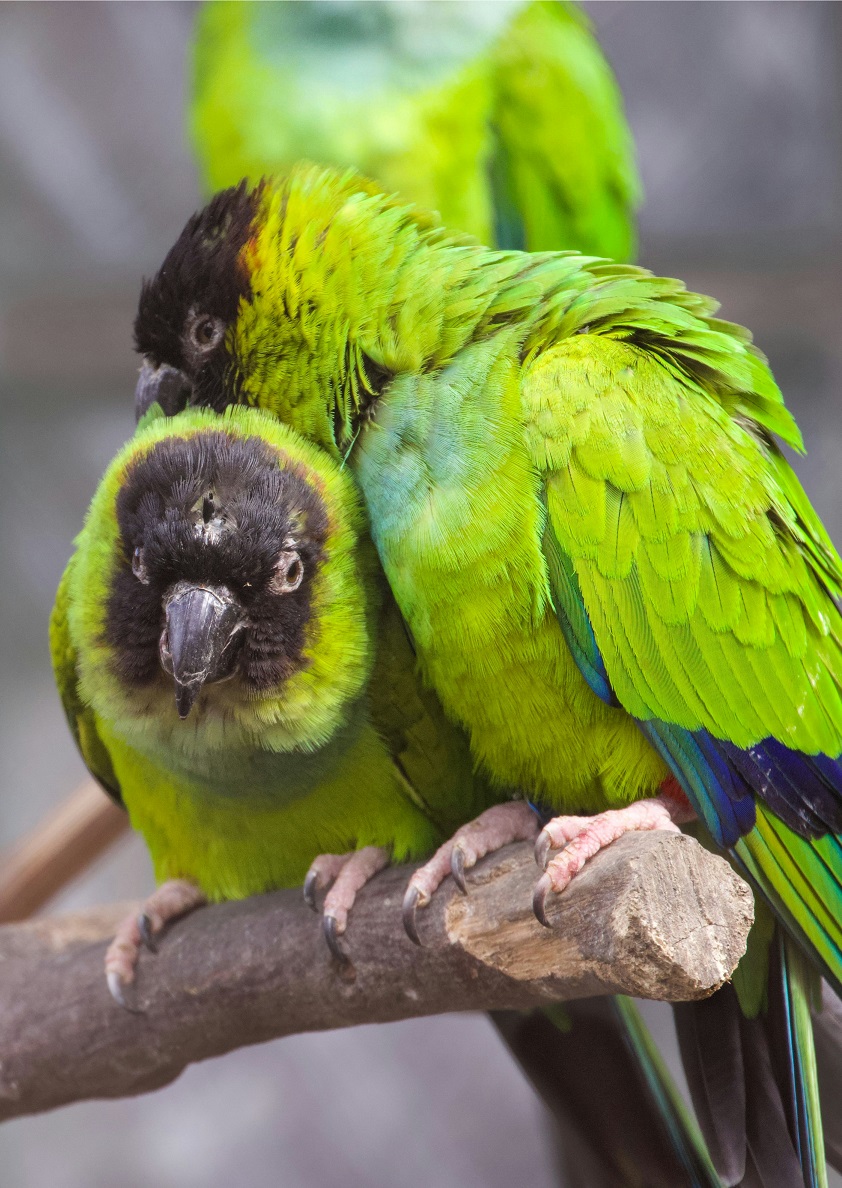
Nanday Conures, like other Aratinga conures, are widely appreciated by parrot enthusiasts for their generally friendly and outgoing dispositions. Unlike some other conure genera, such as Pyrrhura (e.g., Green-cheeked Conures), well-socialized Nandays are less prone to nipping or aggressive behaviors. While individual personalities vary, most Nanday Conures are known for being accepting of new people and tend to integrate well with various family members.
Their highly social nature means they thrive on interaction and can be incredibly affectionate. However, this sociability also has a demanding side. Nanday Conures can become overly needy, often expressing their desire for attention through loud vocalizations if their owner leaves the room. They may also exhibit jealousy towards "competitors" for their human’s affection, whether it be other pets or even other family members.
An ideal day for a Nanday Conure would likely involve a balanced mix of activities: engaging with noise-making toys, participating in talking training sessions with their human companions, receiving ample head scratches and physical affection, and perhaps enjoying a peaceful nap perched on their owner’s shoulder. Building a strong bond with a Nanday requires consistent positive reinforcement, clear boundaries, and a significant time commitment to meet their emotional needs. Early socialization and consistent handling from a young age are key to fostering a well-adjusted and amiable pet.
The Decibel Dilemma: Understanding the Nanday’s Vocalizations
Perhaps the most critical factor for any prospective Nanday Conure owner to consider is their extraordinary noise level. These birds are not merely "loud" by typical pet standards; they are exceptionally so, even among parrots. Conures of the Aratinga genus are renowned for being the loudest of their kind, and Nandays stand out as a prime example.
To put their vocalizations into perspective, as noted in Good Parrotkeeping by Robin Deutsch (2009), while a Macaw can scream at around 105 decibels and a Moluccan Cockatoo at 135 decibels, the relatively smaller Nanday Conure has been recorded reaching astounding peaks as high as 155 decibels. To provide context, 120 dB is equivalent to a jet engine at takeoff, and sustained exposure to sounds above 85 dB can cause hearing damage. A 155 dB scream is not just loud; it can be physically painful and potentially injurious to human eardrums.
This extreme noise level makes it absolutely imperative for potential owners to thoroughly assess their tolerance and living situation before acquiring a Nanday Conure. Individuals residing in apartments or close-quarter housing, or those with sensitive neighbors, may find ownership untenable. It is highly recommended to listen to recordings of Nanday Conure vocalizations (e.g., on platforms like xeno-canto) and, if possible, visit an existing owner or a reputable breeder to experience their sounds firsthand.
Nanday Conures, like most parrots, tend to be particularly vocal around dawn and dusk, coinciding with their natural flock calls in the wild. They also become noisier when excited, alarmed, or seeking attention. Aside from their piercing flock calls, their repertoire includes whistles, chirps, and the potential to mimic common household noises. This consistent and intense vocalization is a fundamental aspect of their nature and not something that can be easily trained away. Prospective owners must be prepared for this reality as a core part of their daily life with a Nanday.
Communication Skills: Beyond the Roar
While the Nanday Conure is infamous for its loud vocalizations, it also possesses a capacity for mimicry and speech, though not to the extent of highly renowned talkers like the African Grey Parrot. Nandays are known to pick up a considerable amount of what they hear in their environment. Owners should not expect complete sentences or extensive vocabularies, but many Nandays will produce recognizable "baby babble" or imitate short words and phrases during playful moments.
Encouraging speech in a Nanday Conure involves consistent repetition of simple tunes, the bird’s name, or short, distinct phrases. Patience and positive reinforcement are key. Not all individuals will develop a strong inclination for imitation, but many will surprise their owners with their ability to replicate sounds. This aspect of their communication, while less prominent than their natural calls, adds another layer to their engaging personalities and the bond they can form with their human companions.
Long-Term Commitment: Health and Responsible Ownership
The decision to welcome a Nanday Conure into a family represents a significant, long-term commitment. With proper care, these parrots can live for up to 30 years, mirroring the lifespan of a human companion animal like a dog or cat. This extensive lifespan means an owner must be prepared for decades of dedicated care, including providing a stimulating environment, a balanced diet, and regular veterinary attention.
Responsible ownership also entails understanding the ethical implications of keeping such an intelligent and social creature. The demanding nature of their social needs, combined with their vocalizations, requires a lifestyle that can accommodate these factors. Prospective owners should consider whether they can truly provide the necessary attention, space, and tolerance for noise for the bird’s entire life. Exploring options like parrot rescue organizations can provide valuable insights into the challenges and rewards of living with these remarkable birds, and sometimes offer an opportunity to adopt an adult bird in need of a loving home. Ultimately, the Nanday Conure offers a deeply rewarding experience for those who are fully prepared to meet its unique requirements, providing a vibrant, affectionate, and endlessly entertaining companion for many years.
Sources & Further Reading
Deutsch, R. (2010). Good parrotkeeping: A comprehensive guide to all things parrot. T.F.H.
Parr, M., & Juniper, T. (2010). Parrots: a guide to parrots of the world. Bloomsbury Publishing.
Ragusa-Netto, J. (2002). Exploitation of Erythrina dominguezii Hassl.(Fabaceae) nectar by perching birds in a dry forest in western Brazil. Brazilian Journal of Biology, 62, 877-883.
Ribas, C. C., & Miyaki, C. Y. (2004). Molecular systematics in Aratinga parakeets: species limits and historical biogeography in the ‘solstitialis’ group, and the systematic position of Nandayus nenday. Molecular Phylogenetics and Evolution, 30(3), 663-675.
Uehling, J. J., Tallant, J., & Pruett-Jones, S. (2019). Status of naturalized parrots in the United States. Journal of Ornithology, 160, 907-921.

