


The journey of pet ownership, particularly with often-misunderstood creatures like rats, is paved with learning experiences. For many new custodians, the initial enthusiasm for these intelligent and social rodents can be tempered by the realization that fundamental aspects of their care may have been overlooked or misconstrued. This article delves into ten prevalent mistakes made by rat owners, offering evidence-based guidance and expert insights to foster a healthier and more enriching life for these fascinating companions. Drawing from decades of collective experience and veterinary consultation, this comprehensive overview aims to equip owners with the knowledge to circumvent common errors and elevate their rat care practices.
The Evolution of Rat Care Knowledge
The landscape of pet care information has transformed dramatically over the past few decades. In the 1990s, when many of today’s experienced rat owners began their journeys, resources were scarce and often inaccurate. Information was primarily disseminated through word-of-mouth, limited print media, and sometimes misleading advice from pet store employees. This era saw common but detrimental practices, such as housing rats in inadequate cages and using toxic bedding materials. The subsequent explosion of the internet, while democratizing information access, also created a breeding ground for misinformation, making it crucial for owners to critically evaluate their sources.
The author’s personal journey, marked by a perfectionist drive to provide the best for their rats, illustrates this evolution. Early mistakes, including keeping rats singly, utilizing insufficient cage sizes, and employing harmful bedding like pine and cedar shavings, were born from a lack of accessible, accurate information. These experiences underscore the importance of continuous education and the need to discern reliable sources from outdated or incorrect advice. The following points highlight ten such common oversights and provide actionable alternatives for conscientious rat owners.
1. The Peril of Misinformation: Relying on Untrustworthy Resources
In the digital age, the sheer volume of information available online can be both a blessing and a curse. Many websites, blogs, and social media influencers may unknowingly propagate outdated or incorrect advice regarding rat care. This can stem from a lack of thorough research, a reliance on anecdotal evidence, or simply repeating information that has been circulating for years without verification.

Criteria for Reliable Information:
- Source Longevity and Experience: Look for individuals or organizations that have a long-standing history of responsible rat ownership and care. This includes understanding how they manage their own rats’ health and well-being.
- Veterinary Consultation: Reputable sources will often cite veterinary professionals or provide information that aligns with current veterinary recommendations for exotic pets. The Rat Guide (ratguide.com) is frequently cited as a valuable resource for health-related information, often backed by veterinary expertise.
- Continuous Learning: A willingness to learn from others, adapt to new findings, and engage in ongoing research is a hallmark of a reliable source.
- Evidence-Based Content: Information should be supported by scientific data, peer-reviewed studies, or the consensus of experienced professionals, rather than solely personal opinions or trends.
- AI Caution: While AI tools can be helpful for generating text, they are not a substitute for expert knowledge in specialized fields like veterinary care. AI can misinterpret nuances or pull from incorrect data, making it difficult to verify accuracy without prior expertise.
For instance, the author highlights their own extensive experience, spanning over 30 years with rats and more than 20 years dedicated to researching and writing about them, coupled with consultations with veterinarians and rescue professionals. This depth of experience and cross-referencing with professional opinions provides a robust foundation for their recommendations.
2. Inadequate Housing and Supplies: The Foundation of a Rat’s Life
The physical environment provided for pet rats is paramount to their health, safety, and overall well-being. Many common mistakes revolve around the choice of cage, its accessories, and the bedding material used.
Cage Considerations:
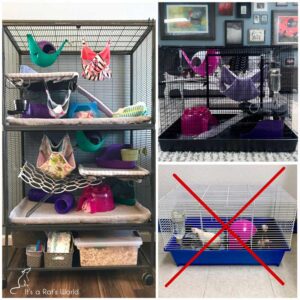
- Size and Ventilation: A cage must be sufficiently large to accommodate the number of rats housed, allowing for ample space for movement, play, and exploration. Good ventilation is crucial to prevent the buildup of ammonia from urine, which can severely irritate a rat’s sensitive respiratory system. A general guideline suggests a minimum of 2 cubic feet of space per rat, though larger is always better. Online cage calculators, such as those provided by the Midlands Rat Club, can assist owners in determining appropriate cage dimensions.
- Multi-Level Design: Rats are natural climbers and enjoy exploring vertical spaces. Multi-level cages offer enrichment and maximize usable space.
- Bar Spacing and Security: Wire bar spacing should be narrow enough to prevent escape, typically no more than half an inch for adult rats, and even smaller for young rats. Secure latches are essential to prevent accidental escapes.
- Flooring: Wire floors are a significant concern. They can cause bumblefoot (a painful infection of the footpads), lead to injuries, and contribute to unsanitary living conditions. Owners must cover wire floors with solid materials like plastic inserts, cardboard, or sturdy mats to provide a comfortable and hygienic surface for rats to walk and sleep on.
Bedding and Accessories:

- Toxic Bedding: Pine and cedar shavings are highly toxic to small pets, including rats. The aromatic oils released from these woods can cause severe respiratory problems, liver damage, and other health issues. Safer alternatives include paper-based beddings, aspen shavings, or fleece liners.
- Fleece Liners: Fleece is a popular and safe bedding option, offering comfort and washability. However, it’s important to ensure rats do not ingest the fleece, which can lead to blockages.
- Litter Box Substrate: For litter boxes, crushed walnut shells are a common choice. However, these must be properly treated (frozen for 24-48 hours) to kill any potential parasites before being introduced into the cage, as the author learned from a personal experience with a mite infestation.
- Placement: Cage placement is also vital. Rats are sensitive to drafts, extreme temperatures, and direct sunlight. They should be housed in a quiet area away from direct vents, windows, and loud noises.
3. The Unseen Danger: Insufficient Cage Cleaning Frequency
A well-equipped cage quickly becomes detrimental if not cleaned regularly. The accumulation of waste, particularly urine, leads to high levels of ammonia.
Health Impacts of Poor Hygiene:
- Respiratory Distress: Rats have highly sensitive respiratory systems. Inhaling ammonia fumes can cause irritation, inflammation, and exacerbate existing respiratory conditions, potentially leading to infections like pneumonia.
- Ocular Irritation: Ammonia can also irritate a rat’s eyes, causing redness, discharge, and discomfort.
- Dermatological Issues: Living in a soiled environment can lead to skin irritation and a foul odor on the rat’s fur.
- Hygiene Concerns: It is fundamentally unhygienic for any animal to live in its own waste.
Establishing a consistent cleaning schedule, which may involve spot cleaning daily and a more thorough cleaning weekly or bi-weekly depending on the number of rats and cage size, is essential for maintaining a healthy environment.
4. Nutritional Missteps: The Foundation of a Rat’s Diet
Proper nutrition is critical for a rat’s long-term health, energy levels, and disease prevention. Many owners fall prey to misconceptions or poor choices regarding their rats’ food.
Commercial Diets:
- Variability in Quality: Not all commercial rat foods are created equal. Labels that simply state "for rats" do not guarantee nutritional adequacy. It is crucial to select high-quality rat mixes or lab blocks that provide a balanced blend of protein, carbohydrates, fats, vitamins, and minerals.
- Nutritional Requirements: Adult rats typically require a diet with a protein content of around 15-20%, with lower fat and fiber percentages.
The Pitfalls of Overfeeding and Unhealthy Treats:
- Obesity Epidemic: Overfeeding, even with healthy foods, can lead to weight gain. However, the more common issue is the regular provision of junk food.
- "Junk Food" Dangers: Offering rats frequent portions of fries, pizza, chips, and other high-fat, high-salt, high-sugar human foods can lead to obesity, diabetes, heart problems, and other health complications.
- Portion Control: Even healthy treats like fruits and vegetables, which rats need daily, must be given in appropriate proportions. A common mistake is overindulging rats with too much of a good thing, disrupting their dietary balance.
- Responsible Treat Giving: While occasional, very small portions of a "splurge" item might be tempting, it should be the exception, not the rule. Resources like the Rat Guide offer detailed information on staple diets and appropriate portion sizes for treats.
5. Sedentary Lives: The Absence of Exercise and Mental Stimulation
Rats are intelligent, curious, and energetic creatures. A lack of adequate exercise and mental stimulation can lead to a cascade of negative consequences.
Consequences of Inactivity:
- Obesity: Just like in humans, a sedentary lifestyle contributes significantly to weight gain and its associated health risks.
- Behavioral Problems: Boredom and pent-up energy can manifest as destructive behaviors, aggression, or anxiety.
- Health Issues: A lack of physical activity can weaken the immune system and contribute to various health problems.
Promoting an Active Lifestyle:
- Dedicated Playtime: Owners should dedicate time daily for supervised free-ranging outside the cage in a rat-proofed area.
- Enrichment Activities: Providing a variety of toys, puzzle feeders, tunnels, and opportunities for exploration within and outside the cage is crucial. Climbing structures, foraging opportunities, and interactive toys can keep rats engaged and mentally stimulated.
- Training: Rats are highly trainable and can learn tricks, navigate obstacle courses, and participate in other mentally stimulating activities.
6. The Crucial Tail Rule: Never Grasp Your Rat by Their Tail
The rat’s tail is a vital and sensitive appendage, not a handle. Grasping a rat by its tail, even with good intentions, can cause significant harm.

The Multifaceted Role of the Tail:
- Thermoregulation: The tail plays a critical role in regulating body temperature.
- Balance and Agility: It provides essential balance, allowing rats to navigate complex environments with agility.
- Sensory Input: The tail is rich in nerve endings, providing sensory information about the surroundings.
- Spinal Extension: Technically, the tail is an extension of the rat’s spine, making it a highly sensitive and integral part of their anatomy.
Potential Injuries:
- Tail Fracture: The bones in the tail are delicate and can be easily fractured if the tail is pulled or wrenched.
- Degloving: In severe cases, pulling the tail can result in the skin being torn away from the bone, a condition known as degloving, which is extremely painful and often requires amputation.
- Nerve Damage: Injury to the tail can lead to nerve damage, affecting mobility and sensation.
When handling rats, it is essential to support their body with one hand while gently guiding them with the other, never by the tail.
7. Financial Neglect: Underestimating the Cost of Rat Ownership
While rats are relatively inexpensive to purchase, the financial commitment to their care can be substantial, especially when unexpected health issues arise.
Hidden and Ongoing Costs:

- Veterinary Care: Rats, like all pets, can suffer from various ailments, including respiratory infections, tumors, and other age-related conditions. Veterinary care for exotic pets can be costly, with specialized vets often charging higher fees. The significant rise in veterinary costs over recent years, with a reported 60% increase since 2014, further emphasizes this point.
- Initial Setup: The cost of a suitable cage, bedding, food bowls, water bottles, toys, and enrichment items can add up.
- Ongoing Supplies: Regular replacement of bedding, food, and toys is necessary.
- Emergency Funds: It is almost a certainty that a rat will require veterinary attention at some point. Without adequate financial preparation, owners may be forced to make difficult decisions regarding their pet’s treatment.
Financial Preparedness:
- Savings Account: Establishing a dedicated savings account for pet care expenses is highly recommended.
- Pet Insurance: Exploring pet insurance options for rats, if available and suitable, can help mitigate unexpected veterinary bills.
- Pre-selected Veterinarian: Identifying a qualified exotics veterinarian in your area before an emergency arises is crucial.
8. The Dangers of Unsupervised Freedom: Rushing into Free-Ranging
While allowing rats supervised free-ranging time can be highly beneficial for their exercise and mental stimulation, it must be approached with caution and thorough preparation.
Risks Associated with Unprepared Free-Ranging:
- Household Hazards: Homes contain numerous potential dangers for rats, including electrical cords, toxic plants, small ingestible items, and accessible cleaning supplies.
- Property Damage: Rats are natural chewers and can cause significant damage to furniture, carpets, and wiring if left unsupervised. This can lead to the loss of security deposits in rental properties.
- Hygiene Concerns: Rats can mark their territory, and unsupervised roaming can lead to soiling in areas where it is not desired.
- Escape Routes: Unsecured doors or windows can provide an escape route for curious rats.
Safe Free-Ranging Practices:
- Rat-Proofing: Thoroughly inspect and secure the area where the rats will be allowed to roam. This involves covering electrical cords, removing toxic items, and blocking off any potential escape routes.
- Supervision: Always supervise rats during free-ranging periods to ensure their safety and prevent them from encountering hazards or causing damage.
- Gradual Introduction: Introduce rats to new free-ranging areas gradually, allowing them to explore and become familiar with the environment under supervision.
9. Overlooking the Golden Years: Neglecting Senior Rat Care
As rats age, their needs change, and owners must adapt their care accordingly to ensure comfort and quality of life. Failure to recognize and address these age-related changes can lead to significant suffering.
Common Issues in Senior Rats:
- Mobility Impairment: Arthritis and other conditions can affect a senior rat’s ability to climb, jump, or access elevated areas.
- Reduced Appetite: Older rats may experience a decreased appetite or difficulty eating due to dental issues or other health problems.
- Increased Susceptibility to Illness: Senior rats are more prone to developing chronic conditions like respiratory infections and tumors.
- Sensory Decline: Vision and hearing may diminish with age.
Essential Adjustments for Senior Rats:
- Cage Modifications: Lower ramps, wider shelves, and easily accessible food and water sources are crucial. Soft bedding and comfortable sleeping areas are important.
- Dietary Adjustments: Soft, palatable foods may be necessary to encourage eating. Nutritional supplements may be beneficial.
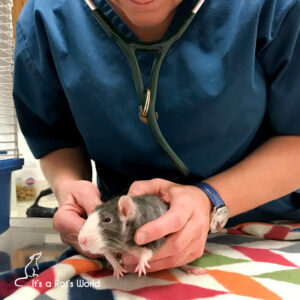
- Veterinary Monitoring: Regular check-ups with a veterinarian are essential to monitor for and manage age-related health issues. Prompt treatment with antibiotics or pain medication can significantly improve a senior rat’s quality of life.
- Symptom Watch: Owners must be vigilant in observing their senior rats for any signs of illness, pain, or distress, and seek veterinary advice promptly.
10. The Commitment Imperative: The Essence of Being a Responsible Rat Owner
Ultimately, the most critical aspect of responsible rat ownership is a deep and unwavering commitment to their well-being. This commitment transcends the initial excitement and requires consistent daily effort.
The True Meaning of Commitment:
- Daily Interaction: Bringing rats into your home is a commitment to their physical and mental health, which necessitates daily interaction, playtime, and attention.
- Part of the Family: Rats are not merely pets to exist in a cage; they should be integrated into the family, receiving daily doses of affection and engagement.
- Routines and Consistency: Rats thrive on routine. Establishing daily schedules for feeding, playtime, and social interaction helps them feel secure and fosters a strong bond with their owners. They often develop an internal clock, anticipating meals and playtime.
- Proactive Care: Being a good rat owner means consciously prioritizing their needs every single day, anticipating potential issues, and providing consistent care.
The reward for this commitment is the profound and unique bond that develops between humans and these intelligent, affectionate creatures. This bond, built on trust and consistent care, is one of the most fulfilling aspects of sharing one’s life with pet rats. Additional resources, such as "How To Be The Best Rat Mom or Rat Dad" and "Pet Rat Care Do’s and Don’ts," offer further insights into cultivating this essential relationship.

