


The world of pet birds is vibrant and rewarding, yet owners often encounter behaviors that can be perplexing, sometimes even concerning. Among the most common of these is hormonal behavior, a natural biological phenomenon that, when misunderstood or mismanaged, can lead to significant challenges for both the bird and its human companions. This issue, highlighted in recent insights from avian experts, underscores the critical need for owners to distinguish between normal biological responses and patterns that require intervention.
The Biological Imperative: Decoding Hormonal Displays in Avian Companions
Hormonal behavior in pet birds is, at its core, a manifestation of their innate reproductive drive. Far from being a sign of a "bad" bird, these displays are a normal biological response, particularly evident in adult birds. As Diane Burroughs of BirdSupplies.com explained in an article published on February 4, 2026, the soft cooing, wing flapping, regurgitation, and increased vocalizations often observed are classic signs of "big feelings" in species like Sun Conures. These are not mere phases, especially in mature birds, but rather biological imperatives that necessitate appropriate redirection.
The intensity and duration of hormonal displays can vary significantly between species. Smaller parrots, such as cockatiels, budgies, and conures, often appear more consistently hormonal throughout the year. This phenomenon is rooted in their evolutionary biology; as species lower on the food chain, they mature quickly and reproduce more frequently in the wild to ensure species survival. Consequently, their bodies remain closer to a perpetual "breeding mode" compared to larger, longer-lived parrots like macaws or cockatoos, which may not reach sexual maturity until age 7-8. Small parrots can begin exhibiting hormonal behaviors before their first birthday, while larger species develop more gradually. This difference in developmental timelines means owners of smaller birds may need to be more vigilant in managing hormonal influences year-round.
From Normal Cycles to Chronic Concerns: Identifying the Risk Threshold
While occasional hormonal displays during specific seasons or situations are a normal part of an adult parrot’s life, the situation becomes concerning when a bird remains perpetually "switched on" hormonally. This chronic state takes a significant toll on the bird’s physical and psychological well-being. For female birds, repeated egg-laying can lead to serious health issues, including calcium depletion, egg binding, and even prolapse. Males, on the other hand, can become stuck in a state of sexual frustration, manifesting as irritability, aggression, resource guarding, and obsessive behaviors. In both sexes, the constant physiological stress prevents the bird’s body and nervous system from fully settling, often resulting in a decline in overall health and an increased susceptibility to other ailments.
The gravity of this issue has been underscored by recent clinical findings. According to 2026 research by Dr. Rob Marshall and Tailai O’Brien, reproductive hyperactivity is a primary underlying cause of many health complaints observed in pet birds. This scientific backing reinforces the idea that what appears to be mere "acting out" is, in fact, a critical data point regarding a bird’s health status. Unmanaged chronic hormonal behavior can lead to a cascade of problems, from persistent irritability and fixation to more severe issues like feather plucking, self-mutilation, and a weakened immune system due to ongoing stress. It can also severely strain the bond between a bird and its owner, as behaviors like biting, screaming, and obsessive regurgitation become difficult to manage.
Proactive Management: Redirecting Energy and Fostering Well-being
The good news for worried bird owners is that intervention is possible and highly effective. The key lies not in suppressing or punishing these natural urges, but in proactively redirecting that intense biological energy into constructive and healthy outlets. This approach prevents the energy from escalating into fixation, frustration, or long-term behavioral issues.
1. Actively Reward Independent Behavior:
Encouraging and reinforcing independent play is paramount. Birds naturally engage in quiet activities such as chewing, foraging, and relaxed preening. When an owner observes these calm, independent behaviors, immediate positive reinforcement, such as a preferred treat or verbal praise, helps the bird associate these actions with positive outcomes. This process helps to build new neural pathways, teaching the bird that calmness and self-sufficiency are rewarding states. For instance, if a bird is quietly shredding a toy, offer a small piece of almond. If it’s preening contentedly on its perch, a gentle "good bird" and a sunflower seed can reinforce that behavior. This strategy contrasts sharply with inadvertently rewarding hormonal displays, where attention—even negative attention—can reinforce unwanted behaviors.
2. Give Their Pent-Up Energy a Natural Parrot "Job":
Parrots are highly intelligent and active creatures, designed for complex problem-solving and constant engagement in their natural habitats. In captivity, this energy often goes undirected, exacerbating hormonal issues. Providing natural "jobs" is crucial. This includes:
- Foraging Opportunities: Instead of simply presenting food in a bowl, hide food items in foraging toys, paper bags, or crumpled newspaper. This mimics the natural behavior of searching for food, engaging both their minds and bodies.
- Chewing and Shredding Materials: Birds have a natural need to chew to maintain beak health and for mental stimulation. Offer safe, untreated wood toys, natural branches (ensure they are bird-safe species), cardboard, and shreddable paper toys. This provides an outlet for their destructive energy that can otherwise manifest as destructive behavior towards household items or even self-plucking.
- Training and Enrichment: Engaging birds in positive reinforcement training sessions for tricks or basic commands (e.g., "step up," "target training") provides mental stimulation and strengthens the bond. Puzzle toys that require manipulation to access a reward are also excellent.
It is vital to "start where your bird can succeed." If a bird is easily overstimulated outside the cage, begin these redirective activities within the safety and familiarity of its enclosure. Once the bird demonstrates calmer engagement there, gradually introduce these activities on a play stand or training perch in a more open environment. This progressive approach minimizes stress and maximizes the chances of successful behavioral modification.
Critical Mistakes to Avoid: Fueling the Hormonal Fire
Understanding what to avoid is as crucial as knowing what to do. Certain common human actions, though often well-intentioned, can inadvertently escalate hormonal behaviors:
-
Reinforcing Hormonal Displays:
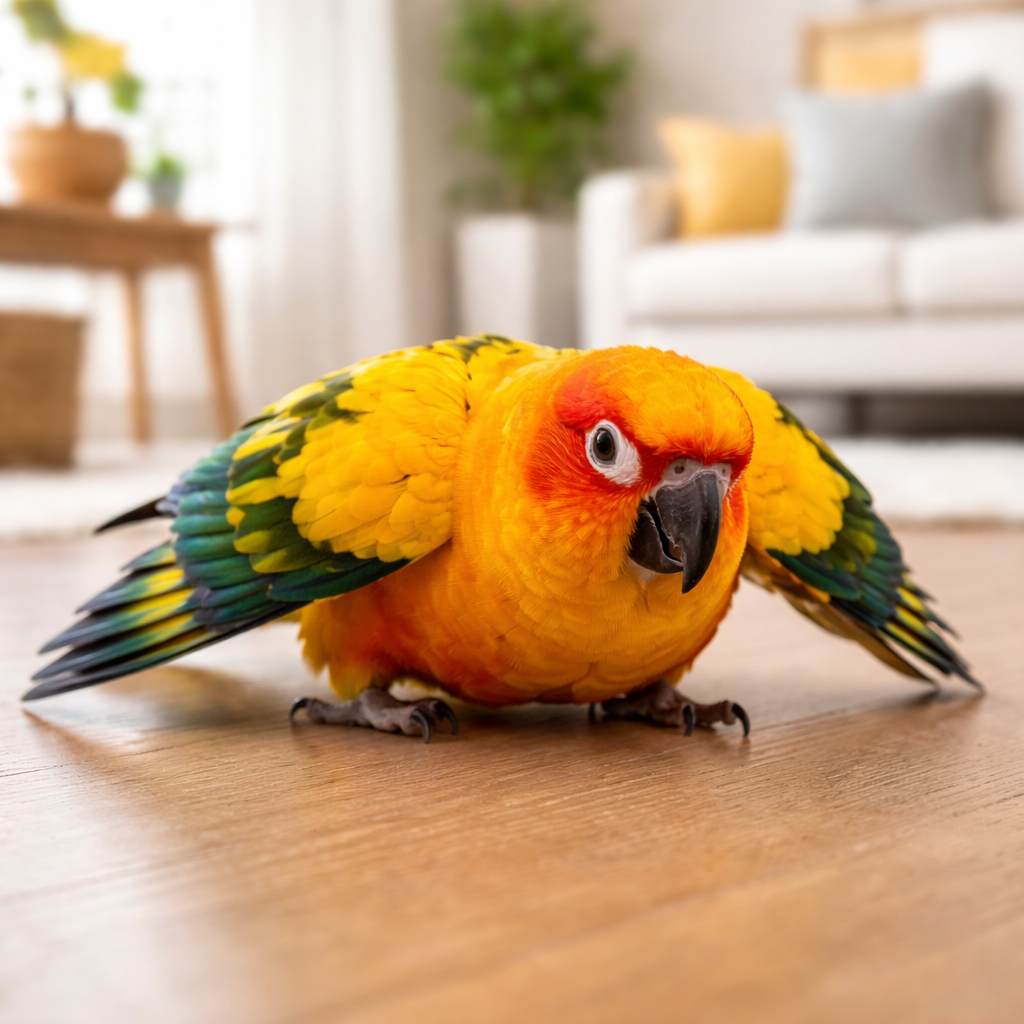
- Cuddling and Petting: Stroking a bird’s back, under its wings, or around its vent can mimic mating behaviors, especially in females, and should be avoided. Petting should be limited to the head and neck.
- Providing Dark, Confined Spaces: Offering "nesting sites" such as bird huts, cardboard boxes, or even allowing access to dark cabinets can trigger nesting instincts.
- Inconsistent Boundaries: Allowing a bird to dictate interactions or constantly giving in to demands for attention can reinforce demanding or aggressive behaviors.
- Regurgitation for the Owner: If a bird regurgitates food onto an owner, it’s a sign of affection and bonding, but in a hormonal context, it’s best to gently disengage and redirect the bird, rather than reciprocating.
-
Assuming Hormonal Energy Will Burn Itself Out: This is a dangerous misconception. Hormonal energy is a powerful biological force that needs an outlet. If not directed appropriately, it will continue to manifest in increasingly louder, more persistent, and potentially destructive ways. Birds can become trapped in a cycle of constant arousal, frustration, and inability to settle, leading to chronic stress.
-
Misinterpreting Intent vs. Outcome: Birds do not respond to human intentions; they respond to the outcomes of their behaviors. If a particular behavior reliably leads to attention (even if it’s scolding), closeness, or emotional engagement from the owner, the bird’s brain registers it as successful and will repeat it, regardless of the owner’s underlying intent. This highlights the power of positive reinforcement: every time chewing, foraging, quiet play, or relaxed preening is rewarded, the bird’s nervous system learns a healthier default response.
-
Dietary and Environmental Factors: A diet high in fat (common in seed mixes) or excessive protein can signal abundance, encouraging breeding readiness. Similarly, long daylight hours (more than 10-12 hours of sleep is often needed), lack of sleep, and mirrors (which birds perceive as another bird, potentially a mate) can all act as environmental triggers for hormonal activity.
Using Treats Effectively: Clear Learning Through Positive Reinforcement
Positive reinforcement is an incredibly powerful tool in managing hormonal behavior, not as a means to "train tricks," but to help birds learn which behaviors promote a calm and settled state. The strategic use of treats is central to this.
Treats Should Immediately Follow Calm Behavior: Owners should cultivate the habit of having a selection of preferred treats readily available, perhaps in a pocket or a small treat pouch. The goal is to observe the bird intentionally for natural, non-hormonal behaviors – quiet chewing, independent play, exploring toys, or simply resting calmly on a perch. The moment such a behavior is observed, a treat should be offered immediately. This immediate association makes the learning process clear and effective for the bird. For example, if a bird stops squawking loudly and begins to quietly preen, that’s the moment to deliver a treat.
This Keeps Learning Clear: The prompt delivery of a treat directly after the desired behavior creates a strong and unambiguous link in the bird’s mind. Delayed rewards lose their impact, as the bird may not associate the treat with the specific behavior the owner intended to reinforce. This method helps the bird understand which actions result in positive outcomes, encouraging them to repeat those actions. Over time, these reinforced calm behaviors can become the bird’s new default responses, reducing the frequency and intensity of hormonal displays.
When to Consult a Veterinarian: Recognizing the Risk Threshold
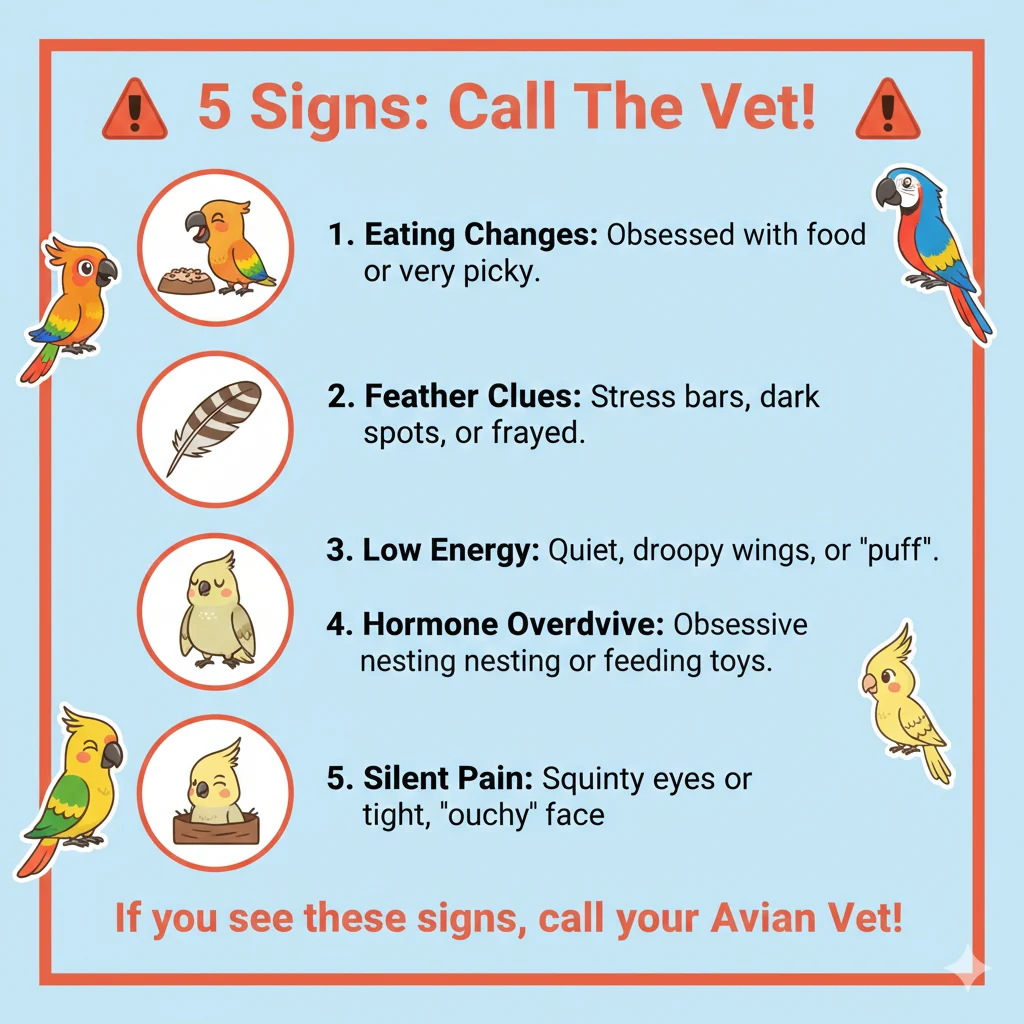
While behavioral modifications are crucial, there are instances when a bird’s hormonal behavior crosses a "Risk Threshold" and warrants immediate veterinary attention. As Dr. Marshall and Tailai O’Brien’s 2026 clinical findings highlight, "acting out" is rarely just a mood; it is often a critical data point about a bird’s health.
Owners should use a comprehensive 5-point protocol to determine if their bird’s behavior requires medical intervention:
- Sudden or Extreme Aggression: While some hormonal nipping can occur, persistent, unprovoked biting that causes injury, or a dramatic shift in temperament towards aggression even with familiar people, is a red flag. This could indicate severe frustration, pain, or an underlying medical issue exacerbated by hormones.
- Chronic Egg Laying or Egg Binding: Any female bird laying more than a clutch or two per year, or exhibiting signs of difficulty laying an egg (straining, lethargy, distended abdomen), requires urgent veterinary care. Chronic laying depletes calcium and can lead to life-threatening complications.
- Significant Changes in Droppings or Appetite: Hormonal shifts can affect metabolism. However, any persistent changes in droppings (e.g., watery, discolored, bloody), a sudden loss of appetite, or excessive water consumption could indicate a systemic health problem requiring diagnosis.
- Lethargy, Weakness, or Loss of Balance: These are general signs of illness but can be particularly concerning in a hormonally active bird, potentially indicating nutritional deficiencies, organ stress, or an infection secondary to chronic stress.
- Persistent Self-Mutilation or Feather Plucking: While feather plucking can have many causes, if it coincides with intense hormonal periods and leads to skin damage or bleeding, it suggests extreme frustration or discomfort that needs medical evaluation to rule out pain or systemic disease.
A qualified avian veterinarian can assess the bird’s overall health, rule out underlying medical conditions, and discuss potential medical interventions such as hormone implants or specific dietary adjustments to help manage severe cases of reproductive hyperactivity.
The Bottom Line: A Healthier, More Livable Future
In conclusion, a bird exhibiting intense hormonal behavior is not being "bad"; its body is in a state of biological stress that it cannot control without assistance. Chronic hormonal behavior rarely resolves on its own and, if left unmanaged, often leads to deeper health issues and a diminished quality of life for the bird. By consistently rewarding calm, independent behavior, providing enriching "jobs," and vigilantly removing environmental triggers that exacerbate hormonal displays, owners can help their birds settle into a lifestyle that is significantly healthier for their bodies and much more livable for their human families. This proactive and informed approach ensures that the beautiful bond between a bird and its owner can flourish, free from the challenges posed by unmanaged hormonal cycles.
References:
Burroughs, D. (2026, February 4). Is my bird being hormonal or just acting weird? BirdSupplies.com. https://birdsupplies.com/is-my-bird-being-hormonal-or-just-acting-weird/
Male hyper-sexual behavior and female ovarian hyperactivity [Video]. YouTube. https://www.youtube.com/watch?v=14xD_OUrZNA

