


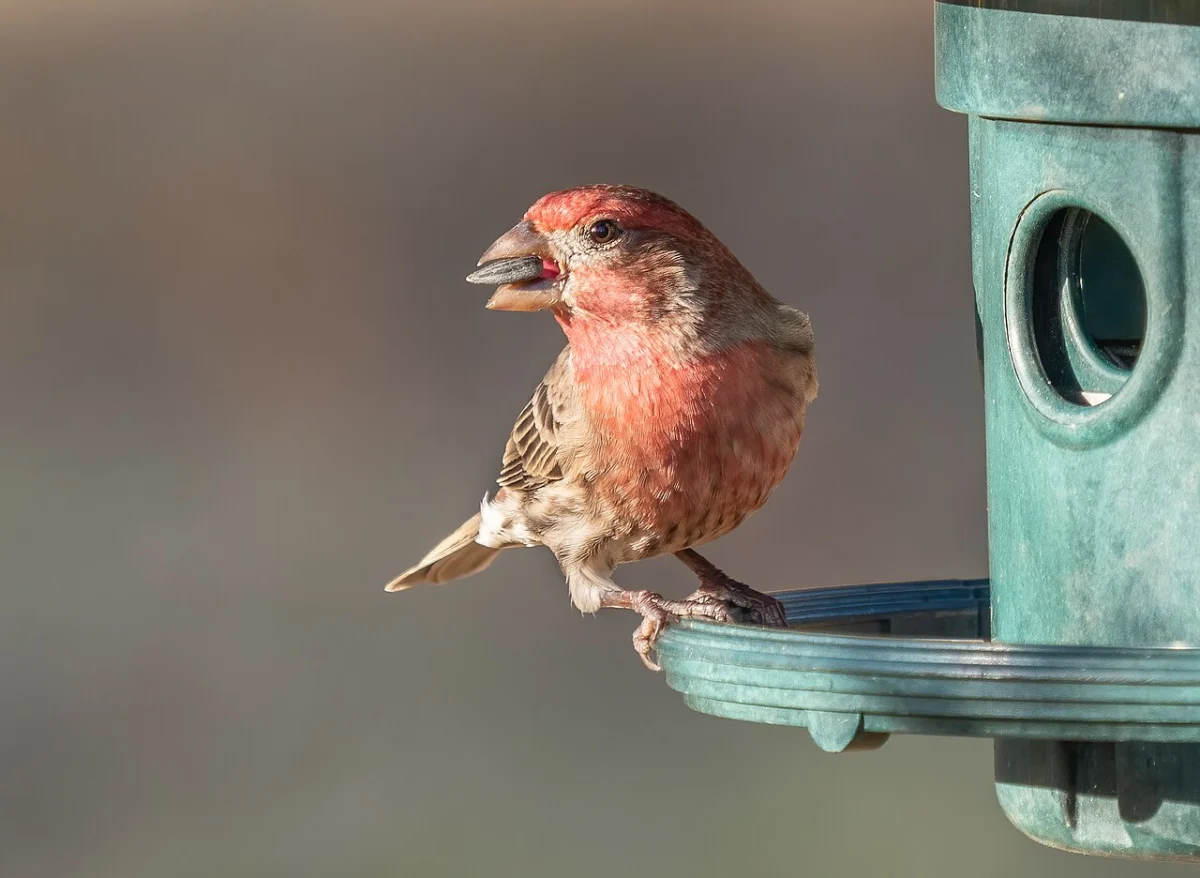
Birds, a testament to Earth’s boundless evolutionary creativity, showcase an unparalleled diversity in form, habitat, and, most remarkably, their dietary habits. From the minuscule hummingbird, weighing less than a coin, to the colossal ostrich, towering over humans, avian species have colonized every conceivable environment – arid deserts, verdant forests, sprawling wetlands, vast oceans, and even the bustling metropolises of human civilization. This immense variety in lifestyle is mirrored by an equally broad spectrum of diets. To ask "What do birds eat?" is akin to inquiring about human culinary preferences; the answer is intricately dependent on the species, its geographic location, and the seasonal availability of food resources. Understanding these dietary specifics is not merely an academic pursuit; it offers profound insights into the evolutionary shaping of their beaks, their intricate behaviors, and their indispensable roles in maintaining the health and balance of ecosystems worldwide.
The intricate relationship between a bird’s diet and its physical adaptations is a cornerstone of evolutionary biology. The shape, size, and strength of a bird’s beak are direct reflections of its primary food sources. For instance, the powerful, conical beaks of finches and sparrows are perfectly engineered for cracking hard seeds, acting as nature’s own nutcrackers. Parrots, with their robust, hooked beaks and agile tongues, demonstrate remarkable dexterity in manipulating and processing a variety of foods, including tough nuts and fruits. Conversely, the delicate, needle-like beaks of hummingbirds are designed to probe deep into the corollas of flowers, extracting sugary nectar, while the elongated, slender beaks of waders are adapted for probing mudflats in search of invertebrates. This specialization extends beyond the beak to encompass the entire digestive system, with different species possessing varying lengths of intestines, gizzard structures, and enzymatic capabilities tailored to efficiently process their specific diets.
The Foundation: Seeds and Grains
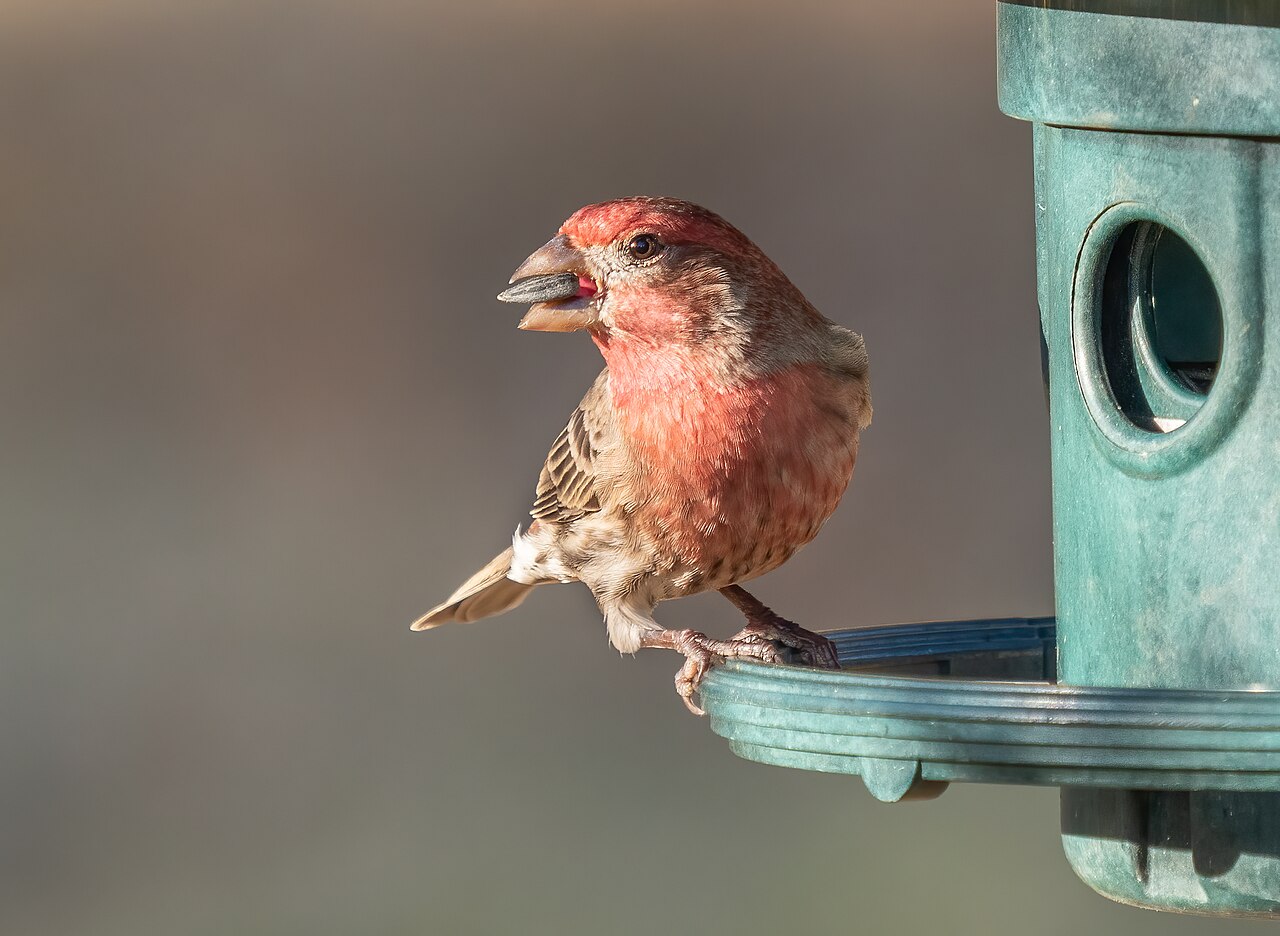
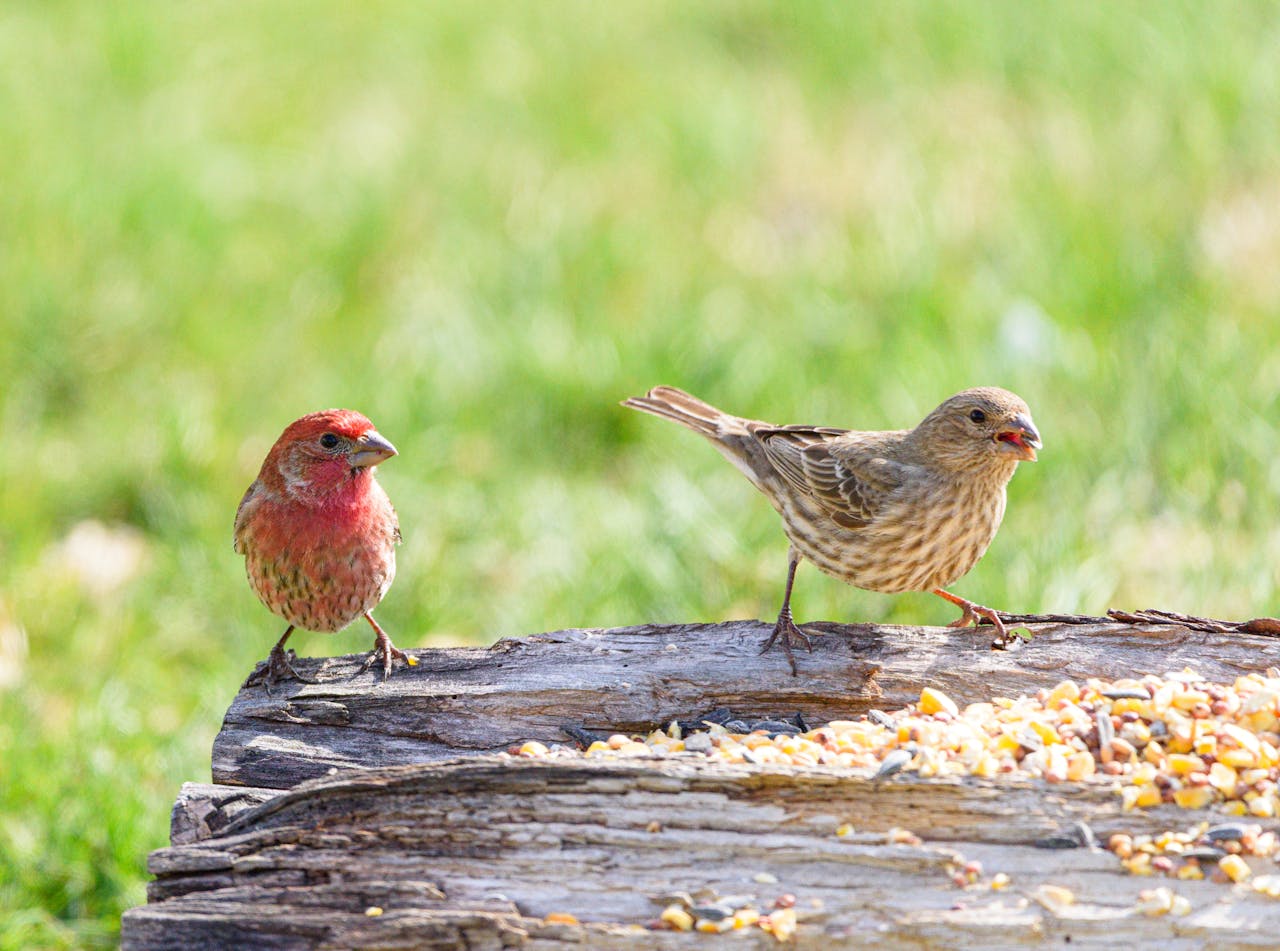
A significant portion of the avian world finds sustenance in the abundant energy provided by seeds and grains. Species such as sparrows, finches, pigeons, and doves are quintessential granivores, relying heavily on these calorie-rich staples. Seeds offer a dependable food source, often available in large quantities and capable of being stored, either by the birds themselves or in the environment. This dietary strategy allows these birds to thrive in a wide range of terrestrial habitats. The morphology of their beaks, as mentioned, is a clear indicator of this adaptation. Their short, stout, and cone-shaped beaks are exceptionally efficient at grasping and breaking open the protective husks of seeds. For example, the impressive strength of a finch’s beak allows it to husk seeds with remarkable speed, efficiently accessing the nutritious kernel within.
However, even seemingly specialized diets can exhibit flexibility. Many seed-eating birds, while primarily relying on seeds during the colder months when other food sources are scarce, will opportunistically switch to a more protein-rich diet of insects during the spring and summer. This shift is particularly crucial for breeding adults, as growing chicks have a significantly higher protein requirement for rapid development and growth. This seasonal dietary plasticity underscores the adaptive capacity of birds in response to changing environmental conditions and reproductive needs.
The Protein Powerhouse: Insects and Invertebrates
Insects, spiders, worms, and a myriad of other small invertebrates form the dietary bedrock for a vast number of bird species. These tiny creatures are nutritional powerhouses, packed with essential proteins and fats that are vital for fueling the energetic demands of flight, sustained activity, and rapid growth. The methods birds employ to procure these invertebrates are as diverse as the insects themselves.
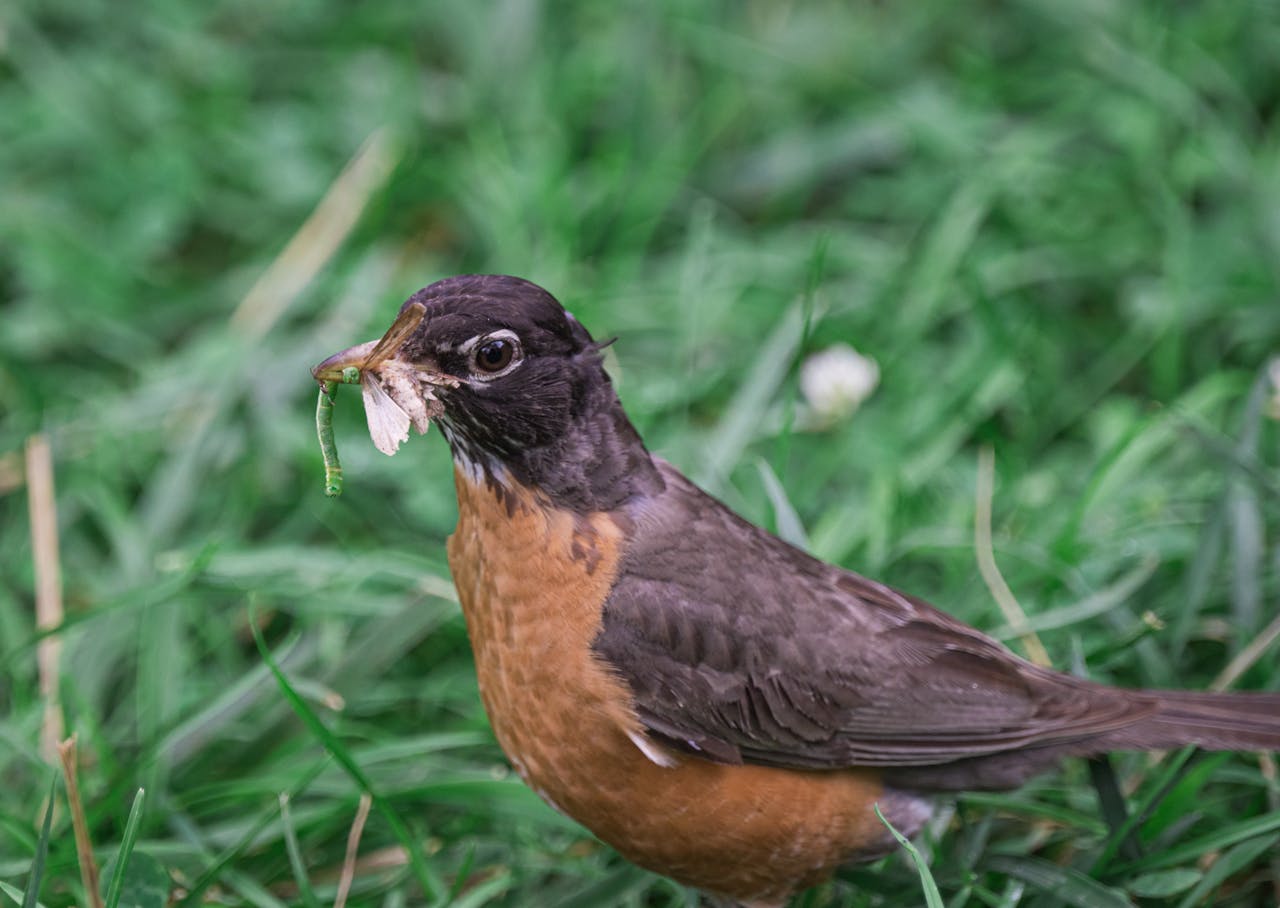
Aerial insectivores, such as swallows and swifts, are masters of the sky, performing breathtaking aerial acrobatics to snatch flying insects mid-air with open mouths. Ground-foraging birds, like the American robin, exhibit keen auditory senses, tilting their heads to detect the subtle movements of earthworms beneath the soil before expertly extracting them. Woodpeckers, with their specialized beaks and powerful neck muscles, are adept at chiseling into tree bark to unearth beetle larvae and other wood-boring insects.
The importance of invertebrates in the avian diet extends to the feeding of young. Even birds that are primarily seed-eaters as adults will meticulously gather protein-rich caterpillars, grasshoppers, and grubs to provision their nestlings. This concentrated source of nutrients is critical for ensuring the rapid development and survival of vulnerable chicks. Beyond their role as food, insectivorous birds play a vital ecological role as natural pest controllers. By consuming vast quantities of insects, they help regulate populations, thereby protecting agricultural crops, forests, and gardens from excessive damage. This symbiotic relationship highlights the interconnectedness of avian populations and the broader health of terrestrial ecosystems.
Sweet Sustenance: Fruit, Nectar, and Plant Material
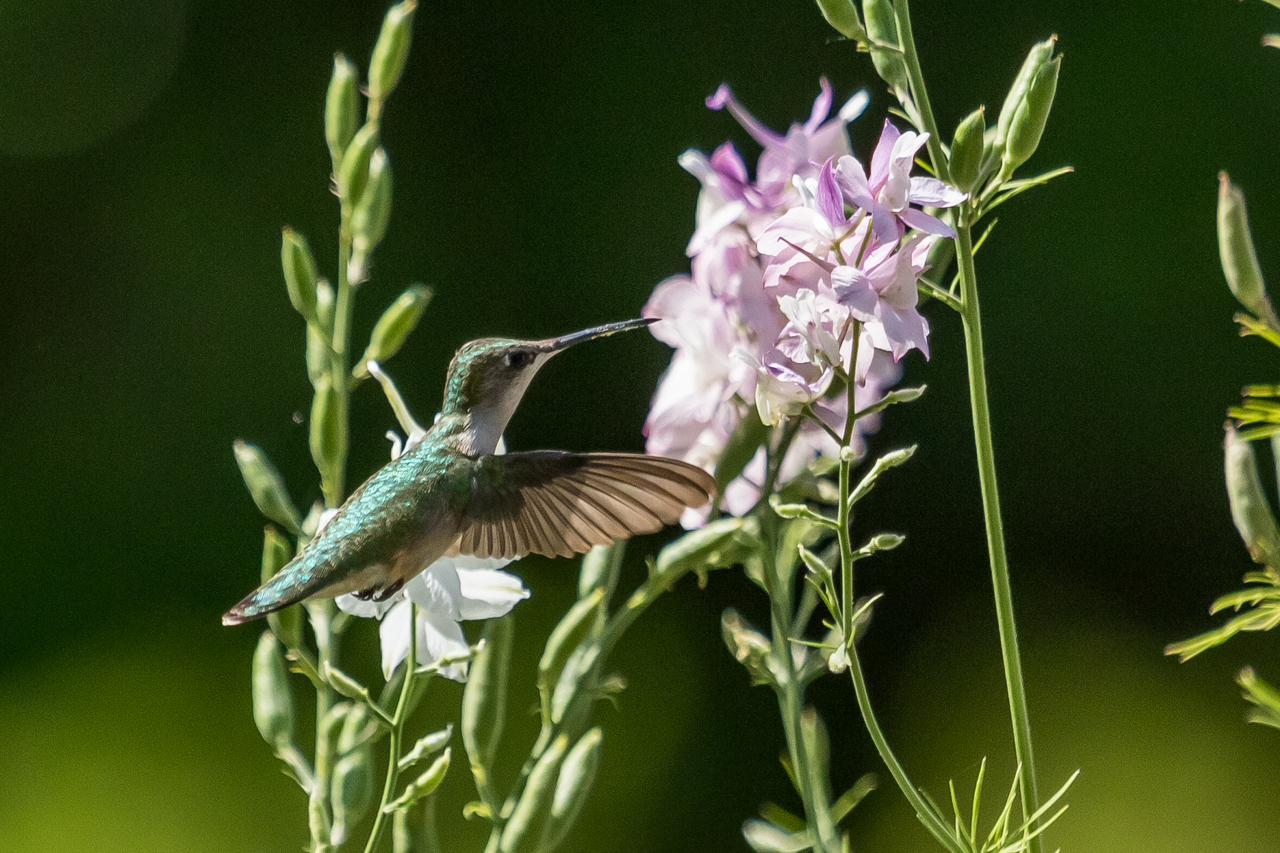
A considerable number of bird species possess a penchant for sweet treats, with fruits and nectar forming significant components of their diets. This is particularly true in tropical and subtropical regions where these food sources are available year-round. Hummingbirds and sunbirds, with their elongated beaks and specialized, brush-tipped tongues, are expert nectarivores. They hover in front of flowers, precisely extracting the sugary liquid that provides them with immediate energy. However, nectar alone is insufficient for their complex nutritional needs; thus, they supplement their diet with small insects and spiders to obtain essential proteins and minerals.
Many frugivorous birds, including parrots, hornbills, and numerous rainforest species, consume fruits whole. A remarkable ecological service they provide is seed dispersal. After digesting the fleshy pulp of the fruit, they excrete the seeds in their droppings, often far from the parent plant. This process is critical for the regeneration and spread of plant populations, particularly in dense forest environments. Fruit-eating birds are thus indispensable partners in maintaining the biodiversity and structural integrity of forest ecosystems.
Some birds exhibit grazing behaviors similar to mammals. Geese and swans are well-known for cropping grasses, while other species might nibble on leaves, buds, or various aquatic plants. This herbivorous niche further expands the diverse feeding strategies observed within the avian kingdom, demonstrating their ability to exploit a wide range of plant-based food sources.
Apex Predators and Opportunistic Scavengers: Meat, Fish, and Carrion
Birds of prey, a group encompassing eagles, hawks, falcons, and owls, are formidable hunters occupying the apex of many food chains. Their diets consist primarily of mammals, reptiles, other birds, and fish. These predators are equipped with formidable weaponry: sharp, curved talons for grasping and subduing prey, and powerful, hooked beaks for tearing flesh.

Hunting strategies vary dramatically among these carnivores. The peregrine falcon, renowned for its speed, employs breathtaking stoops, diving at incredible velocities to strike its avian prey in mid-flight. Owls, with their silent flight and exceptional hearing, are adept nocturnal hunters, capable of locating small mammals hidden in dense vegetation or under snow. Kingfishers, perching patiently on branches overlooking water bodies, exhibit lightning-fast reflexes, plunging into the water to snatch unsuspecting fish.
Distinct from the hunters are the scavengers, such as vultures. These birds play a crucial, albeit often unappreciated, role in ecosystem health by feeding on carrion—animals that have already died. While their feeding habits may seem unappealing, vultures are vital for preventing the spread of diseases by rapidly removing carcasses from the environment. Their efficient digestive systems are adapted to handle decaying flesh, and their role in nutrient cycling is significant, returning essential elements to the soil.
The Ultimate Survivors: Omnivores
A considerable number of bird species are omnivores, exhibiting a highly flexible and opportunistic dietary approach. Crows, gulls, and magpies are prime examples of this strategy. Their diets can encompass a wide array of food items, including insects, eggs, fruits, discarded human food scraps, and even small vertebrates. This adaptability allows them to thrive in diverse habitats, including urban environments where human activity provides a readily available, though not always optimal, food source.
The advantage of an omnivorous diet lies in its resilience. If one food source becomes scarce due to seasonal changes, environmental disturbances, or other factors, omnivorous birds can simply switch to an alternative, ensuring their survival. This flexibility is a significant factor in the widespread success and adaptability of these species.
The Intricate Link: How Beaks Reveal Diets
The morphology of a bird’s beak serves as one of the most salient indicators of its dietary habits. Over millions of years of evolution, beaks have been sculpted by natural selection to function as specialized tools perfectly suited to their primary food sources. Long, slender beaks are ideal for probing into flowers or crevices, while thick, heavy beaks are designed for cracking hard seeds. The sharp, hooked beaks of raptors are adapted for tearing flesh, and the spear-like bills of kingfishers are built for spearing fish.
This specialization extends beyond the beak to other anatomical features. For example, seed-eating birds often possess muscular gizzards, a part of the stomach, which aid in grinding tough plant material. Nectar-feeding birds, on the other hand, have digestive systems optimized for processing liquid sugars. The intricate adaptations in beak shape, digestive physiology, and even foraging behavior collectively paint a comprehensive picture of a bird’s ecological niche and its place within the food web.

Nurturing the Next Generation: Feeding Young Birds
The dietary needs of young birds often differ significantly from those of adults, particularly during the rapid growth phase of nestlings. To fuel this intense period of development, chicks require a diet exceptionally high in protein. Consequently, parent birds may dedicate a considerable amount of time and energy to foraging for protein-rich foods such as insects, even if their own adult diet is primarily composed of seeds or fruits.
In a remarkable adaptation, some species, like pigeons and flamingos, produce a specialized, nutrient-dense substance known as "crop milk" within their digestive tracts. This milky secretion, rich in fats and proteins, is regurgitated and fed to their chicks during the initial days of life, providing essential nourishment before they can consume more solid food. This unique parental investment strategy underscores the diverse ways birds ensure the survival of their offspring.
Birds and Human Sustenance: Urban Adaptations
In urban and suburban landscapes, many bird species have adapted to exploit food resources provided by humans. Backyard bird feeders, when stocked with appropriate food, can play a crucial role in helping birds survive harsh weather conditions and periods of scarcity. However, it is essential to offer nutritionally sound options. Seeds, specialized nectar mixes, and commercially formulated bird pellets are far more beneficial than common human foods like bread, which often lacks the essential nutrients birds require.

Engaging in bird feeding can offer a unique opportunity for close observation and a deeper understanding of avian behavior. It allows individuals to witness firsthand the feeding strategies and preferences of local bird populations, fostering a greater appreciation for their presence in our shared environments.
A World of Avian Menus: Concluding Thoughts
The question of what birds eat yields a remarkably expansive answer: virtually everything. Seeds, insects, fruits, nectar, fish, meat, plant matter, and carrion all feature prominently on avian menus across the globe. This extraordinary dietary diversity is a primary factor contributing to the immense evolutionary success of birds. They have, over millennia, evolved the capacity to exploit an astonishing array of available food sources, allowing them to colonize nearly every terrestrial and aquatic habitat on Earth.
The next time an individual encounters a bird, a moment spent observing its beak, its foraging location, and its movement can offer valuable clues about its dietary preferences. This simple act of observation is not only a fascinating window into the natural world but also a profound revelation of the intricate, often unseen, connections that sustain ecological balance. Understanding what birds eat is a key to understanding their lives, their adaptations, and their vital contributions to the health of our planet.

