


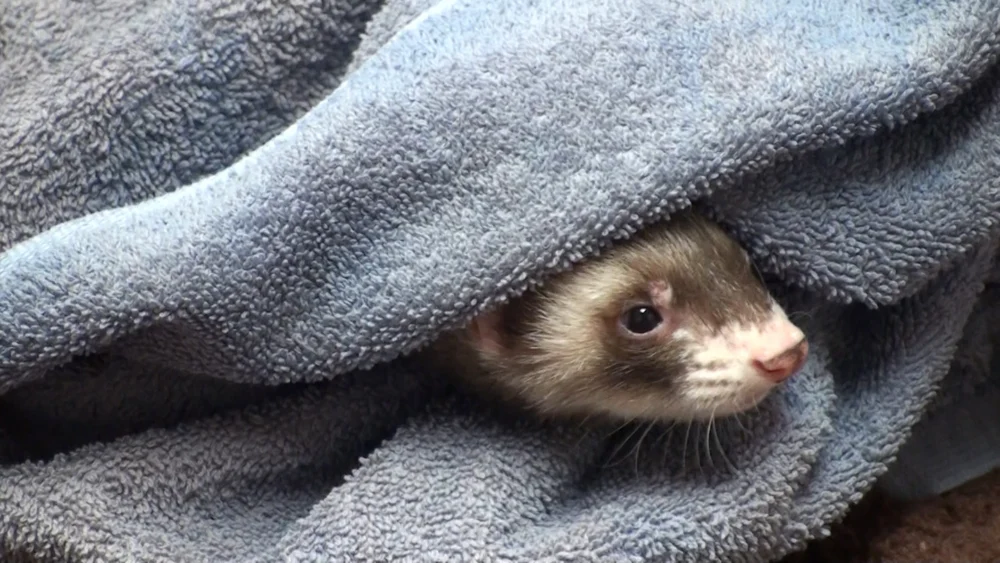
The clinical presentation of the geriatric ferret in a veterinary setting often follows a predictable yet challenging pattern, characterized by hind-limb ataxia, intermittent episodes of collapse, exercise intolerance, and a progressive loss of muscle mass. For many practitioners, these symptoms immediately trigger a diagnostic suspicion of insulinoma, a common pancreatic islet cell tumor known to cause profound hypoglycemia. However, as highlighted in recent veterinary education initiatives, the rush to diagnose insulinoma based on a single, often unreliable metric can lead to suboptimal patient outcomes and the oversight of serious comorbid conditions.
Veterinary experts, including Dr. Cathy Johnson-Delaney, a renowned figure in exotic animal medicine, are increasingly advocating for a more nuanced approach to the "collapsed ferret." The traditional reliance on handheld glucometers, which frequently yield inaccurate readings in non-canine and non-feline species, has created a diagnostic trap. When a ferret presents with weakness and a glucometer shows a blood glucose level below 70-90 mg/dL, the standard protocol often involves the immediate administration of prednisone. While this may address temporary glucose fluctuations, it fails to account for the complex physiological landscape of the aging ferret, where cardiac, renal, and musculoskeletal diseases often mimic or exacerbate the signs of metabolic distress.
The Diagnostic Dilemma in Geriatric Ferret Care
The aging ferret (Mustela putorius furo) is prone to a variety of "old age" diseases that frequently overlap. While insulinoma is indeed prevalent in the North American ferret population—largely due to genetic predispositions and dietary factors—it is rarely the sole actor in a patient’s decline. The current clinical environment often prioritizes speed, leading to what some specialists call "diagnostic tunnel vision."
In many cases, a ferret presenting with collapse is subjected to a quick ear-prick blood test. If the reading is low, the diagnosis is set. However, this ignores critical variables such as the timing of the last meal, the specific carbohydrate content of the ferret’s diet, and the inherent stress of the clinical environment, which can cause rapid fluctuations in blood glucose. Furthermore, the biochemical differences between ferret blood and the canine/feline blood for which most handheld glucometers are calibrated mean that a reading of 60 mg/dL on a handheld device might actually represent a normal physiological state for that individual ferret at that specific time.
When prednisone—a glucocorticoid that stimulates gluconeogenesis—is prescribed without a comprehensive workup, the underlying cause of the collapse remains unaddressed. If the ferret’s weakness is actually stemming from a failing heart or chronic kidney disease, the administration of steroids may provide a brief, deceptive "burst" of energy while the primary pathology continues to worsen, leading to a more severe subsequent collapse.
Beyond the Pancreas: Broadening the Differential Diagnosis
A comprehensive evaluation of a collapsing ferret requires a departure from the assumption of hypoglycemia. According to Dr. Johnson-Delaney’s research and clinical experience, several other systemic issues must be ruled out through advanced imaging and thorough laboratory analysis.
Cardiac Disease
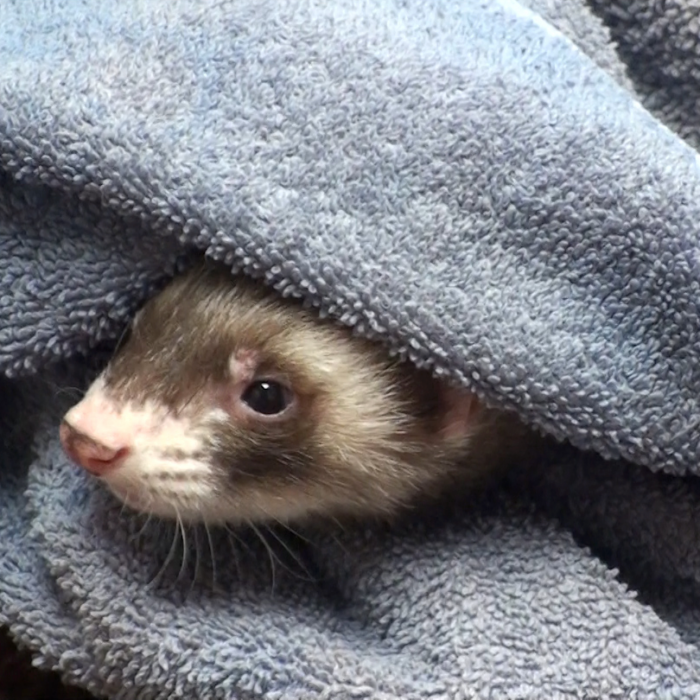
Cardiovascular impairment is a leading cause of exercise intolerance and fainting spells (syncope) in ferrets over the age of four. Dilated cardiomyopathy (DCM) and hypertrophic cardiomyopathy (HCM) are frequently diagnosed in the species. A heart that cannot effectively pump oxygenated blood to the brain and muscles will cause the ferret to "pancake" or go limp after brief periods of activity. On physical examination, these ferrets may show muffled heart sounds or a gallop rhythm, though many remain asymptomatic until a major event occurs. Radiographs may show cardiomegaly (an enlarged heart), but definitive diagnosis requires echocardiography to assess chamber size and contractility.
Renal Insufficiency
Chronic kidney disease is another silent killer in the geriatric ferret. As renal function declines, the accumulation of uremic toxins leads to systemic lethargy, nausea, and a decreased appetite. The resulting anemia of chronic disease further contributes to weakness and collapse. Unlike dogs, ferrets may not always show the classic "thirst and frequent urination" (polyuria/polydipsia) until the disease is quite advanced, making routine blood chemistry panels essential for early detection.
Musculoskeletal and Neurological Issues
The "weakness" observed by owners is often not metabolic but structural. Osteoarthritis in the hips and spine is incredibly common in older ferrets, leading to a "shuffling" gait that can be mistaken for the ataxia of hypoglycemia. Furthermore, spinal cord compression or intervertebral disc disease can cause sudden hind-limb weakness. When a ferret experiences a sharp pain event due to these conditions, they may collapse or refuse to move, which is easily misinterpreted as a "seizure" or "fainting spell" by a concerned owner.
The Pitfalls of Point-of-Care Testing
The reliance on technology in the exam room has both benefits and drawbacks. For the ferret, the drawback is often the inaccuracy of point-of-care (POC) glucometers. Studies have shown that human and even veterinary-specific glucometers can vary significantly from laboratory-grade hexokinase methods when testing ferret blood.
Furthermore, the "normal" range for a ferret is subject to debate. While many texts cite 80-120 mg/dL as normal, a ferret that has been fasted for four hours may naturally dip into the 70s without showing clinical signs of insulinoma. To accurately diagnose islet cell disease, a clinician must correlate blood glucose with insulin levels. An inappropriately high insulin level in the presence of low-normal glucose is a much stronger indicator of a tumor than a single low glucose reading on a handheld device.
Chronology of a Comprehensive Workup
To move beyond the "insulinoma trap," a structured diagnostic timeline is recommended for any geriatric ferret presenting with collapse:
- Initial Stabilization and History: Determine the duration of the collapse, relationship to feeding times, and any changes in diet or environment.
- Physical Examination: Focus on cardiac auscultation, abdominal palpation (checking for splenomegaly, which is common but often benign), and a neurological/orthopedic assessment.
- Laboratory Analysis: Perform a full CBC and chemistry panel processed by a reference laboratory. This includes checking BUN, creatinine, ALT, and total protein to assess organ function.
- Fasted Glucose/Insulin Ratio: If insulinoma is suspected, a controlled fast (usually 4 hours) followed by simultaneous glucose and insulin testing is the gold standard.
- Imaging: Chest and abdominal radiographs are necessary to screen for cardiomegaly, pulmonary edema, and masses. Ultrasound is the preferred method for visualizing pancreatic nodules, adrenal gland enlargement, and cardiac structure.
- Dental Evaluation: Often overlooked, severe periodontal disease and tooth root abscesses can cause systemic inflammation and pain-induced collapse in ferrets.
The Role of Expert Education: Dr. Cathy Johnson-Delaney
The insights provided in the "Collapsed Ferret" lecture series are rooted in the extensive career of Dr. Cathy Johnson-Delaney. With over 30 years of experience in avian, exotic, and laboratory animal medicine, Dr. Johnson-Delaney has been at the forefront of establishing standard care protocols for mustelids. As the principal editor of the textbook Ferret Medicine and Surgery, her work emphasizes the need for evidence-based diagnostics over anecdotal "quick fixes."
Her involvement with the Washington Ferret Rescue & Shelter provided a unique perspective on the long-term management of geriatric populations, reinforcing the idea that "ataxia" is a symptom, not a diagnosis. The webinar, hosted by LafeberVet, serves as a critical resource for veterinarians seeking to earn Continuing Education (CE) credits through the American Association of Veterinary State Boards (AAVSB) RACE program, ensuring that the latest clinical findings reach practitioners on the front lines.
Broader Implications for Veterinary Medicine
The shift toward a more comprehensive diagnostic approach for ferrets reflects a broader trend in exotic animal medicine: the move toward "specialty-grade" care for small mammals. As ferrets are increasingly viewed as valued family members rather than "pocket pets," owners are seeking higher standards of care.
The implications of misdiagnosing a ferret with insulinoma are significant. Prednisone, while life-saving for true insulinoma patients, has side effects, including immunosuppression and potential liver changes. If a ferret with underlying lymphoma or a hidden infection is placed on steroids without a proper diagnosis, the medication may actually accelerate the progression of the secondary disease.
Furthermore, the veterinary community’s focus on "The Collapsed Ferret" highlights the importance of client education. Owners must be taught to recognize the subtle signs of cardiac or renal distress—such as a "heavy" breath or a change in litter box habits—rather than assuming every stumble is a sugar crash.
Conclusion
The geriatric ferret presents a complex puzzle to the modern veterinarian. While insulinoma remains a frequent and formidable foe, it is only one of many potential causes for collapse in this species. By rejecting the "quick test" culture and embracing a holistic diagnostic protocol—incorporating imaging, accurate laboratory testing, and a wide list of differential diagnoses—clinicians can provide more accurate prognoses and more effective treatments. As the work of Dr. Johnson-Delaney suggests, the goal of ferret medicine should not just be the management of symptoms, but the thorough understanding of the aging mustelid’s intricate physiology. Only through this rigorous approach can we ensure that these charismatic companions receive the quality of life they deserve in their senior years.

