



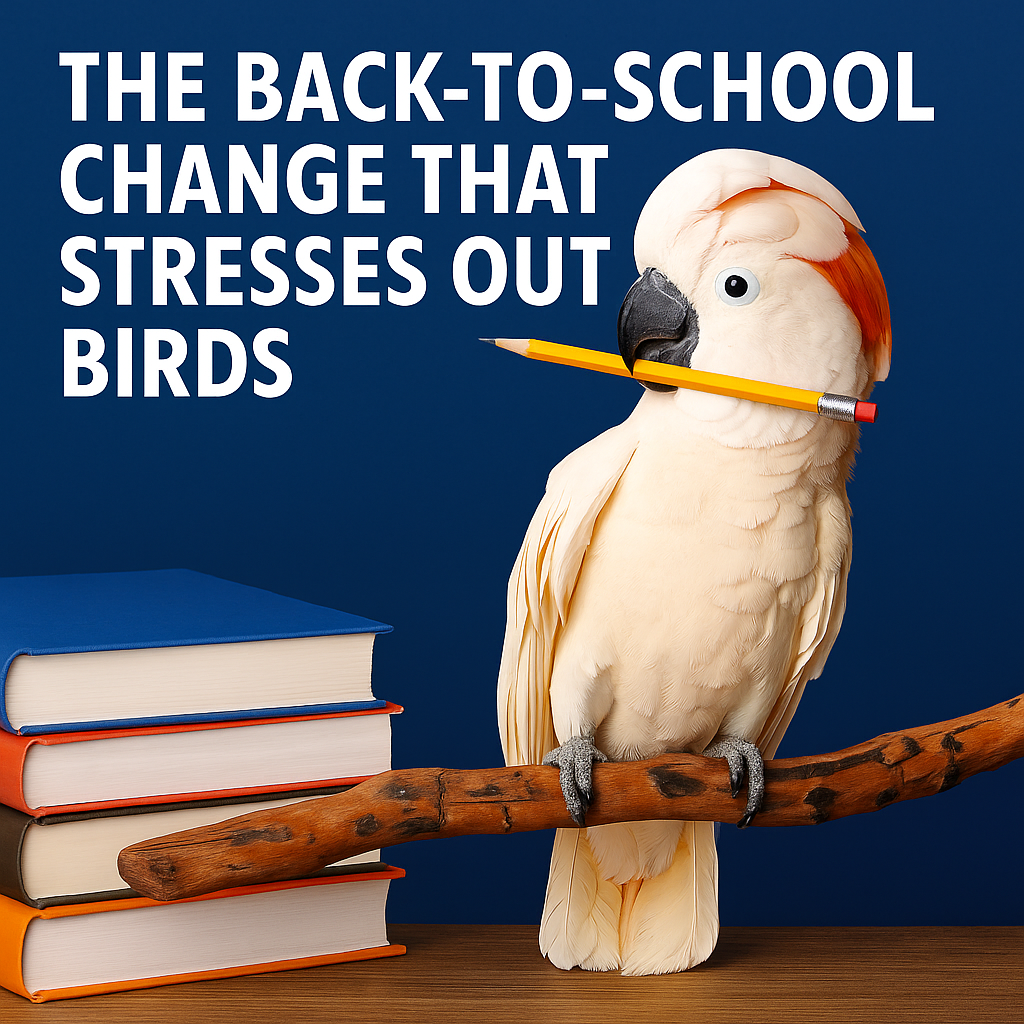
As households across the globe recalibrate for the annual return to school, the profound shift in daily rhythms often goes unnoticed by one particular group of family members: companion birds. Far from being mere decorative pets, parrots and other avian companions are highly intelligent, social, and emotionally complex creatures that thrive on predictability and consistent interaction. When the steady cadence of summer life abruptly gives way to the hurried chaos of school mornings, prolonged absences, and altered household dynamics, these sensitive animals can experience significant stress and confusion, leading to noticeable behavioral and even physiological changes.
The Avian Predisposition to Routine: A Biological Imperative
Birds, by their very nature, are creatures of habit. In the wild, predictability is a cornerstone of survival. Consistent patterns in sunrise, foraging times, flock interactions, and predator avoidance are ingrained behaviors. This innate need for routine translates directly to their lives in captivity. Companion parrots, in particular, often form deep bonds with their human "flock" and become highly attuned to the household’s schedule. Their internal clocks, or circadian rhythms, are closely linked to the activities around them.
During the relaxed summer months, many households offer an extended period of human presence. Children are home, adults may have more flexible schedules, and the overall noise level and activity patterns tend to be less rigid. Birds become accustomed to frequent interaction, consistent background chatter, and the comforting presence of their human companions. This establishes a baseline of security and well-being.
However, the transition to the school year introduces a stark contrast. Mornings transform into a flurry of activity—backpacks flying, cereal bowls clanking, doors slamming—followed by long periods of silence and emptiness once everyone departs. This abrupt shift from a bustling, interactive environment to a quiet, solitary one can be deeply unsettling. To a bird, the sudden disappearance of its flock members, coupled with changes in light, sound, and interaction patterns, can signal insecurity or even danger, triggering an instinctive stress response. Ornithologists and animal behaviorists consistently highlight the importance of environmental stability for avian welfare, underscoring why such shifts are so impactful.
The Seasonal Shift: From Summer Calm to Academic Frenzy
The "back-to-school" phenomenon isn’t a singular event but a cascading series of changes that profoundly impact a bird’s world. Typically, the summer offers:
- Extended Human Presence: More people home for longer durations.
- Flexible Schedules: Later wake-ups, varied meal times, spontaneous interactions.
- Consistent Background Noise: The comforting sounds of human activity.
- Increased Social Interaction: More opportunities for play, training, and companionship.
Conversely, the school year ushers in:
- Abrupt Departures: Humans rushing out the door at fixed, early times.
- Prolonged Silence: Hours of solitude for the bird.
- Altered Feeding Schedules: Potentially less consistent access to fresh food or fewer shared mealtimes.
- Reduced Interaction: Less one-on-one time with family members.
- Increased Noise Variability: Intense morning activity followed by dead quiet, which can be just as unsettling as constant noise.
For a creature that "thrives on consistency," as noted by many avian experts, this feels monumental. Birds register minute changes in routine—the precise time someone wakes up, when they eat, or even the speed at which they leave the room. When the entire household flips into "school mode," their predictable world is upended, leading to a state of confusion and anxiety. This is not merely an inconvenience for the bird; it represents a significant psychological challenge that can manifest in various concerning behaviors.
Understanding Avian Stress Responses: Warning Signs to Watch
Birds are masters at concealing discomfort, a survival instinct honed in the wild where showing weakness makes them vulnerable to predators. This means that by the time an owner notices signs of stress, the bird may have been struggling for some time. Recognizing the subtle and overt indicators is crucial for timely intervention.
Common behavioral manifestations of stress in birds during routine changes include:
- Increased Vocalization: This can range from incessant screaming or squawking to unusual distress calls. It’s often an attempt to call back their "flock" (human family members) or express agitation.
- Feather Plucking or Mutilation: One of the most severe and visible signs of chronic stress, anxiety, or boredom. Birds may pull out their own feathers, sometimes to the point of self-injury.
- Changes in Appetite: Refusal to eat favorite foods, significant decrease in food intake, or conversely, stress-induced overeating. Not eating is a critical red flag in birds and warrants immediate attention.
- Lethargy and Increased Napping: A bird that is usually active and playful may become withdrawn, spending more time sleeping or perched quietly, indicating a lack of energy or engagement.
- Pacing and Repetitive Behaviors: Stereotypical behaviors such as pacing back and forth on a perch, head bobbing, or incessant chewing on cage bars, often signal underlying anxiety or boredom.
- Aggression or Irritability: A normally docile bird may become nippy, territorial, or exhibit uncharacteristic aggression towards people or other pets.
- Clinginess or Separation Anxiety: What was once an independent bird may suddenly become excessively demanding of attention, following owners from room to room, or exhibiting extreme distress when left alone. Conversely, some birds may withdraw and become unusually distant.
- Loss of Interest in Toys or Activities: Previously beloved toys or foraging games may be ignored, indicating a lack of mental stimulation or a depressed state.
- Changes in Droppings: Stress can affect a bird’s digestive system, leading to changes in the consistency or frequency of droppings.
A prominent example cited by owners is an African Grey parrot that abruptly stopped engaging in a favorite foraging game after the family’s daily rhythm shifted. Such seemingly minor changes to humans can feel overwhelmingly significant to a bird. The widespread online chatter on platforms like Reddit, Quora, and bird-specific forums, where owners frequently ask "Why does my parrot seem so off since school started?" or "How do I help my bird cope when I’m gone more?", underscores the universality of this challenge.
Expert Insights on Avian Well-being: A Call for Proactive Care
Avian veterinarians and certified animal behaviorists consistently emphasize the importance of anticipating and mitigating stress in companion birds. Dr. Sarah Jenkins, an avian specialist, notes, "Parrots are incredibly sensitive to their environment. A sudden disruption in routine can trigger a cascade of stress hormones, which over time, can lead to chronic health issues and severe behavioral problems like feather destruction. Prevention is always better than cure."
Dr. Jenkins also highlights that chronic stress can weaken a bird’s immune system, making them more susceptible to illness. "We see an uptick in stress-related conditions around major holiday periods and the back-to-school season," she adds. This reinforces the need for owners to be vigilant and proactive.
Organizations dedicated to parrot welfare, such as The Parrot Society UK and various rescue groups, frequently advise on managing environmental changes. They advocate for a gradual approach to routine shifts and stress the importance of understanding species-specific needs. For instance, highly social species like African Greys or Cockatoos may suffer more acutely from prolonged solitude than some smaller, more independent species.
Proactive Strategies for a Smooth Transition
The good news is that with thoughtful planning and consistent effort, bird owners can significantly ease their feathered friends’ adjustment to new schedules. The key lies in creating a new sense of predictability and enrichment.
-
Gradual Acclimatization: If possible, introduce schedule changes incrementally. Over several days or even a week before the actual shift, gradually adjust wake-up times, feeding schedules, and the duration of your absences. For example, if you know you’ll be leaving for work earlier, start leaving the house for short periods (15-30 minutes) at the new departure time, gradually extending the duration. This helps the bird build confidence that you will return.
-
Establish a New, Consistent Routine: While the old routine is gone, establish a new predictable routine. Consistent wake-up and bedtime rituals (e.g., covering/uncovering the cage at the same time), regular feeding times, and designated interaction periods are crucial. Even if the middle of the day is quiet, anchoring the beginning and end of the day with consistent rituals provides security.

-
Enhance Environmental Enrichment:
- Foraging Opportunities: Provide foraging toys and puzzles that require mental and physical effort to extract food. This keeps birds engaged and mimics natural behaviors, reducing boredom during solitary hours. Rotate toys regularly to maintain novelty.
- Chew Toys: Ensure a constant supply of bird-safe chew toys made from various textures (wood, paper, natural fibers) to satisfy their natural urge to chew and destroy.
- "Bird TV" and Audio Stimulation: Soft background noise can combat loneliness. This could be a radio playing talk shows, classical music, nature sounds (e.g., rainforest sounds), or even specific "bird TV" programs designed for avian stimulation. A two-way security camera with audio allows owners to check in and even speak to their bird remotely, offering real-time reassurance.
- Window Views: If safe and free from direct sunlight or drafts, placing the cage near a window with a stimulating (but not overwhelming) view can provide visual interest.
-
Communicate Departures and Returns: Even if they don’t understand the words, birds often pick up on tone and consistent phrases. A calm "I’ll be back soon" spoken before leaving can become a comforting cue, signaling that your departure is temporary. Similarly, a consistent greeting upon return reinforces the positive association with your presence.
-
Maximize Quality Interaction: The time you do have with your bird becomes even more valuable. Instead of passive presence, dedicate specific periods to active engagement. This could include:
- Training Sessions: Short, positive reinforcement training sessions for tricks or good behaviors.
- Interactive Play: Engaging with new toys, playing games, or supervised out-of-cage time.
- "Chilling" Together: Simply sitting near your bird, talking softly, or preening them (if they enjoy it).
This reinforces your bond and provides essential social stimulation.
-
Consider Calming Aids (with professional guidance): For birds struggling significantly, bird-safe calming products can offer supplementary support. These might include avian-specific diffusers, herbal supplements, or flower essences. However, it is paramount to consult an avian veterinarian before introducing any new supplement or product to ensure it is appropriate and safe for your specific bird. These products are aids, not solutions, and should always be used in conjunction with behavioral management strategies.
-
Monitor and Adapt: Continuously observe your bird for any subtle or overt signs of stress. Keep a journal of behaviors if needed. If symptoms persist or worsen despite your efforts, consult an avian veterinarian or certified avian behaviorist. They can help rule out underlying medical conditions and provide tailored behavioral modification plans.
The Long-Term Impact of Unmanaged Stress
Failing to address stress in companion birds can have severe long-term consequences. Chronic stress can lead to a host of health problems, including compromised immune function, digestive issues, and increased susceptibility to infections. Behaviorally, unmanaged stress often escalates into deep-seated issues like severe feather destructive behavior, chronic screaming, aggression, or phobias, which can significantly impair the bird’s quality of life and strain the human-animal bond. In extreme cases, these persistent behavioral challenges can unfortunately lead to relinquishment or rehoming, contributing to the already high numbers of birds in rescue facilities. Therefore, understanding and proactively managing stress during periods of routine change is not just about comfort; it’s about ensuring the long-term health, happiness, and security of these intelligent companions.
Conclusion: Patience, Love, and Adaptation for a Thriving Companion
Life inevitably brings routine changes, whether due to school schedules, career shifts, family vacations, or other life events. For companion bird owners, recognizing the profound impact these shifts have on their feathered friends is the first step towards ensuring their well-being. By understanding the avian need for predictability, diligently observing for signs of stress, and implementing proactive strategies such as gradual acclimatization, enriching environments, consistent new routines, and seeking professional guidance when necessary, owners can significantly ease their bird’s transition. Patience, consistent love, and a commitment to adapting care strategies are paramount. In doing so, owners not only mitigate stress but also strengthen the unique and rewarding bond they share with their avian companions, fostering a lifetime of positive experiences for both.

