


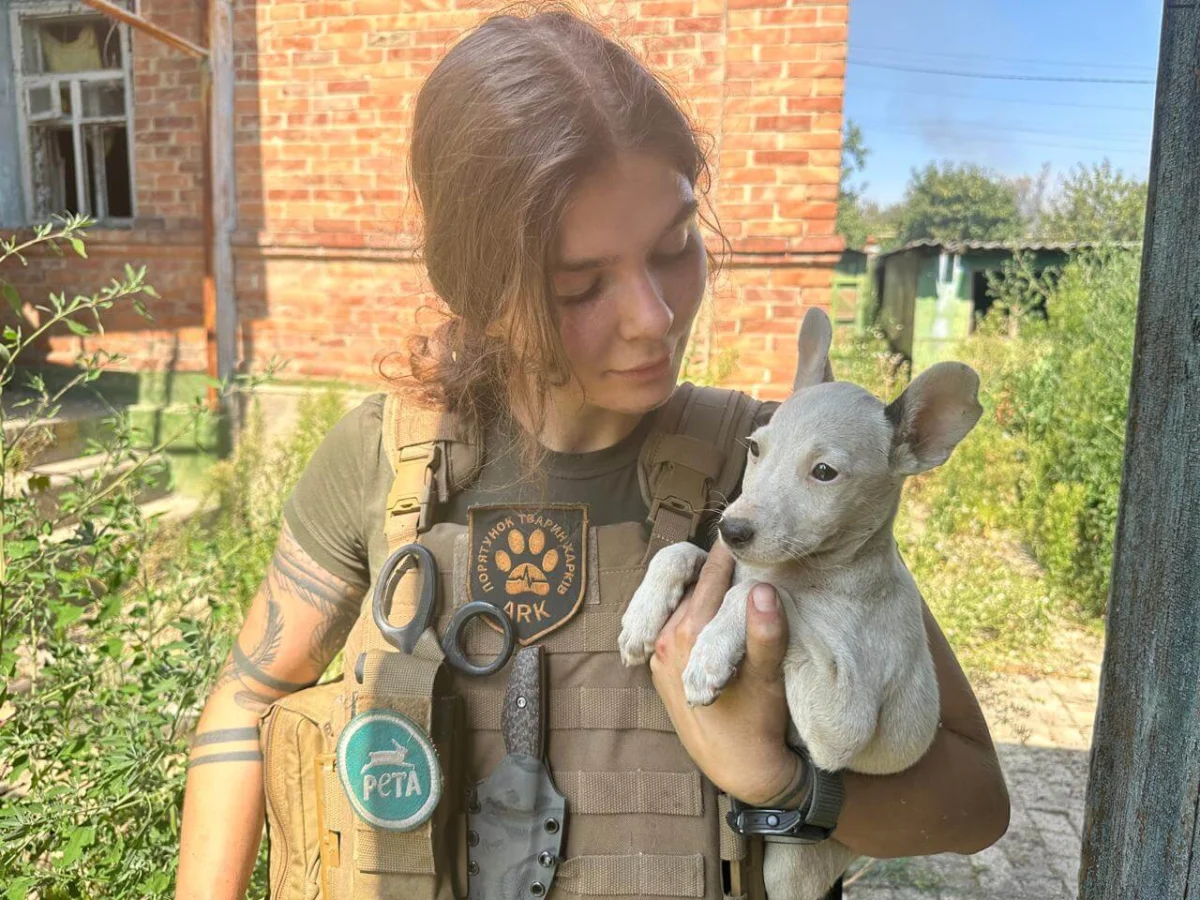
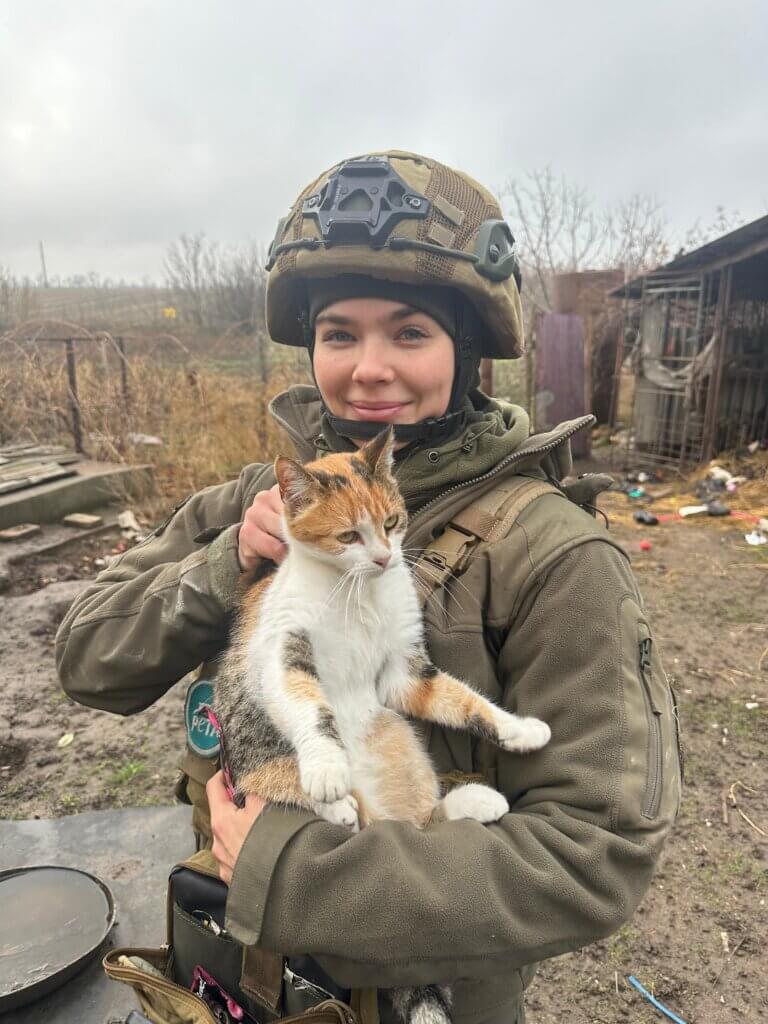
As the conflict in Ukraine enters its fifth year, the humanitarian crisis remains a focal point of global attention, yet a parallel tragedy continues to unfold in the shadows of the 800-mile battlefield frontline. For the domestic and farm animals left behind in the wake of mass human displacement, the environment has transformed into a landscape of terror defined by collapsing infrastructure, chemical-laden smoke, and the persistent roar of heavy artillery. In this high-stakes theater of war, specialized teams from Animal Rescue Kharkiv, supported by PETA Germany and international donors, are navigating an increasingly lethal environment to provide a lifeline to the non-human victims of the struggle. Among these rescuers is Simone Eisenbeiss, a 23-year-old veteran of maritime conservation who has spent the last two years documenting and addressing the deteriorating conditions for animals in the Donbas region and beyond.
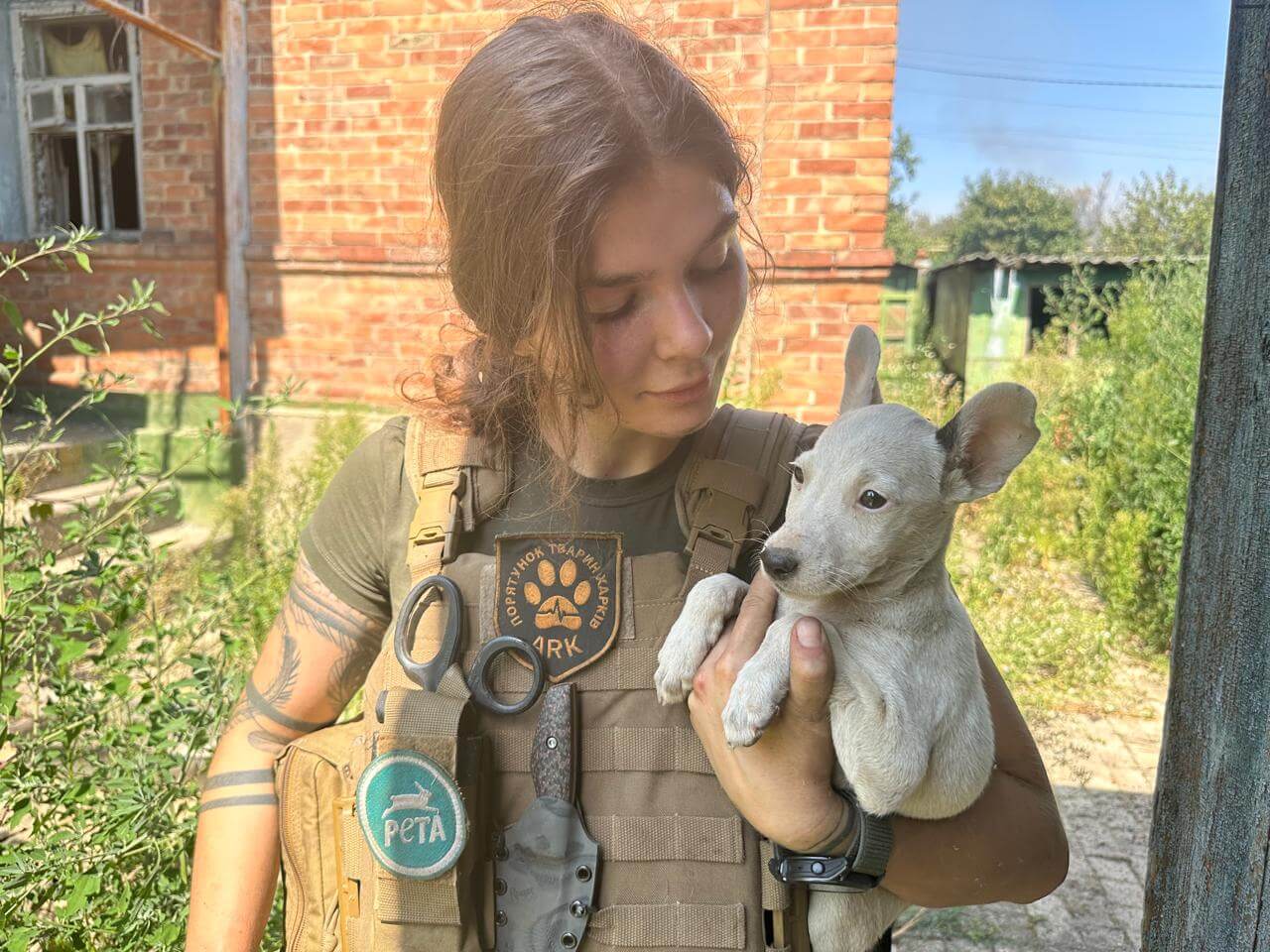
The operational reality for animal rescue teams has shifted dramatically since the early stages of the conflict. In 2024 and 2025, missions were largely dictated by the movement of conventional ground forces and the reach of standard artillery. However, by May 2026, the proliferation of unmanned aerial vehicles (UAVs) has fundamentally altered the risk assessment for every mission. Simone Eisenbeiss, who previously served with Captain Paul Watson and Sea Shepherd to defend marine life, notes that the "drone threat" is no longer confined to the immediate line of contact. Surveillance and kamikaze drones now regularly patrol areas up to 40 kilometers behind the front line, targeting any perceived military movement. This technological evolution has forced rescuers to adopt counter-intuitive survival strategies, such as removing ballistic helmets and body armor in certain zones. The rationale is grimly logical: drones are programmed to identify and strike individuals with military signatures. By appearing as civilians in standard clothing, rescuers hope to avoid being categorized as high-priority combatant targets, even as they remain vulnerable to indiscriminate shelling.
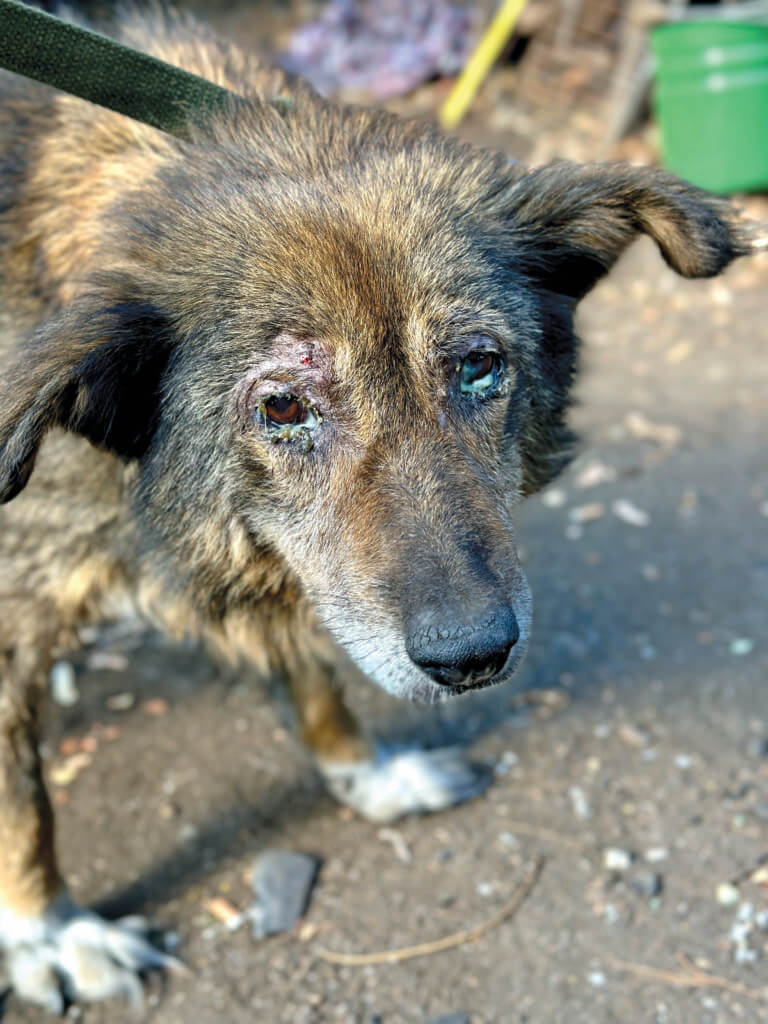
The animals currently being pulled from the ruins are in a state of physical and psychological decline far more severe than those encountered in previous years. Initial rescue efforts in 2022 and 2023 often focused on pets left behind during the first panicked waves of evacuation—animals that were generally healthy but frightened. By 2026, the population of stray and abandoned animals has undergone several cycles of uncontrolled breeding, leading to a surge in zoonotic diseases and genetic complications. Rescuers report that cats and dogs found in areas like Toretsk and Rajske are frequently emaciated, suffering from chronic dehydration, and exhibiting signs of severe trauma. Farm animals, including cows and pigs, are often found with untreated shrapnel wounds or suffering from the effects of starvation as local agricultural supply chains have long since evaporated.

A Chronology of Crisis and Adaptation
The trajectory of animal rescue in Ukraine can be divided into three distinct phases, each requiring a different tactical approach. The first phase, beginning in February 2022, was characterized by mass evacuations. Organizations focused on the logistical challenge of transporting thousands of animals across international borders as refugees fled westward. During this period, the primary obstacles were bureaucratic and logistical, involving the coordination of veterinary passports and the establishment of temporary shelters in neighboring Poland and Romania.
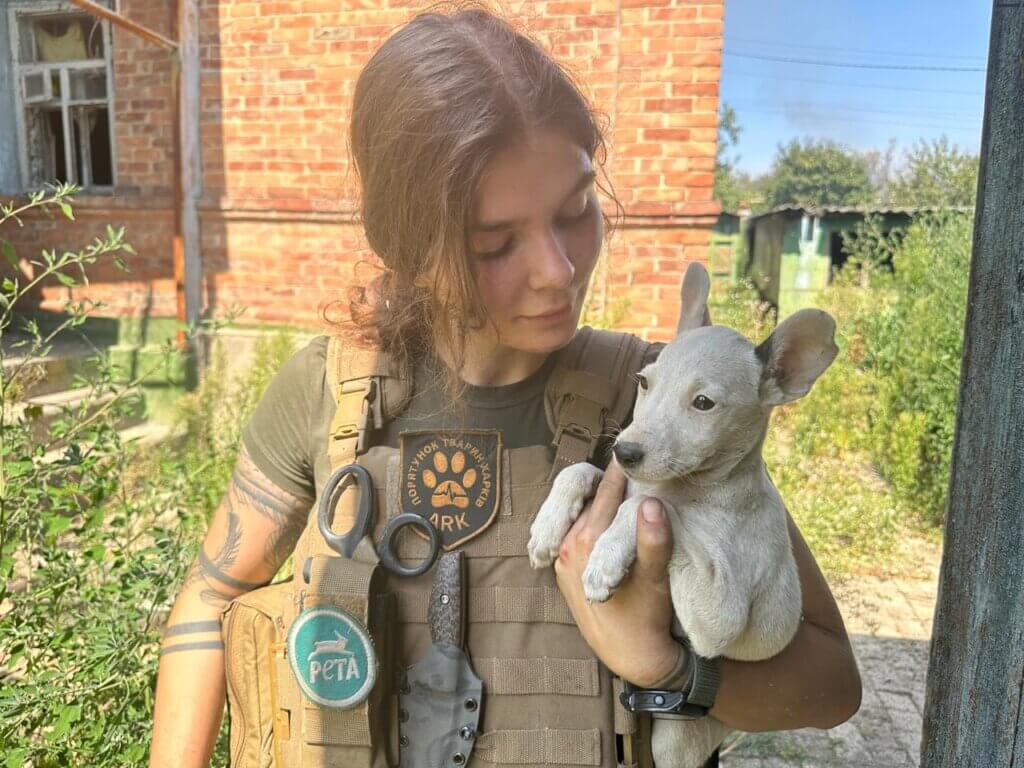
The second phase, spanning 2023 to 2024, saw the stabilization of the frontline and the beginning of "extraction missions." This was when rescuers like Eisenbeiss began entering liberated or contested territories to find animals that had survived in basements and abandoned farms for months. It was during this period that Animal Rescue Kharkiv established its reputation for high-risk operations, utilizing armored vans and specialized veterinary equipment to stabilize animals on-site before transporting them to safer facilities in the rear.
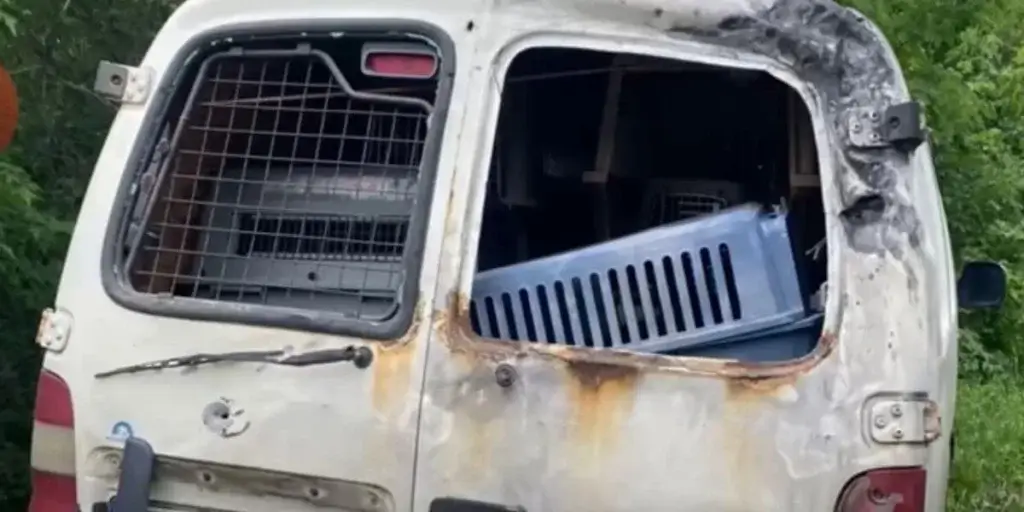
The current third phase, which began in late 2025 and continues into mid-2026, is defined by "asymmetric risk." The frontline is now a saturated electronic warfare environment. Rescuers must contend with signal jamming, which interferes with their own communication and navigation, and the constant presence of "loitering munitions." A recent incident involving a PETA-supported rescue van highlights the danger; the vehicle was struck by a drone while operating in a supposedly "low-risk" zone, resulting in the total loss of the vehicle and specialized medical supplies.
The Rajske Case Study: Risk Versus Compassion
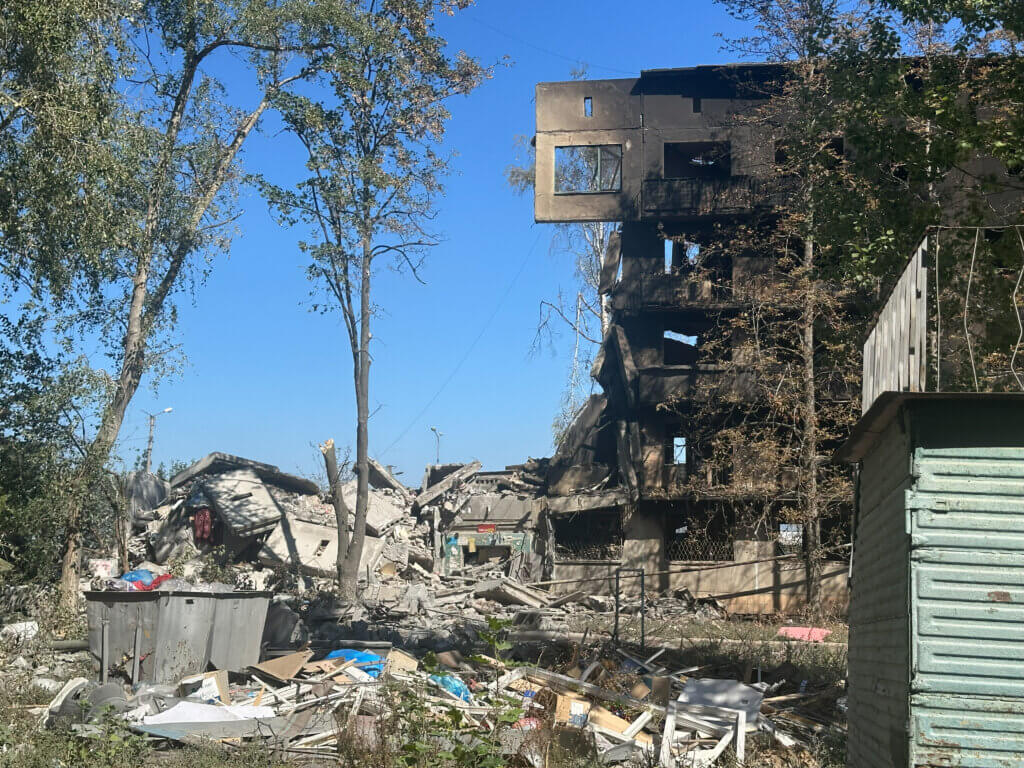
One of the most poignant examples of the current operational climate occurred recently in the village of Rajske. The village, which had been relatively quiet for months, suddenly became a focal point of intense drone activity. Eisenbeiss and her teammate Ruslan were tasked with locating a domestic cat reported by a family who had been forced to flee their destroyed home. Upon arrival, the rescuers found a scene of total devastation. The house was reduced to a pile of brick and timber.
The rescue team spent over thirty minutes under the threat of overhead drones, searching through the rubble. They eventually discovered the cat, a severely dehydrated and emaciated animal, huddled on a partially collapsed veranda. Despite the obvious danger, the cat’s instinct was to remain in the only place it recognized as home, waiting for guardians who would never return. The cat was fearful and retreated into the ruins, forcing the rescuers to engage in a slow, patient extraction process while the sound of nearby explosions intensified. The mission was eventually successful, but it underscored the ethical dilemma faced by rescuers: the expenditure of significant human risk for the life of a single animal. For Eisenbeiss, the answer is found in the intrinsic value of life. She posits that in a conflict where life is often treated as a disposable commodity, the act of risking one’s safety for a "worthless" stray is a powerful assertion of humanity and compassion.
Supporting Data and Veterinary Realities
The scale of the veterinary crisis in Ukraine is reflected in the data provided by PETA Germany and its partners. Since the start of the conflict, over 15,000 animals have been rescued and processed through the Animal Rescue Kharkiv system. However, the nature of the intake is changing.
- Disease Prevalence: In 2026, approximately 75% of rescued animals test positive for one or more serious conditions, including parvovirus, distemper, or feline leukemia.
- Injury Profiles: There has been a 40% increase in blast-related injuries, including deafness and internal organ damage caused by overpressure from thermobaric weapons.
- Malnutrition: The average weight of a rescued adult dog in the Donbas region is 30% below the healthy baseline, indicating long-term food insecurity.
To combat these issues, PETA’s Global Compassion Fund has shifted its focus toward sustainable infrastructure. This includes the maintenance of a high-capacity clinic in Kharkiv that performs surgeries, vaccinations, and sterilizations. The clinic serves as a critical hub, preparing animals for long-term placement in foster homes across Europe. The cost of maintaining these operations has risen sharply due to the inflation of medical supplies and the high cost of fuel and vehicle maintenance in a war economy.
Official Responses and Broader Implications
The work of animal rescue teams has garnered praise from various international animal welfare organizations, yet it remains a grassroots effort largely funded by private donors. PETA Germany has emphasized that the help provided from outside Ukraine—through financial contributions and the provision of supplies—is just as vital as the work performed on the ground. "It’s a group effort," Eisenbeiss noted in a recent briefing. "The rescuers are the hands, but the supporters are the lifeblood that allows those hands to move."
The implications of this work extend beyond individual animal lives. The management of stray populations in a war zone is a public health necessity. Without intervention, the surge in abandoned animals could lead to outbreaks of rabies and other zoonotic diseases that could affect both the remaining civilian population and military personnel. Furthermore, the psychological impact of seeing animals cared for provides a sense of normalcy and hope for Ukrainian civilians who have lost everything else.
As the conflict continues with no clear resolution in sight, the mission of Animal Rescue Kharkiv and PETA remains unchanged but increasingly difficult. The shift toward more dangerous, drone-saturated environments requires constant tactical adaptation and a profound level of personal courage from rescuers. The story of Simone Eisenbeiss and her colleagues serves as a testament to the enduring human-animal bond. Even in the most desolate landscapes of modern warfare, the impulse to protect the vulnerable remains a powerful force, driving young advocates to face the "knot in their stomach" and head toward the frontline once again.
The long-term goal for these organizations is not just survival, but the eventual rehabilitation of the region’s domestic and wild animal populations. This includes the massive task of demining agricultural lands so that livestock can safely graze and the restoration of veterinary services in rebuilt towns. Until then, the focus remains on the next mission, the next ruined house, and the next animal waiting in the smoke for a hand to reach out and pull it to safety. The work is a grueling, often heartbreaking endeavor, but as the team in Kharkiv maintains, every life saved is a victory against the darkness of the ongoing conflict.

