


The Eastern Rosella (Platycercus eximius) stands out in the avian world not merely for its vibrant plumage, but also for its adaptable nature, extensive range, and multifaceted relationship with human environments. While parrots are universally recognized for their striking coloration, the Eastern Rosella elevates this characteristic to an extraordinary degree, featuring a vivid mosaic of red, yellow, green, blue, and black that makes it virtually impossible to overlook in its native Australian habitats. This medium-sized parrot, typically measuring around 30 centimeters (12 inches) in length and weighing approximately 100 grams, is a testament to natural beauty and ecological resilience, thriving across a significant portion of southeastern Australia and establishing introduced populations in New Zealand.
Beyond its aesthetic appeal, the Eastern Rosella is known for a personality that combines sociability with independence, making it a popular choice in the aviculture community. However, its widespread success and adaptability also present ecological complexities, particularly concerning its interactions with agriculture and its status as an introduced species in some regions. This comprehensive overview delves into the Eastern Rosella’s distinctive appearance, geographical distribution, dietary habits, conservation status, and the considerations involved in its care as a companion animal.
Distinctive Plumage and Subspecies Variation
The Eastern Rosella’s appearance is arguably its most defining feature. Its head and chest are adorned with a brilliant scarlet red, sharply contrasting with prominent white cheek patches. The transition to a yellow-green belly and undertail coverts (often referred to as ‘pants’ in more colloquial descriptions) adds another layer of color. The upper wings display a striking scalloped pattern of yellow-green and black, while the back feathers are predominantly green. The undersides of its wings are a vibrant blue, culminating in a long, elegant blue-green tail. This intricate palette makes it one of the most visually arresting birds in the Australian avifauna.
The species is further diversified into three recognized subspecies, each exhibiting subtle regional variations in plumage intensity and size, reflecting adaptations to their specific environments:
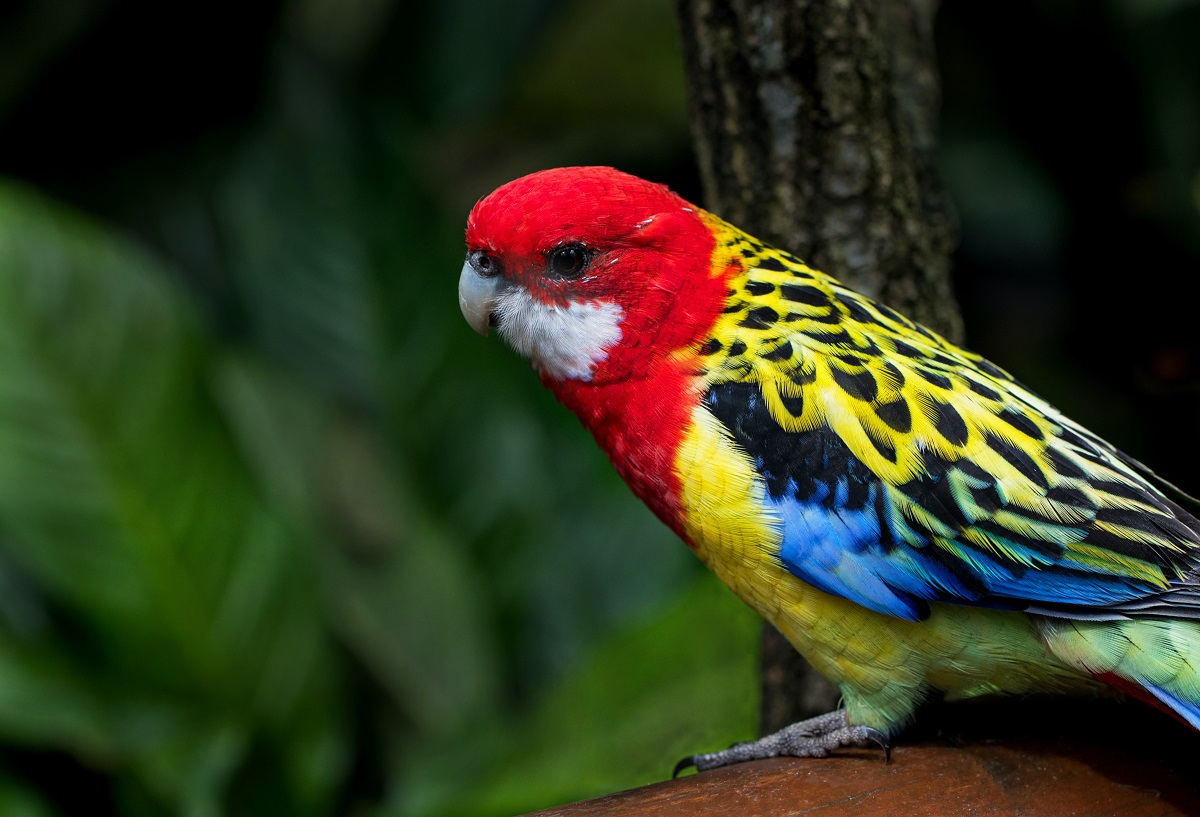
- Platycercus eximius eximius (the nominate subspecies): Predominantly found in Tasmania and southern Victoria, this form is characterized by its rich, deep colors.
- Platycercus eximius elecica (also known as the Northern Rosella): Inhabiting northeastern New South Wales and southeastern Queensland, this subspecies typically displays a more yellowish-green hue on its back and rump, with a slightly brighter red on its head and chest.
- Platycercus eximius diemenensis: Exclusively found in Tasmania, this subspecies is noted for being slightly larger and having whiter cheek patches compared to the nominate form.
Juvenile Eastern Rosellas present a muted version of the adult’s splendor. Their colors are generally duller, and their beaks are initially yellow, gradually transitioning to the adult’s off-white or horn color after their first molt. This critical molt typically occurs between two and six months of age, after which they attain their full adult coloration and sexual maturity.
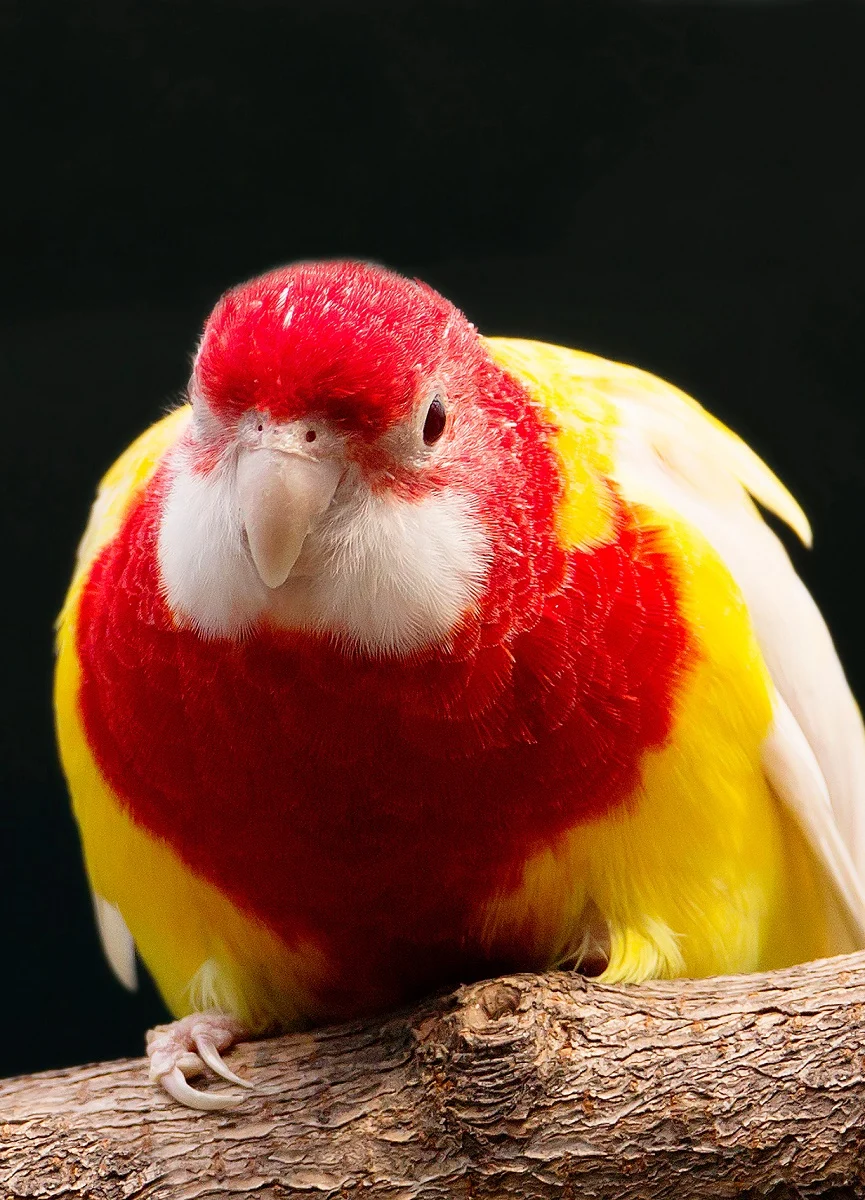
Beyond natural variations, selective breeding within the pet trade has led to the development of various color morphs. The "Rubino" morph, for example, is particularly common, characterized by its striking red, yellow, and white coloration, conspicuously lacking the natural blue, green, or black pigments. These morphs highlight human intervention in aesthetics, creating birds with entirely novel appearances compared to their wild counterparts.
Hybridization in the Wild
The genus Platycercus is known for its members’ ability to interbreed, leading to the occurrence of hybrid birds in areas where their ranges overlap. This phenomenon is not uncommon, and birdwatchers occasionally encounter rosellas with unusual plumage patterns that are a blend of two species. Notable hybrids include crosses between the Eastern Rosella and the Crimson Rosella (P. elegans), as well as with the Pale-headed Rosella (P. adscitus). These hybrid individuals can exhibit a fascinating mix of parental traits, often resulting in unique and visually striking birds, but also posing challenges for species identification and potentially influencing the genetic integrity of local populations.
Sexual Dimorphism and Identification
While both male and female Eastern Rosellas share the species’ characteristic vibrant plumage, subtle differences can aid in visual sexing once the birds are fully mature and have completed their first molt. Males generally exhibit brighter, more intense coloration, particularly the red on their head and chest, and tend to have larger, broader heads. Their white cheek patches are also often more pronounced. Females, conversely, may have slightly duller plumage, and their heads can appear somewhat smaller and rounder. However, these distinctions can be subtle and are not always reliable for definitive sex determination, especially with individual variation. For precise sexing, DNA testing remains the most accurate method.
Geographical Distribution and Natural Habitat
The Eastern Rosella’s name aptly describes its primary distribution. It is endemic to Eastern and Southeastern Australia, with a native range extending through southeastern Queensland, eastern New South Wales, Victoria, and across to the island of Tasmania. Its success in these regions is partly attributed to its adaptability to modified landscapes.
The species is not native to New Zealand but has established multiple self-sustaining populations there as an introduced species. Historical records indicate that these introductions were a mix of accidental escapes and deliberate releases. For instance, reports from the early 20th century detail incidents such as the escape of 12 rosellas in Dunedin after their cage was destroyed, and a significant release in 1910 when a shipment of birds was denied entry by the New Zealand Customs Department. These initial events provided the founding populations for the now widespread presence of Eastern Rosellas across both North and South Islands, particularly in urban and semi-urban areas.
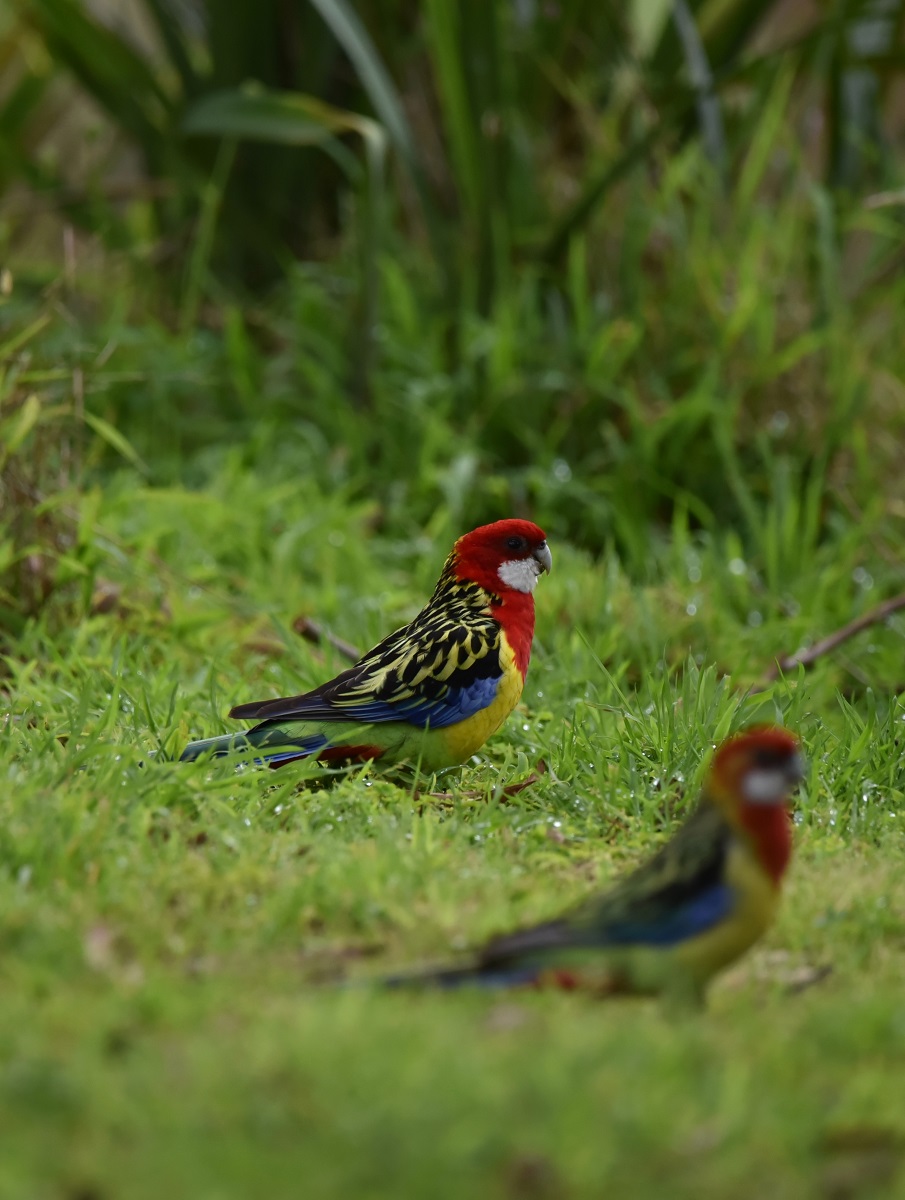
Eastern Rosellas thrive in lightly wooded environments, demonstrating a preference for open forests, forest edges, and areas with scattered Eucalyptus trees. They readily adapt to human-modified landscapes such as parks, gardens, orchards, and farmland, often utilizing these areas for foraging. They are typically found at moderate altitudes, up to approximately 1,250 meters (4,100 feet), and favor zones with consistent rainfall or proximity to reliable water sources. In the wild, they are usually observed in pairs or small family groups, occasionally congregating with other parrot and rosella species. Like many parrots, they are cavity nesters, relying on hollows in mature trees for breeding, a critical resource that can become limited in fragmented landscapes.
Dietary Habits and Ecological Impact
The Eastern Rosella’s diet is diverse, primarily consisting of seeds, fruits, and vegetative matter, supplemented with insects. They are particularly fond of thistle seeds and various fruits, with apples being a notable favorite. Research has documented their consumption of a wide array of berries, flowers, flower buds, and even small invertebrates, particularly during breeding season when protein requirements increase. This broad diet contributes to their adaptability and ability to thrive in varied environments.
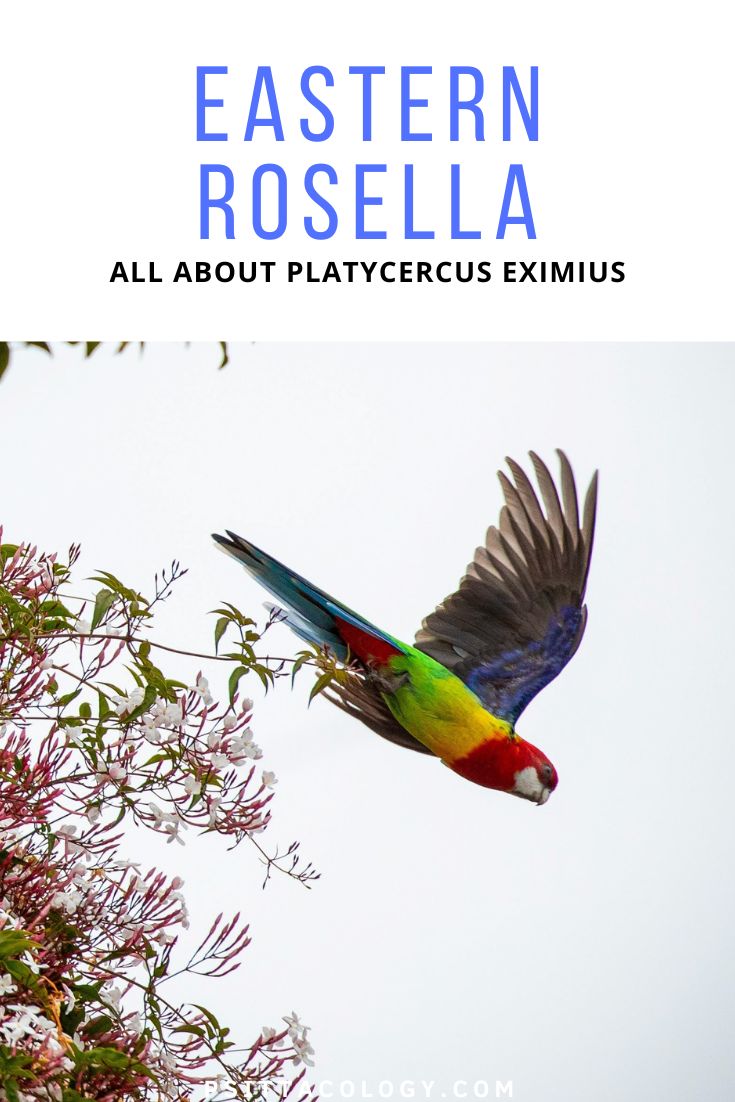
However, this dietary flexibility has also positioned the Eastern Rosella in conflict with human agricultural interests. For centuries, since European settlement in Australia, the species has been regarded as an agricultural pest. They are notorious for raiding orchards, grain fields, and other cultivated crops, causing significant economic damage to harvests. This long-standing conflict has led to farmers being granted permits to cull rosellas under strict conditions, requiring proof of substantial crop damage and the exploration of non-lethal deterrents before lethal control measures are authorized. This situation highlights a complex dilemma: protecting agricultural livelihoods versus conserving native wildlife.
In captivity, replicating this varied diet is crucial for the health and longevity of pet Eastern Rosellas. Veterinary consensus, including insights from avian specialists, advocates for a base diet of high-quality, formulated pellets, which provide balanced nutrition. This should be supplemented daily with a wide range of fresh produce, including leafy greens (kale, spinach), root vegetables (carrot), and bell peppers. Fruits such as apples, bananas, and oranges can be offered a few times a week. Further dietary enrichment can include sprouted seeds, cooked whole grains (e.g., brown rice, whole-wheat pasta), and occasional protein sources like boiled egg or freeze-dried mealworms, particularly for breeding birds. Offering parrot-safe foraged items like branches, weeds, and flowers also provides both nutritional benefits and mental stimulation.
Conservation Status and Population Dynamics
The International Union for Conservation of Nature (IUCN) Red List currently classifies the Eastern Rosella as a species of "Least Concern." This favorable status is attributed to its wide natural range and an observed increase in population trends. Ironically, this population increase is often linked to anthropogenic changes in the landscape, particularly habitat degradation. The conversion of native forests into agricultural land, while detrimental to many species, creates ideal open, lightly wooded environments for the Eastern Rosella, providing abundant food sources in the form of cultivated crops like maize and various grains. This highlights a complex ecological dynamic where a species benefits from human-induced environmental alterations.
However, the introduction of Eastern Rosellas to New Zealand presents a different conservation narrative. As an introduced species, they compete with native New Zealand birds for food and nesting sites, particularly hollow trees, which are a limited resource. They can also potentially transmit diseases to native avian populations. While their impact is generally considered moderate compared to some other invasive species, their presence necessitates ongoing monitoring and management efforts to mitigate potential ecological disruptions.
The Eastern Rosella as a Companion Bird
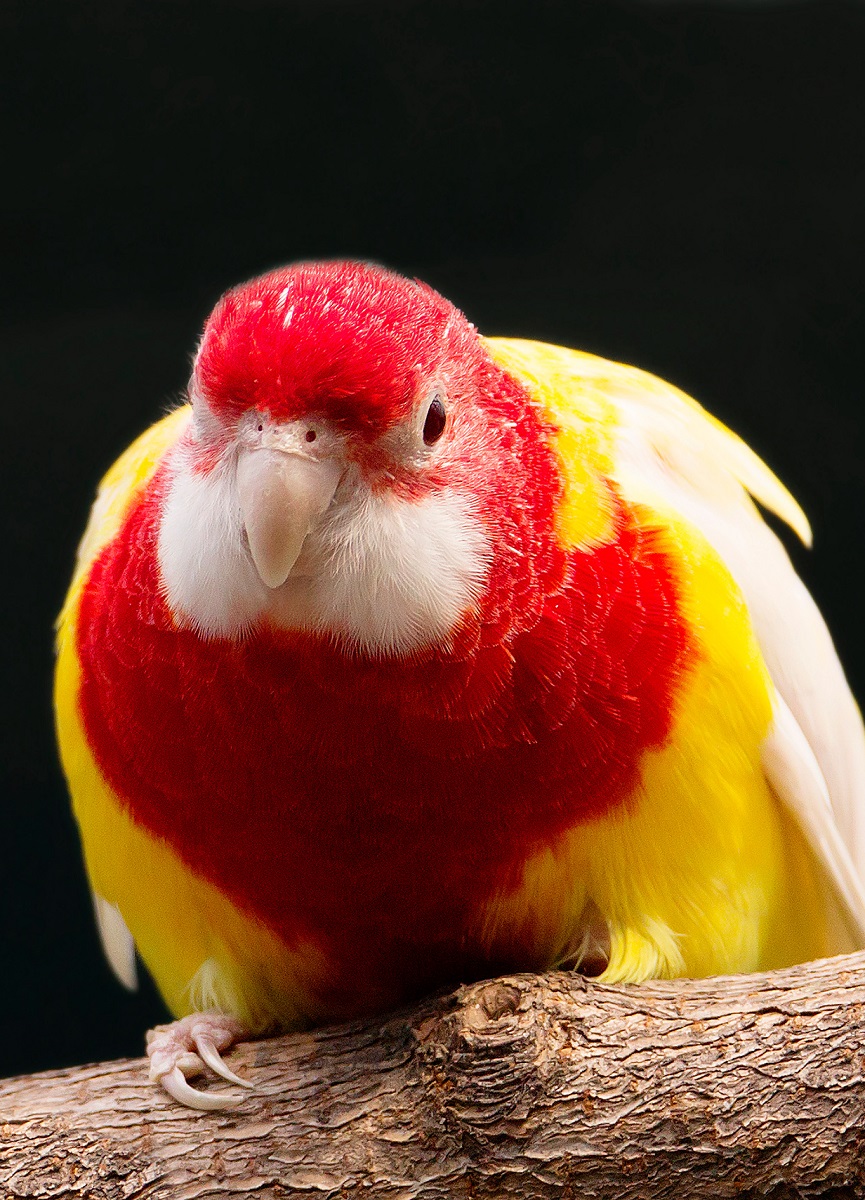
The Eastern Rosella’s engaging personality and striking appearance have made it a popular choice in aviculture. While often kept in outdoor aviaries for their visual appeal, their territorial nature can make them challenging to house with other bird species, particularly smaller ones like budgerigars. However, a well-socialized Eastern Rosella can make an excellent indoor companion. They are known for being active, curious, and social, though often more independent than some other parrot species. Many still form strong bonds with their human caregivers and enjoy interactive playtime.
Housing Requirements:
Providing adequate housing is paramount for the well-being of a pet Eastern Rosella. A minimum cage length of 1 meter (40 inches) is recommended to allow the bird ample space to stretch its wings and move comfortably. Bar spacing should not exceed 1.25 centimeters (0.5 inches) to prevent escapes or injuries. The cage should be equipped with a variety of natural perches of different diameters to promote foot health, food bowls, and multiple sources of fresh water, including a shallow dish for bathing.
Enrichment and Mental Stimulation:
Given their high intelligence, Eastern Rosellas require significant mental and physical stimulation to prevent boredom, stress, and behavioral issues such as feather plucking. A diverse array of parrot-safe toys, including foraging toys, chew toys, and puzzle toys, should be regularly rotated to maintain interest. Opportunities for foraging, such as hiding treats in toys or scattered throughout the cage, mimic natural behaviors. Regular social interaction with caregivers, including talking, playing, and training, is also vital. Providing opportunities for bathing, whether through a shallow water dish or a gentle misting, contributes to feather health and enjoyment.
Vocalization and Mimicry:
Compared to some of the larger, louder parrot species, Eastern Rosellas are generally considered to have a relatively low noise level. Their vocalizations typically consist of pleasant whistles, chattering, and cheerful cheeps, rather than the piercing flock calls common to many other parrots. This makes them a more suitable choice for apartment living, provided walls are not excessively thin. While not among the most prolific talkers, Eastern Rosellas can learn to mimic household sounds and, with consistent training and patience, may even pick up a few words or short tunes, adding another dimension to their companionship. Resources like Xeno-Canto offer recordings of their natural calls for those interested in their vocal repertoire.
Safety and Emergency Preparedness:
Parrots are inherently curious and possess a delicate physiology, making them susceptible to household hazards. Parrot-proofing any area where a rosella has access is essential. This includes securing windows and doors, removing toxic plants, ensuring no access to household chemicals, and covering open water sources. Owners should also be familiar with basic parrot emergency care, including recognizing signs of illness or injury, and establishing a relationship with a qualified avian veterinarian for regular check-ups and prompt medical attention when needed. The average lifespan of an Eastern Rosella in captivity can range from 20 to 30 years with proper care, underscoring the long-term commitment required for their ownership.
In conclusion, the Eastern Rosella is more than just a beautiful bird; it is a species that embodies a complex interplay of natural adaptability, ecological success, agricultural conflict, and the responsibilities inherent in human-animal interactions. Its vibrant presence enriches Australian landscapes, while its popularity as a pet highlights the enduring appeal of these intelligent and colorful creatures. Understanding its biology, behavior, and ecological context is crucial for ensuring the continued well-being of both wild and captive populations.

