


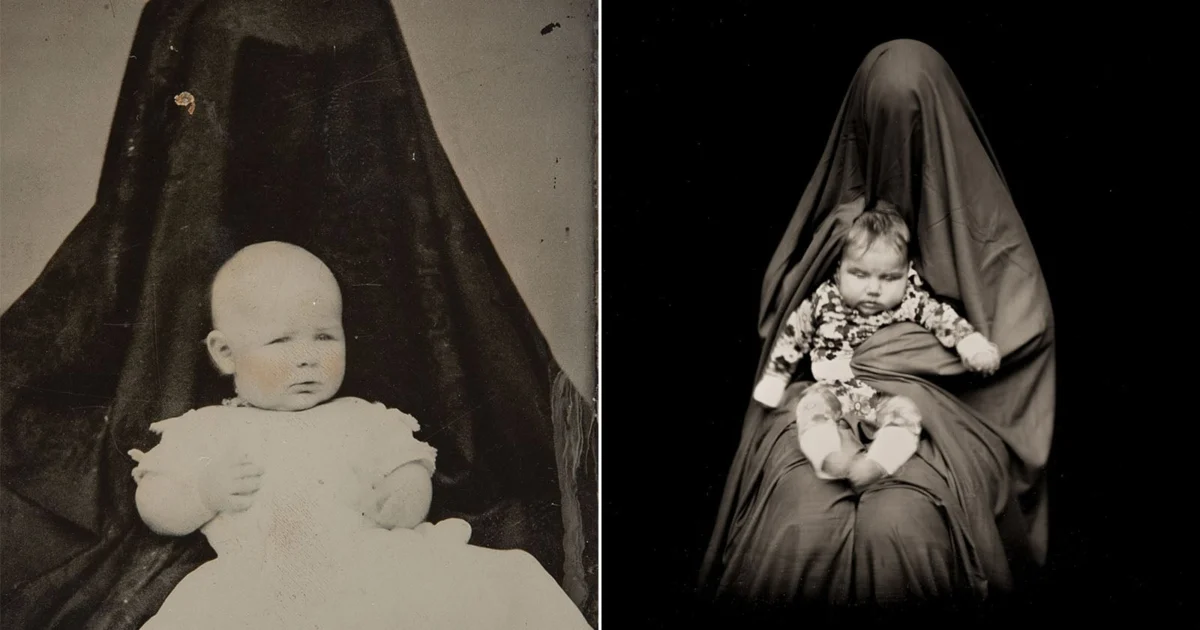
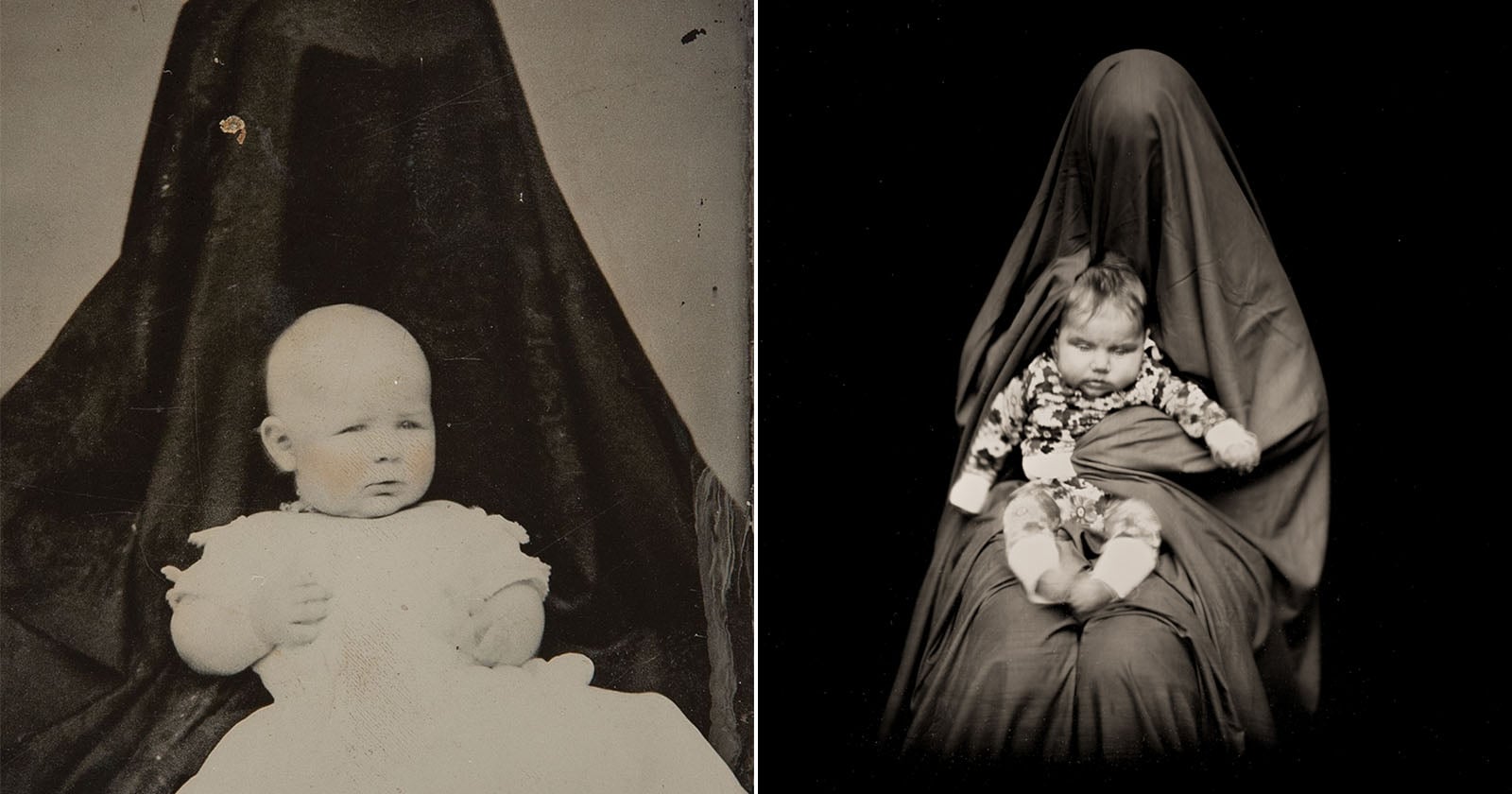
The "Hidden Mother" genre of photography represents a fascinating intersection of technological limitation and parental devotion during the 19th and early 20th centuries. These portraits, which feature an adult obscured by blankets, curtains, or elaborate props while holding a child, have long puzzled modern audiences. Often dismissed by contemporary observers as ghoulish or surreal, these images were, in reality, a pragmatic solution to the severe technical constraints of early photography. By examining the history of the wet plate collodion process and the evolution of photographic exposure times, it becomes clear that these images serve as a testament to the lengths parents would go to preserve the memory of their children in an age before instant digital imagery.
The Technical Genesis of the Hidden Mother
The origins of this photographic trend date back to the late 1830s, shortly after the introduction of the daguerreotype. Photography in its infancy was a slow, deliberate, and highly unstable process. In the mid-19th century, the wet plate collodion process, invented by Frederick Scott Archer in 1851, required the photographic plate to be sensitized, exposed, and developed while still wet. This necessitated a portable darkroom and, crucially, an exposure time that could last anywhere from several seconds to several minutes, depending on the available natural light and the sensitivity of the chemicals.
For a portrait to be sharp, the subject needed to remain perfectly still. While adults might be coached to hold their breath or maintain a rigid posture, infants and young children proved nearly impossible to capture. A child’s natural restlessness, combined with the extreme length of exposure, almost always resulted in a blurred, unrecognizable figure. To mitigate this, photographers and parents collaborated to create a human tripod. By swathing the mother in dark, heavy fabric—or sometimes hiding her behind a piece of furniture—the photographer could ensure the child remained supported and steady while rendering the parent as an indistinct, ghostly backdrop that the eye was encouraged to overlook.
A Chronology of the Practice
The practice of the "Hidden Mother" was not a fleeting trend but a standard studio procedure that spanned several decades.
- 1839–1850s: The emergence of the daguerreotype marks the earliest attempts at portraiture. Exposure times were often so long that subjects required headrests to prevent movement.
- 1851–1880s: The dominance of the wet plate collodion process refined the "Hidden Mother" technique. Studios standardized the use of dark fabrics and props, turning the act of hiding the parent into a professional service.
- 1880s–1920s: As dry plate technology and faster film stocks emerged, exposure times dropped from minutes to seconds. The necessity of the "hidden" assistant began to wane.
- 1920s–Present: The widespread adoption of consumer cameras with faster lenses and shutters rendered the practice largely obsolete, shifting the "Hidden Mother" from a functional necessity to a historical curiosity.
The Anatomy of the Studio Portrait
In a contemporary setting, wet plate photographer Shane Balkowitsch has sought to replicate these historical conditions to better understand the logistical challenges faced by 19th-century practitioners. Using an 8×10 large format camera with a Carl Zeiss Tessar 250mm lens at f/4.5, Balkowitsch highlights that even with modern materials, a 6-to-12-second exposure is a grueling endeavor.
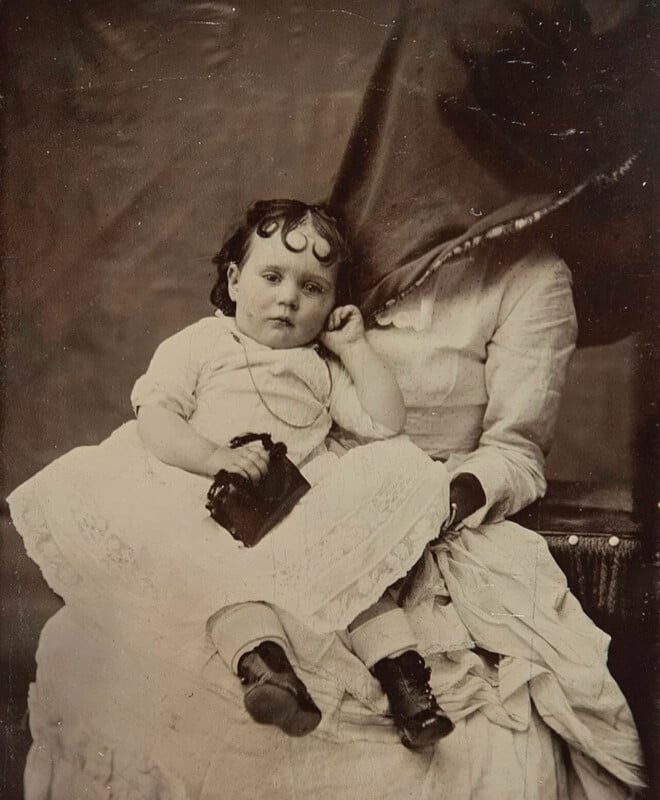
The psychological comfort provided by the "hidden" parent was a secondary, yet vital, component of the process. A child held by a shrouded mother felt the security of touch and the familiarity of a voice, which helped them remain calm. Furthermore, the use of auxiliary assistants—often a father or a studio hand—to distract the child with toys or rattles provided the necessary engagement to keep the infant’s gaze fixed toward the lens. When viewed through this lens, the images lose their "spooky" reputation and are revealed to be intimate, functional records of family life.
Dispelling Myths: The Role of the Headbrace
One of the most persistent misconceptions regarding Victorian photography is the association between the "Hidden Mother" and post-mortem portraiture. A common narrative suggests that these images, along with the use of iron headbraces, are evidence of deceased subjects being propped up for a final photograph.
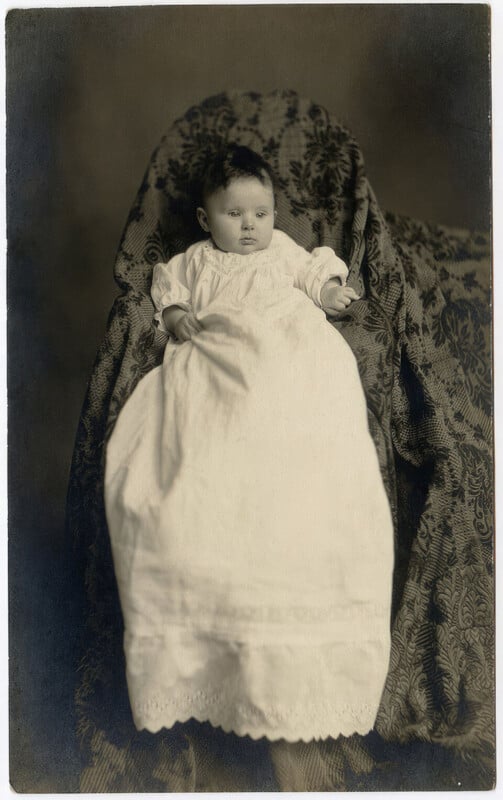
Historical evidence firmly contradicts this. The iron stands—or posing stands—found in 19th-century studio archives were purely ergonomic tools designed to assist living subjects in maintaining a pose for extended durations. These devices supported the head and back, allowing the subject to remain still without succumbing to muscle fatigue or the urge to fidget. Authentic post-mortem photography did exist, but it was a distinct sub-genre with its own stylistic conventions. The "dead weight" of a human body would be impossible for the lightweight, adjustable iron stands of the era to support, debunking the macabre theories often propagated in modern internet subcultures.
Economic and Cultural Value
The rarity and unique aesthetic of "Hidden Mother" photographs have elevated them to highly sought-after artifacts in the collector’s market. In 2013, the publication of Linda Fregni Nagler’s book, The Hidden Mother, cataloged over 1,000 examples of the genre, cementing its status as a recognized category of photographic history. Original plates and tintypes from this period frequently command high prices at auction, as they represent a tangible link to a time when photography was a monumental, expensive, and rare occasion.
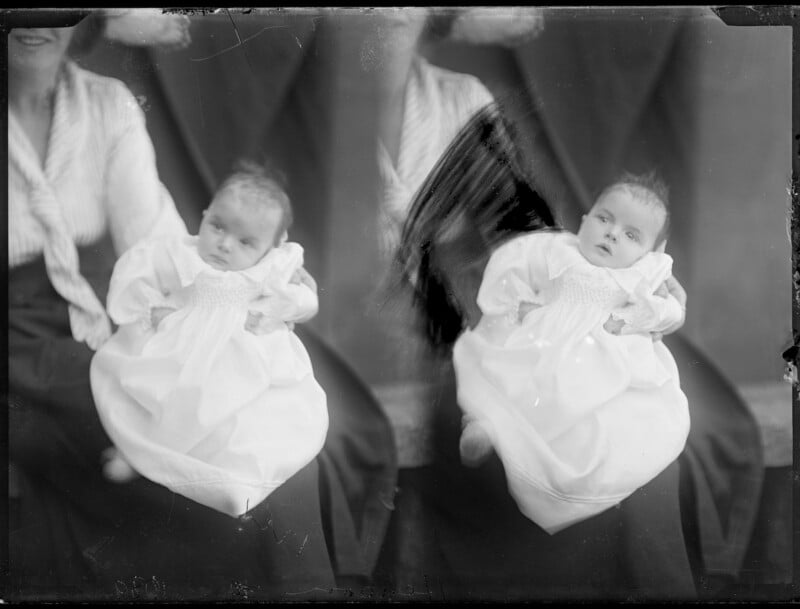
The financial barrier to entry for collecting these items is significant, but the historical value is perhaps even greater. As institutions like the Smithsonian and the Library of Congress continue to archive these works, they provide a window into the evolution of family dynamics and domestic life. These images challenge the modern viewer to consider the ephemeral nature of the digital photograph. In the 1850s, a photograph was an investment of time, money, and planning—a deliberate act of creation intended to last for centuries.
Implications for Modern Photography
The transition from the slow, physical process of the wet plate to the instantaneous nature of modern digital photography has fundamentally altered our relationship with the image. Today, millions of images are generated daily, most of which are never printed and exist only on servers that require constant software and hardware updates to remain accessible.
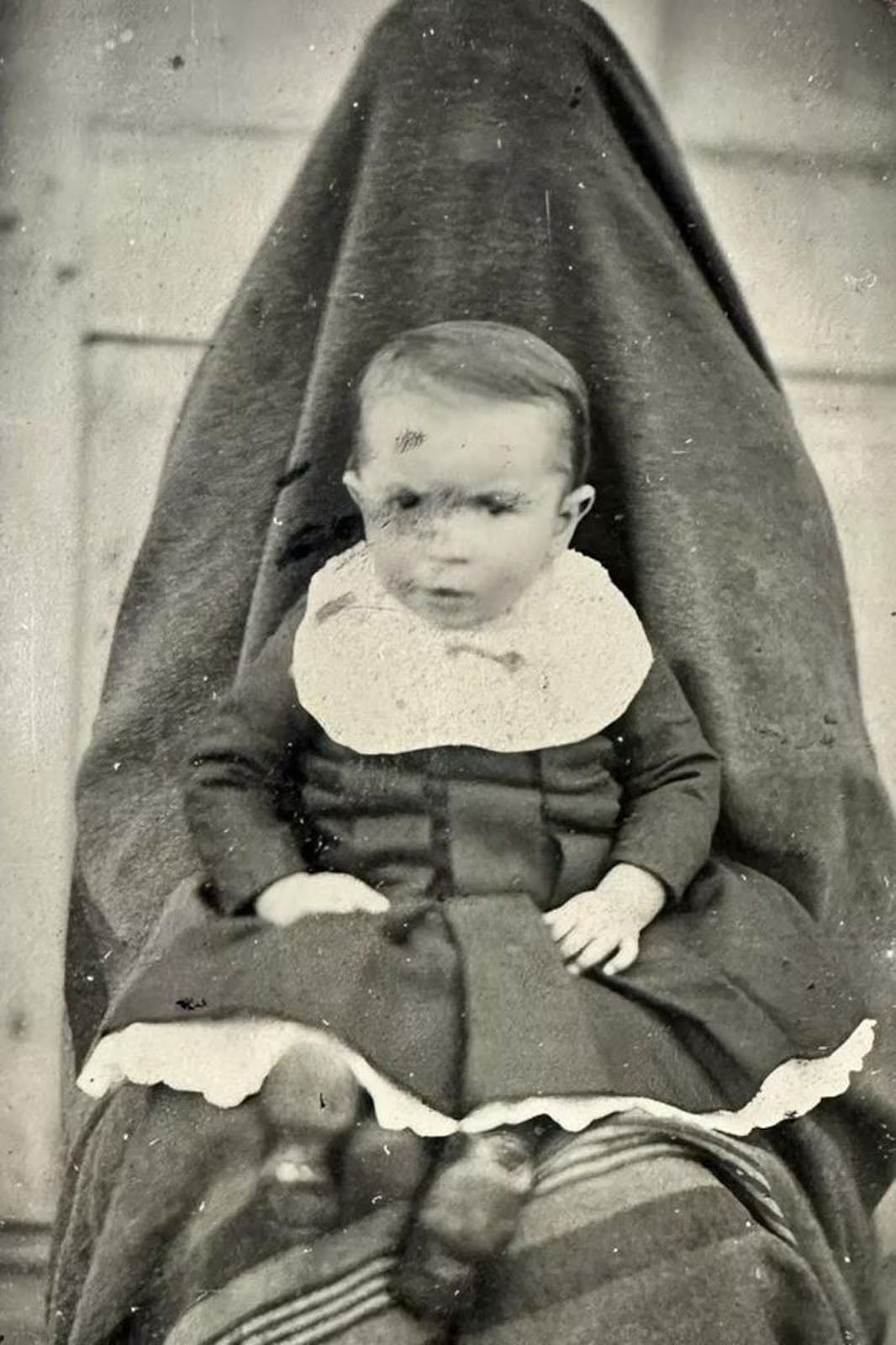
The "Hidden Mother" photographs, etched in silver on glass or metal, are fully archival and capable of lasting over a millennium if properly stored. This contrast raises critical questions about the digital age: what portion of our current visual history will survive the inevitable obsolescence of modern technology? While we have achieved the goal of universal access to photography, we may have sacrificed the longevity and intentionality that defined the work of early photographers.
The "Hidden Mother" serves as more than just a historical anomaly; it is a reminder of the persistence of the human spirit in the face of technical limitation. Whether in the 1850s or the 2020s, the drive to capture the image of a loved one remains a universal human endeavor, even if the methods to achieve that goal have changed beyond recognition. By peeling back the layers of these photographs, we gain a deeper appreciation for the artistry, patience, and love that were captured beneath the shroud.

