


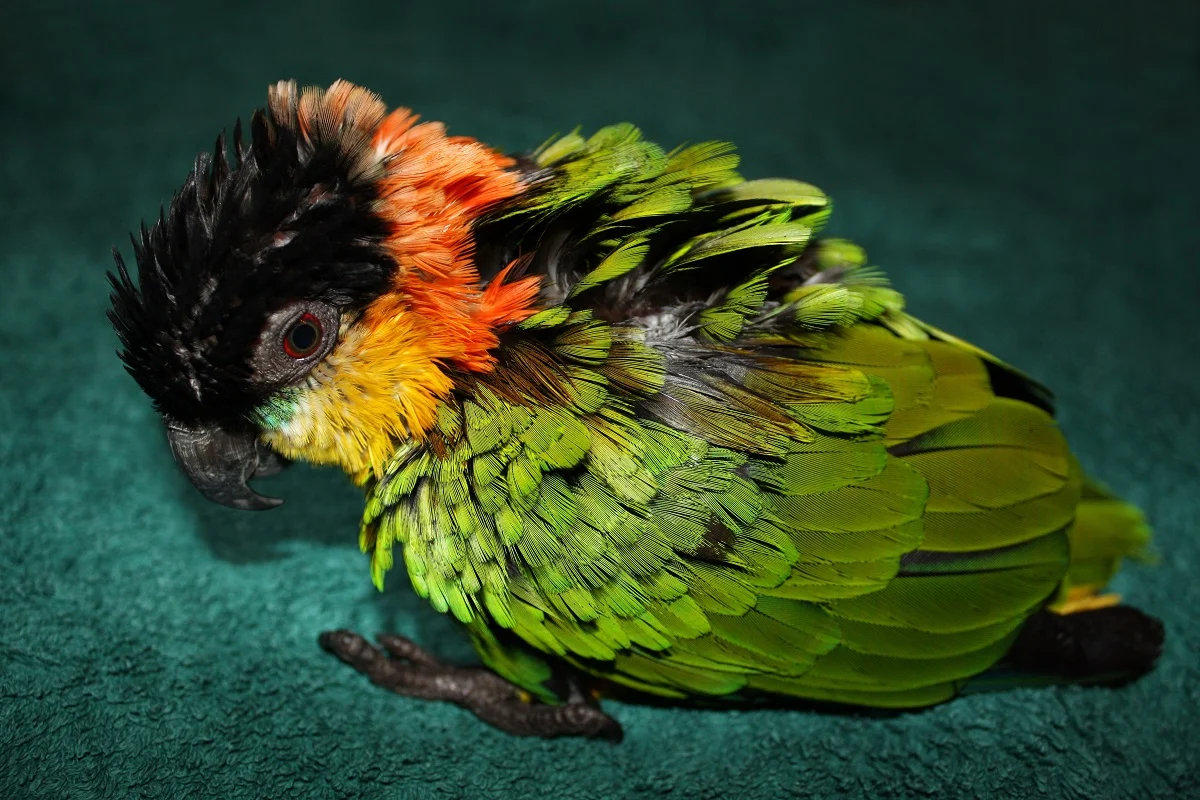
The prospect of a beloved parrot falling ill or sustaining an injury is a daunting one for any avian caretaker. Yet, confronting this reality is paramount, as proactive preparation for medical emergencies can dramatically influence the outcome, often marking the difference between life and tragic loss. Many parrot owners may not immediately know how to respond to acute bleeding, lack immediate access to an avian veterinarian’s contact information, or possess a readily available first-aid kit tailored for their feathered companion. If these critical gaps in preparedness exist, or for those contemplating welcoming a parrot into their home, a thorough understanding of emergency protocols is indispensable for ensuring the best possible chances of survival and recovery.
It is crucial to preface this guide with an urgent directive: if a parrot is currently experiencing a medical emergency that is clearly time-sensitive, such as severe respiratory distress, unresponsiveness, or profuse bleeding, immediate cessation of reading is advised. The bird should be swiftly and carefully placed in a carrier, and the nearest avian veterinarian contacted while en route. For situations where the urgency is less apparent, a call to the avian vet from home to describe symptoms can guide the next steps. In the rare instance an avian vet is unavailable, owners should still attempt to reach other clinics while simultaneously implementing basic supportive care measures outlined in subsequent sections.
Proactive Prevention: The Cornerstone of Avian Safety
Preventative measures form the bedrock of avian emergency preparedness, significantly reducing the likelihood of critical incidents. The foremost step is establishing a relationship with a qualified avian veterinarian before any emergency arises. Avian medicine is a specialized field, and not all general practice veterinarians possess the requisite experience with birds. Ensuring the chosen vet has a proven track record with parrots is non-negotiable. Their contact information should be prominently saved in all household phones. Furthermore, financial foresight is critical; maintaining an emergency veterinary fund or securing pet insurance can mitigate the often substantial costs associated with specialized avian treatments.
Beyond professional medical connections, three primary areas of proactive preparation can substantially prevent emergencies or, failing that, prevent their escalation.
Habitat Safety and Parrot-Proofing
Prevention begins at home. Experienced parrot owners often develop an instinctive awareness of potential hazards, yet periodic reviews of best practices are always beneficial. For new parrot owners, understanding the intrinsic traits of these intelligent creatures is vital: parrots are intensely curious and remarkably sensitive, a combination that regrettably makes them highly susceptible to accidents.
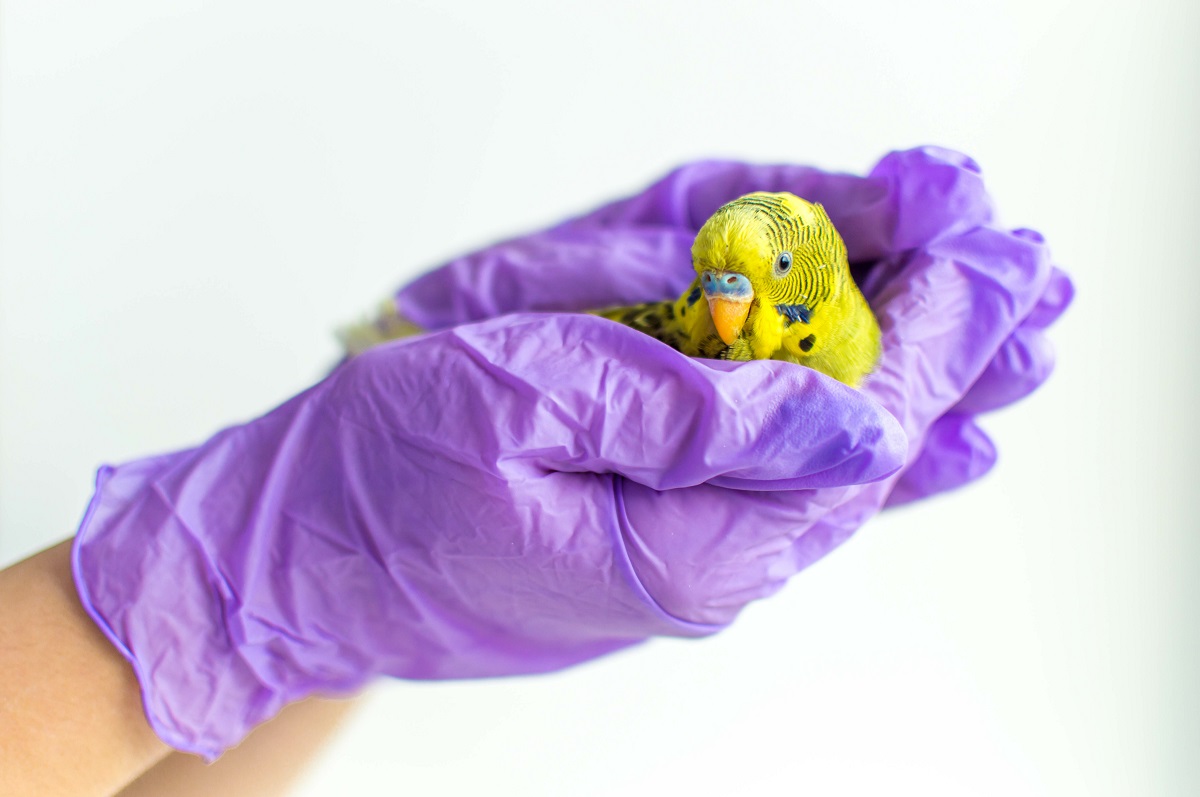
Parrots possess an almost uncanny ability to find trouble, whether it’s chewing through electrical cords, ingesting toxic houseplants, becoming entrapped in confined spaces, or escaping through unsecured openings. Such incidents underscore the necessity of "parrot-proofing" any area a bird may access. This meticulous process includes ensuring all windows and doors are securely closed, denying access to other household pets, and systematically removing all potentially toxic or dangerous items. Common household hazards include cleaning products, certain human foods (e.g., avocado, chocolate, caffeine), heavy metals (e.g., lead, zinc found in older cages or galvanized wire), and seemingly innocuous items like open toilets or simmering pots of water.
It is equally important to "parrot-proof" the bird’s own cage. Not all commercially available parrot toys are inherently safe, and even safe ones can become hazardous as they degrade. Regular inspection of toys for frayed ropes, sharp edges, or small ingestible parts is essential. Additionally, impeccable cage hygiene is paramount in preventing bacterial, fungal, and parasitic infections that can quickly compromise a parrot’s health.
Data Point: According to avian veterinary reports, a significant percentage of non-trauma related emergencies in companion parrots can be traced back to environmental factors or inadequate diet, highlighting the importance of thorough parrot-proofing and proper husbandry.
Assembling the Essential Parrot First Aid Kit
Despite the most stringent preventative efforts, accidents are an unfortunate reality. A parrot’s toe might become caught, it might collide with a reflective surface, or a fragile blood feather could break, leading to significant bleeding. These scenarios are not meant to induce fear but to underscore the necessity of preparedness. A well-stocked avian first aid kit, kept in an easily accessible location, is an invaluable resource.
A comprehensive parrot first aid kit should include, but not be limited to, the following items:
- Styptic powder (e.g., Kwik Stop): Essential for quickly staunching bleeding from minor cuts, broken nails, or blood feathers. Cornstarch or flour can serve as temporary alternatives.
- Sterile gauze pads and cotton swabs: For applying pressure to wounds and cleaning.
- Tweezers: Crucial for carefully removing broken blood feathers (a procedure best performed by a vet if possible, but owners may need to act in emergencies).
- Antiseptic solution: Diluted chlorhexidine (e.g., Hibiclens) or povidone-iodine (Betadine) for cleaning minor wounds. Avoid alcohol, which can be irritating.
- Non-stick bandages/vet wrap: To cover wounds after bleeding has stopped.
- Heat source: A covered heating pad (set on low), a warmed towel, or a hot water bottle wrapped in cloth. Microwavable heat pads are often safest as hot water bottles can rupture. This is vital for maintaining a sick bird’s body temperature.
- Small, dark carrier: For transporting the bird to the vet. It should be lined with paper towels for easy cleanup and covered to reduce stress.
- Syringes (needleless): For administering oral medications or rehydration fluids.
- Electrolyte/rehydration solution sachets: To prepare for dehydrated birds.
- Small scissors: For cutting bandages or gauze.
- Flashlight or headlamp: For better visibility during examination, especially of small details.
- Magnifying glass: To inspect small injuries or parasites.
- Clean towels: For gentle restraint during examination or treatment.
- Vet contact information and emergency clinic addresses.
Crucially, all members of the household should be aware of the kit’s location and possess basic knowledge of how to use its contents, particularly the styptic powder. Parrots have a remarkably small blood volume relative to their body size. For instance, a 100-gram cockatiel possesses only about 10 milliliters of blood, and a loss exceeding 10% of this volume (i.e., more than 1 ml) can be life-threatening. Therefore, rapid intervention in cases of bleeding is paramount.

Veterinary Insight (Dr. Daisy May, Psittacology’s Resident Veterinarian): "A bird’s blood volume is approximately 10% of its body weight. Losing even a small percentage of this can lead to hypovolemic shock. Prompt control of bleeding is critical; minutes can make the difference."
Recognizing Symptoms of Illness and Injury
One of the greatest challenges in avian care is the parrot’s innate ability to conceal illness or pain. As prey animals, birds instinctively hide symptoms to avoid appearing vulnerable to predators. In a domestic setting, this natural survival mechanism can tragically delay owner recognition of a medical problem.
The most effective tool for early detection is intimate familiarity with a bird’s normal, healthy state. Owners should observe their parrot’s typical demeanor, activity levels, vocalizations, posture, appetite, and the appearance of its droppings. Any deviation from this established baseline can signal an underlying issue.
Guidance from Avian Veterinarians:
Immediate Veterinary Attention (Call en route): Dr. Daisy May advises owners to proceed directly to an avian vet if any of the following severe symptoms are observed. These often indicate a critical state requiring oxygen, warmth, and immediate fluid therapy (oral or intravenous):
- Severe trouble breathing: Open-mouthed breathing, tail bobbing excessively with each breath, labored inhalations or exhalations.
- Unresponsiveness or collapse: Bird is lethargic, unable to perch, or lying at the bottom of the cage.
- Seizures or tremors: Uncontrolled muscle spasms or shaking.
- Severe bleeding: Profuse or uncontrolled blood loss.
- Paralysis or inability to move limbs: Suggestive of neurological damage or severe injury.
- Sudden, unexplained swelling: Especially around the head or joints.
- Persistent vomiting or regurgitation: Differentiate from normal crop emptying for feeding young.
- Significant trauma: After a fall, collision, or attack by another pet.
Urgent Veterinary Consultation (Call for immediate appointment): These symptoms warrant a prompt call to the vet to determine if an immediate visit or a same-day appointment is necessary:
- Lethargy or decreased activity: Reduced interaction, sleeping more than usual.
- Loss of appetite or thirst: Refusing food or water for several hours.
- Changes in droppings: Significant alterations in color, consistency (e.g., watery diarrhea, tarry stools), or volume. Note: Red pigment from beetroot or bell peppers can temporarily alter droppings, mimicking blood.
- Ruffled, disheveled, or excessively fluffed feathers: Indicating discomfort or an attempt to conserve heat.
- Changes in vocalization: Hoarseness, silence, or unusual calls.
- Limping or favoring a leg/wing.
- Discharge from eyes, nostrils, or mouth.
- Persistent sneezing or coughing.
- Head tilt or uncoordinated movements: As experienced by the author’s budgie, indicating potential neurological or inner ear issues.
Preventative Measure Tip: Routine bi-annual health check-ups with an avian vet are highly recommended. These appointments allow for early detection of sub-clinical issues, such as nutritional imbalances, organ dysfunction, or early signs of chronic disease, before they manifest as acute emergencies.

Critical First Response: Actions While Awaiting Veterinary Care
When an avian emergency strikes, and professional veterinary help is not immediately available, the actions taken by the owner in the interim can be life-saving. Maintaining calm is paramount, as a stressed owner can further distress an already compromised bird.
Addressing Active Bleeding
If a parrot is bleeding, immediate cessation is the top priority. Apply styptic powder directly to the source of the bleeding and maintain firm, continuous pressure with a clean gauze pad for several minutes. Avian blood clots relatively efficiently, so this approach is often effective for minor bleeds. If the wound is deep and appears to penetrate a body cavity (e.g., abdomen or thorax), styptic powder is less effective. In such cases, continuous pressure with clean gauze while rushing to the vet is the appropriate course of action.
When applying pressure, extreme caution must be exercised to avoid restricting the bird’s ability to breathe. Unlike mammals, birds lack a diaphragm and rely entirely on the expansion and contraction of their chest wall for respiration. Any constriction around the chest can quickly lead to suffocation.
Isolation and Warmth: Combating Shock and Hypothermia
Stress and shock are significant contributors to mortality in sick or injured birds. Avian veterinarians often adopt a "hands-off" approach with severely distressed parrots because even minimal handling can exacerbate stress, potentially leading to a fatal outcome for an already compromised bird.
Furthermore, sick or injured parrots often struggle to maintain their body temperature, making them highly susceptible to hypothermia. Providing supplemental warmth is crucial, with an ambient temperature of approximately 85°F (29°C) considered ideal.
To provide this critical isolation and warmth, place the bird in a small, clean carrier or box lined with soft paper towels. A covered heating pad set on low or a hot water bottle wrapped in a towel should be placed inside or underneath the enclosure, ensuring the bird cannot directly contact the heat source to prevent burns. The enclosure should then be covered with a dark cloth to create a quiet, dim environment, minimizing visual stimuli and stress. This insulated, darkened carrier can then be used for transport to the veterinary clinic.

Rehydration Protocols
Vomiting or diarrhea can quickly lead to dehydration in parrots. Moderate to severe dehydration constitutes a medical emergency requiring immediate veterinary intervention. However, mild dehydration can sometimes be addressed at home before reaching the vet.
To assess dehydration, owners can check the basilic wing vein refill time. This vein is visible as a raised, bluish line running across the "elbow" (humeral-radioulnar joint) on the underside of the bird’s wing. Gently press on the vein with a finger to momentarily displace the blood. In a well-hydrated bird, the vein should refill immediately upon lifting the finger. If it takes more than 2 seconds for the vein to refill, the bird is likely experiencing moderate to severe dehydration and requires immediate veterinary attention. In any severely ill bird, it is safe to assume some degree of dehydration.
A parrot first aid kit should include rehydration sachets. These should be prepared according to package instructions and offered to the bird. Unfortunately, very sick birds are often uninterested in drinking. Mildly dehydrated birds that are still alert and able to swallow comfortably may accept the rehydration solution from a teaspoon or a needleless syringe, especially if they are syringe-trained. Any fluids offered should be gently warmed to body temperature to avoid further chilling the bird, as sick birds already struggle with thermoregulation.
It is critically important to understand that attempting to force fluids directly into a bird’s mouth without proper training carries a high risk of aspiration, where fluid enters the windpipe and lungs, leading to potentially fatal pneumonia. Unless a qualified avian professional has demonstrated the safe technique for administering fluids to the back of the bird’s mouth (avoiding the glottis, the entrance to the windpipe), and the owner is fully confident, this procedure should be strictly avoided.
Broader Implications and The Role of Responsible Ownership
The comprehensive approach to avian emergency care extends beyond immediate actions, touching upon broader implications for responsible parrot ownership. The specialized nature of avian veterinary medicine means that diagnostic tests, medications, and surgical procedures can be costly, often exceeding the expenses for more common companion animals. This financial reality underscores the importance of an emergency fund or pet insurance as a vital component of long-term preparedness.
The emotional toll of an avian emergency can also be significant. Owners who are unprepared may experience heightened stress, guilt, and a feeling of helplessness. Conversely, those who have taken proactive steps often feel more empowered and confident, leading to quicker, more effective responses and ultimately, better outcomes for their birds.

Responsible parrot ownership is an ongoing commitment to education and vigilance. This includes continuous learning about parrot behavior, nutrition, common illnesses, and potential environmental hazards. Owners are also encouraged to connect with avian communities, reputable rescue organizations, and educational resources. While these are not substitutes for professional veterinary care, they can provide valuable support, non-emergency advice, and a network of shared experience.
In conclusion, the welfare of companion parrots hinges significantly on the preparedness of their owners for medical emergencies. Birds are incredibly delicate creatures, and health crises can escalate with alarming speed. The absolute priority in any concerning situation is to secure professional avian veterinary care. By meticulously planning for prevention, assembling a comprehensive first-aid kit, understanding the nuanced signs of distress, and knowing how to provide immediate supportive care, parrot owners can significantly enhance their bird’s chances of survival and recovery, fulfilling their profound responsibility to these remarkable animals.
Sources:
- Avianmedicine.net: Emergency and Critical Care
- Journal of Avian Medicine and Surgery: Various studies on avian emergencies and critical care protocols.
- Association of Avian Veterinarians (AAV) educational resources.

