


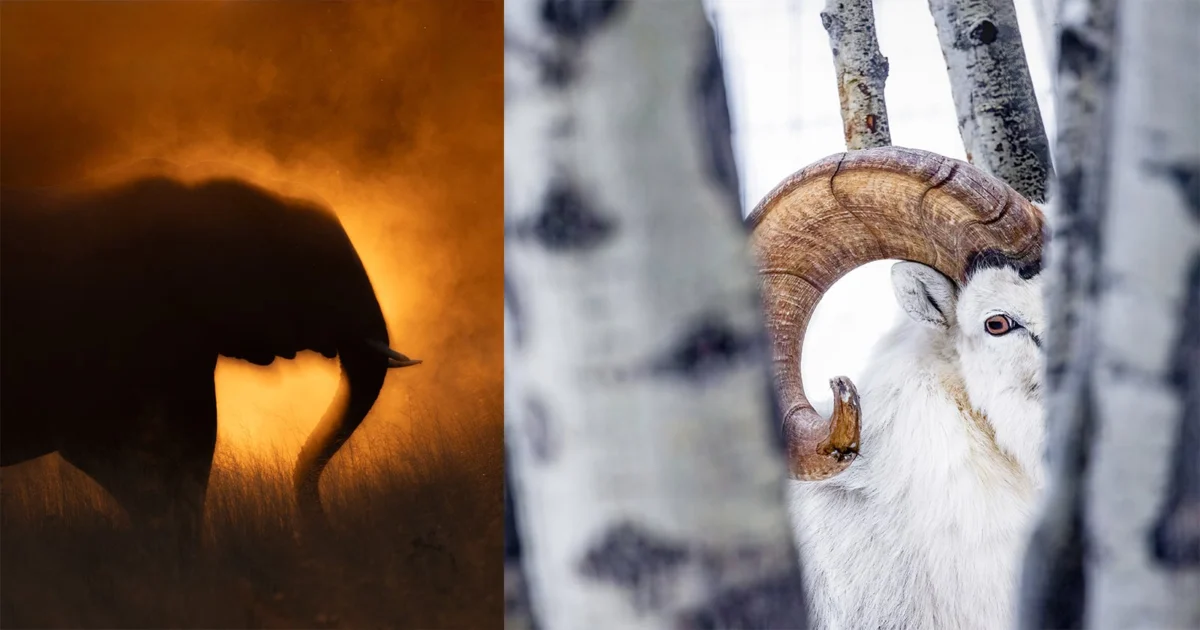
The fundamental paradox of visual storytelling lies in the intentional omission of information. While modern digital photography trends often emphasize extreme detail, high resolution, and absolute clarity, a growing movement of professional photographers is pivoting toward the deliberate use of mystery to evoke deeper emotional responses. This artistic philosophy, championed by veteran photographer Richard Bernabe in his recent feature for Muench Workshops’ Photography Destinations Magazine, posits that the unseen is often more provocative than the revealed. By analyzing the psychological triggers of human perception, this approach aims to transform photographs from mere documentation into enduring, interpretive art.
The Psychology of Visual Incompleteness
Human cognition is inherently wired to seek patterns and resolve incomplete visual data. This phenomenon, often categorized in psychology as the "Zeigarnik Effect" or the innate drive for closure, suggests that when a viewer is presented with an ambiguous image—such as a silhouette, a partially obscured subject, or a frame that suggests a narrative beyond the edges—the brain works actively to fill in the missing details.
In an era of hyper-connectivity and instant visual gratification, this cognitive tension functions as a critical engagement tool. Data from contemporary visual arts studies indicate that viewers spend approximately 40% longer analyzing images that contain elements of ambiguity compared to those that present a literal, fully revealed subject. This "lingering effect" is the primary objective of the mystery-based approach, as it forces the audience to transition from passive consumers to active participants in the creative process.
Historical Precedents and Artistic Context
The reliance on suggestion over explication is not a novel invention of the digital age; rather, it is a lineage that traces back to classical painting and literature. The "iceberg theory," popularized by Ernest Hemingway, dictates that the most potent aspects of a narrative should remain submerged, requiring the audience to infer the underlying meaning. Similarly, the enduring allure of Leonardo da Vinci’s Mona Lisa is frequently attributed to the ambiguity of her expression, which remains an open question for every generation of observers.
In cinema, this principle is exemplified by the strategic withholding of the primary antagonist. In Steven Spielberg’s Jaws, the shark is shown only sporadically throughout the film’s duration. By delaying the visual revelation of the threat, the filmmaker successfully maintained high levels of audience anxiety and suspense—a technique directly applicable to nature and wildlife photography today.
Technical Applications and Methodology
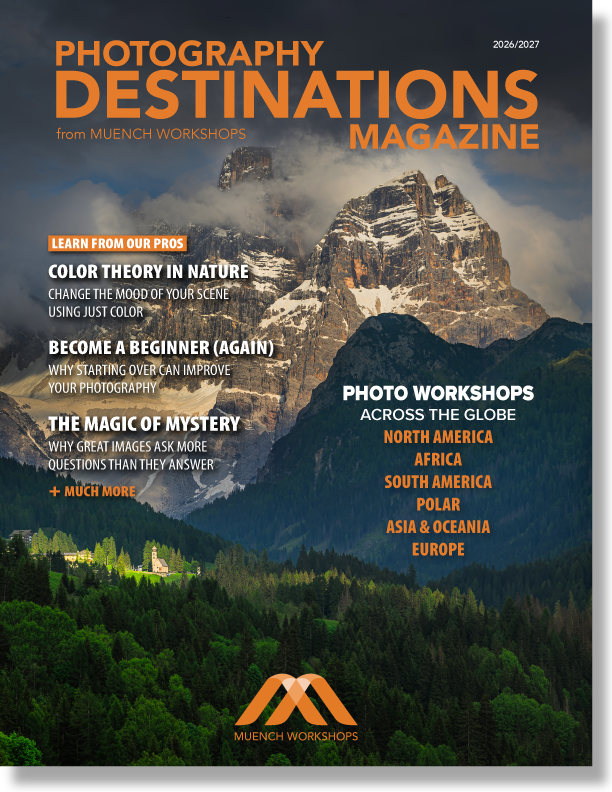
Richard Bernabe’s work, which serves as the anchor for the Photography Destinations Magazine 2026/2027 edition, demonstrates how technical camera settings can be utilized to craft these elusive narratives. The application of mystery requires a deliberate subversion of standard technical "correctness."
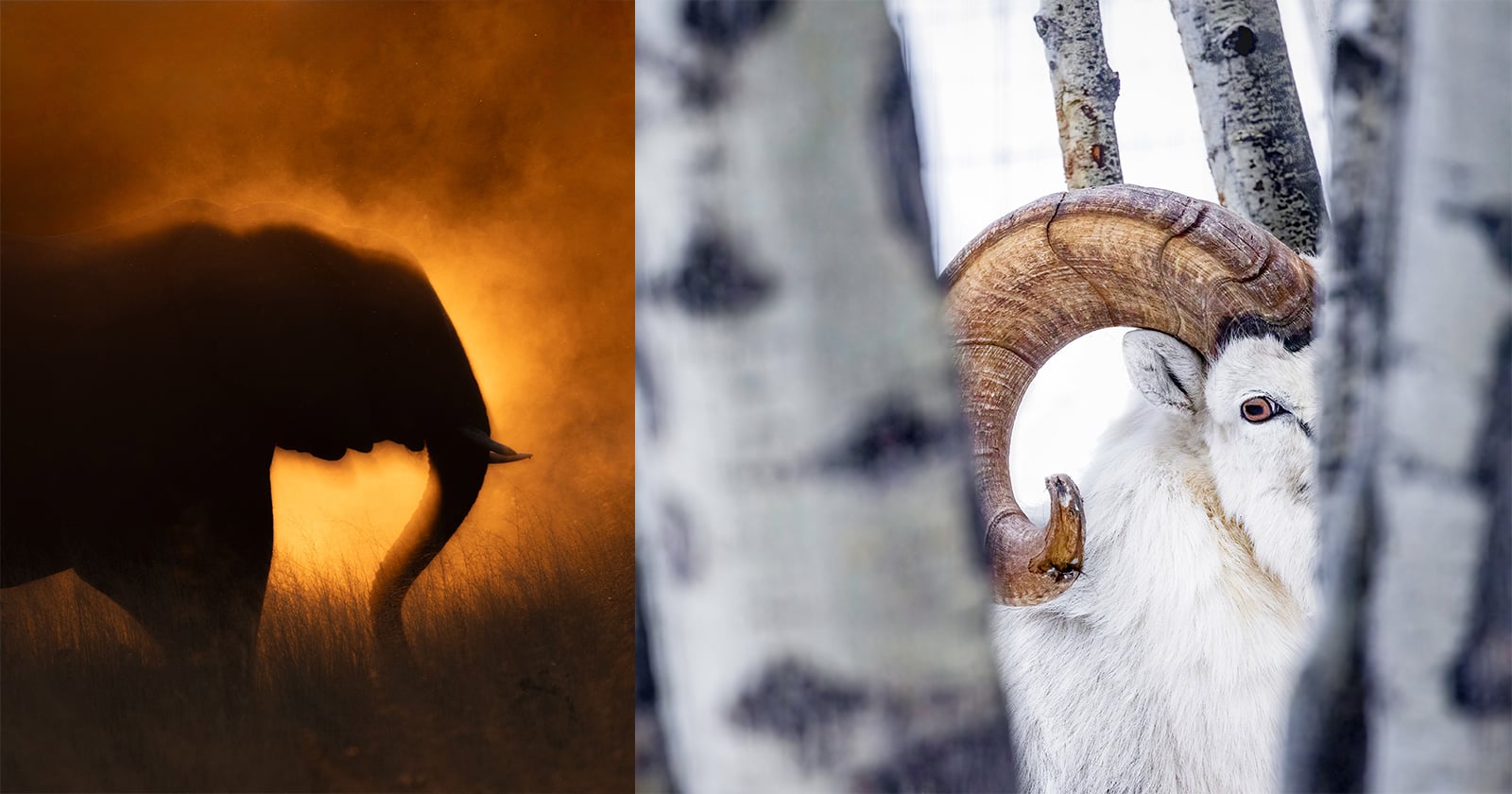
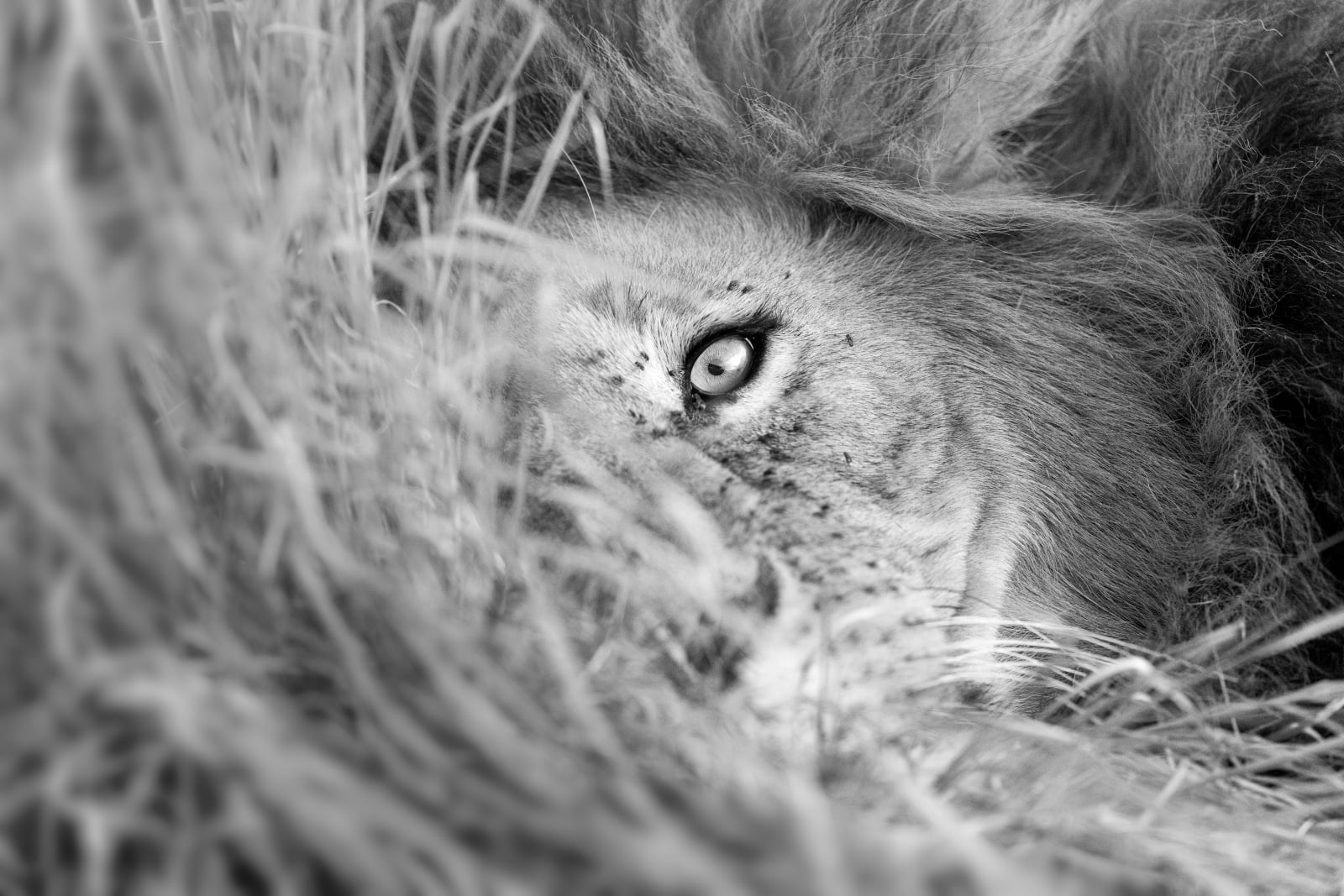
For instance, the use of long-exposure photography to blur motion, or the implementation of a shallow depth of field to render backgrounds into impressionistic textures, serves to distance the viewer from the literal reality of the scene. Furthermore, the strategic use of backlighting and silhouettes—as seen in Bernabe’s imagery of elephants in the Okavango Delta—shifts the focus from identifiable biological traits to pure shape, form, and atmospheric tension.
A breakdown of the techniques employed in the recent collection includes:
- Selective Framing: Cropping images to focus on specific, isolated body parts (e.g., a sea lion’s eye), forcing the viewer to imagine the context.
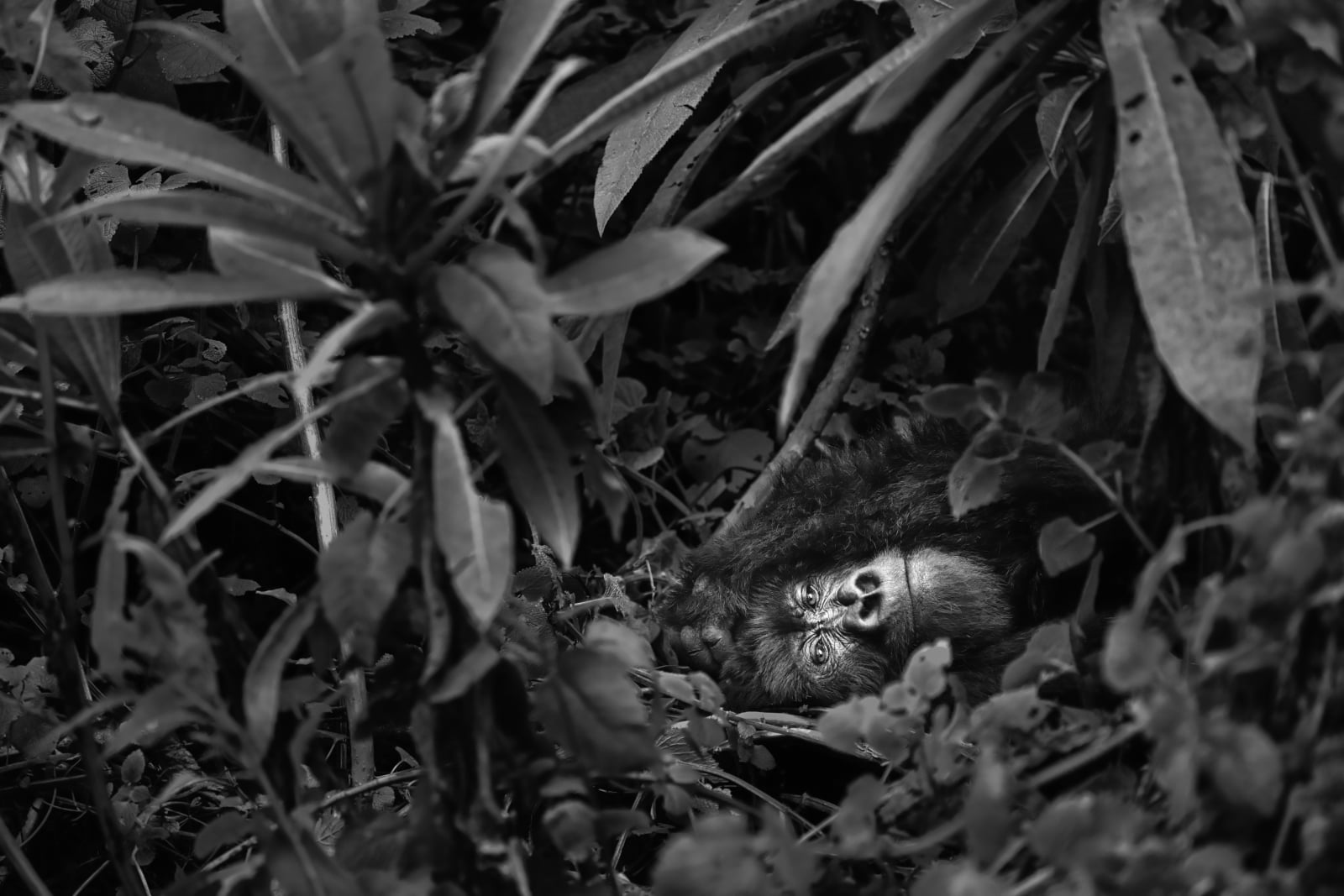
- Atmospheric Interference: Utilizing fog, mist, or steam to obscure environmental details, thereby creating a "veiled" aesthetic.
- Negative Space: Providing expansive, empty areas within the frame to emphasize the subject’s isolation and heighten the sense of mystery.
The Impact of AI and the Human Element
The emergence of high-fidelity, AI-generated imagery has created a significant shift in the photography market. AI models are currently optimized to produce "perfect" results—images that are sharply focused, well-lit, and fully descriptive. However, as these images become ubiquitous, they risk becoming predictable.

Industry analysts observe that the "perfect" nature of AI-generated content creates a vacuum for human-made, authentic, and "imperfect" photography. Mystery serves as a form of artistic defiance against algorithmic perfection. Because human experience is inherently defined by the unknown and the intangible, photography that captures these qualities resonates on a level that synthetic imagery cannot replicate. The intentionality required to decide what to exclude from a frame remains a strictly human capability, serving as a signature of consciousness in an increasingly automated creative landscape.
Distinguishing Mystery from Confusion
A vital distinction must be made between "mystery" and "confusion." In professional composition, mystery functions as an invitation, providing the viewer with enough visual clues to navigate a story without dictating the conclusion. Confusion, conversely, arises from poor composition, lack of focus, or chaotic framing that provides no clear point of entry for the viewer.
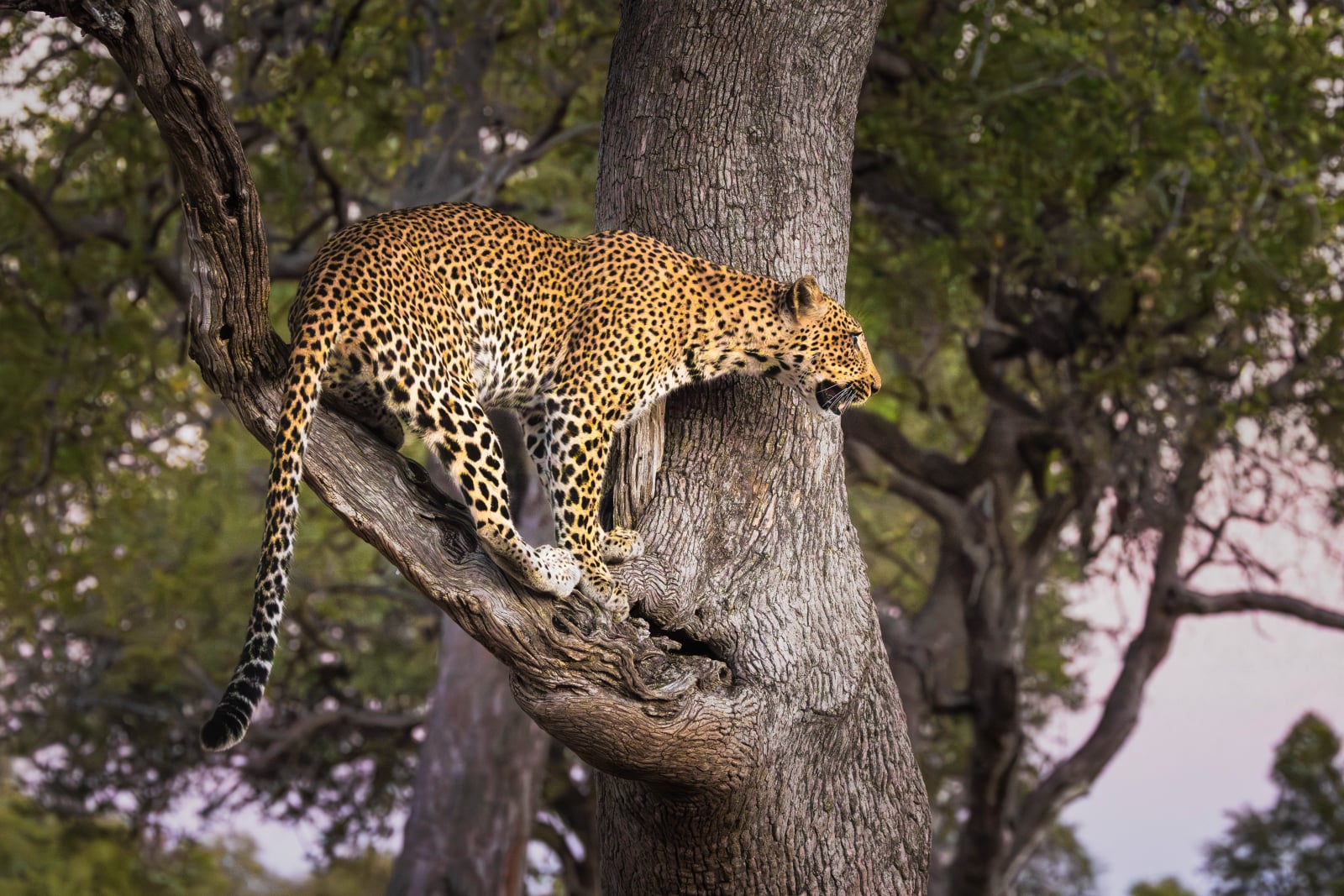
The success of a mysterious photograph hinges on its internal order. It must be deliberate. When a photographer uses shadow or negative space, it is a calculated decision to guide the eye toward a specific emotional experience. If the viewer feels frustrated rather than intrigued, the image has failed to strike the balance between "what is shown" and "what is withheld."
Broader Implications for the Photography Industry
The promotion of this philosophy by Muench Workshops—a leading entity in the photography education sector—signals a broader shift in how practitioners are being taught to evaluate their work. For the past decade, the emphasis has been heavily weighted toward high-speed autofocus, sensor resolution, and pixel-peeping detail. The current focus on "The Magic of Mystery" suggests a return to the fundamentals of visual storytelling where the emotion of the photograph takes precedence over the technical specs of the camera.
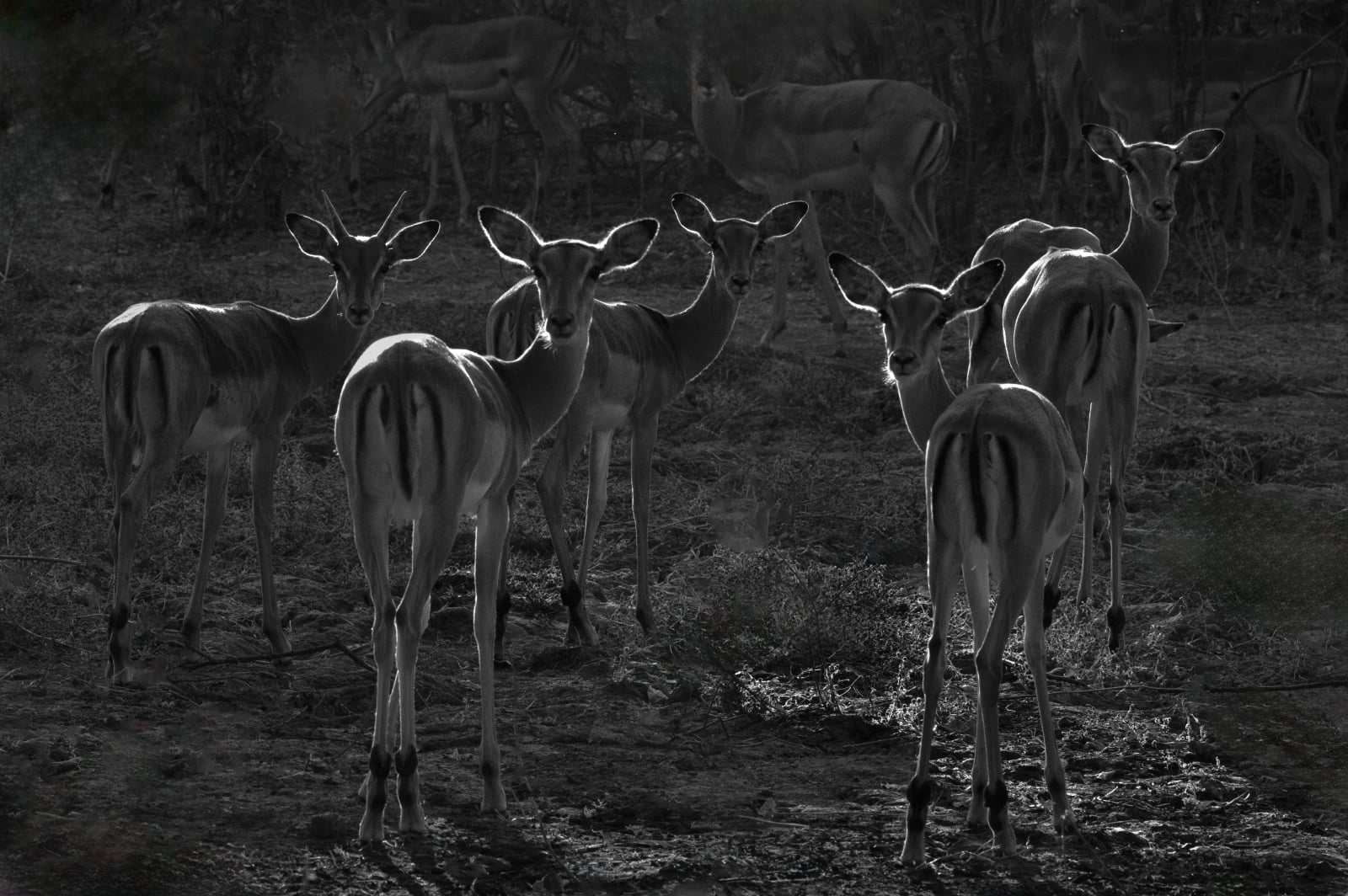
As the industry moves toward 2027, the demand for content that offers longevity and depth is increasing. As noted in the Photography Destinations Magazine, the most successful images in the field are those that remain "out of reach," preserving a level of unknowability that invites the viewer to revisit the work repeatedly.
Conclusion
Ultimately, the goal of incorporating mystery into photography is to transcend the role of a documentarian. While the camera is a tool for capturing reality, the art of photography lies in the ability to interpret that reality in a way that resonates with the human condition. By acknowledging that life itself is a collection of partially resolved narratives, photographers can create images that mirror the ambiguity of existence.

For those interested in exploring these techniques further, Muench Workshops has released its latest print edition of Photography Destinations Magazine, which provides an in-depth look at these concepts through the lens of Richard Bernabe’s international assignments. The publication, available via their official channels, serves as a resource for photographers seeking to elevate their work from literal documentation to expressive, enduring art. Through the measured use of shadows, silence, and the power of the unseen, the modern photographer can ensure that their work remains as relevant and haunting as the mysteries they seek to capture.

