


The sight of a companion bird repeatedly closing one eye while awake is a phenomenon that frequently triggers anxiety among pet owners, often leading to a scramble for home remedies. However, avian medicine experts advise that this behavior is rarely a sign of simple fatigue. Instead, it is a clinical indicator of localized discomfort or systemic illness. Distinguishing between normal resting behaviors and pathological conditions is the first step in ensuring the long-term health of captive birds, which often hide symptoms of distress until they are significantly advanced.
The Physiology of Avian Eye Health
To understand why a bird might close one eye, one must first consider the anatomy of the avian ocular system. Birds possess a nictitating membrane—a transparent or translucent third eyelid that sweeps across the eye to protect it from dust and debris while maintaining moisture. While this membrane functions automatically, the intentional, repeated closure of the main eyelid is a deliberate action taken to alleviate pain, irritation, or foreign body sensation.
In a clinical setting, veterinarians categorize eye-closing behavior into two distinct buckets: physiological rest and pathological distress. A bird in a state of relaxed comfort may briefly close one eye as it prepares to sleep or enters a period of quietude. This behavior is characterized by a lack of muscle tension; the bird’s plumage remains smooth, its respiration is steady, and it resumes normal activity immediately upon being alerted. Conversely, when a bird keeps one eye closed during periods of high activity or social interaction, it signals an underlying issue that warrants medical investigation.
Chronology of Clinical Concerns
The timeline of symptom development is often the most critical piece of evidence for an avian veterinarian. Owners are encouraged to document when the behavior began and whether it appeared alongside environmental changes.
In the first 24 hours of symptom onset, the cause is frequently environmental. Common culprits include airborne irritants such as aerosol sprays, scented candles, kitchen fumes from non-stick cookware, or heavy dust accumulation. In these cases, the eye closure is an immediate inflammatory response. If the irritant is removed promptly, the eye may recover.
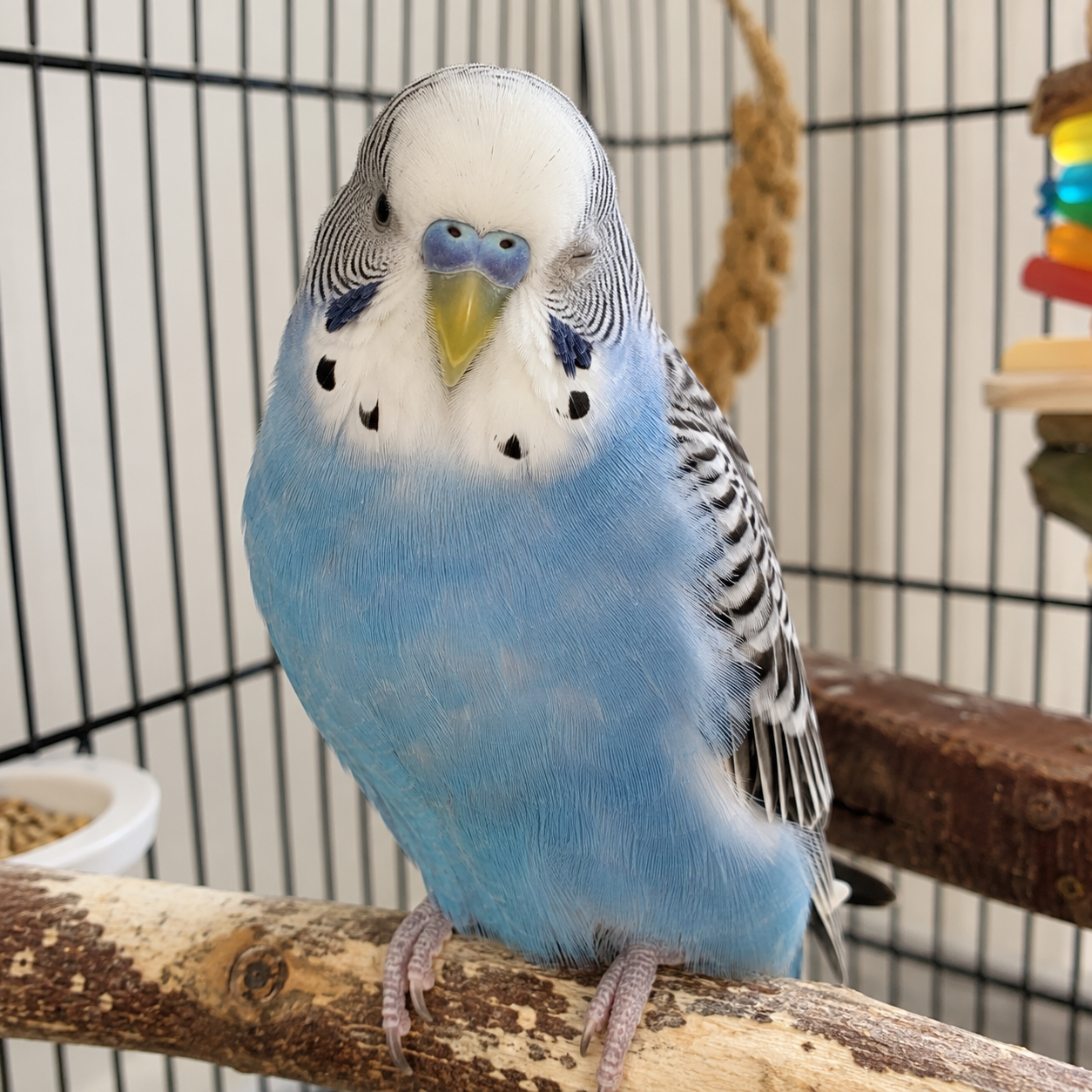
However, if the behavior persists beyond 48 hours or is accompanied by physical manifestations—such as orbital swelling, conjunctival discharge, or periocular crusting—the condition likely requires intervention. Statistics in avian practice suggest that chronic, untreated eye irritation can lead to secondary bacterial or fungal infections, as the constant closure traps bacteria against the cornea and surrounding tissues.
Diagnostic Analysis: Beyond Surface Irritation
Veterinary diagnostics have evolved to address the multifaceted nature of eye problems in parrots and other companion birds. A clinical examination typically begins with a physical assessment of the eye’s surface using magnification and ophthalmic dyes, such as fluorescein, to detect corneal abrasions.
A significant portion of ocular distress in birds is actually referred pain from the respiratory system. Because the infraorbital sinuses are located in close proximity to the orbit, any sinus congestion—often resulting from poor air quality or nutritional deficiencies—manifests as pressure on the eye. This creates a "puffy" appearance, which owners often misidentify as a localized eye injury. This anatomical connection explains why a bird suffering from a respiratory infection may keep its eye closed despite having no primary injury to the cornea itself.
The Role of Nutrition in Ocular Integrity
The connection between diet and ocular health is a recurring theme in modern avian research. Birds maintained on a strictly seed-based diet often suffer from hypovitaminosis A, a condition that compromises the integrity of epithelial tissues throughout the body, including the respiratory tract and the delicate membranes surrounding the eyes.
Data from the MSD Veterinary Manual emphasizes that captive birds require a balanced intake of carotenoids, which are precursors to Vitamin A. When these nutrients are absent, the tear film quality decreases, leading to dryness and susceptibility to infection. Providing supplemental nutrition—such as red palm oil or formulated avian vitamins—can serve as a supportive measure to fortify the tissues, though it must be noted that these supplements do not replace the need for antibiotic or anti-inflammatory treatment when an active injury is present.
Standard Protocols for Owners
When an owner observes a bird closing one eye, the recommended protocol is one of observation followed by professional consultation. The following steps constitute the current best practices for home management:

- Environmental Audit: Immediately remove the bird from areas where aerosolized chemicals or heavy dust may be present.
- Documentary Evidence: Utilize high-resolution photography to capture the state of the eye under consistent lighting. A short video clip showing the bird’s general posture and breathing rate is invaluable to a veterinarian.
- Avoidance of Home Treatment: There is a significant danger in attempting to apply human eye drops or "over-the-counter" ointments. Many human products contain preservatives or vasoconstrictors that are toxic to avian eyes. Furthermore, masking symptoms with topical steroids can allow a corneal ulcer to worsen undetected, potentially leading to permanent vision loss.
- Physical Inspection: While the area should not be touched, owners should look for secondary signs: Is there a discharge that looks milky or yellow? Is there a visible foreign body? Is the surrounding skin swollen or inflamed?
Official Guidance and Veterinary Intervention
According to established veterinary guidelines, any eye closure that persists for more than a few hours, or that is accompanied by a change in appetite or energy, should be treated as a priority. In a clinical environment, the avian veterinarian may perform a cytology or culture of the eye discharge to identify the specific pathogen. If a scratch or ulcer is found, the veterinarian will typically prescribe ophthalmic drops specifically formulated for birds, which are free of toxic additives.
The implications of delaying care can be severe. Because birds are prey animals, they are biologically hardwired to mask illness. By the time a bird demonstrates a "closed eye" as a primary symptom, the underlying condition may have progressed significantly. In cases involving systemic infection or severe trauma, the eye can be lost if the ocular pressure or infection is not managed within the first few days.
Broader Implications for Avian Welfare
The frequency of eye-related complaints in domestic birds highlights a broader need for improved husbandry standards. Most eye issues are preventable through better ventilation, the elimination of indoor air pollutants, and the transition to high-quality, pellet-based diets that provide essential micronutrients.
Furthermore, the industry is seeing a shift toward more specialized avian care. As more owners seek out board-certified avian specialists, the prognosis for ocular conditions has improved. Early detection remains the most effective tool in preventing chronic discomfort. Owners are reminded that while a brief, normal "wink" is part of the bird’s daily life, a persistent, one-sided closure is a request for help that should not be ignored.
Ultimately, the goal for any avian caregiver is to maintain a environment where the bird’s ocular health is protected from the start. By remaining vigilant, avoiding the temptation to treat at home, and establishing a relationship with a qualified avian veterinarian, owners can ensure that their companion birds maintain clear vision and high quality of life for years to come. If in doubt, the most prudent course of action is always a professional diagnostic evaluation to rule out the dangerous possibilities of infection or systemic disease.

