


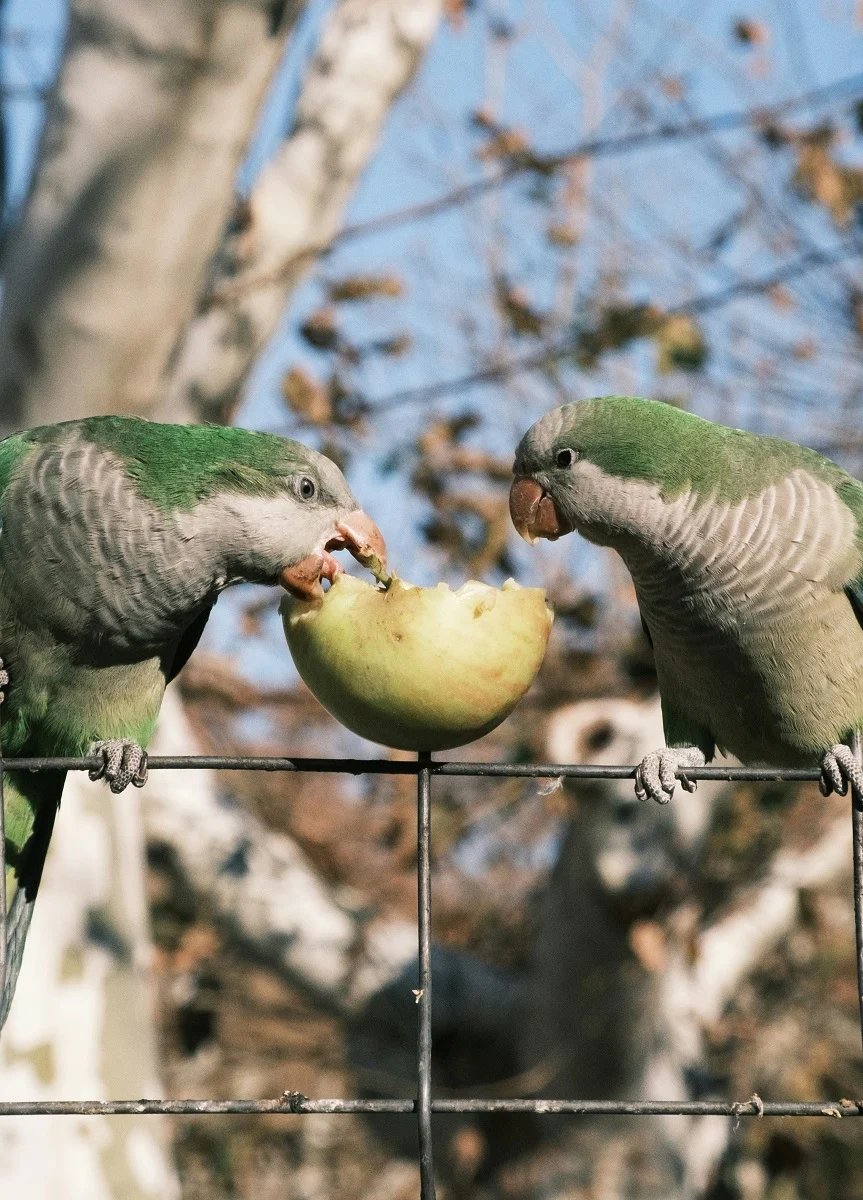
The Myiopsitta monachus, widely recognized as the Quaker parrot or Monk Parakeet, presents a compelling duality as both a cherished companion animal and a species of significant ecological concern. Originating from the diverse landscapes of South America, these intelligent and vibrant parrots have garnered popularity in the pet trade, celebrated for their engaging personalities and impressive vocal abilities. However, their remarkable adaptability, which makes them appealing as pets, has also enabled them to establish feral populations across numerous countries, leading to complex conservation and management challenges. This article delves into the multifaceted aspects of the Quaker parrot, from its biological profile and natural habitat to its status as an invasive species and the responsibilities inherent in its ownership.
Biological Profile and Natural Habitat
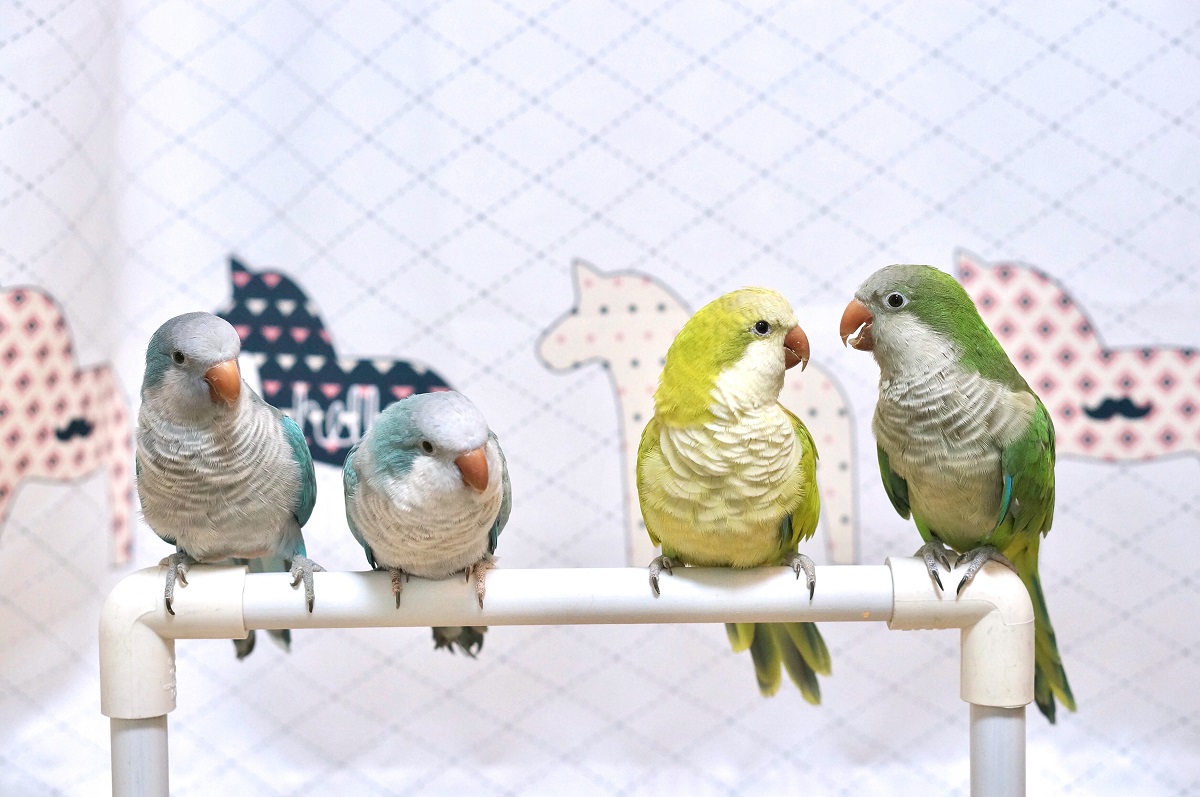
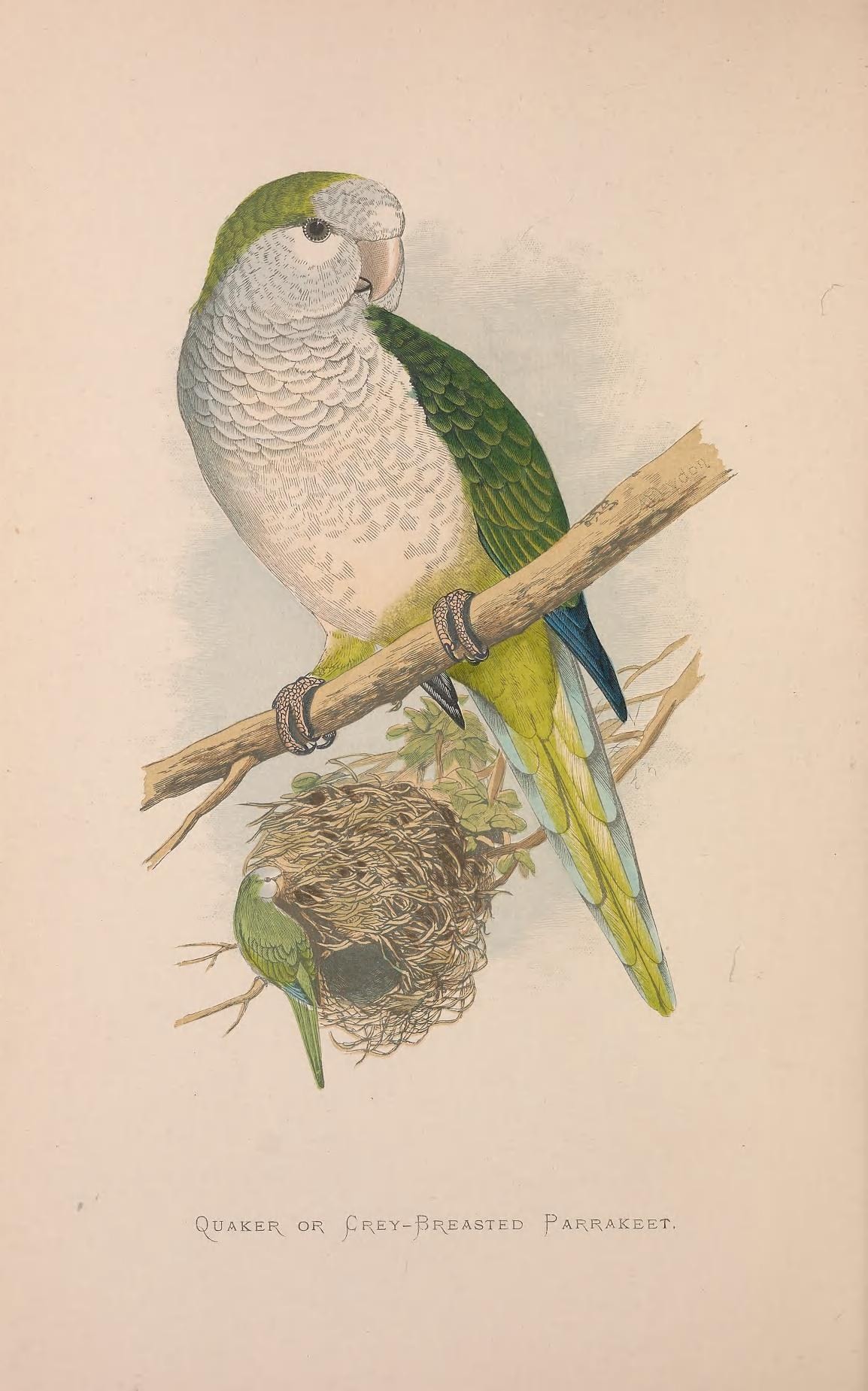
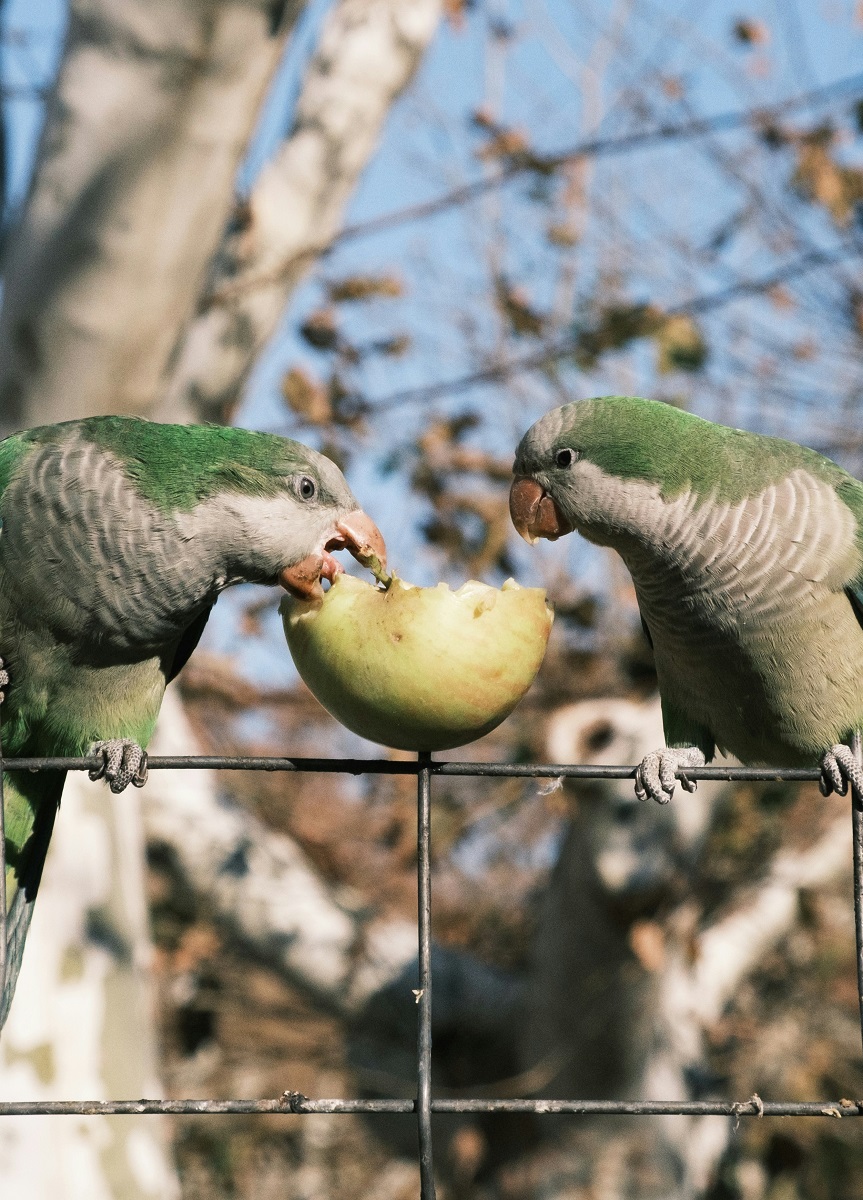
The Quaker parrot is a relatively small parrot species, typically measuring up to 13 inches (33 cm) in length and weighing approximately 140 grams. Wild specimens are readily identified by their distinct mossy green backs, contrasting gray fronts, brilliant blue flight feathers, and long tails, complemented by a skin-colored beak. Through selective breeding, a spectrum of color morphs has been developed in captivity, expanding beyond the traditional green to include striking blue, yellow, gray, and white variations, among others. While visual sexual dimorphism is almost imperceptible, with females being only marginally smaller than males, DNA testing remains the most reliable method for sex determination.
Native to South America, Myiopsitta monachus inhabits a broad region spanning southern Brazil, eastern Bolivia, most of Paraguay and Argentina, and all of Uruguay. This lowland species thrives in elevations up to 3,300 feet (1,000 meters), favoring wooded to sparsely wooded environments such as palm forests, savannahs, and increasingly, urban parks and agricultural areas. Their adaptability to various environments in their native range laid the groundwork for their subsequent successful establishment in non-native regions.
Conservation Status and Ecological Dynamics
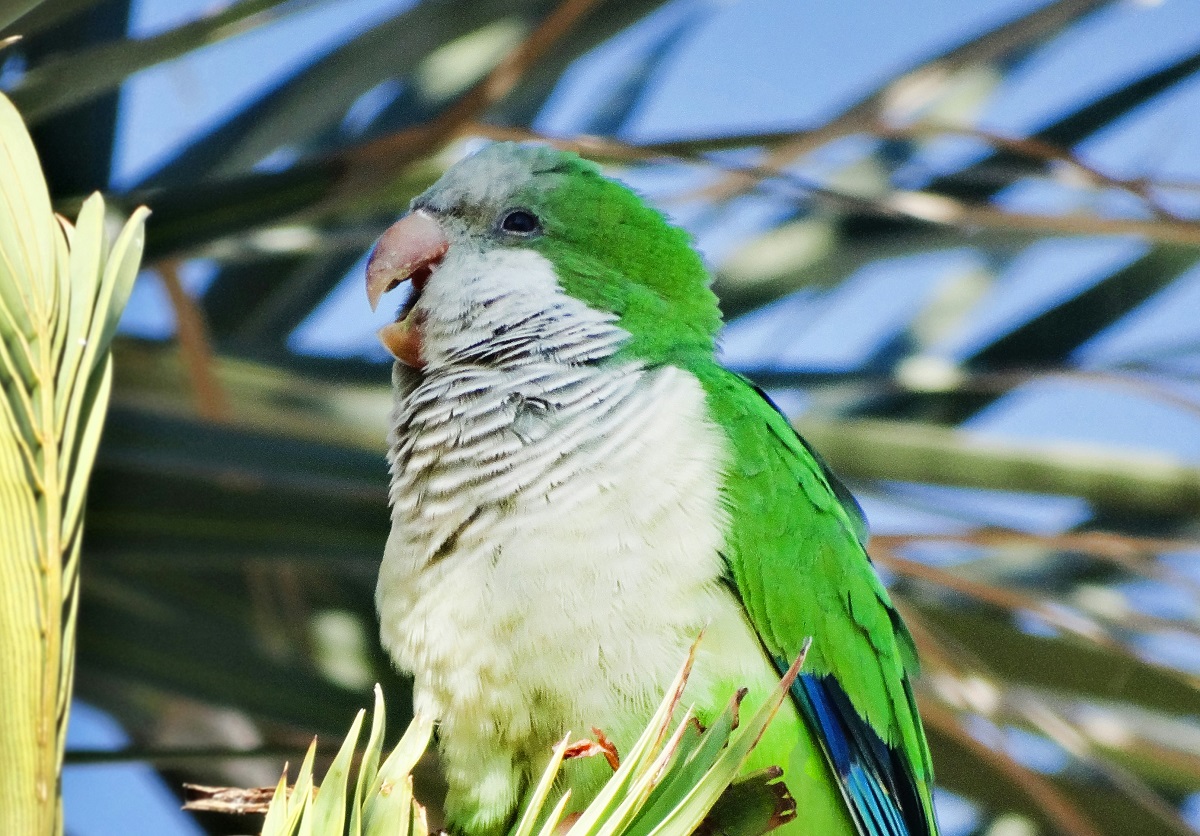
The International Union for Conservation of Nature (IUCN) Red List currently classifies Myiopsitta monachus as a species of "Least Concern." This assessment reflects their locally common status and, perhaps counterintuitively, their ability to benefit from certain human-induced alterations to their natural habitat. For instance, the expansion of Eucalyptus forests for paper pulp production has inadvertently provided additional nesting sites, while agricultural expansion, particularly maize cultivation, has offered an abundant food source. This resilience, however, contrasts sharply with the precarious status of M. luchsi, the only other species within the Myiopsitta genus, which is designated as "Near Threatened," highlighting the varied ecological pressures even closely related species can face.
In their native range, Quaker parrots play a role in seed dispersal and are part of the complex food web. However, their dietary preferences, particularly for seeds and grains, lead them to be considered agricultural pests. Flocks frequently descend upon crop fields, consuming significant quantities of corn and other grains, posing economic challenges for local farmers. This opportunistic feeding behavior is a key factor in their success both within and outside their natural range.
The Dual Nature: Pet Appeal vs. Invasive Threat
The journey of the Quaker parrot from a South American native to a global presence as an invasive species is largely attributed to the pet trade. Beginning in the mid-20th century, particularly from the 1960s onwards, these parrots were imported in large numbers into various countries, including the United States and several European nations. Escapes from captivity, either accidental or intentional releases, led to the establishment of self-sustaining feral populations in numerous urban and suburban environments.
Today, substantial feral populations exist in countries such as the United States (notably in Florida, Texas, Illinois, New York, and California), Spain (in major cities like Madrid and Valencia), the United Kingdom, and Israel, among others. Their ability to construct large, communal stick nests, often on utility poles and structures, provides excellent protection and insulation, further aiding their survival in diverse climates. These nests, however, can interfere with electrical infrastructure, causing power outages and potential fire hazards, leading to significant maintenance costs for utility companies.
The environmental impact of these invasive populations is a serious concern. Quaker parrots compete with native bird species for food resources and nesting sites, potentially displacing them and altering local ecological balances. They can also transmit diseases to native wildlife and livestock. Furthermore, their status as agricultural pests extends to their adopted ranges, where flocks can cause substantial damage to orchards and grain crops.
Official Responses and Management Strategies
The recognition of the Quaker parrot’s invasive potential has led to varied legislative responses globally. In several U.S. states, including California, Pennsylvania, and New Jersey, possession, sale, or breeding of Quaker parrots is either restricted or outright banned. Similar regulations exist in parts of Australia and New Zealand. These measures are primarily aimed at preventing further proliferation of feral populations and mitigating their ecological and economic damage.
Conservation organizations and governmental agencies are actively engaged in monitoring and managing these invasive populations. Strategies range from trapping and removal programs to public awareness campaigns advocating for responsible pet ownership and discouraging the release of captive birds. The ethical complexities of managing existing feral populations, particularly in urban areas where they have become a familiar sight, often spark debate among residents, animal welfare advocates, and environmentalists.
Responsible Pet Ownership: Care, Diet, and Enrichment
For individuals considering a Quaker parrot as a pet, understanding the species’ specific needs and committing to long-term care is paramount. These parrots can live for up to 30 years, representing a significant commitment.
Diet: A healthy diet is foundational to a Quaker parrot’s longevity and well-being. A high-quality formulated pellet food should constitute the majority (around 70-80%) of their diet, providing essential nutrients that seed-heavy diets often lack. The remaining portion should comprise a diverse array of fresh fruits and vegetables, such as apples (without seeds), berries, leafy greens, carrots, bell peppers, and broccoli. Occasional healthy treats like cooked grains (quinoa, brown rice), small amounts of cooked lean protein, and specially formulated parrot treats can be offered. Foods to strictly avoid include avocado, chocolate, caffeine, alcohol, fruit seeds/pits, and excessive salt or sugar. Access to a mineral block and multiple sources of fresh, clean water is also crucial.
Housing: Despite their moderate size, Quaker parrots require ample space for exercise and mental stimulation. A cage with minimum dimensions of 30 inches wide, 20 inches deep, and 24 inches high is recommended, though larger is always preferable. Bar spacing should be appropriate for their size (around 1/2 to 5/8 inch) to prevent escapes or injuries. The cage should be equipped with a variety of natural wood perches of different diameters to promote foot health, placed at varying heights, with a strong emphasis on horizontal space over vertical, as parrots tend to utilize the upper portions of their enclosure most. Clean food and water bowls, along with a rotation of parrot-safe toys, are essential.
Enrichment: Quaker parrots are highly intelligent and social creatures that demand significant mental and physical enrichment to prevent boredom, stress, and behavioral issues such as feather plucking or aggression. Their environment must be dynamic, offering opportunities for play, exploration, and problem-solving.
- Toys: Provide a rotating selection of shreddable toys, chew toys (made from safe wood or cardboard), puzzle toys, and foraging toys that encourage natural behaviors. All toys must be parrot-safe and regularly inspected for damage.
- Foraging: Integrating foraging opportunities, such as hidden treats in foraging boxes or toys, stimulates their natural instinct to search for food and provides mental engagement.
- Social Interaction: As highly social birds, Quaker parrots thrive on interaction with their human companions. Daily dedicated playtime, training sessions, and simply "hanging out" with their owners are vital. A Quaker kept alone without sufficient human interaction can become lonely and stressed.
- Out-of-Cage Time: Daily supervised out-of-cage time is critical for physical exercise and mental stimulation. A parrot play gym or designated "bird-proofed" room allows them to stretch their wings, climb, and explore safely. It is imperative to bird-proof any area a parrot has access to, removing hazards such as open toilets, hot stovetops, toxic plants, or unguarded windows/fans.
Nest Building: A unique and fascinating behavior of Quaker parrots is their innate drive to build elaborate stick nests. Even in captivity, if given access to small, elongated items like sticks, paper strips, or even pens, they will meticulously construct a nest. While this behavior is a testament to their engineering prowess, it can also trigger hormonal changes, potentially leading to increased territoriality or aggression, particularly around their chosen nesting site. Owners should be aware of this instinct and manage the availability of nesting materials if behavioral changes become problematic.
Temperament and Communication
Quaker parrots are renowned for their confident, boisterous, and playful personalities. A well-socialized Quaker is often described as a "clown" – full of life and a joy to interact with. They are highly social and can form strong bonds with their owners, sometimes becoming quite cuddly. However, they can also exhibit strong territoriality, especially concerning their cage, which they view as their personal domain. This can make routine tasks like changing food and water bowls challenging if not approached carefully and with respect for their space. They can also become attached to a single person, potentially leading to aggression towards other family members if not properly socialized from a young age.
Vocalizations and Talking Ability: While not the loudest parrot species, Quaker parrots are far from silent. Their noise level can be categorized as low to moderate, but their flock calls can be quite sharp and grating. Aside from calls and squawks, they produce a steady stream of whistles and chirps. A unique trait is their "purring" sound, often indicative of contentment, and like many parrots, they may grind their beaks when relaxed.
Quaker parrots are among the better talking parrot species, known for their ability to mimic human speech and household sounds. Their voices are typically squeaky, but their motivation to learn and their capacity to acquire impressive vocabularies make them engaging communicators. Repetition is key to teaching them words, phrases, or tunes. Prospective owners should listen to recordings or visit breeders to assess whether they can comfortably live with the typical vocalizations of a Quaker parrot.
Broader Implications and Ethical Considerations
The dual nature of the Quaker parrot as a beloved pet and a problematic invasive species underscores broader ethical considerations in the exotic pet trade. Balancing the desire for companion animals with the imperative to protect native ecosystems is a continuous challenge. Responsible pet ownership, including understanding the species’ long-term needs, preventing escapes, and adhering to local regulations, is crucial in mitigating the negative impacts of introduced species.
The ongoing management of feral Quaker parrot populations, alongside the sustained appeal of the species as a pet, highlights the complex interdependencies between human activity, animal welfare, and ecological health. Education and awareness remain critical tools in fostering a more responsible approach to pet ownership and wildlife conservation.

