


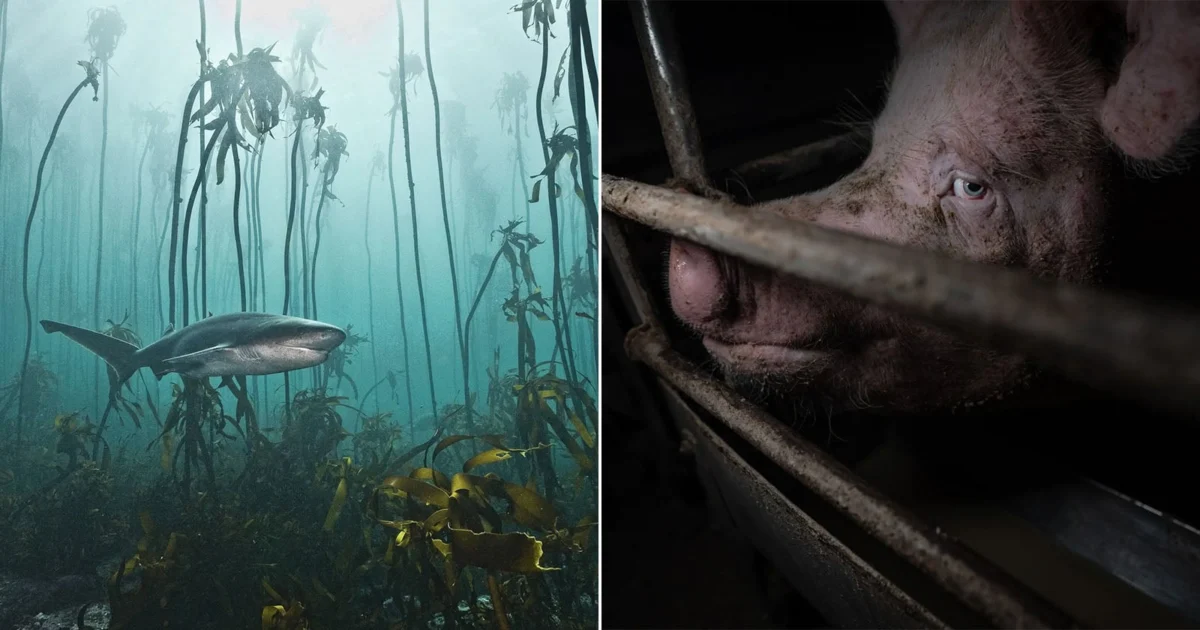
The third annual Nature and Humans Photo Competition has concluded, unveiling a collection of images that serve as both a celebration of the natural world’s splendor and a stark indictment of the environmental and ethical challenges posed by human activity. Directed by the acclaimed Spanish nature photographer Arturo de Frías and organized by Fundación DESEA, the contest has established itself as a premier global platform for conservation photography. This year’s entries, submitted by photographers from 49 different countries and regions, underscore a growing movement within the photographic community to use visual storytelling as a catalyst for environmental advocacy and policy change.
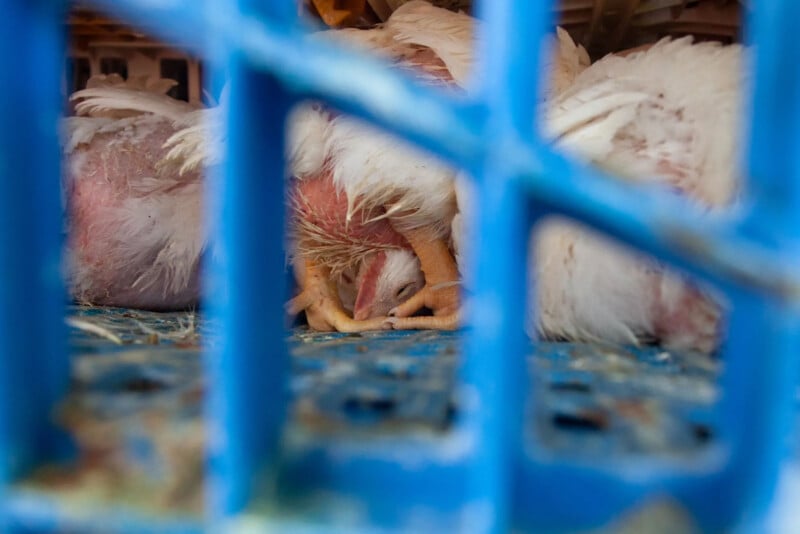
The competition is uniquely structured to present a balanced view of the non-human world. It operates on a dual philosophy: that the preservation of nature is inspired by its breathtaking beauty, but the drive for systemic change is often fueled by witnessing the distressing realities of human exploitation. This thematic tension was evident across all categories, ranging from the technical mastery of avian portraits to the haunting investigative series documenting industrial farming practices.
The Philosophy of Conservation Through the Lens
Fundación DESEA, the organizing body behind the competition, emphasizes that the primary goal of the "Nature and Humans" project is to bridge the gap between human society and the natural environment. In their official statement regarding the 2025 winners, the organizers noted that the awarded photographs explore the full spectrum of the human-nature relationship—both positive and negative. By showcasing "both hopeful and distressing images," the competition aims to send a clear, unyielding conservation message to a global audience.
Arturo de Frías, who chaired the jury, highlighted the importance of original and powerful compositions that do more than just document a subject; they must evoke an emotional or intellectual response. This approach aligns with the broader history of conservation photography, a field pioneered by figures such as Ansel Adams and Eliot Porter, who believed that the aesthetic appreciation of the wilderness was the first step toward its legal protection. However, modern conservation photography, as seen in this competition, has increasingly adopted the "witness" role, bringing to light issues that are often intentionally hidden from public view.
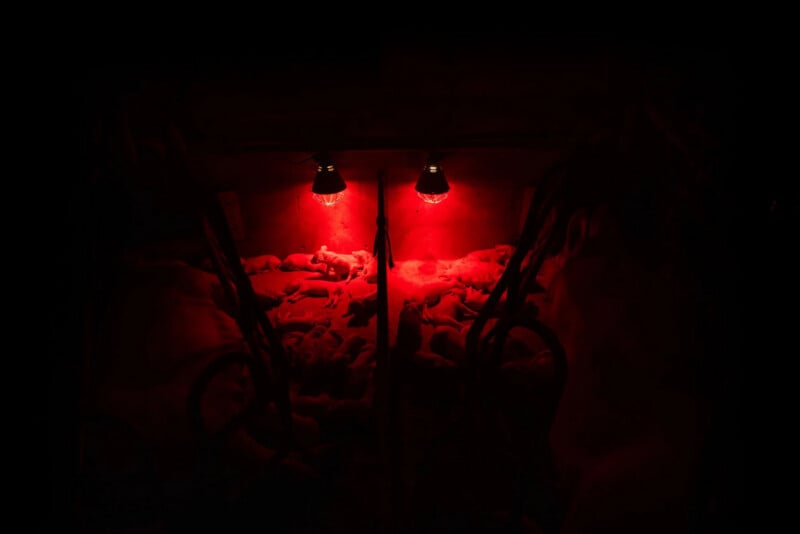
Investigative Excellence in the Conservation Series
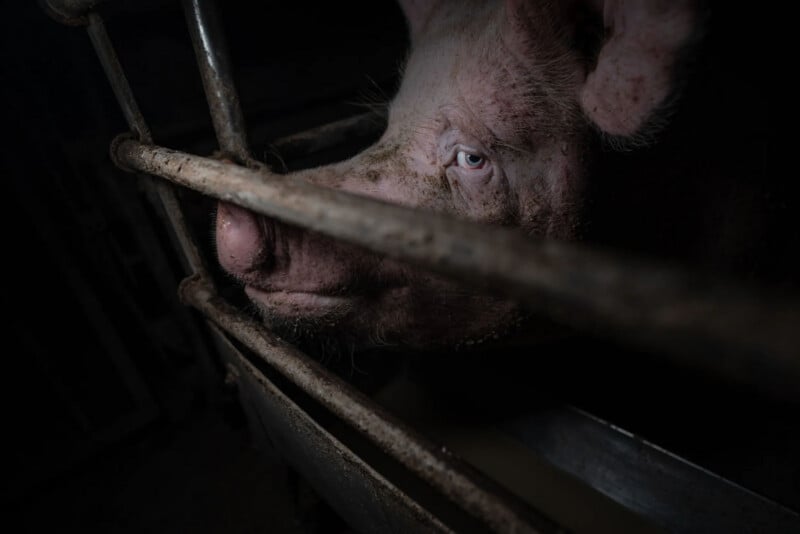
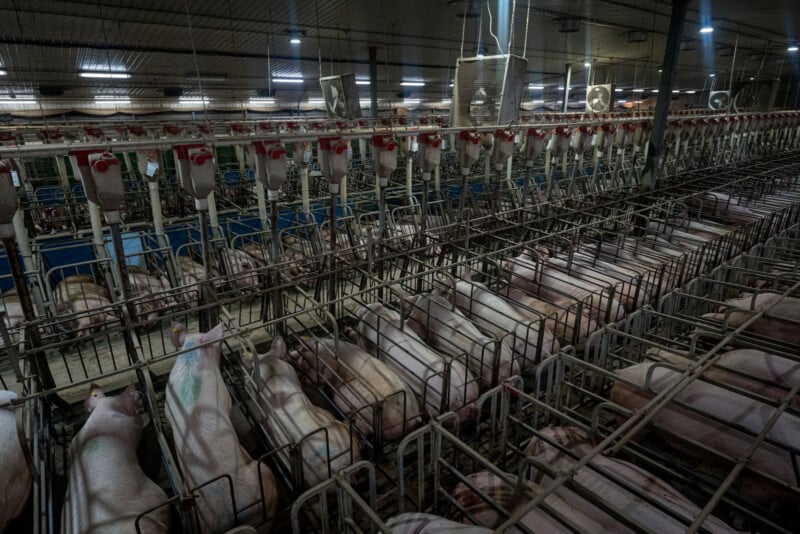
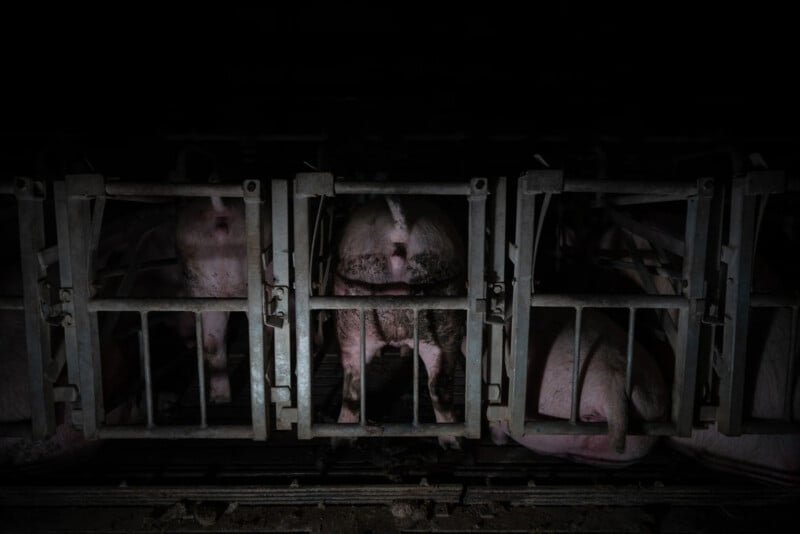
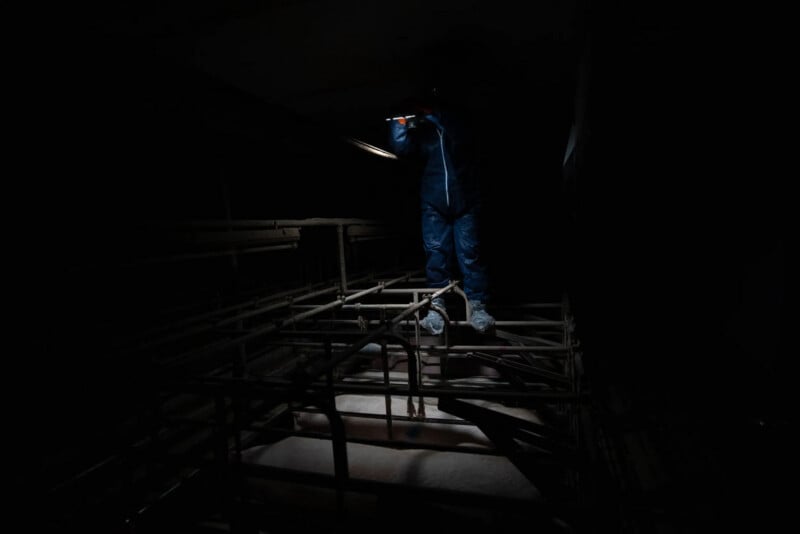
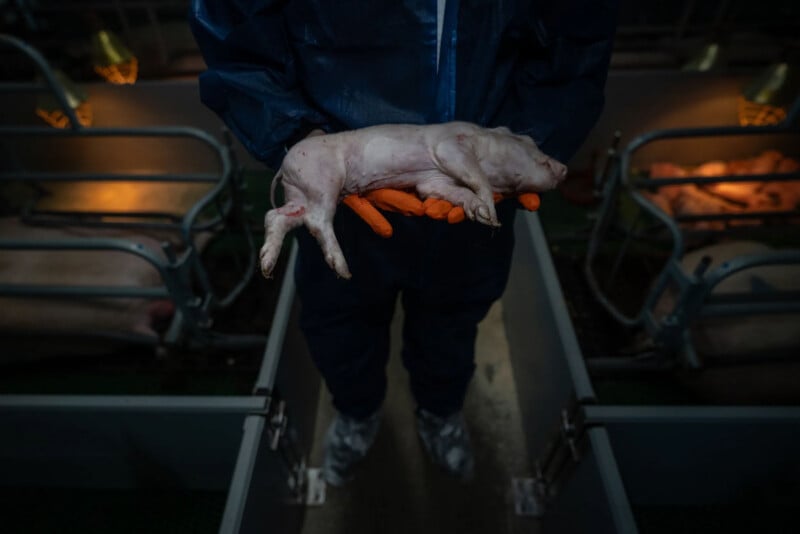
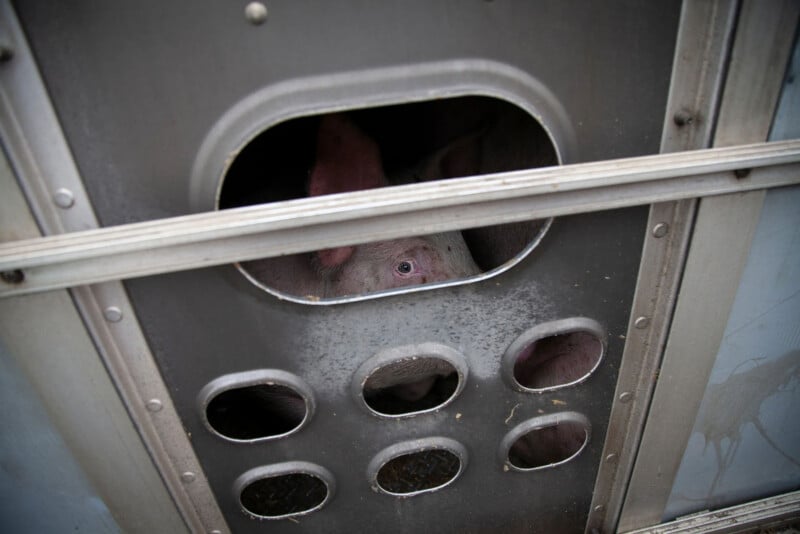
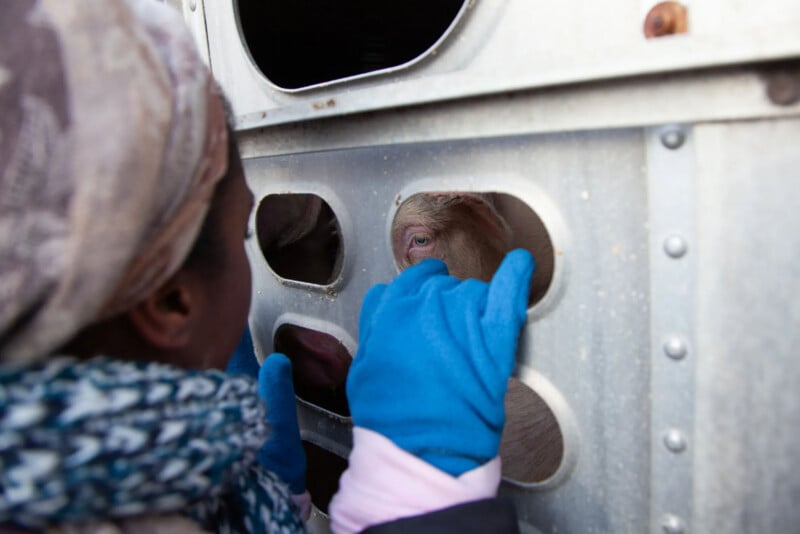
The top honor in the "Conservation Photography – Thematic Series" category was awarded to the photographer human.cruelties (Dawid Rakoczy), an animal rights investigator whose work focuses on the industrialization of sentient life. His winning series, titled "Uncovering what’s hidden," earned a €1,500 cash prize for its unflinching look at factory farming. The images are characterized by a claustrophobic use of metal bars, dim lighting, and industrial textures, creating a visual metaphor for the confinement of the animals depicted.
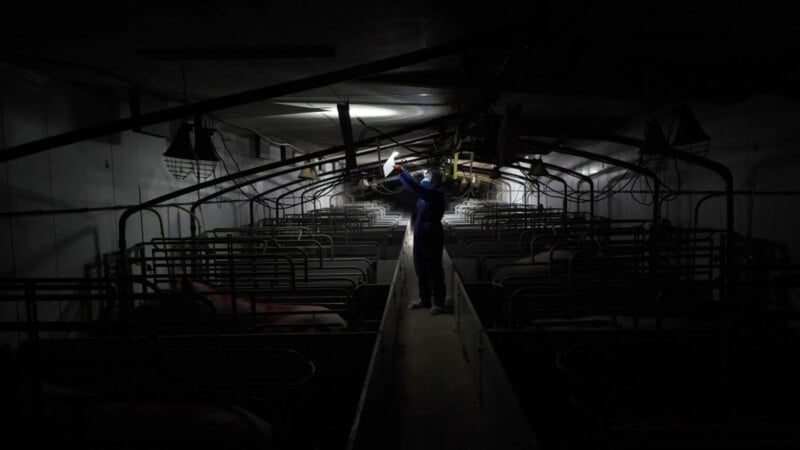
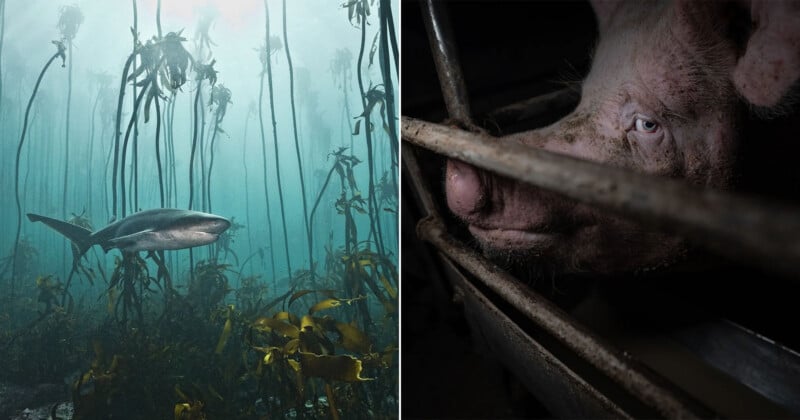
One particularly striking image in the series features a close-up of a pig’s face, its blue eye visible through the narrow gaps of a metal enclosure. Another captures rows of sows in gestation crates, a practice that has been the subject of intense legislative debate in various jurisdictions due to the severe physical and psychological stress it imposes on the animals. By documenting these conditions, Rakoczy’s work contributes to a body of evidence used by advocacy groups to push for welfare reforms and more transparent food systems.
Capturing the Struggle: Single Image Conservation
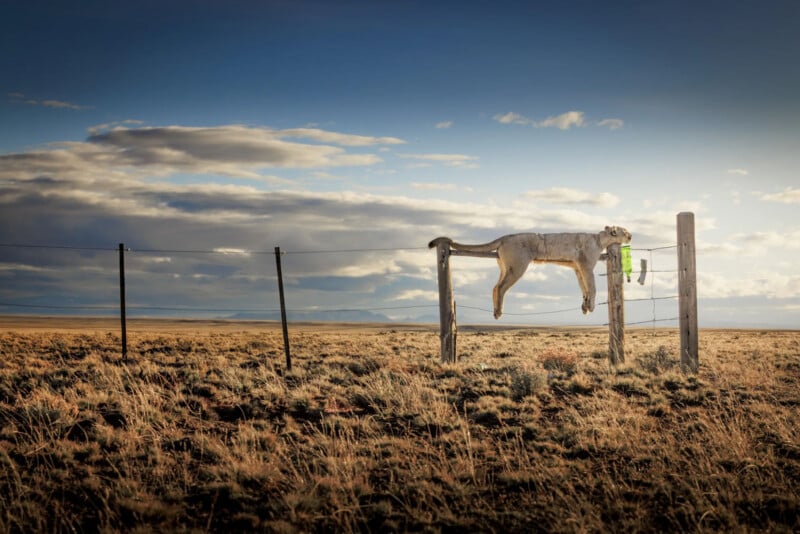
In the "Conservation Photography – Single Image" category, Francisco Negroni took the top spot with his photograph "Screaming in the wind." The image depicts a mountain lion mid-leap, its body caught against the wires of a barbed-wire fence. This shot serves as a powerful symbol of the fragmentation of wildlife habitats. As human infrastructure—roads, fences, and urban sprawl—continues to expand, apex predators like the mountain lion face increasing difficulty in navigating their natural territories, often leading to fatal encounters or genetic isolation.
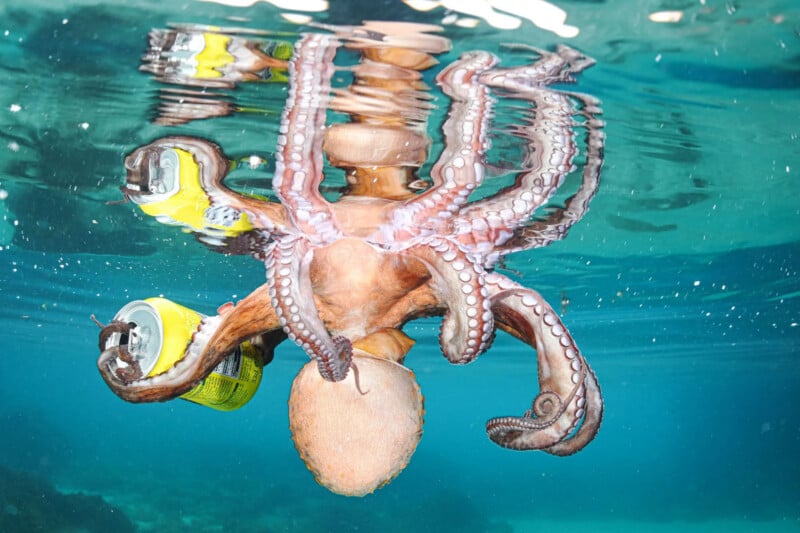
Similarly, the "Conservation Photography – Spain" category focused on localized environmental threats. Javier Murcia’s winning entry, "I want my soda," features an octopus clutching two discarded beverage cans in clear blue water. While the image has a certain surreal quality, it addresses the very real crisis of marine plastic pollution. According to recent environmental data, over 12 million tons of plastic enter the oceans every year, affecting marine life through ingestion and entanglement. Murcia’s photo anthropomorphizes the octopus’s interaction with the trash to highlight how human waste has become an inescapable part of the marine ecosystem.
The Female Perspective in Nature Photography
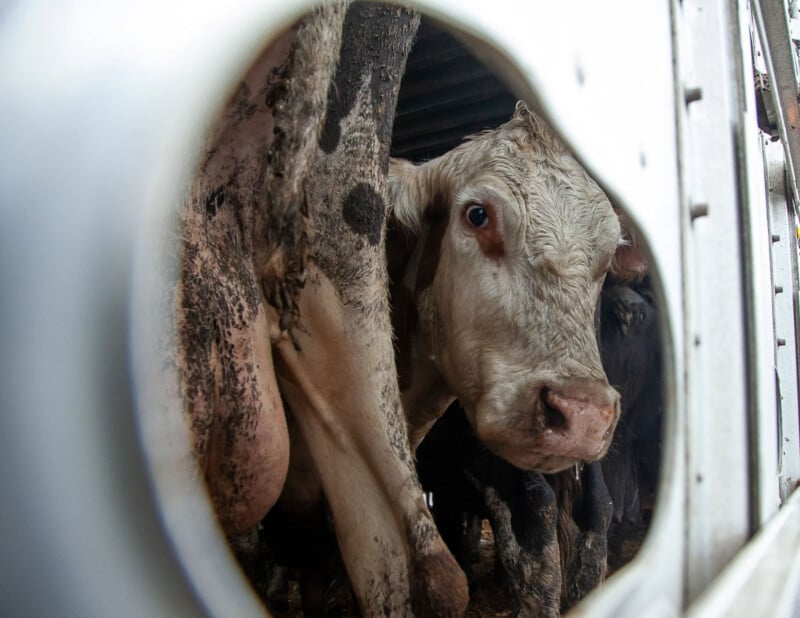
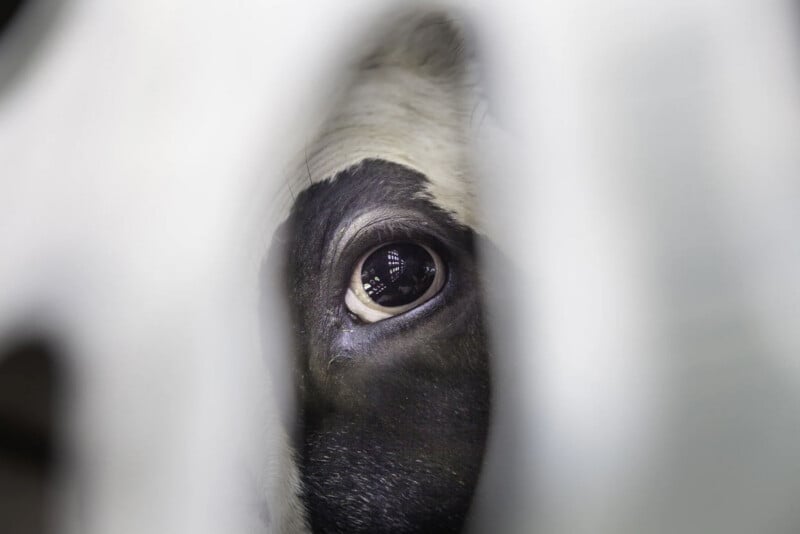
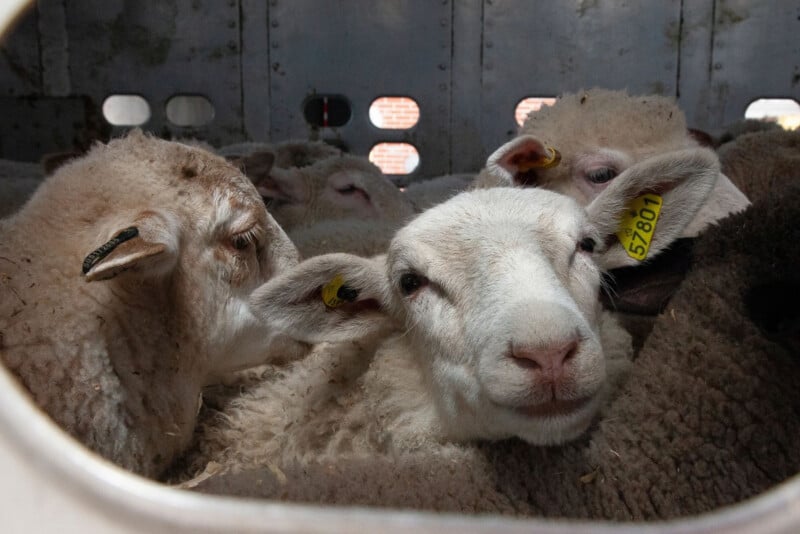
A significant highlight of this year’s competition was the "Nature Told by Women" category, won by Louise Jorgensen for her series "Out of Sight, Out of Mind." Jorgensen, who also received a €1,500 prize, utilized a minimalist and intimate approach to document animals in transit and confinement. Her photography often focuses on the eyes of the animals—cows looking through the ventilation holes of transport trucks or sheep packed into dark enclosures.
This category is part of a broader effort by Fundación DESEA to encourage gender diversity in a field that has historically been dominated by male photographers. Jorgensen’s work demonstrates a high level of empathy and patience, capturing quiet moments of vulnerability that demand the viewer’s attention. Her series highlights the "invisible" segments of the livestock industry, challenging the "out of sight, out of mind" mentality that often governs consumer behavior.
Celebrating Biodiversity and Visual Impact
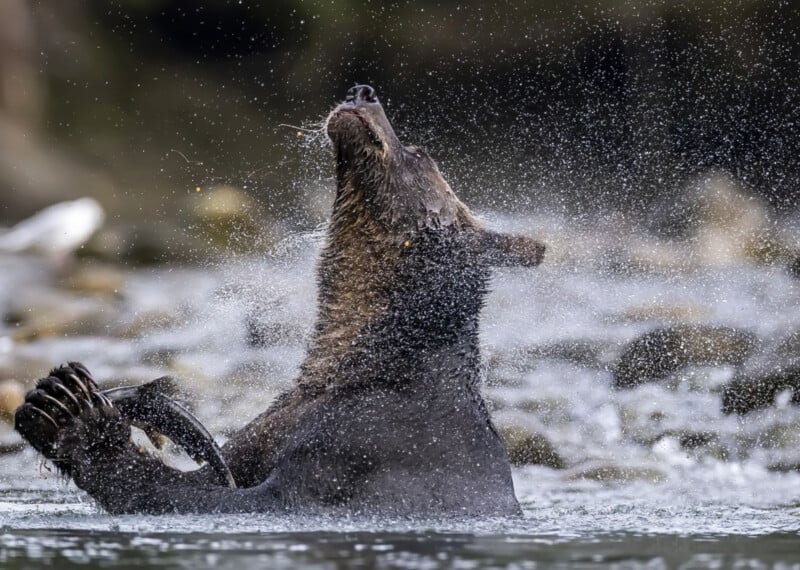
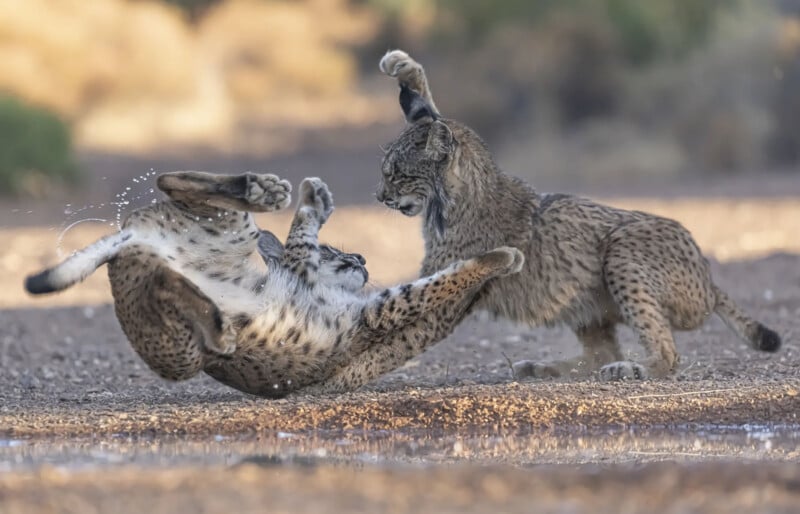
While the conservation categories focused on human impact, other sections of the competition were dedicated to the intrinsic beauty of the natural world. Daniel Valverde emerged as a major winner, taking the top spot in both "The Beauty of the Planet" and "The Beauty of Spain" categories. His photo "Shaking Off While Eating" captures a grizzly bear in a dynamic explosion of water droplets, while "Power Struggle" depicts two lynxes engaged in a fierce aerial combat.
The success of the Iberian Lynx, featured in Valverde’s work, is often cited as a conservation success story. Once the world’s most endangered feline species, the Iberian Lynx has seen its population rebound from fewer than 100 individuals in 2002 to over 1,600 today, thanks to intensive captive breeding and habitat restoration programs in Spain and Portugal. Valverde’s images celebrate this resilience and the raw power of species that have been brought back from the brink of extinction.
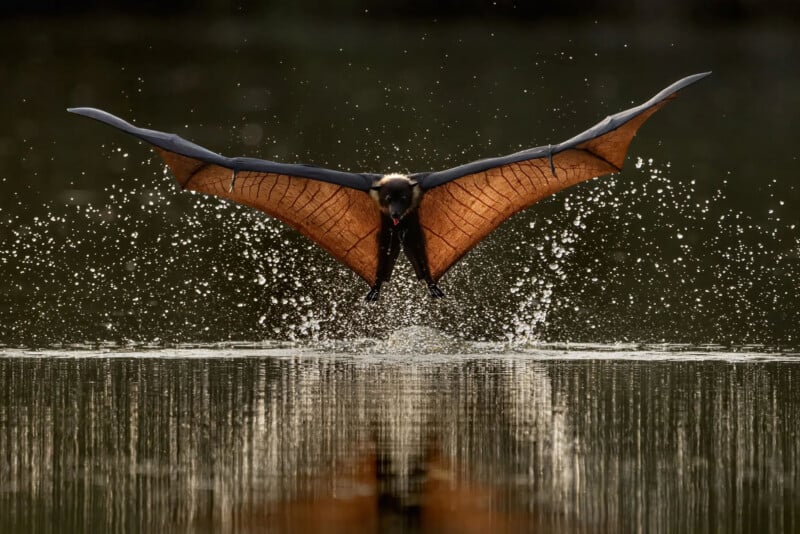
In the "Mammals" category, Hira Punjabi’s "Bat Bath" provided a rare and technically masterful look at a bat in flight, skimming the surface of a body of water. The photograph, which won a Sony imaging kit valued at €1,700, captures the precise moment of contact, highlighting the agility of a species that is often misunderstood or maligned.
Technical Innovation and the Next Generation
The competition also recognized artistic and creative approaches to nature photography. Lalith Ekanayake won the "Creative" category with "Wings of Ghosts," an experimental image of a seabird colony, and the "Other Animals" category with "Master of Disguise," featuring a perfectly camouflaged leaf-tailed gecko. These awards emphasize that nature photography is not just about documentation but also about the creative interpretation of the environment.
The "Youth" and "Child" categories demonstrated that the passion for conservation starts at an early age. Jofre Cutal Gallifa won the Youth category with "Vergonya" (Shame), showing a monkey reaching for a padlock on its cage—a poignant commentary on animal captivity from a young perspective. Meanwhile, Alberto Román Gómez won the Child category with "A break at 40°C," a black-and-white study of a bird enduring extreme heat, a subtle nod to the increasing frequency of heatwaves due to climate change.
Chronology and Future Outlook
The Nature and Humans Photo Competition has seen rapid growth since its inception.
- 2023: The inaugural competition launched with a focus on Spanish photographers.
- 2024: The contest expanded internationally, attracting entries from over 30 countries.
- 2025: The third edition reached record participation with 49 countries and a diversified prize pool including cash, high-end camera equipment from Sony and OM System, and international photo tours.
- 2026: The fourth edition is currently open for entries, with a submission deadline set for September 28, 2026.
As the competition moves forward, it continues to serve as a vital archive of the state of the planet. The images captured by these photographers do more than sit in a gallery; they are utilized in educational programs, conservation campaigns, and scientific publications.
Impact and Implications
The success of the Nature and Humans Photo Competition reflects a broader trend in the 21st century: the "democratization of the witness." With the advancement of digital imaging technology, photographers can capture high-quality evidence of environmental crimes or rare biological behaviors that were previously impossible to document.
However, the competition also raises important ethical questions about the role of the photographer. The "Content Warning" issued by the organizers regarding distressing images of animals in factory farms highlights the emotional toll of this work. For investigators like Dawid Rakoczy, the goal is not just to win a prize but to provoke a societal shift in how animals are perceived and treated.
From a conservation standpoint, the "beauty" images—like those of Lesley Rochat’s kelp forests or Javier Herranz’s landscapes—provide the necessary "nature fix" that keeps the public engaged with environmental issues. Studies in environmental psychology suggest that while "shock" images can spur immediate action, "beauty" images are essential for long-term psychological connection to the land and sea.
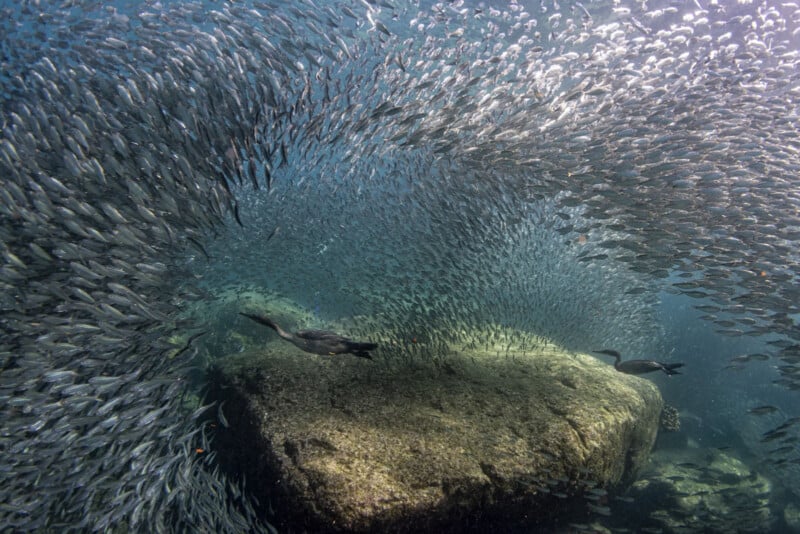
By combining these two approaches, the Nature and Humans Photo Competition provides a comprehensive visual narrative of our time. It reminds us that while the "Ghost of the Kelp Forest" still swims in sunlit waters, the "Screaming in the wind" continues as wildlife struggles against the encroaching human world. As the call for entries for the 2026 edition begins, the global community of photographers is once again invited to use their cameras as tools for change, ensuring that the stories of the natural world—both beautiful and tragic—remain in the public eye.

