


For many pet owners, the summer months present a familiar dilemma: how to manage their beloved companions while embarking on vacation. The logistical challenges and emotional toll of finding reliable pet care can be significant, particularly for owners of less conventional pets like rats. However, for those who consider their rats not just pets but integral members of the family, the prospect of leaving them behind can be equally distressing. This article delves into the feasibility and practicalities of undertaking road trips with pet rats, offering insights gleaned from extensive personal experience and outlining strategies to ensure a safe, comfortable, and memorable journey for both human and rodent travelers.
The notion of taking rats on extended travel might initially seem audacious, even impractical. Yet, for a growing number of rat enthusiasts, the stress of entrusting their sensitive animals to sitters who may lack specialized knowledge or experience can outweigh the perceived difficulties of travel. This is particularly true when considering ground transportation, as opposed to air travel, which presents a far more complex set of regulations and potential hazards for small animals. The author’s own extensive journeys, spanning multiple states and encompassing trips to destinations as diverse as Northern Arizona, Southern California, and Colorado, underscore the viability of this approach. These expeditions, some lasting as long as seven weeks, demonstrate that with meticulous planning and preparation, rats can indeed become adept travel companions, transforming a potentially stressful separation into an enriching shared adventure.

Preparing Your Rats for the Open Road
Rats, by nature, thrive on routine and familiarity. Their sensitive senses and often timid dispositions can make new environments initially unsettling. Therefore, a gradual acclimatization process is crucial to minimize stress. The author recommends introducing rats to the concept of leaving their familiar surroundings through short, controlled excursions. Evening walks around the neighborhood, with the rat safely ensconced in a ventilated bonding pouch or a soft cloth bag, can serve as an effective introduction to novel sights, sounds, and smells. During these outings, gentle reassurance, petting, and vocalization can help foster a sense of security. The rat’s reaction – whether it exhibits apprehension or curiosity – should guide the owner’s approach, allowing the animal to gradually adjust at its own pace.
Complementary to these outdoor acclimatization efforts are short car rides. These brief journeys, perhaps to pick up children from school or run a quick errand, provide an opportunity to observe the rat’s response to motion, engine noise, and the changing external environment. For many rats, the allure of new scents and the novelty of the experience can outweigh any initial trepidation, transforming car rides into anticipated outings rather than sources of anxiety. It is paramount, however, to remain acutely aware of ambient temperatures during these practice runs, as extreme heat or cold can pose significant health risks to rats, rendering such excursions inadvisable under adverse weather conditions.
The Crucial Role of the Travel Cage
The cornerstone of a successful rodent road trip lies in the selection of an appropriate travel enclosure. A well-chosen cage not only ensures the rat’s physical safety but also significantly contributes to their emotional well-being by replicating a semblance of their home environment. The author’s experience during a seven-week road trip to Washington D.C. for a five-week work assignment at the Smithsonian’s American Art Museum highlights the importance of prioritizing space. Faced with the prospect of keeping four rats comfortable for an extended period, the decision was made to opt for the largest cage that could reasonably fit within the confines of their vehicle. This meant a cage that was not necessarily the most portable but offered ample room for climbing, play, and the inclusion of familiar comforts such as hammocks, igloos, and litter boxes.

The objective was to create a "home away from home," minimizing the sense of displacement for the rats. This particular cage, described as "The Rat Lodge" by Martin’s Cage (though now discontinued), was a substantial investment that proved invaluable not only for the extended trip but also for other unforeseen circumstances, including emergency evacuations due to extreme weather events and fostering additional rats. While smaller, more portable cages were also utilized for shorter trips, such as veterinary visits, the larger enclosure consistently fostered a more relaxed and "normal" demeanor in the rats, a testament to the psychological benefits of adequate space and familiar furnishings. The author notes that while specific models may be unavailable, similar large-capacity enclosures might be found through secondary markets like Craigslist or eBay.
Comprehensive Packing: A Rodent’s Necessities
Embarking on a road trip with rats necessitates a comprehensive packing strategy, ensuring that all their essential needs are met, even in transit. The principle of "better to have it and not need it than need it and not have it" is particularly relevant when traveling with sensitive animals. A dedicated bag for the rats should include, but not be limited to, the following critical items:
- Hydration Essentials: A minimum of two water bottles, complete with their attachment mechanisms, is vital. Redundancy is key, as one bottle might malfunction or require cleaning. Ensuring a consistent supply of clean, filtered water is paramount, especially given the variability in water quality at different locations and the increased risk of bacterial contamination in tap water. The author specifically advocates for filtered water to mitigate potential health issues.
- Dietary Provisions: Sufficient dry rat food to exceed the anticipated duration of the trip is a non-negotiable. Alongside this, separate food dishes for dry and fresh food are recommended. A small, insulated cooler stocked with pre-cut fresh fruits and vegetables, along with specialized rat snacks, will ensure a balanced and appealing diet.
- Sanitation and Comfort: A dedicated cleaning kit is indispensable. This should include dish soap, a scrubber, and a bottle brush for maintaining hygiene of food and water containers. Extra bedding materials, such as fleece liners, litter box substrate, and hammocks, are crucial for maintaining a comfortable and familiar sleeping and resting environment.
- Enrichment and Security: Bonding pouches, huts, or even pillowcases can provide safe havens for nervous rats during out-of-cage time or moments of apprehension. Large, soft blankets serve multiple purposes, from protecting furniture at your accommodation to providing a sense of security for the rats.
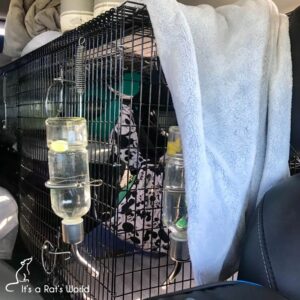
- Environmental Control: A towel or blanket can be strategically employed as a windshield shade to shield the cage from direct sunlight, preventing overheating and eye irritation. Conversely, during colder months, these same items can be wrapped around the cage base for added warmth.
- Hygiene and Waste Management: Paper towels and unscented wet wipes are invaluable for immediate spot cleaning and managing any digestive upset. Antibacterial wipes for personal hygiene and sturdy trash bags for the disposal of waste and soiled bedding are also essential components of a well-equipped travel kit.
- Emergency Preparedness: An emergency medicine kit, tailored to the specific needs of the rats, particularly for senior or ill individuals, should be considered. This aligns with general emergency preparedness recommendations for pet owners, ensuring prompt response to unexpected health issues.
The Rationale Behind Diligent Packing
The meticulous packing list is not merely about convenience; it is fundamentally about ensuring the health, safety, and well-being of the rats. Unexpected vehicle breakdowns, particularly during warmer months, can leave rats vulnerable to extreme temperatures. A sufficient reserve of food and water becomes a critical lifeline in such scenarios. The daily cleaning and refilling of water bottles are non-negotiable to prevent the proliferation of harmful bacteria, which can lead to illness. The provision of multiple water bottles allows for swift rotation during busy travel days or serves as a crucial backup should one bottle become damaged.

The intensity of sunlight, especially during peak hours, can pose a significant threat to rats. Excessive UV exposure can lead to overheating and discomfort, while direct sunlight can be irritating to their sensitive eyes. Employing windshield shades or strategically placed blankets over the cage can effectively mitigate these risks. In colder weather, these same coverings can provide essential insulation. The larger blankets are particularly useful for protecting furniture at overnight accommodations, allowing for supervised out-of-cage exploration in a safe and comfortable manner. Hiding spots and bonding pouches offer a sense of security for anxious rats, and can also serve as a means of safely holding them during brief car journeys.
The inevitability of cage cleaning during extended travel underscores the need for readily available cleaning supplies. Wet wipes are ideal for quick spot cleaning, and trash bags provide a contained solution for transporting soiled materials. Digestive upset, a common occurrence during travel due to changes in diet, environment, or motion sickness, can result in mushy stools. This is not only unpleasant but can also create a significant mess. The inclusion of paper towels, wet wipes, extra bedding, trash bags, and antibacterial wipes becomes indispensable in managing such situations.
An anecdotal yet valuable piece of advice from the 1990s highlights the efficacy of bananas in addressing diarrhea. The author recounts a personal experience where a small piece of banana, administered periodically, effectively firmed up a rat’s stools, transforming a potentially messy situation into a manageable one and ultimately contributing to the rat’s acclimatization to travel. This anecdote underscores the importance of carrying a few familiar and potentially beneficial dietary items.
Navigating Pet-Friendly Lodging
The logistical challenge of finding suitable accommodation for both humans and their rat companions requires careful research. Websites like PetsWelcome are designed to assist travelers in identifying pet-friendly hotels. However, it is imperative to go beyond the listing and directly confirm with the hotel that they are indeed amenable to accommodating rats, as policies can vary significantly and may not always extend to all types of small animals.
Once accommodation is secured, a proactive approach to ensuring the rats’ safety within the hotel room is recommended. Displaying a "Do Not Disturb" sign on the door whenever the rats are left unattended is a crucial measure to prevent unintended access by housekeeping or other hotel staff. This safeguards the rats from potential disturbance or accidental exposure to unfamiliar individuals. Furthermore, before leaving the rats alone in the room, verifying that the thermostat is set to a comfortable temperature is essential to prevent heatstroke or chilling.
Critical Warnings for Car Travel with Rats
The fundamental rule of traveling with any pet, including rats, is an absolute prohibition against leaving them unattended in a vehicle. The risks associated with unpredictable temperature fluctuations, potential theft, or other unforeseen events are too significant to ignore. The enclosed environment of a car can rapidly transform into an oven or a freezer, with potentially fatal consequences for small animals with narrow temperature tolerance ranges. Therefore, during stops, it is imperative to maintain climate control by running the car’s air conditioning or heating system.

Monitoring the functionality of the water bottle throughout the journey is also critical. Uneven terrain or inclines can affect the water pressure within the bottle, leading to leaks or rendering it impossible for the rats to drink. Regular checks ensure that their hydration needs are consistently met.
An Adventure Worth Embracing
While the prospect of traveling with rats might initially seem daunting, the rewards can be profoundly enriching. The author’s personal accounts highlight how these journeys have not only strengthened the bonds with their rat companions but have also created cherished memories. The experience of sharing new landscapes and adventures with these intelligent and affectionate creatures can transform a typical vacation into an extraordinary expedition. Although traveling without rats might present fewer logistical hurdles, the companionship and unique perspective they bring to a road trip can be a truly rewarding experience, making the effort of preparation undeniably worthwhile. The planning and execution of such trips foster a deeper understanding and appreciation for the adaptability and resilience of these often-underestimated pets, proving that with careful consideration and dedication, even the most unconventional travel companions can embark on unforgettable adventures.

