


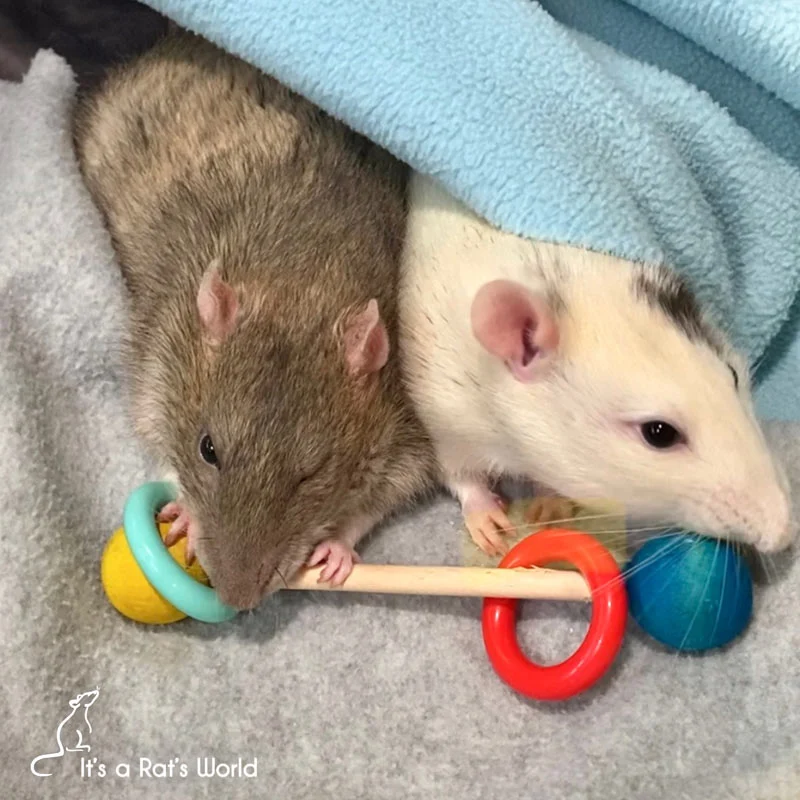
The perception of exercise has evolved significantly since the fitness fads of the 1980s. Once primarily associated with aesthetic goals, it is now widely recognized as crucial for overall health, encompassing both physical and mental vitality. This principle extends beyond human well-being to our animal companions, including pet rats, for whom regular physical activity is paramount. Ensuring adequate exercise for rats is not merely about preventing obesity; it is a fundamental aspect of responsible pet ownership that directly impacts their quality of life, longevity, and behavioral stability.
The Multifaceted Benefits of Rat Exercise
Regular physical exertion plays a critical role in maintaining the proper functioning of a rat’s body, bolstering its immune system to fight off diseases, and mitigating the risk of obesity. Excess weight in rats places undue stress on their joints and muscles, predisposing them to a range of serious health issues. These can include degenerative conditions affecting the hind legs, cardiovascular problems, the onset of diabetes, the development of lipomas (fatty tumors), and various other ailments that can significantly impair their mobility and overall health.
The correlation between weight and health in rats is well-documented in veterinary literature. Studies have indicated that overweight rodents are more susceptible to chronic inflammation and a shortened lifespan. For instance, research published in the Journal of Exotic Pet Medicine has highlighted the increased incidence of respiratory infections and reduced immune response in obese laboratory rats, findings that translate to the pet population.
For owners noticing a potential increase in their rat’s body mass, a comprehensive evaluation of their diet and daily activity levels is essential. Understanding the nuances of rat weight can be challenging. A useful resource for owners is the assessment of body condition, which can be gauged by feeling the rat’s ribs and spine. If they are difficult to palpate, it may indicate excess body fat. This assessment, coupled with a review of their food intake, is the first step in addressing potential weight concerns.

Beyond the physical advantages, exercise is indispensable for a rat’s mental health. A lack of sufficient physical and mental stimulation can lead to a cascade of negative psychological effects. Boredom, lethargy, and even depression can manifest, often resulting in undesirable behavioral issues such as excessive chewing, aggression, or self-harm. This is particularly pertinent given that pet rats spend the majority of their lives within the confines of a cage, where opportunities for natural exploration and activity are inherently limited.
It is important to note that this discussion primarily pertains to healthy rats that do not have pre-existing mobility restrictions due to age-related conditions like hind leg degeneration, illness, or injury. For rats facing such challenges, a veterinarian’s guidance is indispensable to tailor exercise strategies that are safe and beneficial, ensuring their specific needs are met without exacerbating their condition.
Facilitating Movement: Exercise Beyond the Gym
Unlike their wild counterparts, domesticated rats often exhibit a more sedentary lifestyle, necessitating proactive intervention from their owners to encourage activity. The notion of requiring rats to engage in strenuous workouts or participate in structured fitness classes is, of course, a humorous exaggeration. Rats do not possess the same physiological mechanisms for thermoregulation as many other mammals; they do not perspire, for example. Their exercise needs are met through opportunities for natural exploration, play, and engaging activities that encourage movement.
The idea of a rat clad in 1980s aerobic gear is an amusing mental image, but the reality of providing exercise for rats is far simpler and more intuitive. The objective is to provide daily incentives and opportunities for them to move their bodies, to encourage them to leave their comfortable resting spots and engage with their environment. This can be achieved through a variety of methods, including supervised exploration, interactive toys, puzzle feeders, and even by cleverly "tricking" them into physical activity through play and reward.
Enriching the Cage Environment for Enhanced Activity
To combat the natural tendency of rats, particularly as they age, to become more lethargic and spend extended periods sleeping, their cage environment must be designed to promote constant engagement. While a multi-level cage offers a vertical dimension for movement, it is often insufficient on its own. The inclusion of specialized items that actively encourage physical exertion is crucial.

Incorporating Exercise Wheels
Exercise wheels can be a valuable addition to a rat’s enclosure, though their effectiveness can vary. Some rats readily take to running on a wheel, embracing it as a primary form of exercise. Others, however, may view it as a convenient place to sleep. Despite this variability, introducing a safe and appropriately sized exercise wheel is generally recommended.
When selecting an exercise wheel, prioritize safety and size. For adult rats, an extra-large wheel is typically necessary to accommodate their size and allow for a natural running gait without causing spinal strain. The wheel should be constructed from a solid material, free of bars or gaps where a tail or foot could become trapped. Secure mounting is paramount; the wheel must attach firmly to the cage side or have a stable stand, ensuring there is no space between the wheel and cage bars that could lead to a rat becoming stuck.
Introducing a wheel when rats are young is often more successful. Older rats, particularly adult males who may have already developed a preference for inactivity, are more likely to repurpose a wheel as a resting spot or ignore it altogether. This early introduction helps them associate the wheel with activity rather than repose. Brands like the Wodent Wheel and Silent Spinner have been popular choices, though ongoing research into newer, safer models is always advisable.
Stimulating Interactive Decor
Many owners enhance their rats’ cages with interactive elements that provide both physical and mental stimulation. This often involves a creative combination of commercially available pet toys and repurposed everyday objects that can be transformed into climbing structures, bridges, tunnels, and dig boxes.
One effective approach involves modifying the cage layout to encourage more effortful movement. For instance, removing standard ramps and replacing them with items that require more climbing or maneuvering can promote activity. Similarly, strategically placed toilet paper rolls can be a source of endless entertainment. Allowing rats to "redecorate" their cage by shredding and moving paper tubes can lead to significant physical exertion and problem-solving. This is particularly beneficial for younger, more mobile rats; senior rats may require modified enrichment strategies that cater to their physical limitations.

Encouraging Movement Outside the Cage
A change of environment is often the most potent catalyst for motivating rats to become more active. Their innate curiosity and desire to explore new surroundings and interact with novel stimuli provide a powerful impetus for them to engage in physical activity.
Supervised Free-Ranging
Most rats relish the opportunity to explore beyond the confines of their cage, even those that might be more inclined towards a sedentary lifestyle. Free-ranging does not necessitate granting them unrestricted access to an entire home. Instead, owners can designate specific times and a rat-proofed room for supervised exploration. During these periods, it is beneficial to provide a variety of items that encourage continuous activity and engagement.
Historically, bathrooms have served as excellent free-ranging spaces due to their enclosed nature and the availability of various surfaces and objects. Setting up igloos, tunnels, cardboard boxes, and other items for climbing and exploration can transform the space into an engaging playground. Owners can even participate by acting as a "rat jungle gym," allowing their pets to climb on them.
A particularly engaging activity for rats, and one that provides significant exercise, is what is affectionately termed "TPing the bathroom." This involves providing them with toilet paper rolls, which they will enthusiastically shred, carry, and stash. One documented instance involved a rat ingeniously scaling a freestanding toilet paper holder, using its teeth to pull down a dangling piece of paper, and then sliding back to the floor to join its companions in the ensuing paper frenzy. This activity not only promotes extensive physical movement but also encourages problem-solving and collaborative behavior among the rats. The owner’s decision to embrace this playful chaos, rather than deter it, highlights the value of allowing rats to express their natural behaviors.
For owners considering free-ranging, understanding the associated risks and safety protocols is paramount. A dedicated article on the subject, "Free-Ranging Pet Rats: What Every Owner Needs to Know," provides comprehensive guidance on creating a safe and enriching experience.

Designated Playpens and Play Areas
A dedicated play area, whether a commercially purchased enclosure or a custom-built structure, serves as a valuable space for rats to expend energy safely. This is akin to providing a designated "recess" time. While store-bought playpens can be effective, rats are often adept at finding ways to escape, necessitating careful supervision and potential modifications to secure the enclosure.
The effectiveness of a play area in promoting exercise is directly proportional to the enrichment it provides. To prevent prolonged periods of inactivity, the area should be equipped with a variety of engaging items. Interactive puzzle toys and dig boxes are excellent choices, as they not only stimulate physical movement but also provide crucial mental stimulation. Items that encourage climbing, such as igloos, tunnels, and even a wheel placed on a stand, are also highly beneficial. Creativity is key, and everyday objects, such as small desktop trash cans filled with paper scraps, can be transformed into exciting foraging and stashing opportunities.
To maintain rats’ interest in these enrichment items, a strategy of rotation is recommended. Instead of presenting all items at once, a weekly or bi-weekly rotation of toys and activities keeps the environment novel and engaging, preventing them from becoming monotonous.
For those considering building a custom play area, integrating elements that serve a dual purpose as a "rat gym" can maximize exercise benefits. A well-designed play structure, such as one constructed from shallow storage containers connected by various-sized plastic piping, can offer tunnels, balance beams, and multi-level climbing opportunities, transforming the play space into a comprehensive fitness zone.
Engaging Toys and Agility Courses
Direct interaction with rats using safe pet toys can also encourage activity. Toys such as rolling cat toys can be chased, and wand toys with feathers or dangling objects can elicit an enthusiastic hunting response from rats.

For owners seeking a more advanced challenge, setting up an agility course can provide an exceptional outlet for both physical and mental exertion. Online resources offer numerous examples of rat agility courses, showcasing how these animals can learn complex routines and develop advanced motor skills. The work of individuals like "Shadow the Rat," who documents her rats’ agility training on social media platforms, provides inspiration and practical demonstrations of the impressive capabilities of these intelligent creatures. Such training not only ensures adequate exercise but also fosters a deeper bond between the owner and their pets through shared activity and learning.
Harnessing Treats for Motivation
As rats mature, their activity levels naturally decline. This is a common observation across many species, and pet rats are no exception. Male rats, in particular, can become notably less active, especially if they have been neutered. This tendency towards a more relaxed lifestyle is often endearing to owners, but it underscores the importance of implementing strategies to maintain their activity levels.
The methods previously discussed all serve as indirect ways to encourage rats to exercise. However, a more direct approach involves leveraging their strong motivation for food to encourage physical exertion.
Making Them Work for Their Meals
The way food is presented can significantly influence a rat’s activity. Using food crocks, foraging wheels, or specialized treat dispensers requires more effort on the part of the rat to access their sustenance. If a food bowl is placed directly on the cage floor, a rat may simply sit beside it and eat until full. However, if the food dish is elevated a few inches from the floor, the rat will need to stand and stretch to reach each portion, engaging its muscles. Similarly, foraging wheels necessitate more time and effort to extract food, prolonging the eating process and increasing physical activity.
The Joy of "Pea Fishing"
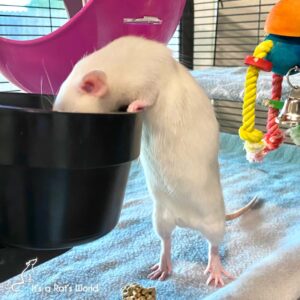
A simple yet highly effective activity that rats universally enjoy is "pea fishing." This involves placing frozen peas in a heavy-duty food container filled with water. Rats are naturally drawn to this activity, and even those initially hesitant will soon be eagerly "fishing" for the peas. When multiple rats are engaged in this activity, the competition for peas adds an element of social interaction and increased exertion as they jostle for access to the bounty. This playful competition, while providing a minimal caloric intake from the peas, ensures significant physical engagement and enjoyment.
Individual Differences in Rat Health and Exercise Needs
It is a common misconception that a rat’s weight is solely indicative of its activity level. Personal observations reveal that this is not always the case. Some of the author’s previously heaviest rats were allowed free-range access throughout their home and spent a considerable amount of time running and exploring, yet still maintained a notably chunky physique. This was not attributed to overfeeding, as dietary habits were carefully managed.
In such instances, genetics can play a significant role in a rat’s body composition and metabolism. If a rat exhibits significant weight issues, consulting a veterinarian is highly recommended. A veterinarian can help determine whether the weight gain is attributable to a underlying health condition, dietary imbalances, or if a more structured and tailored exercise regimen is required.
Navigating the demands of modern life can make it challenging to consistently meet a pet rat’s daily exercise needs. However, by incorporating a variety of stimulating activities and environmental enrichments throughout the day, owners can significantly enhance their rats’ physical health, mental well-being, and overall quality of life. A proactive approach to exercise ensures that these intelligent and social creatures can thrive and live long, healthy, and fulfilling lives.

