


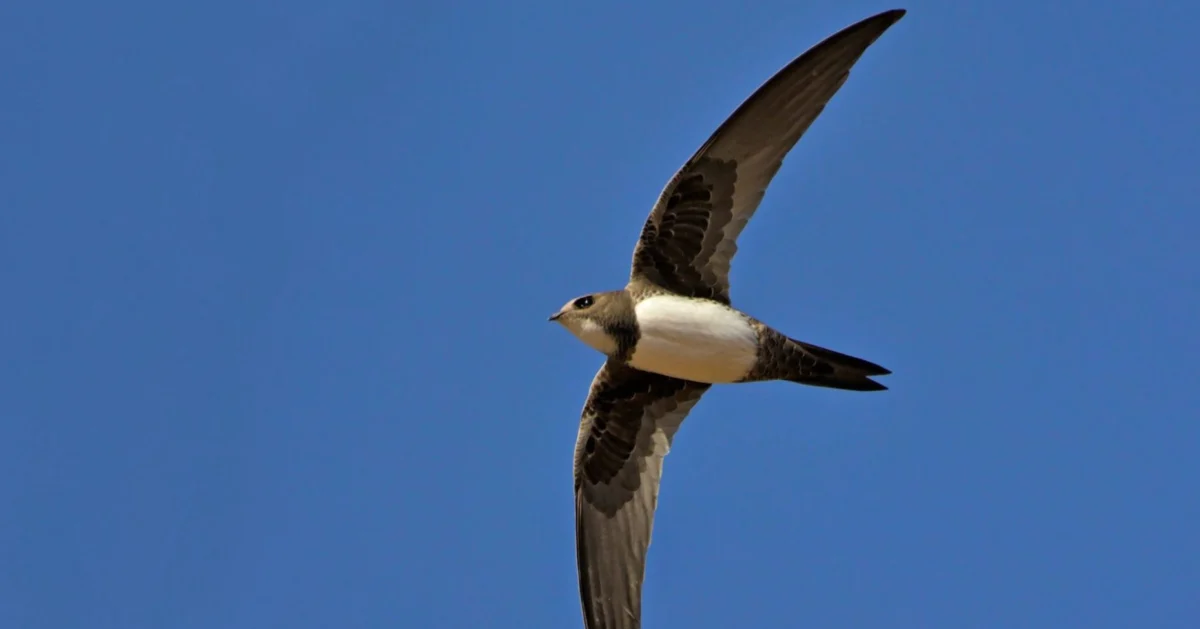
Belgrade, Serbia – A prominent political billboard erected on the façade of the iconic Albania Palace in central Belgrade last week, intended as a display of political power, inadvertently ignited a significant environmental crisis and galvanized public opposition. The massive advertisement, promoting the ruling Serbian Progressive Party (SNS), critically endangered a colony of Alpine Swifts (Tachymarptis melba), a species strictly protected under Serbian law. The swifts, currently in their crucial breeding season, found their access to vital nesting sites blocked, jeopardizing the survival of their young chicks who depended on their parents for sustenance.
The swift and decisive action taken by the Bird Protection and Study Society of Serbia (BPSSS), a key partner in environmental advocacy, immediately brought the escalating situation to the attention of relevant authorities, the media, and the wider public. This intervention set in motion a powerful chain of events that transcended the immediate plight of the birds, becoming a potent symbol of civic engagement and a demand for greater accountability in governance.
The Crisis Unfolds: A Blocked Lifeline for Protected Birds
The Albania Palace, a recognizable landmark in Belgrade, has for years served as a vital sanctuary for one of Serbia’s most significant Alpine Swift colonies. These birds, known for their aerial prowess and reliance on cliff-like structures for nesting, had established their homes within the openings of the building’s façade. The installation of the oversized political billboard, however, created an insurmountable barrier, effectively cutting off adult swifts from their nests.

During the breeding season, the demand for food is constant and critical for the survival of young chicks. Each day that parents were unable to reach their young represented a direct threat to their lives. The sight of distressed swifts circling the building, desperately attempting to breach the barrier to feed their hungry offspring, quickly became a focal point of public concern.
A Swift and Unified Public Response
The BPSSS’s alert triggered an immediate and overwhelming public outcry. The organization’s proactive approach in informing media outlets and the public ensured that the gravity of the situation was widely understood. Scientists, environmental activists, university students, animal welfare advocates, journalists, and thousands of ordinary citizens united in demanding swift and decisive action.
Social media platforms became a crucial conduit for disseminating information, with images and videos of the swifts’ desperate attempts to reach their nests going viral. This digital wave of awareness quickly translated into tangible, real-world action. Within a single weekend, multiple demonstrations were organized directly in front of the Albania Palace. These peaceful gatherings, characterized by passionate speeches and the shared concern for the natural world, underscored the deep-seated public desire for the immediate removal of the obstructive banner.
The visual impact of the swifts’ struggle, coupled with the knowledge that these were protected birds facing a man-made threat, resonated deeply with the populace. The demonstrations served not only as a protest against the immediate environmental damage but also as a clear message to the authorities about the public’s expectations regarding the protection of natural heritage.

Beyond Birds: A Symbol of Governance and Public Interest
As public criticism mounted, the focus of the controversy broadened, extending beyond the immediate ecological concern to touch upon broader issues of governance and the prioritization of public interest. The billboard represented the Serbian Progressive Party (SNS), a political force that has held a dominant position in Serbia’s political landscape for over a decade.
The questions surrounding the approval and installation of the billboard became a central point of contention. The initial responses from some senior political figures, claiming a lack of knowledge regarding responsibility for the banner’s placement, were met with widespread skepticism. Given the long-standing presence of the Alpine Swift colony at the Albania Palace, many citizens found it difficult to accept that such an oversight could occur without a clear understanding of the potential consequences.
For a significant portion of the public, the trapped swifts evolved into a powerful metaphor for broader concerns about the decision-making processes, transparency, and the perceived disregard for environmental protection in favor of political messaging. The incident highlighted a perceived disconnect between political agendas and the tangible impact on the environment and the rights of protected species. The situation underscored the critical need for robust oversight mechanisms and a greater commitment to ecological considerations in urban development and public messaging campaigns.
The Turning Point: Public Pressure Drives Action
The sustained public pressure proved to be an irresistible force. Faced with mounting criticism and widespread public disapproval, official institutions were compelled to act. On the evening of May 30th, in a significant victory for environmental advocates and concerned citizens, specialized climbers were deployed to meticulously remove the colossal banner from the Albania Palace’s façade.

The successful removal of the billboard was met with widespread celebration. Crowds gathered in the heart of Belgrade, their applause and expressions of relief echoing through the city center. The restoration of access to the nesting sites allowed the adult swifts to finally return to their young, resuming their essential role of providing food and care. This moment marked a triumph for collective action and a testament to the power of an informed and engaged citizenry.
Broader Implications: Lessons for Environmental Stewardship
The resolution of the Albania Palace swift crisis carries profound implications that extend far beyond the immediate rescue of a single bird colony. It serves as a compelling case study illustrating the indispensable role of independent scientific expertise, the vital function of active civil society organizations, and the crucial impact of public participation in safeguarding the natural world.
The incident demonstrated that environmental issues, often perceived as niche concerns, possess the remarkable ability to unite individuals from diverse social and political backgrounds. The shared outrage and unified action in defense of the swifts showcased a collective commitment to protecting biodiversity and upholding legal protections for endangered species.
Furthermore, the case underscores the importance of vigilance and the refusal to remain indifferent to environmental threats. The swift and successful outcome was a direct result of individuals and organizations refusing to "look away" and instead choosing to actively engage and demand accountability. It highlights that when communities come together, armed with knowledge and a shared purpose, they possess the power to effect meaningful change and ensure that progress does not come at the expense of ecological integrity.

The story of the Albania Palace swifts is a powerful reminder that the protection of nature is not merely an abstract ideal but a tangible necessity that requires constant attention, informed action, and a commitment to democratic principles where the public voice holds sway. It sets a precedent for how similar conflicts between development, political messaging, and environmental preservation can be navigated in the future, emphasizing a more collaborative and conscientious approach.
Supporting Data and Context
- Alpine Swift (Tachymarptis melba): This species is characterized by its large size, distinctive white throat, and broad wings, adapted for long-distance aerial foraging. They are migratory birds, breeding in Europe and Asia and wintering in sub-Saharan Africa. Their nesting habits often involve utilizing cavities in cliffs, tall buildings, and other structures that mimic natural cliff faces. In Serbia, they are classified as a strictly protected species, meaning their habitats and individuals are afforded significant legal protection against disturbance and harm.
- Albania Palace: Constructed in the late 1930s, this landmark building in Belgrade has a rich architectural history. Its prominent location and façade features have historically provided suitable nesting grounds for various bird species, including the Alpine Swift, which have become an integral part of the urban ecosystem.
- Serbian Progressive Party (SNS): The SNS has been the dominant political party in Serbia since 2012, holding significant influence over national policy and public discourse. Their extensive use of public spaces for political advertisement is a common practice, but this instance highlighted a significant oversight in environmental impact assessment.
- Public Demonstrations: The swift mobilization of thousands of citizens for weekend demonstrations is indicative of a growing public awareness and concern regarding environmental issues in Serbia. This level of engagement suggests a potential shift in public priorities, with greater emphasis being placed on ecological sustainability and responsible governance.
The resolution of this incident serves as a beacon of hope, demonstrating that collective action, coupled with diligent advocacy and a commitment to transparency, can effectively challenge potentially damaging policies and ensure the protection of Serbia’s natural heritage. The Alpine Swifts of the Albania Palace, through their silent struggle, have inadvertently become powerful ambassadors for environmental consciousness and civic responsibility in Belgrade.

