


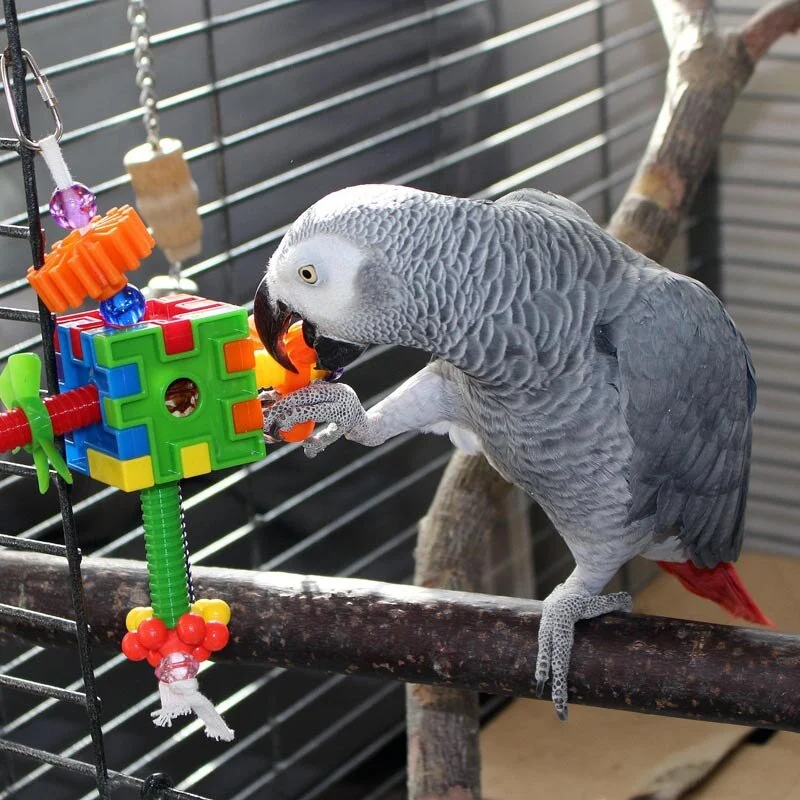
An upcoming webinar, "Zookeeper Notes: Enriching the Whole Parrot," is set to provide essential insights into advanced avian welfare practices, drawing on extensive professional expertise to guide pet parrot owners toward a more profound understanding of their birds’ complex needs. Scheduled for Friday, May 29, 2026, at 12:00 p.m. PST, this virtual event aims to translate principles of zoological care into practical strategies for companion bird environments. The online format, accessible via a provided Zoom registration link, underscores a commitment to widespread education in avian husbandry, offering participants a convenient way to enhance their knowledge regardless of their geographical location. Attendees are encouraged to utilize a time zone converter to ensure accurate participation from their local time.
The webinar will feature Michiko Berceau, a highly accomplished Certified Veterinary Technician (CVT) and Certified Wildlife Rehabilitator (CWR), who brings over 18 years of specialized experience in wildlife, zoo, and exotic animal care. Her comprehensive background, which includes a Bachelor of Applied Science (BAS) in Veterinary Technology and more than 400 hours of continuing education, positions her as a leading authority in the field. Berceau’s expertise extends to native wildlife rehabilitation, a critical area demanding intricate knowledge of species-specific needs and environmental considerations. Furthermore, her specialized permit to rehabilitate species protected under the Migratory Bird Treaty Act highlights a profound understanding of federal wildlife regulations and the ecological nuances of avian conservation. This depth of experience from both clinical and rehabilitative perspectives is expected to provide attendees with a holistic and scientifically informed approach to parrot care.
The Imperative of Comprehensive Parrot Enrichment
The core focus of the "Zookeeper Notes" webinar, "Enriching the Whole Parrot," addresses a critical aspect of companion bird welfare that is frequently underestimated by pet owners. Parrots, renowned for their intelligence, social complexity, and longevity, often face significant challenges in domestic environments if their intrinsic needs are not adequately met. In the wild, parrots engage in a myriad of activities: foraging for diverse food sources, navigating complex arboreal landscapes, interacting within intricate social structures, and constantly adapting to environmental changes. These natural behaviors are crucial for their physical and psychological health. In captivity, without deliberate intervention, these opportunities for engagement are severely limited, leading to a spectrum of behavioral and physiological issues, including feather destructive behaviors, screaming, aggression, repetitive pacing, and overall poor welfare.
The concept of "enrichment," as practiced in modern zoological institutions, extends far beyond merely providing toys. It encompasses a dynamic process of providing stimulating environments, activities, and interactions designed to promote natural behaviors and enhance an animal’s physical and psychological well-being. Berceau’s approach emphasizes engaging "every part of your bird," focusing on four key domains: cognitive, sensory, manipulative, and social needs.
Deconstructing the Dimensions of Avian Enrichment
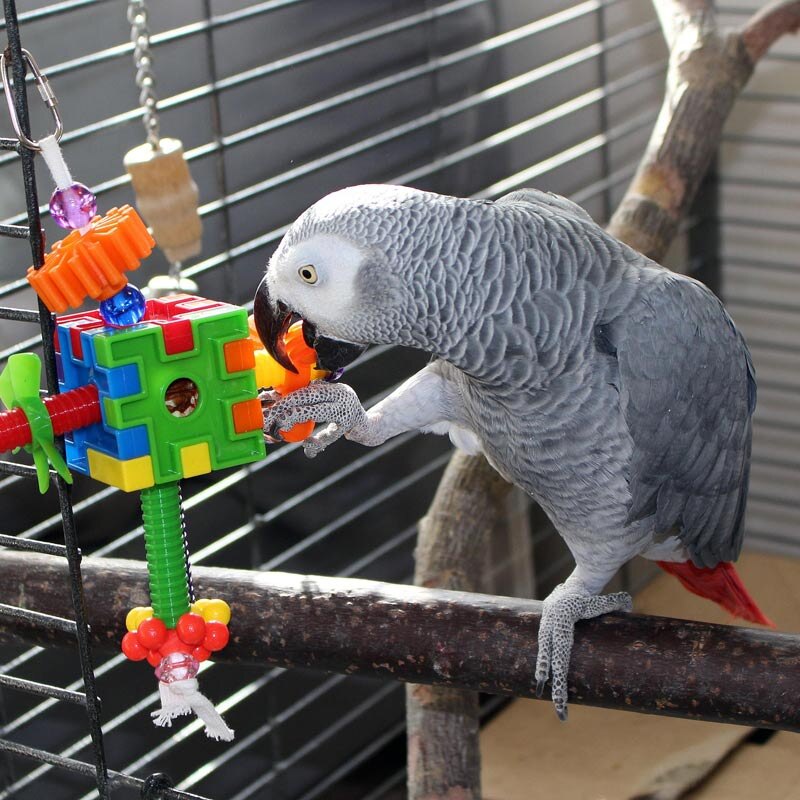
Cognitive Enrichment: Parrots possess problem-solving abilities often compared to those of human toddlers. Without adequate mental stimulation, these highly intelligent birds can become bored, leading to frustration and destructive behaviors. Cognitive enrichment involves presenting challenges that require thought and learning. This can include puzzle feeders that demand manipulation to access food, training sessions that teach new behaviors or tricks, and the introduction of novel objects that encourage exploration and investigation. Michiko Berceau is expected to elaborate on methods for designing puzzles appropriate for different parrot species and individual intelligence levels, fostering mental agility and preventing learned helplessness. The long-term implications of cognitive engagement are profound, contributing to a parrot’s adaptability, emotional resilience, and overall contentment.
Sensory Enrichment: A parrot’s natural world is rich with sensory input – the rustling of leaves, the calls of other birds, the scent of blossoming flowers, the varied textures of bark and fruit. Replicating this sensory diversity in a home environment is vital. Sensory enrichment can involve visual stimuli, such as varying cage décor, providing views of the outdoors, or introducing safe, colorful objects. Auditory enrichment might include playing natural sounds, classical music, or engaging in vocal interactions. Olfactory enrichment, while less commonly considered for birds, can involve safe, natural scents. Tactile enrichment is crucial for a parrot’s feet and beak, incorporating varied perches made of different materials (natural branches, rope, concrete) and shreddable toys that satisfy their innate desire to chew and manipulate. Berceau’s "Zookeeper Notes" will likely offer practical, safe methods for introducing these sensory elements without causing overstimulation or stress, drawing on zoo protocols that meticulously balance novelty with security.
Manipulative Enrichment: The beak and feet are a parrot’s primary tools for interacting with their environment – for foraging, climbing, preening, and building. Manipulative enrichment focuses on providing opportunities for these natural behaviors. This includes a wide array of toys that can be chewed, shredded, climbed on, or disassembled. Foraging opportunities are paramount; instead of simply presenting food in a bowl, owners can hide treats in various locations, inside foraging toys, or within shreddable materials, compelling the bird to work for its food, mimicking natural foraging efforts that occupy a significant portion of a wild parrot’s day. The webinar will likely detail creative and safe ways to implement foraging strategies that challenge the bird without frustrating it, emphasizing the importance of rotating enrichment items to maintain interest and novelty.
Social Enrichment: Parrots are inherently social creatures, living in flocks in the wild and forming strong pair bonds. In a domestic setting, the human family often becomes the parrot’s surrogate flock. Social enrichment involves consistent, positive interaction with owners or other compatible birds. This includes daily training sessions, shared activities, vocal communication, and even shared mealtimes (with appropriate, bird-safe foods). Understanding the nuances of parrot body language and vocalizations is crucial for fostering a positive social bond. Berceau is expected to discuss the delicate balance of social interaction, recognizing that while constant attention is not always feasible or healthy, consistent, high-quality engagement is essential for a parrot’s emotional well-being. For households with multiple birds, guidance on safe introductions and managing flock dynamics will also be invaluable.
The Background and Broader Context of Avian Welfare Education
The increasing popularity of parrots as companion animals has brought with it a heightened awareness of their complex needs. Organizations like Lafeber Company, implied as a host or supporter given the website context, often champion educational initiatives to improve pet bird welfare. Statistics indicate that millions of households worldwide own companion birds, with parrots representing a significant portion. However, a substantial number of these birds experience welfare challenges due to a lack of understanding regarding their behavioral, nutritional, and environmental requirements. Behavioral issues such as feather plucking alone are estimated to affect 10-15% of captive parrots, often stemming from inadequate enrichment and stress.
The "Zookeeper Notes" webinar is a timely intervention, aiming to bridge the gap between scientific understanding of avian behavior and practical application in the home. By bringing insights from zoological institutions – environments where species-specific needs are meticulously studied and met through specialized programs – Michiko Berceau offers a unique perspective. Zoos invest heavily in environmental enrichment programs, recognizing their role in preventing stereotypic behaviors, promoting physical health, and enhancing the overall quality of life for their animals. Adapting these proven strategies for a home setting can dramatically improve the lives of pet parrots.

Michiko Berceau’s extensive credentials further underscore the scientific rigor and ethical considerations that underpin her approach. As a Certified Veterinary Technician, she possesses a deep understanding of avian physiology, disease prevention, and emergency care. Her certification as a Wildlife Rehabilitator and permit for Migratory Bird Treaty Act-protected species rehabilitation highlight a profound commitment to species conservation and the welfare of native birds, demonstrating an understanding of natural behaviors and habitats that is directly applicable to improving the captive environment. This dual expertise provides a comprehensive lens through which to view and address the complexities of parrot care.
Inferred Statements and the Impact on the Avian Community
While no direct statements from Lafeber Company or Michiko Berceau were provided in the original snippet, the nature of the webinar allows for logical inference regarding their objectives. A representative from Lafeber Company might state, "This webinar aligns perfectly with our mission to advance avian health and welfare through education. We believe that empowering parrot owners with expert knowledge, particularly from professionals like Michiko Berceau who bring zoo-level insights, is crucial for fostering truly thriving companion birds."
Michiko Berceau herself might express, "My goal for this webinar is to demystify parrot enrichment, offering practical, actionable strategies that owners can implement immediately. By exploring cognitive, sensory, manipulative, and social needs, we can move beyond basic care to cultivate a meaningful, positive state of avian wellbeing for these incredibly intelligent creatures. It’s about understanding their world through their eyes, beak, feet, and ears, and enriching their lives in a way that truly matters."
The implications of such educational initiatives are far-reaching. For individual parrot owners, the webinar promises a pathway to deeper understanding and improved animal welfare, potentially reducing common behavioral problems and fostering stronger human-animal bonds. For the broader avian community, it represents a continued movement toward evidence-based pet care, encouraging a shift from anecdotal advice to scientifically supported practices. This professionalization of pet care, driven by experts like Berceau, helps elevate the standard of living for captive parrots and contributes to their longevity and quality of life. The online format also democratizes access to this specialized knowledge, making high-level avian care education available to a global audience of enthusiasts, breeders, and even other veterinary professionals seeking continuing education.
Concluding Thoughts on Avian Wellbeing
The "Zookeeper Notes: Enriching the Whole Parrot" webinar is poised to be a pivotal event for anyone dedicated to the welfare of companion parrots. By meticulously outlining strategies for cognitive, sensory, manipulative, and social enrichment, Michiko Berceau will equip attendees with the tools to create environments that not only sustain their birds but allow them to genuinely thrive. The emphasis on a "meaningful, positive state of avian wellbeing" reflects a modern understanding of animal care that prioritizes psychological health alongside physical health. As the date approaches, the opportunity to learn from an expert with such extensive and diverse experience in wildlife, zoo, and exotic animal care presents an invaluable resource for the global avian community, reinforcing the critical role of informed care in ensuring the flourishing lives of these remarkable birds. Registration is open, and participants are encouraged to secure their virtual seats to engage with this essential discussion on May 29, 2026.

