


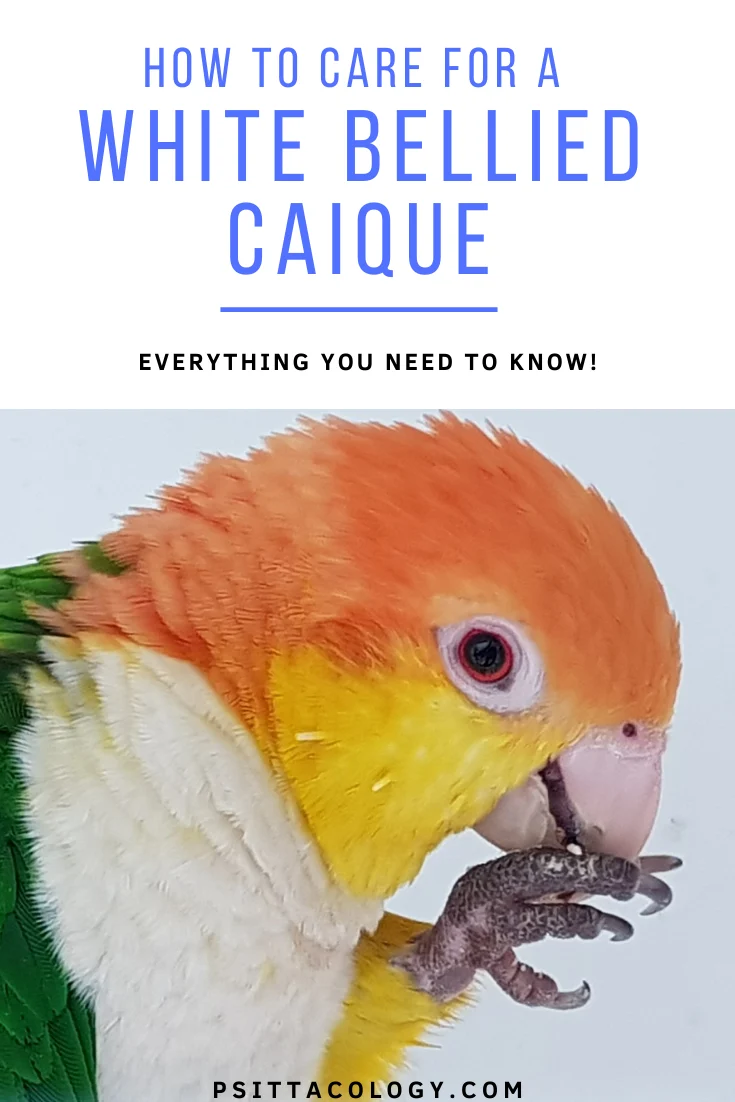
Considering the addition of a white-bellied caique to a household represents a significant commitment, necessitating thorough research into the unique care requirements and vibrant personalities of these South American parrots. Known for their energetic disposition and often described as the "clowns of the parrot world," caiques present both immense rewards and considerable challenges for prospective owners. This detailed overview explores the species’ characteristics, natural habitat, dietary needs, temperament, housing, and crucial health considerations, providing essential information for responsible ownership.
Understanding the White-Bellied Caique: A Detailed Profile
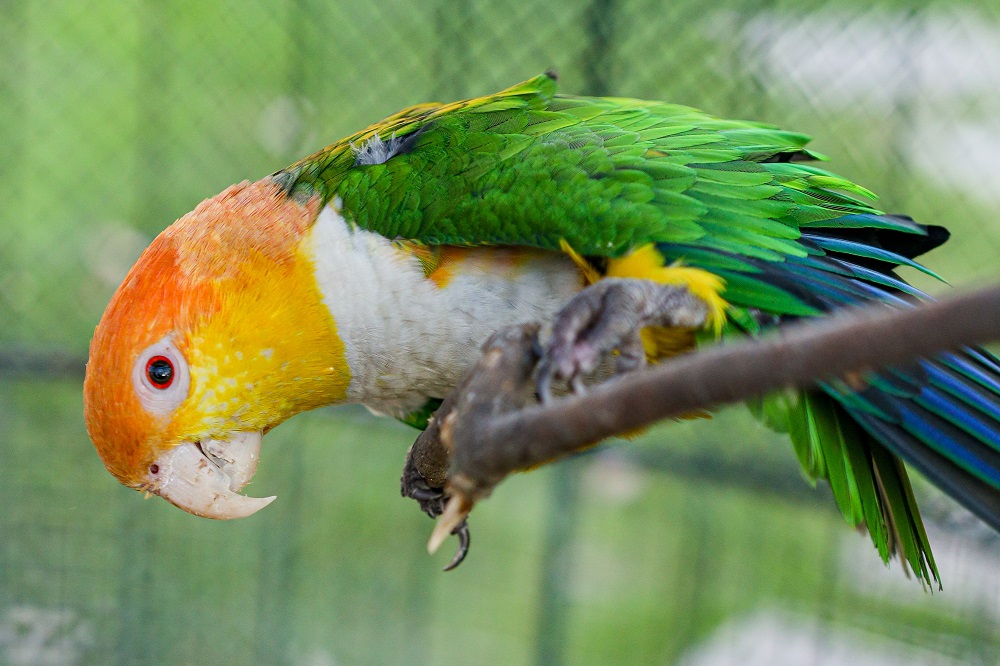
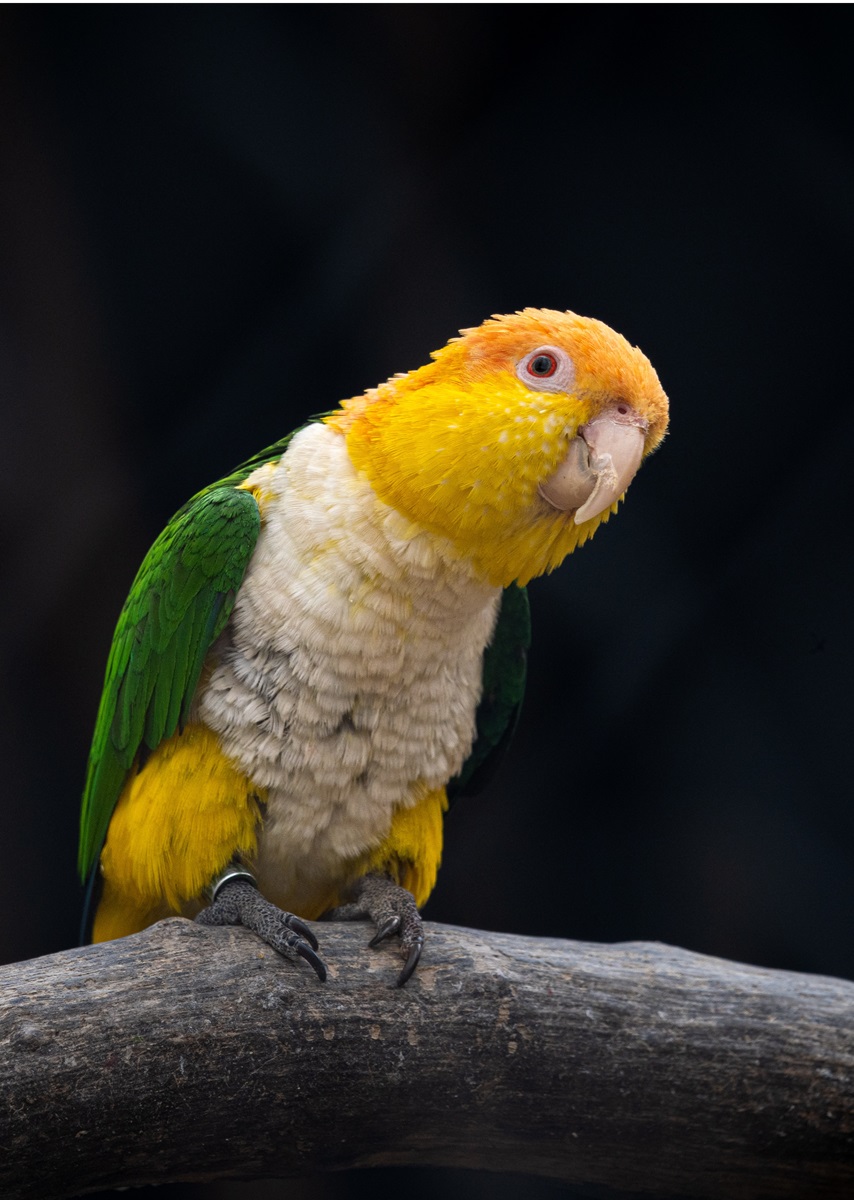
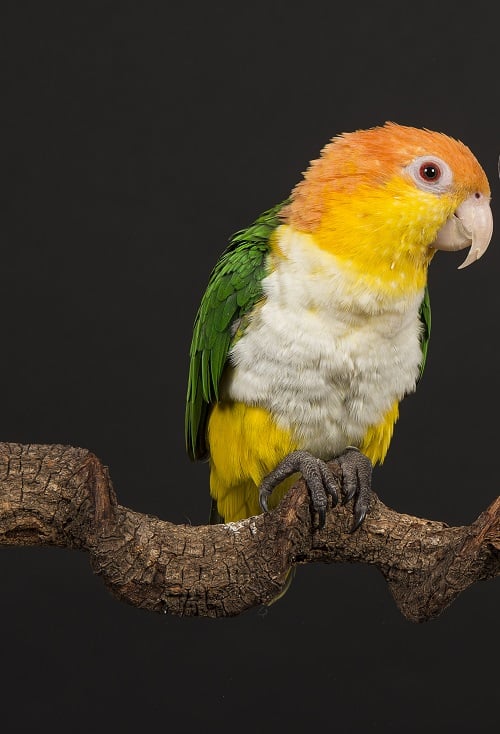
The white-bellied caique (scientific name: Pionites leucogaster), also recognized by common names such as white-bellied parrot, green-thighed parrot, yellow-tailed parrot, black-legged parrot, and yellow-thighed parrot, is a distinctive and colorful avian species. Physically, these parrots are characterized by a stocky build, reaching an adult size of approximately 23 centimeters (9 inches) and weighing up to 170 grams. Their appearance is marked by a short, somewhat stumpy tail and a striking coloration. As their name suggests, their chests and bellies are typically white to cream. The head often presents an orange hue, complemented by yellow cheeks, while the wings and back are a vibrant green. A beige beak and unusual reddish eyes, encircled by a bare eye-ring, complete their unique look. Distinguishing between male and female white-bellied caiques visually is not possible; a DNA test remains the most reliable method for sex determination.
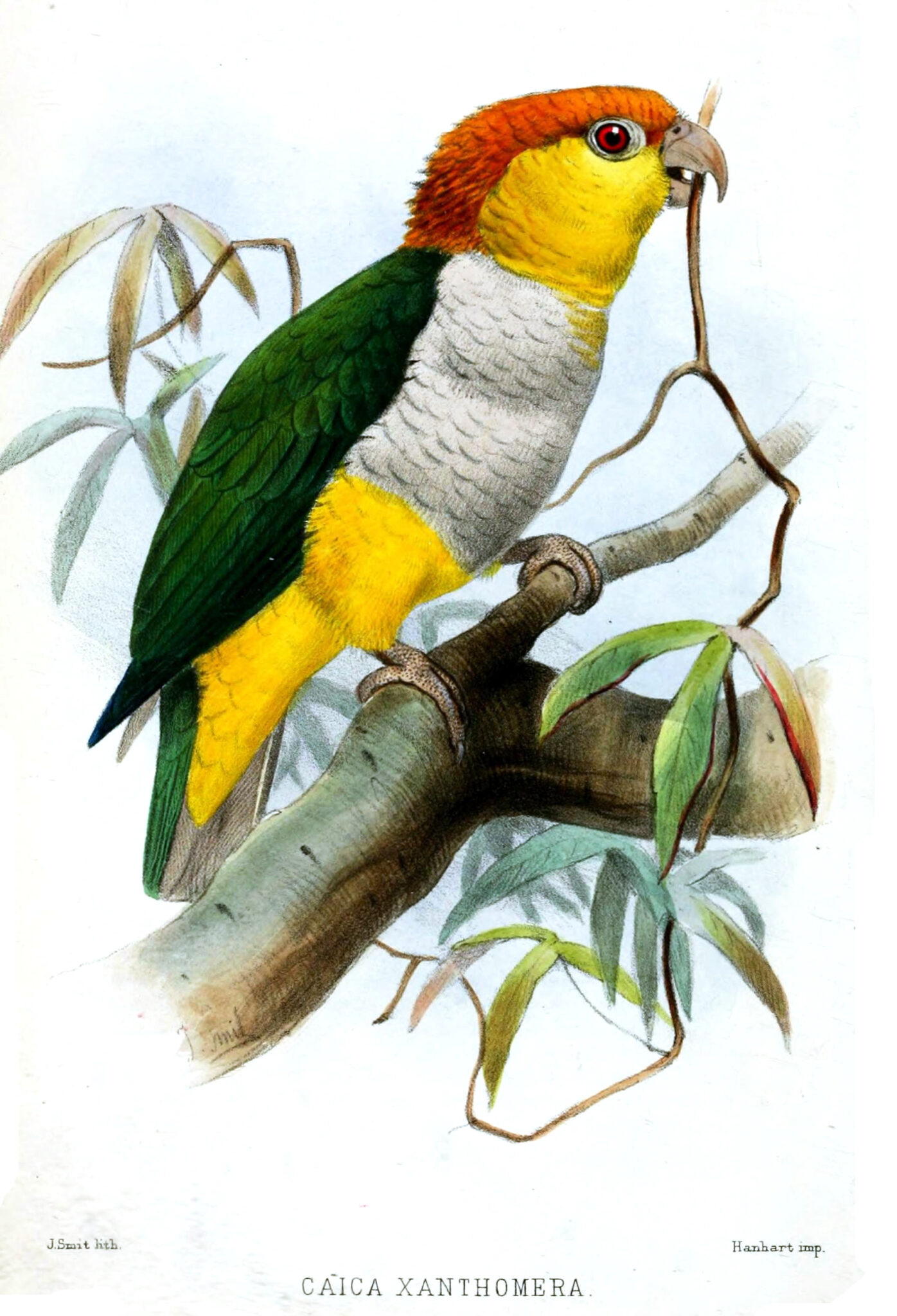
Taxonomically, the classification of white-bellied caiques has been a subject of ongoing scientific discussion. Traditionally, the genus Pionites encompassed two species: the white-bellied caique (P. leucogaster) and the black-capped caique (P. melanocephalus). Within this framework, P. leucogaster was historically divided into three subspecies: P. l. leucogaster, P. l. xanthomeria, and P. l. xanthurus. However, contemporary ornithological sources, such as "Birds of the World," now frequently propose elevating P. xanthurus and P. xanthomeria to distinct species status, primarily based on observed color variations in their legs and tails. This taxonomic debate underscores the complexity of avian classification and the dynamic nature of scientific understanding.
Natural Habitat and Urgent Conservation Concerns

The natural range of the white-bellied caique is primarily concentrated within the canopies of the rainforests in the vast Brazilian Amazon basin. Beyond Brazil, their habitat extends into several other South American nations, including Bolivia, Peru, and Ecuador. In these biodiverse environments, caiques typically inhabit the upper echelons of tropical forests, utilizing hollow trees for nesting. These social parrots are frequently observed in groups, often comprising up to ten individuals, reflecting their communal nature in the wild.
Alarmingly, the majority of white-bellied caique populations are currently classified as "Endangered" by the International Union for Conservation of Nature (IUCN) Red List. This critical conservation status is predominantly attributed to widespread habitat loss, a direct consequence of the relentless deforestation occurring across the Amazon rainforest. The Amazon, often referred to as the "lungs of the Earth," faces escalating threats from agricultural expansion, logging, mining, and infrastructure development. Satellite data consistently reveals alarming rates of forest clearing, leading to fragmented habitats and reduced resources for species like the caique. For instance, reports from organizations like the National Institute for Space Research (INPE) in Brazil have shown annual deforestation rates in the Amazon tragically high, with significant areas lost each year. The long-term implications of this deforestation are severe, threatening not only the white-bellied caique but also countless other species and the delicate ecological balance of one of the planet’s most vital ecosystems. Conservation efforts, often spearheaded by international and local organizations, focus on protected area establishment, sustainable land management practices, and combating illegal deforestation to mitigate these threats.
The Caique’s Dynamic Diet: From Wild Forager to Domestic Companion

Understanding the natural diet of the white-bellied caique is paramount to providing appropriate nutrition in a domestic setting. Scientific observations of wild populations, such as a 2014 study by Lee et al. involving 190 white-bellied caiques, revealed an astonishing dietary diversity, with birds feeding on no fewer than 44 different plant species. Their wild diet fluctuates seasonally but predominantly consists of seeds from various plants, including fruit seeds, and a wide array of fruits, many of which are consumed unripe. Flowers and flower buds also constitute a significant portion of their intake. Further research has indicated that caiques consume pollen and nectar, highlighting their ecological role as important pollinators for certain tree species within their habitat. Occasionally, their diet expands to include miscellaneous items such as leaves, bark, and even ants. Furthermore, these resourceful birds visit natural clay licks, ingesting soil to acquire essential micronutrients, a common behavior among many wild parrot species.
Translating this complex wild diet into a domestic feeding regimen requires careful consideration. A common pitfall for inexperienced parrot owners is relying solely on seed mixes. While seeds are a natural food source, commercially available seed mixes are often excessively fatty and lack the comprehensive spectrum of macro and micronutrients necessary for a caique’s long-term health. The high fat content can lead to obesity and associated health problems, such as liver disease. Similarly, a diet heavily reliant on fruits, though seemingly natural for fruit-eating species, can be problematic. Domestic fruits, cultivated for human palates, generally contain significantly higher sugar levels than their wild counterparts, which are often consumed unripe and thus possess lower sugar content. Excessive sugar intake can contribute to avian diabetes and other metabolic disorders.
A balanced domestic diet for a white-bellied caique should therefore prioritize nutritional completeness and variety:
- High-Quality Pellets: These should form the cornerstone of the diet, typically comprising 60-70% of the daily intake. Pellets are formulated to provide a balanced array of vitamins, minerals, and proteins, mimicking the nutritional diversity often lacking in seed-only diets.
- Fresh Vegetables: A diverse selection of fresh, parrot-safe vegetables should make up 20-30% of the diet. Leafy greens (e.g., kale, spinach, romaine), bell peppers, carrots, broccoli, and peas are excellent choices. Vegetables provide essential vitamins, fiber, and moisture.
- Limited Fruits: Fruits should be offered sparingly, constituting no more than 5-10% of the diet, due to their sugar content. Berries, apples (without seeds), and melons can be given in small quantities as occasional treats.
- Sprouts, Cooked Legumes, and Grains: These can provide additional protein and complex carbohydrates. Options include sprouted beans, lentils, quinoa, and brown rice.
- Occasional Lean Protein: Small amounts of lean, cooked meat or hard-boiled eggs can be offered as a rare treat to supplement protein intake.
- Fresh Water and Supplements: Clean, fresh water must always be available, ideally from multiple sources within the cage. A calcium block is also crucial for bone health and proper bodily functions, particularly for breeding birds.
- Treats: Very fatty or sugary items like nuts and dried fruits should be reserved for occasional training rewards rather than regular dietary components.
Personality and Temperament: The "Clown" with a Complex Side
The temperament of white-bellied caiques is arguably their most defining characteristic, setting them apart within the parrot world. Renowned as the "clowns of the parrot world," they are intelligent, endlessly playful, and possess seemingly boundless energy for dancing, playing, and exploring. This vivacious personality makes them incredibly engaging companions, often delighting owners with their acrobatic antics and bold curiosity.
However, beneath the playful exterior lies a complex and demanding temperament that requires significant patience and understanding from owners. Caiques are known to form extremely strong bonds, often with a single individual. While this deep connection can be incredibly rewarding, it also means they can exhibit territorial behavior and, particularly after reaching puberty (typically between 1-3 years of age), may become prone to nipping or even aggressive displays. These behaviors can sometimes be directed at their "loved one" or other household members. Some owners describe these episodes as the bird being "possessed by demons," highlighting the intensity of these behavioral shifts, which can occur during mating season or seemingly without immediate provocation. These aggressive tendencies necessitate consistent training and socialization to manage effectively.

Their territorial nature extends to other bird species, making it inadvisable to house caiques with different avian companions due to the high risk of aggression over cages or food. Proper socialization from a young age and consistent positive reinforcement training are crucial to help manage these tendencies and foster desirable behaviors. Even with diligent training, caiques possess a natural inclination for destruction; chewing on objects and throwing items are common occurrences. Owners must be prepared for a certain degree of "mayhem" as these curious and energetic birds explore their environment through their beaks and feet, often leaving a trail of chewed items in their wake.
The significant time commitment required by a caique cannot be overstated. They thrive on interaction and mental stimulation, needing extensive daily engagement with their human companions. Without sufficient attention, they can develop behavioral issues such as excessive screaming, feather plucking, or increased aggression. Avian behaviorists frequently emphasize that bored or neglected parrots can quickly develop destructive habits. Prospective owners must honestly assess their capacity to dedicate multiple hours daily to interaction, training, and supervision. For individuals unable to provide this level of attention, considering a pair of caiques might be an option, though even then, human interaction remains vital.
Creating an Optimal Environment: Housing and Enrichment
Given their high energy levels and inquisitive nature, white-bellied caiques require substantial living space. A large, sturdy cage with a reliable locking mechanism is essential, as these intelligent birds are adept at figuring out how to escape. The cage construction material should also be robust enough to withstand their persistent chewing, with powder-coated steel or stainless steel being preferred choices.
Beyond the cage, the environment must be designed to support their physical and mental well-being:
- Cage Furnishings: The enclosure should be outfitted with multiple natural perches of varying diameters and textures to promote foot health and prevent pressure sores. Food and water bowls (preferably ceramic or stainless steel for hygiene and ease of cleaning) are crucial, and ideally a bird bath, as many caiques enjoy bathing.
- Toys and Chewing Opportunities: An abundant supply of toys, especially those designed for chewing and shredding, is critical. Caiques have a strong instinct to chew, and providing appropriate outlets helps prevent destructive behavior towards household items. Rotate toys regularly to maintain interest.
- Out-of-Cage Play Area: Caiques require several hours of supervised out-of-cage time daily. Establishing a dedicated playstand or playground made of natural wood, equipped with additional toys, offers a safe and stimulating space for exploration and exercise outside the main cage. This also allows them to stretch their wings and engage in flight if the space permits.
- Parrot-Proofing: Any room a caique has access to must be thoroughly parrot-proofed. This involves removing toxic plants (e.g., avocado, lilies), securing electrical cords, eliminating small ingestible items (e.g., jewelry, buttons), and ensuring windows and doors are closed to prevent escape. Their curiosity can lead them into dangerous situations, and their destructive tendencies mean that unsecured items are likely to be damaged.
- Environmental Safety: Owners must strictly avoid scented products such as air fresheners, candles, cleaning sprays, and non-stick cookware (Teflon), as these can emit fumes highly toxic to birds and cause severe respiratory distress or even death. A well-ventilated environment is paramount for avian respiratory health.
White-Bellied Caique Enrichment
Providing consistent and varied enrichment is non-negotiable for preventing boredom, loneliness, and subsequent behavioral problems like feather plucking or incessant screaming in intelligent parrots such as caiques. In their wild habitat, these birds spend their entire day foraging, interacting with their flock, and engaging their keen intellect. Replicating aspects of this natural behavior in captivity is vital.
Key enrichment strategies include:
- Foraging Opportunities: Instead of simply presenting food in a bowl, hide treats in foraging toys or scatter them around the cage to encourage natural foraging behaviors, which are mentally stimulating and prevent rapid consumption.
- Shreddable Toys: Providing a continuous supply of shreddable materials, such as paper, cardboard, or soft wood, satisfies their instinct to chew and dismantle. This is a crucial outlet for their natural destructive tendencies.
- Climbing and Exploration: Offer various climbing opportunities within and outside the cage, including ropes, ladders, and natural branches, to promote physical activity, muscle development, and exploration.
- Social Interaction and Training: Daily, positive interaction with their human companions is crucial. Training sessions, focusing on tricks or basic commands, provide mental stimulation and strengthen the bond between bird and owner.
- Bathing: Many caiques enjoy bathing. Offering a shallow dish of water or a misting shower provides physical hygiene and mental enjoyment. Regular bathing helps maintain feather condition and can be a source of play.
- Environmental Stimulation: Playing appropriate music or leaving a television on can offer auditory and visual stimulation, especially when owners are not directly interacting with the bird. However, this should not replace direct human engagement.
- Supervised Outdoor Time: Weather permitting and with appropriate safety measures (e.g., a secure outdoor aviary or harness training), supervised outdoor time allows them to experience natural sunlight and fresh air, which are vital for vitamin D synthesis and overall well-being.
Vocalizations: More Whistle Than Words
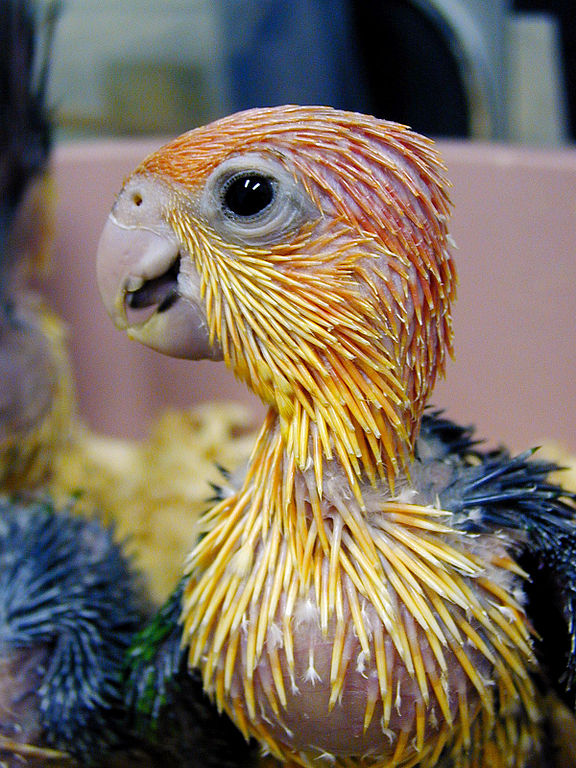
Regarding vocalizations, white-bellied caiques are generally not considered among the loudest parrot species, though the concept of a "quiet parrot" is largely a myth. All parrots possess the capacity for loud vocalizations, and caiques are

