


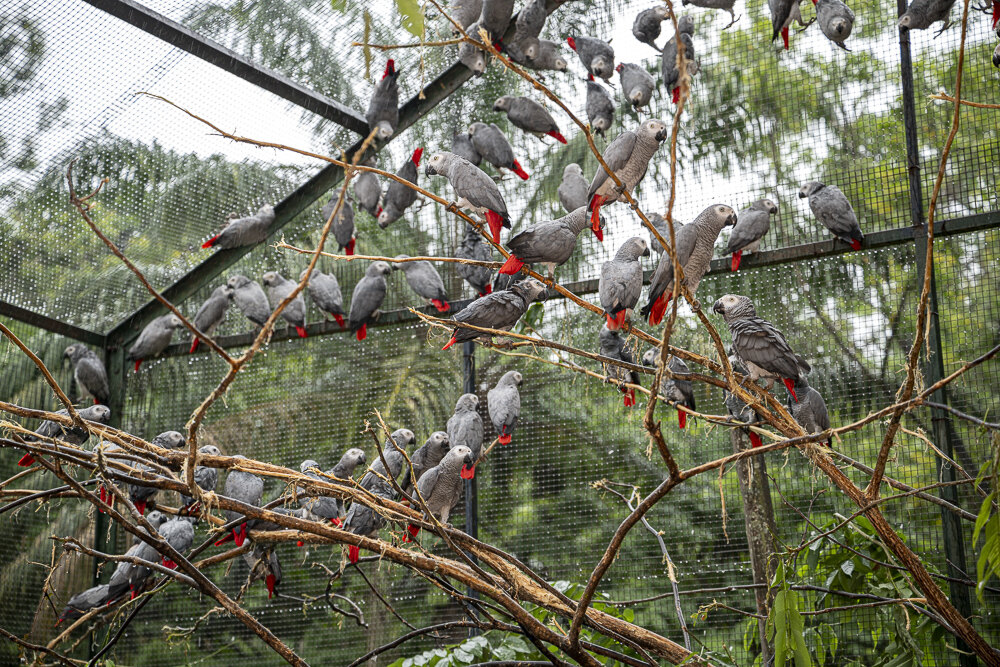
Every year, hundreds of African grey parrots are intercepted from the clandestine networks of the illegal wildlife trade, representing a significant victory for conservationists. However, the immediate aftermath of these seizures presents a harrowing humanitarian and veterinary challenge. Many of these highly intelligent, sentient birds arrive at rescue facilities in states of acute physical distress, suffering from the cumulative effects of severe dehydration, systemic malnutrition, traumatic physical injuries, and a host of opportunistic diseases contracted during transport. Historically, the mortality rate for confiscated parrots has remained alarmingly high, and in many instances, the lack of advanced diagnostic infrastructure has left veterinarians unable to identify the specific causes of death, hindering the development of effective prevention strategies.
To bridge this critical gap, the World Parrot Trust (WPT) has launched an expansive, ground-based initiative aimed at building sustainable veterinary capacity in the regions where the trafficking crisis is most acute. By professionalizing the response to bird seizures, the organization hopes to transform rescue centers from temporary holding areas into hubs of medical excellence and rehabilitation.
The Anatomy of a Wildlife Crisis
The illegal trade in African grey parrots (Psittacus erithacus) is driven by an insatiable global demand for exotic pets. Despite being listed under Appendix I of the Convention on International Trade in Endangered Species of Wild Fauna and Flora (CITES), which strictly prohibits international trade in wild-caught specimens, the species continues to face relentless poaching pressure. The illicit supply chain is notoriously brutal; birds are often packed into confined, unsanitary containers for days, if not weeks, without adequate food or water.
Upon confiscation, the survivors are frequently traumatized. Veterinary professionals working in the Democratic Republic of the Congo (DRC) and Nigeria have noted that the "hidden" casualties—birds that succumb to illness within the first 72 hours of rescue—represent a failure of both logistics and medical oversight. The WPT’s new initiative seeks to move beyond mere rescue, focusing on the epidemiological investigation of these deaths to refine the standard of care provided during the critical post-seizure window.
Advancing Diagnostics for Seized Greys
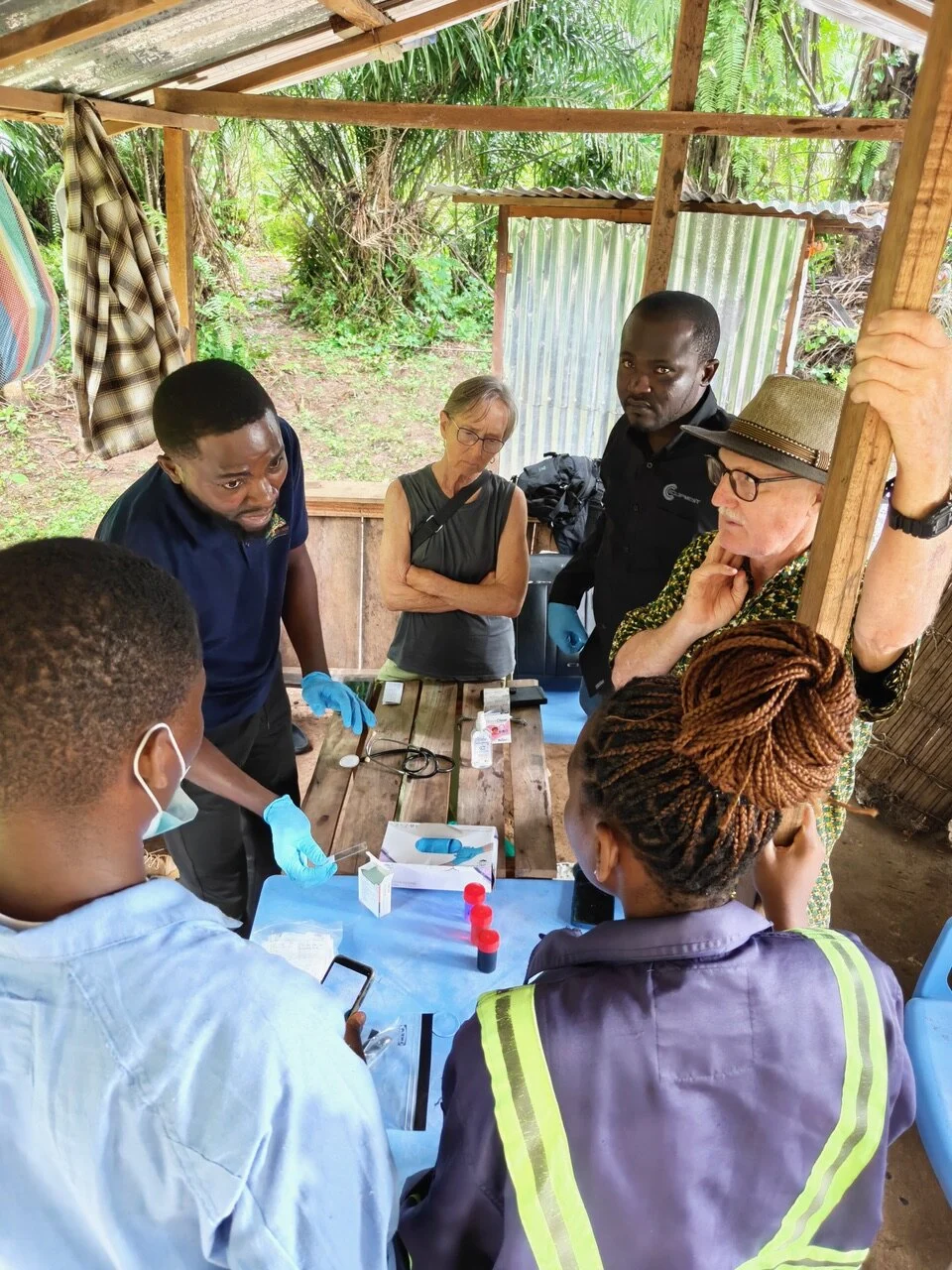
At the heart of this intervention is a strategic partnership between the WPT’s Mobile Veterinary Unit and Fabien Murhula Bakenga, an avian medicine specialist currently pursuing his Master’s degree at the University of Ibadan in Nigeria. Alongside Dr. Steven Janssen and a network of local veterinary practitioners, the team has embarked on a multi-phase study to categorize the pathogens and health complications most prevalent among trafficked populations.
The diagnostic program utilizes advanced field-testing methods to identify zoonotic and avian-specific diseases. By analyzing tissue samples and performing post-mortem examinations on birds that do not survive, the team is building a database of mortality drivers. This data is essential for distinguishing between acute stress-related fatalities and infectious disease outbreaks that could potentially threaten the entire population within a rehabilitation aviary. The goal is to move toward a model of evidence-based medicine, where treatments are prescribed based on specific diagnostic results rather than generalized guesses.
Chronology of Intervention and Capacity Building
The effort to stabilize the rescue process began with an assessment of existing facilities in the DRC and Nigeria. In early 2026, the WPT identified that while the passion for animal welfare was high among local staff, the technical expertise required to manage high-stress avian patients was inconsistent.
The subsequent rollout of the project followed a structured timeline:
- Q1 2026: Diagnostic equipment procurement and deployment to partner facilities.
- Q2 2026: Initial baseline data collection on bird mortality rates and common clinical presentations.
- Q3 2026: The commencement of the intensive training workshop series, led by Fabien Murhula Bakenga and Dr. Steven Janssen, focusing on avian triage, fluid therapy, and quarantine protocols.
- Q4 2026 (Ongoing): Implementation of long-term monitoring systems to track the success rates of birds undergoing the updated rehabilitation protocols.
Hands-On Training and the Science of Care
The logistical realities of working in remote or under-resourced areas necessitate a focus on practical, sustainable veterinary techniques. The WPT training programs are designed to empower local staff to manage the specific physiological needs of parrots. This includes training in the administration of subcutaneous fluids, the application of specialized avian diets to reverse long-term malnutrition, and the maintenance of sterile, climate-controlled environments that minimize secondary infection.
Beyond basic care, the training emphasizes the importance of biosecurity. In environments where birds are coming from unknown origins, the risk of introducing a virus into an established flock is high. By training local teams in quarantine management, the WPT is effectively preventing potential large-scale losses, ensuring that a single sick bird does not become the source of an outbreak that compromises the health of dozens of others.
Empowering Local Leadership
A cornerstone of the World Parrot Trust’s philosophy is the transition from international dependency to local self-sufficiency. By investing in the academic and professional development of researchers like Fabien Murhula Bakenga, the trust ensures that expertise remains within the region. This is not merely an act of charity; it is a strategic investment in the long-term conservation of the African grey parrot.
Local experts possess the cultural and logistical knowledge necessary to navigate the complexities of wildlife management in their home countries. When these individuals are equipped with world-class medical knowledge, they become the permanent guardians of the species. They are better positioned to advise local authorities on how to handle confiscations, how to improve transport conditions for seized birds, and how to advocate for stronger protections against poaching syndicates.
Broader Impact and Global Implications
The implications of this work extend far beyond the walls of individual rehabilitation centers. By reducing the mortality rate of seized parrots, the WPT is effectively increasing the number of birds eligible for release back into the wild. For a species that has been decimated by decades of poaching, the return of even a few dozen healthy, rehabilitated birds is a significant contribution to the ecological stability of their native forest habitats.
Furthermore, the data generated by this project provides a clearer picture of the illicit trade routes and the health status of birds in the wild. If specific diseases are found to be rampant in seized birds, it can serve as a warning system for the overall health of the wild population. This feedback loop between the rescue center and the field is vital for conservation planning.
Financial and Institutional Support
The sustainability of this mission is bolstered by corporate social responsibility and private philanthropy. This month, Lafeber—a recognized leader in the pet bird industry—announced a donation directed specifically toward the WPT’s training initiatives. Such support is crucial for the high costs associated with veterinary equipment, international travel for specialists, and the operational expenses of the mobile units.
The collaboration serves as a model for how the private sector and non-profit organizations can align to tackle the complex challenges of wildlife crime. By focusing on the "front line" of the crisis, these groups are addressing the immediate symptoms of the trade while simultaneously building the infrastructure for a more resilient future.
Looking Toward the Future
The path to protecting the African grey parrot is long and fraught with challenges, ranging from organized crime syndicates to the loss of natural habitat. However, the efforts spearheaded by the World Parrot Trust demonstrate that incremental, science-driven improvements can have a profound impact.
As these rescue centers refine their capabilities, the vision of a rehabilitated, healthy bird returning to the wild becomes a more attainable reality. The project serves as a stark reminder that while the illegal trade is a global issue, the solutions are often found in the dedication of local professionals, the application of rigorous medical standards, and the sustained commitment of the international conservation community. With every bird that is successfully nursed back to health, the chance of the African grey parrot persisting in its native habitat improves, offering a glimmer of hope in the fight against the extinction of one of the world’s most intelligent species.

