


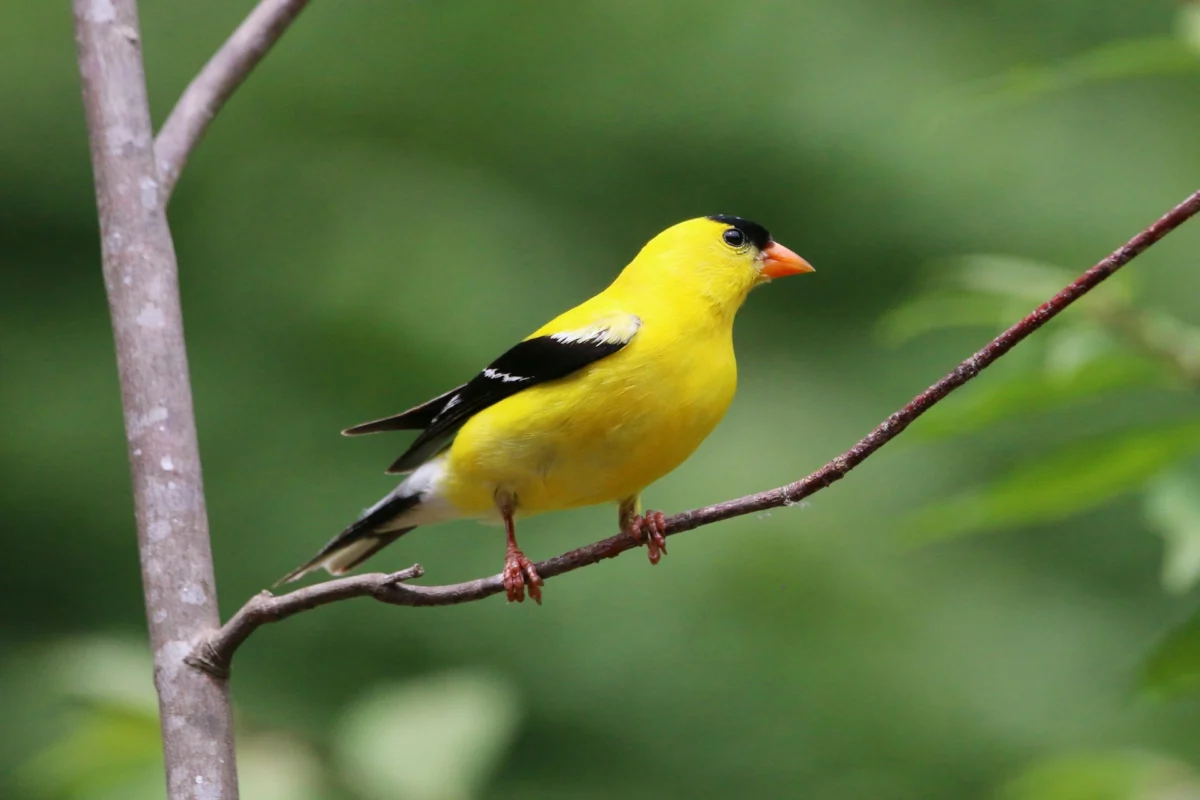
The American Goldfinch, scientifically known as Spinus tristis, is a staple of the North American avian landscape, prized by ornithologists and amateur birdwatchers alike for its striking plumage and complex vocalizations. While these birds are often associated with the lush, green backdrop of late spring and summer, their presence during the winter months remains a significant interest for wildlife enthusiasts in the Northeastern United States and beyond. Successfully maintaining a habitat that supports these songbirds during the colder season requires a strategic approach to nutrition, shelter, and environmental management.
The Biological Context and Seasonal Shifts
Understanding the behavioral patterns of the American Goldfinch is essential for effective winter birding. Unlike many other migratory species that abandon temperate zones entirely, American Goldfinches are considered partial migrants. Populations residing in the northernmost reaches of their range, such as parts of Canada, move southward, while those in the Northeastern United States often remain in the same general vicinity year-round.
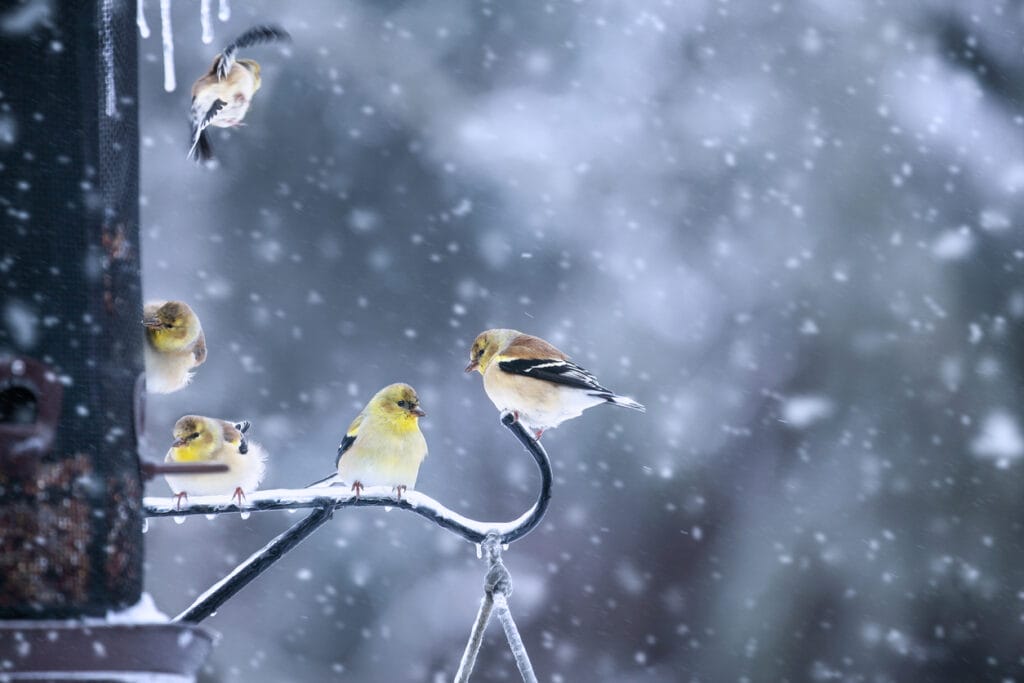
This behavioral adaptation is facilitated by a seasonal physiological transformation. During the summer breeding season, the male goldfinch displays a brilliant, unmistakable yellow body contrasted with a jet-black cap and wing markings. As autumn transitions into winter, these birds undergo a complete molt, replacing their vibrant breeding feathers with a more subdued, olive-brown plumage. This change is not merely aesthetic; it serves as a form of camouflage against the stark winter landscape, helping the birds evade predators while they focus on foraging for survival.
Nutritional Requirements for Winter Survival
The primary challenge for goldfinches in winter is maintaining metabolic heat in freezing temperatures. Because they do not store significant body fat like some mammals, they rely on a constant intake of high-energy, oil-rich seeds. Ornithological data indicates that the species is a granivore, with a digestive tract specifically adapted to process the seeds of composite plants.

To attract these birds to a residential setting, it is critical to provide food sources that mimic their natural diet. Sunflower seeds, particularly black-oil sunflower seeds, remain the gold standard due to their high caloric density and thin shells, which are easily managed by the goldfinch’s conical beak. Additionally, Nyjer (often labeled as thistle) is highly recommended. Because Nyjer seeds are exceptionally small, they are best served in specialized mesh feeders or "thistle socks." These devices allow the birds to cling to the sides—a natural behavior—while extracting seeds individually, a process that limits waste and deters larger, more aggressive avian species.
It is a common error to provide damp or moldy seeds. Moisture levels rise significantly during winter, and once seeds become saturated, they lose their nutritional value and can host pathogens harmful to avian health. Experts recommend refreshing the seed supply at least every three to four weeks, or more frequently if precipitation levels are high, to ensure the food remains dry and palatable.
Structural Considerations for Feeding Stations
The selection of hardware plays a decisive role in the composition of a backyard bird population. Standard hopper feeders often attract larger species, such as Blue Jays or Grackles, which can intimidate the more nervous, smaller goldfinches. By utilizing "finch-specific" feeders, which feature small ports or specialized mesh designs, homeowners can create a designated space for goldfinches.
These devices are engineered to be size-selective; the small perches and restrictive feeding ports prevent larger birds from accessing the supply, thereby reducing intra-species competition. Furthermore, tube-style feeders provide a sheltered environment that protects the seeds from the elements, ensuring the internal feed remains dry regardless of snow or ice accumulation. Placing these feeders at varying heights and in quiet, sheltered areas of the yard—ideally near natural cover like evergreens—will provide the necessary security that these birds require to feel comfortable feeding.
Habitat Management and Natural Vegetation
While feeders provide a supplemental food source, the long-term sustainability of a bird-friendly yard depends on native landscaping. Planting vegetation that produces seeds—such as coneflowers (Echinacea), asters, and sunflowers—creates a sustainable "natural pantry." These plants hold their seeds well into the winter months, providing a reliable food source even when human-provided feeders are empty.

Conversely, some plants serve as essential nesting materials for the following spring. Goldfinches are unique among songbirds for their late breeding season, often waiting until mid-summer when fibrous plants like milkweed and thistle have matured. By leaving these plants in the garden, homeowners provide both food and vital materials for nest construction. However, caution is advised regarding invasive or problematic flora; for example, burdock should be avoided, as its adhesive burrs can become entangled in a bird’s feathers, potentially resulting in injury or death.
Water Access in Sub-Zero Temperatures
A frequently overlooked aspect of winter bird care is the provision of liquid water. During deep freezes, natural water sources like ponds and streams are often rendered inaccessible by ice. While birds can occasionally consume snow to hydrate, the energy expenditure required to melt the snow internally is counterproductive during periods of extreme cold.
A heated birdbath or the addition of a birdbath de-icer is a professional-grade solution to this problem. By maintaining a constant, liquid water source, homeowners provide a critical service to local bird populations. Access to liquid water allows birds to bathe and clean their plumage, which is essential for maintaining the insulating properties of their feathers. A well-maintained, heated water source will often prove to be the most effective "magnet" for attracting a diverse range of birds, including goldfinches, during the coldest weeks of the year.
Managing Social Dynamics and Safety
The safety of the backyard environment is paramount. Goldfinches are social creatures that often travel in small, loose flocks. While they are generally compatible with other small songbirds like the Black-capped Chickadee, they are highly sensitive to the presence of larger predators or aggressive species.
To foster a safe haven, it is recommended to stagger feeding stations throughout the property. This spatial separation allows for a hierarchy of feeding, where different species can coexist without direct conflict. Furthermore, maintaining a clear line of sight around the feeders will allow the birds to spot potential threats, such as domestic cats or raptors, early enough to take evasive action. A "safe zone" is one where the bird feels it has an immediate escape route into dense, protective brush.
Broader Implications and Citizen Science
The effort to support local bird populations has implications that extend beyond personal enjoyment. By participating in regional bird counts and maintaining feeders, citizens contribute to large-scale data sets used by organizations like the Cornell Lab of Ornithology. These records help scientists track shifts in migration patterns, population health, and the impacts of climate change on local ecosystems.
Data collected over the last decade suggests that, while American Goldfinch populations remain stable, they are increasingly sensitive to fluctuations in winter food availability due to habitat loss. As urban and suburban development expands, the private backyard has become an essential refuge. Each feeder, water source, and native planting acts as a node in a larger network of support, ensuring the species can successfully navigate the physiological stresses of the winter season.
Frequently Asked Questions (FAQ)
What is the difference between a yellow finch and a goldfinch?
There is no species officially categorized as a "yellow finch" in the United States. The term is often misapplied to the Yellow Warbler, a distinct species characterized by its solid yellow plumage and reddish breast streaks. The American Goldfinch, by contrast, is a member of the Fringillidae family, featuring a black cap and wing bars in breeding males.
What is the lifespan of a goldfinch?
In the wild, the average lifespan of an American Goldfinch is approximately three to six years. Factors influencing this include predation, environmental stressors, and the availability of consistent nutrition.
Are goldfinches always gold?
No. The "gold" appearance is seasonal. Males exhibit the bright, iconic yellow plumage only during the spring and summer breeding season. In the winter months, both males and females adopt a more muted, olive-brown color to assist with camouflage and thermal regulation.

