


The challenge of transitioning a parrot from a seed-heavy diet to one rich in fresh vegetables, herbs, and greens is a common hurdle for avian owners. Many pet birds instinctively reject unfamiliar plant-based foods, viewing them with suspicion rather than as a nutritional resource. This phenomenon, often mistaken for stubbornness, is rooted in the evolutionary biology of psittacines. In the wild, parrots are highly selective feeders who rely on social learning to determine which plants are safe to consume. When a bird consistently tosses aside broccoli or ignores a bowl of finely prepared chop, they are not necessarily acting out; they are exercising a survival instinct that prioritizes familiarity over unknown risks.
The Evolutionary Basis of Dietary Neophobia
Avian nutritionists and researchers have long noted that parrots, particularly those raised in captivity on monotonous seed-based diets, exhibit "dietary neophobia"—an inherent fear of new foods. In their natural habitats, parrots are surrounded by an abundance of vegetation, yet they do not experiment with every plant they encounter. Instead, they observe their parents and established flock members to learn which items are safe.
For the pet bird, the "flock" consists of the human family. If a bird has spent years consuming only dry seeds or pellets, fresh produce like kale, carrots, or squash lacks the visual and sensory characteristics of "food." When these items are placed in a bowl, they are categorized by the bird as environmental clutter or foreign objects rather than sustenance. Consequently, the transition to a healthy, balanced diet is not merely about changing the contents of a bowl; it is about rewriting the bird’s perception of safety through social reinforcement.
The Scientific Framework for Dietary Conversion
Recent studies in avian medicine, such as the 2022 research published in the Journal of Avian Medicine and Surgery by Cummings et al., have provided a structured approach to diet conversion. While the study primarily focused on the transition from seed to pellet, the underlying behavioral principles—choice, routine, exposure, and modeling—are highly applicable to the introduction of fresh produce.
The "Birdie’s Choice" method, for example, leverages the bird’s desire for autonomy. By offering multiple, small portions of different vegetables simultaneously, owners allow the bird to exert agency, which can decrease resistance. The "Slow and Steady" approach, meanwhile, relies on the repetition of consistent, low-pressure offerings. By presenting the same fresh food at the same time every day, the owner allows the bird to move at its own pace, eventually overcoming the initial hesitation that defines neophobia.
Implementing a Structured Nutritional Plan
Before embarking on a dietary transition, it is critical to address the physical health of the animal. If a bird is currently underweight, lethargic, or showing signs of illness such as abnormal droppings or respiratory distress, owners must seek immediate intervention from an avian veterinarian. Dietary changes should never be forced through calorie restriction, as this can lead to life-threatening metabolic complications, particularly in smaller species.
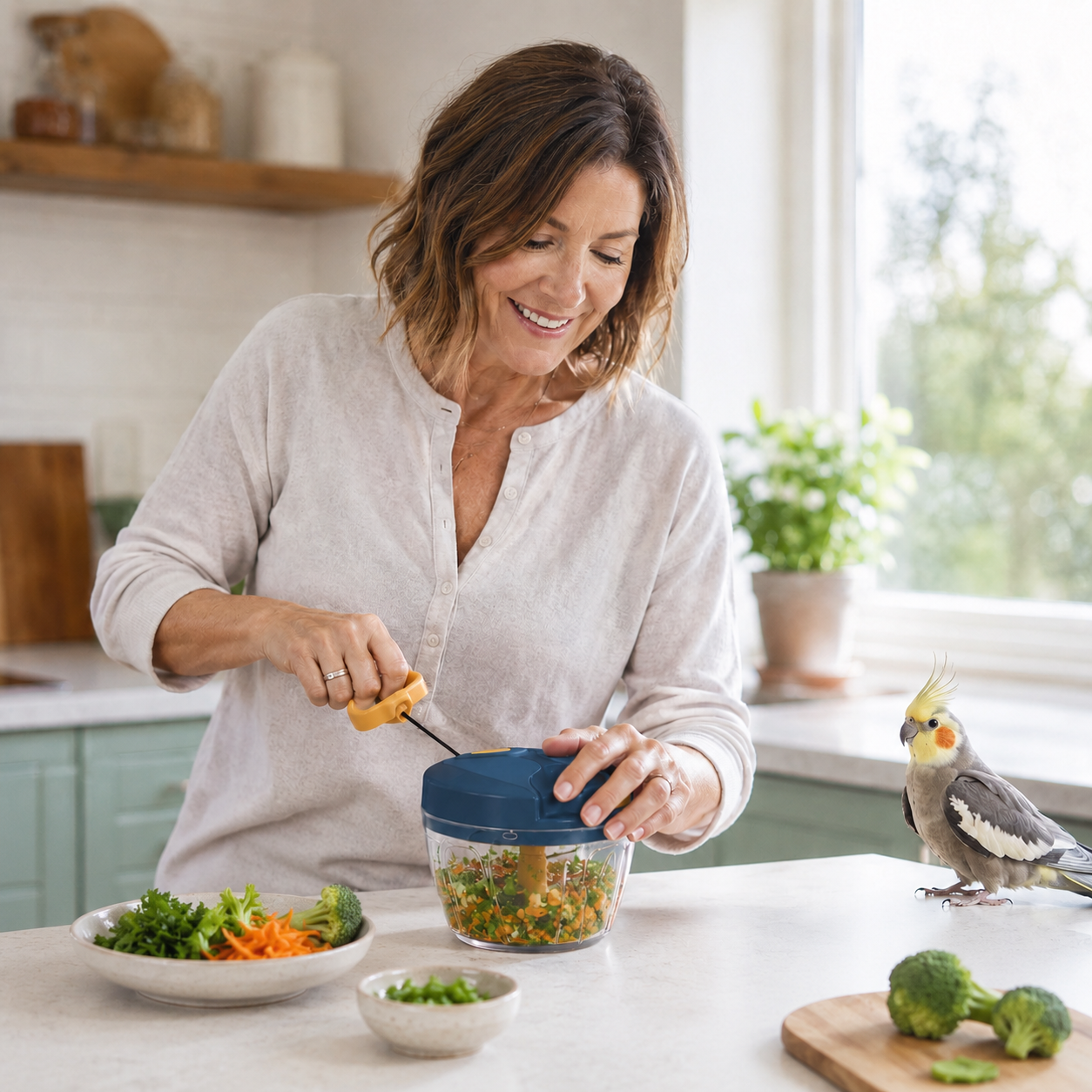
Once a veterinarian has cleared the bird for dietary changes, the implementation of "chop"—a finely minced mixture of vegetables, greens, and sprouts—becomes the primary tool for nutritional enrichment. Using a handheld manual food chopper allows owners to create rice-sized pieces, which are often less intimidating for smaller beaks. The texture of these morsels can be further enhanced by using healthy toppers that provide aroma and visual variety without compromising the nutritional integrity of the meal.

Nutritional Toppers and Sensory Enhancement
To encourage exploration, owners often utilize "toppers" to increase the appeal of fresh vegetables. These additions are designed to stimulate the bird’s senses of smell and touch, mimicking the foraging process they would naturally engage in.
- Omega-Rich Seeds: Ingredients like chia, flax, and hemp seeds offer a distinct texture and high-quality fats that make a bowl of greens more palatable.
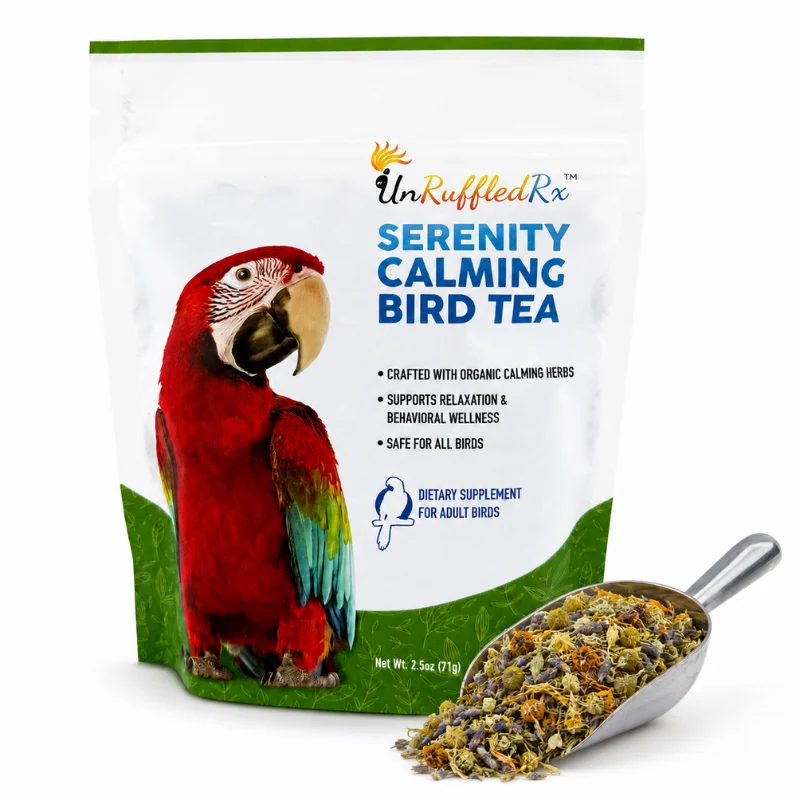
- Herbal Blends: Gently scented, bird-safe herbal mixtures can provide a new olfactory experience, encouraging birds to investigate their bowl out of curiosity.
- Sprouting Seeds: Fresh, living sprouts provide a satisfying "crunch" and a high density of nutrients. They mimic the seasonal availability of new plant growth in the wild.
- Red Palm Oil: Known for its high concentration of beta-carotene and Vitamin A, this oil is a highly palatable addition for many parrots, though it should be used sparingly as a flavor enhancer.
Chronology of a Successful Transition
Successful dietary transition is rarely instantaneous; it is a cumulative process that requires patience and observation.
- Phase 1: Familiarization (Days 1–7): The owner begins eating bird-safe vegetables in the presence of the bird, utilizing a positive, excited tone of voice. The bird observes the human "flock member" consuming the items, which signals safety.
- Phase 2: Initial Interaction (Days 8–21): The bird begins to show interest by looking at, touching, or shredding the vegetables. Owners should praise these behaviors immediately. At this stage, actual consumption is not the primary goal; familiarity is.
- Phase 3: Integration (Weeks 4–8): The vegetables are chopped into bite-sized pieces and mixed with small amounts of known favorites. The bird begins to ingest the food as part of its daily routine.
- Phase 4: Maintenance (Ongoing): The variety of fresh foods is slowly rotated to ensure a broad spectrum of micronutrients.
Fact-Based Analysis of Nutritional Implications
The long-term health implications of shifting a bird from a seed-heavy diet to one that includes varied produce are significant. High-seed diets are notoriously deficient in essential vitamins, particularly Vitamin A, and are often overly high in fat. This nutritional imbalance is a leading cause of chronic health issues in companion parrots, including obesity, hepatic lipidosis, and compromised immune function.
Data suggests that birds transitioned to a diet that includes at least 30-50% fresh, varied plant-based matter exhibit improved feather condition, more consistent energy levels, and better overall metabolic health. However, the transition must be handled with psychological sensitivity. Abrupt changes to a bird’s environment or diet can cause stress-induced behaviors, such as feather plucking or self-mutilation. Therefore, the "Tough Love" adaptation—which focuses on increasing exposure through foraging cups and skewers rather than removing access to familiar food—is generally considered the most humane and effective approach.

The Role of Social Modeling
The most powerful tool in the avian owner’s arsenal is social modeling. Birds are social animals that naturally mirror the behaviors of their companions. When a bird sees their owner eating a carrot, that carrot is no longer a "scary orange stick"—it is a high-value item that the "leader" of the flock finds safe and desirable. This is why mealtime is the most effective training session. By using a "happy, excited mealtime voice," the owner validates the experience and transforms the bowl of chop from a potential threat into an invitation to participate in a shared, social activity.
Addressing Common Challenges and Misconceptions
One of the most persistent myths in bird care is that if a bird is hungry enough, they will eventually eat what is provided. While true in a strictly biological sense, this approach ignores the psychological trauma and potential health risks associated with forced starvation. Modern avian care emphasizes "choice-based learning." If a bird refuses a specific vegetable, the solution is not to deprive them, but to modify the presentation. For example, some birds prefer raw, crunchy vegetables, while others prefer them lightly steamed. Some prefer whole leaves to hang from a clip, while others prefer finely shredded mixes.
If a bird continues to ignore fresh food, the owner should review the diet as a whole. Are they getting too much fruit? Fruit is a high-sugar item that can create a "sugar-addicted" bird, leading them to reject less sweet, more nutrient-dense vegetables. Fruit should be treated as an occasional treat, not a staple of the daily diet.
Conclusion: A Long-Term Commitment to Health
Transitioning a bird to a diet of fresh vegetables and chop is an investment in the animal’s future. It requires an understanding of the bird’s social nature, a commitment to consistent, low-pressure exposure, and a willingness to adapt to the bird’s unique preferences. While the process may take weeks or even months, the results—a more vibrant, healthy, and mentally stimulated companion—are profound. By viewing the bird as an intelligent, social learner, owners can successfully navigate the challenges of dietary conversion, ensuring that their avian companions thrive for years to come. Through the application of evidence-based methods and a patient, observant approach, the "tossing of vegetables" can eventually turn into a lifelong enjoyment of a healthy, varied diet.

