


The practice of laboratory animal medicine represents a critical intersection between veterinary science, ethical oversight, and the advancement of human and animal health. On April 7, 2026, Dr. Amanda Fisher, a Doctor of Veterinary Medicine and Master of Science, delivered a comprehensive virtual "Lunch & Learn" session hosted by the University of Arizona College of Veterinary Medicine’s Zoo, Exotics, Wildlife, and Aquatics Club. Supported by the Lafeber Company Student Program, the presentation served as a professional development cornerstone for veterinary students, offering a deep dive into the complex clinical realities of managing six primary research species: mice, rats, guinea pigs, rabbits, nonhuman primates, and zebrafish.
The Evolution of Laboratory Animal Medicine
Laboratory animal medicine is a specialized discipline distinct from traditional companion animal practice. Unlike private practice, where the primary focus is the longevity and quality of life of an individual pet, laboratory animal medicine balances individual clinical care with the rigors of high-level biomedical research, regulatory compliance, and the "3Rs" principle: Replacement, Reduction, and Refinement.
Dr. Fisher’s presentation, which was updated in August 2026 to include current peer-reviewed research and regulatory data, emphasized that veterinary practitioners in research settings must be as proficient in environmental enrichment and pathogen surveillance as they are in diagnostic imaging and surgery. The webinar served to bridge the gap between academic theory and the practical application of medicine in facilities that house species ranging from the common laboratory mouse to complex nonhuman primate models.
Chronology of the Clinical Case Studies
The session provided a structured look at the clinical pathologies frequently encountered in research environments. By examining these cases, Dr. Fisher illustrated the physiological nuances of each species:
- Mice (Malocclusion): Often a result of genetic predispositions or environmental stressors, malocclusion in mice requires precise dental management to prevent weight loss and secondary health issues.
- Rats (Mammary Fibroadenoma): These common benign tumors highlight the need for early detection and surgical intervention in rodent colonies.
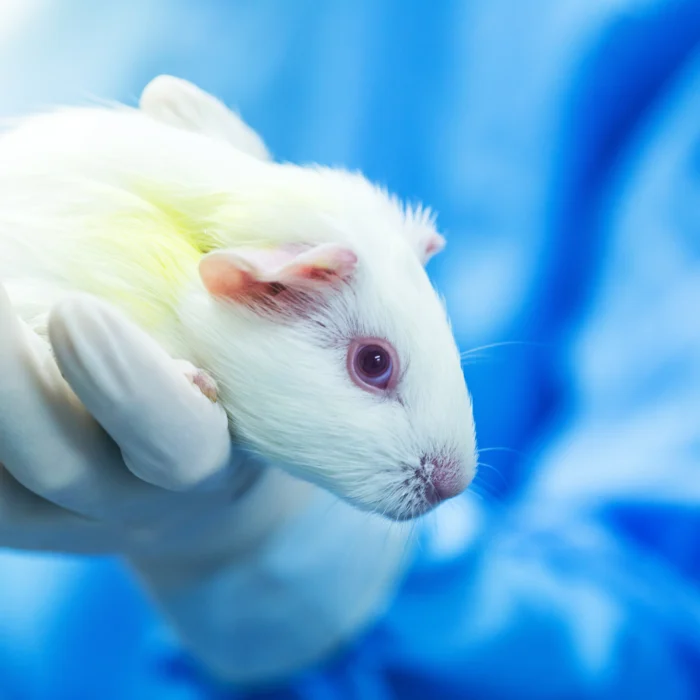
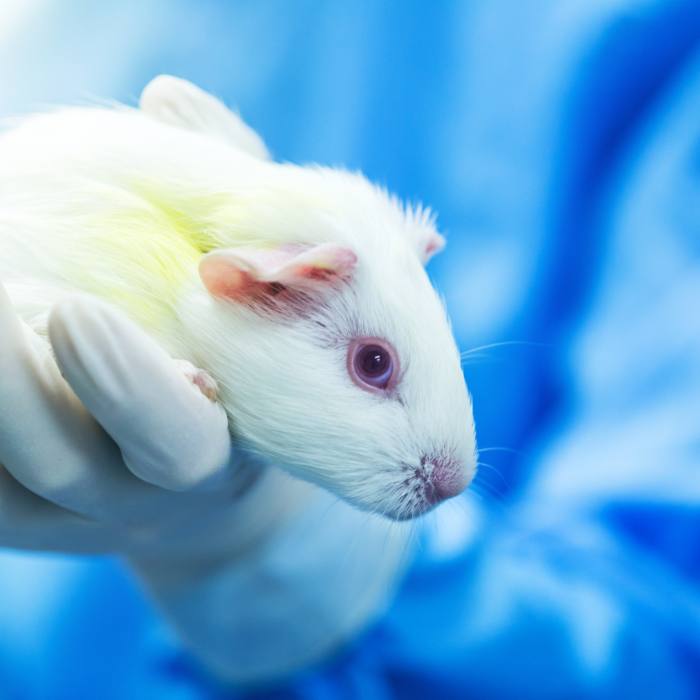
- Guinea Pigs (Ulcerative Pododermatitis): Commonly referred to as "bumblefoot," this condition is often linked to husbandry factors, such as bedding quality and cage hygiene, underscoring the vital role of preventative environmental management.
- Rabbits (GI Stasis): A life-threatening emergency, rabbit gastrointestinal obstruction serves as a primary example of how physiological sensitivity—particularly in digestive systems—requires rapid diagnostic and therapeutic responses.
- Nonhuman Primates (Intestinal Amyloidosis): This case study examined the challenges of managing chronic, systemic diseases in species that share significant biological parallels with humans, necessitating highly specialized care protocols.
- Zebrafish (Gas Bubble Disease): As a rapidly growing model in developmental and genetic research, zebrafish require unique aquatic husbandry. Gas bubble disease serves as a proxy for the environmental control necessary to maintain healthy fish populations.
Data-Driven Approaches to Welfare
The importance of this training is underscored by the current regulatory landscape. Facilities are governed by strict federal and international standards that dictate housing, socialization, and medical care. Dr. Fisher’s analysis pointed to the 2023 National Academies consensus study on nonhuman primate models as a primary reference for the evolving standards of care.
Data presented during the webinar highlighted that proper enrichment—ranging from nesting materials for rodents to complex structural environments for primates—is not merely an ethical preference but a scientific necessity. Stress-induced pathologies can compromise the validity of research outcomes, making the veterinarian’s role in welfare assessment a cornerstone of the scientific process. Furthermore, the inclusion of pathogen surveillance protocols ensures that the health status of colonies remains consistent, protecting both the animals and the integrity of the research data.
Official Standards and Veterinary Education
The educational initiative provided by the Lafeber Company Student Program is part of a broader effort to standardize knowledge across the veterinary community. The webinar was officially approved by the American Association of Veterinary State Boards (AAVSB) Registry of Approved Continuing Education (RACE). This accreditation allows participants to earn one hour of continuing education credit, acknowledging that the curriculum meets the rigorous standards required for licensed veterinary professionals.
The program’s reach is significant; by providing access to high-level clinical case studies, the initiative equips students and early-career veterinarians with the diagnostic framework necessary to handle species that are often underserved in standard veterinary curricula. The availability of the recorded session on the LafeberVet platform ensures that this knowledge remains accessible to practitioners globally, facilitating a higher standard of care across diverse laboratory settings.
Implications for Future Research
The broader implications of Dr. Fisher’s lecture are clear: the future of biomedical research is inextricably linked to the quality of veterinary oversight. As research models become more complex—specifically with the rise of zebrafish and nonhuman primate studies—the demand for specialized veterinary expertise continues to grow.
The analysis provided in the presentation suggests that the most effective way to address clinical challenges is through a proactive, rather than reactive, approach. By focusing on husbandry, nutrition, and environmental optimization, facilities can reduce the incidence of the very diseases identified in the case studies. For instance, the management of intestinal amyloidosis in macaques requires not only pharmacological treatment but also an in-depth understanding of the environmental triggers that may exacerbate the condition.
Furthermore, the integration of new technologies and methodologies, such as the use of advanced imaging and standardized pathogen screening, is shifting the landscape of laboratory animal medicine. The 2025/2026 data cited by Dr. Fisher reflects a transition toward more precision-based care, where the individual animal’s physiology is monitored with the same level of scrutiny as that of a human patient in a clinical trial.
Conclusion and Professional Outlook
The presentation concluded with a call to action for veterinary students to engage deeply with the regulatory and clinical aspects of laboratory animal medicine. The complexity of the species discussed—from the rapid life cycles of zebrafish to the social and psychological needs of primates—requires a multifaceted professional approach.
As the field continues to evolve, the distinction between laboratory animal medicine and other veterinary disciplines will likely continue to blur, with an increasing emphasis on interdisciplinary collaboration. By standardizing the approach to common ailments like malocclusion or pododermatitis, and by fostering a deeper understanding of species-specific biology, the veterinary profession ensures that it can uphold the highest standards of animal welfare while simultaneously supporting the progress of critical scientific research.
The recorded webinar, which remains available for viewing, serves as a testament to the ongoing commitment of the veterinary community to continuous education. For those in the field, the lessons provided by Dr. Fisher are essential tools in navigating the unique, challenging, and rewarding environment of laboratory animal medicine, ensuring that every intervention is grounded in the best available science and an unwavering dedication to the animals under their care.

