



The American Federation of Aviculture (AFA) has officially consolidated and made publicly accessible a comprehensive digital repository of its flagship publication, Watchbird magazine, spanning over four decades of publication history from 1974 through 2015. This extensive digital archive represents a monumental achievement in avian conservation, captive breeding documentation, and avicultural history, preserving thousands of peer-reviewed articles, field reports, and expert commentaries that have shaped modern bird care and husbandry practices.
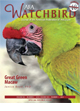
The newly structured digital collection offers researchers, veterinarians, aviculturists, and bird enthusiasts unprecedented access to historical volumes ranging from Volume 1, Number 1, published in 1974, up through the combined volumes of 2014 and 2015. By transitioning these decades of physical print material into an organized online gallery and database, the AFA has ensured that foundational knowledge regarding exotic bird management, conservation legislation, and avian medicine remains preserved and readily available to the global scientific community.
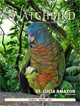
Chronology of an Avicultural Milestone
The history of Watchbird magazine mirrors the evolution of modern aviculture over the latter half of the 20th century and well into the 21st. Founded as a vital communication medium for aviculturists across North America, the publication quickly established itself as the authoritative voice on captive bird husbandry, conservation ethics, and veterinary insights.

During the formative years of the publication, spanning the mid-to-late 1970s (Volumes 1 through 6), the magazine focused heavily on establishing baseline standards for housing, feeding, and breeding various exotic species. These early editions provided crucial data at a time when the importation of wild birds was still prevalent, and the shift toward sustainable captive breeding was just beginning to gain momentum.
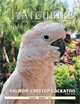
As the publication entered the 1980s and 1990s (Volumes 7 through 26), its editorial scope expanded significantly in response to shifting global environmental policies. The implementation of the Convention on International Trade in Endangered Species of Wild Fauna and Flora (CITES) and the passage of the Wild Bird Conservation Act of 1992 in the United States fundamentally transformed aviculture. Watchbird served as an essential educational bridge, guiding breeders through the complex regulatory landscape while promoting captive propagation as a means to reduce pressure on wild populations.

Entering the 2000s and continuing through the final archived issues of 2014-2015 (Volumes 27 through 42), the magazine increasingly emphasized avian welfare, advanced veterinary diagnostics, nutritional science, and conservation partnerships. The meticulous archiving of these later editions captures the transition of aviculture from a largely hobbyist-driven endeavor into a scientifically rigorous discipline closely aligned with zoological institutions and wildlife conservation organizations.

Supporting Data and Archival Scope
The comprehensive digital release encompasses hundreds of individual issues, meticulously cataloged to maintain historical integrity. The repository includes:
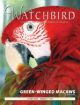
- Volume 1 through Volume 10 (1974–1983): Foundational frameworks of aviculture, early captive breeding successes, and fundamental dietary guidelines.
- Volume 11 through Volume 20 (1984–1993): Responses to international trade regulations, disease management, and the establishment of cooperative breeding programs.
- Volume 21 through Volume 30 (1994–2003): Post-Wild Bird Conservation Act adjustments, advancements in avian veterinary medicine, and behavioral enrichment strategies.
- Volume 31 through Volume 42 (2004–2015): Modern conservation initiatives, DNA sexing technologies, specialized avian nutrition, and comprehensive index volumes.
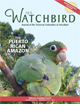
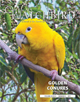
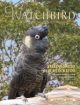
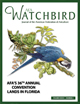
Each archived volume has been preserved with digital imaging technology that captures the original cover art, advertisements, editorial columns, and peer-reviewed papers. This preservation ensures that historical perspectives, nomenclature updates, and technological progressions in avian care remain traceable over time.
Official Responses and Stakeholder Perspectives
Leadership within the avicultural and conservation communities has widely praised the accessibility of the digitized archive. Dr. Elizabeth Vance, an avian veterinarian and historical researcher, noted the profound significance of the project for modern medical practitioners.

"Veterinary medicine for exotic birds has advanced exponentially over the last forty years, largely due to empirical observations recorded by dedicated breeders and shared through publications like Watchbird," Dr. Vance stated. "Having continuous access to historical case studies, dietary trials, and husbandry reports from the 1970s and 1980s allows contemporary researchers to understand the root of modern protocols and track the epidemiological history of certain avian pathogens."
Similarly, representatives from conservation coalitions have emphasized the value of the archive in highlighting the historical role of responsible aviculturists in species preservation. While early aviculture was sometimes viewed strictly through the lens of pet trade acquisition, the archived pages of Watchbird consistently demonstrate a deep, evolving commitment to habitat preservation, educational outreach, and the establishment of insurance populations for endangered or extinct-in-the-wild species.
Broader Impact and Future Implications
The permanent digitization and public deployment of the Watchbird archive carry far-reaching implications for the future of avian science and policy. By removing logistical barriers to historical literature, the American Federation of Aviculture has democratized access to specialized knowledge that was previously confined to physical libraries, private collections, or institutional archives.
Independent researchers, students in zoology and veterinary medicine, and policy analysts can now utilize the searchability and chronological depth of the repository to conduct longitudinal studies on captive population trends, the success rates of specific conservation breeding programs, and the historical impacts of international legislation on domestic bird populations.

Furthermore, this archival project serves as a model for other niche scientific and hobbyist organizations seeking to safeguard their institutional memory against physical degradation and digital obsolescence. As environmental pressures mount and numerous avian species face unprecedented habitat loss and climate-driven challenges, leveraging historical data collected by generations of aviculturists provides an indispensable resource for holistic conservation planning.
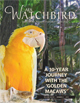
The complete collection of Watchbird magazine volumes from 1974 to 2015 is now accessible to the public via the official American Federation of Aviculture digital platform, marking a new era of transparency, education, and historical preservation in the avian community.

