


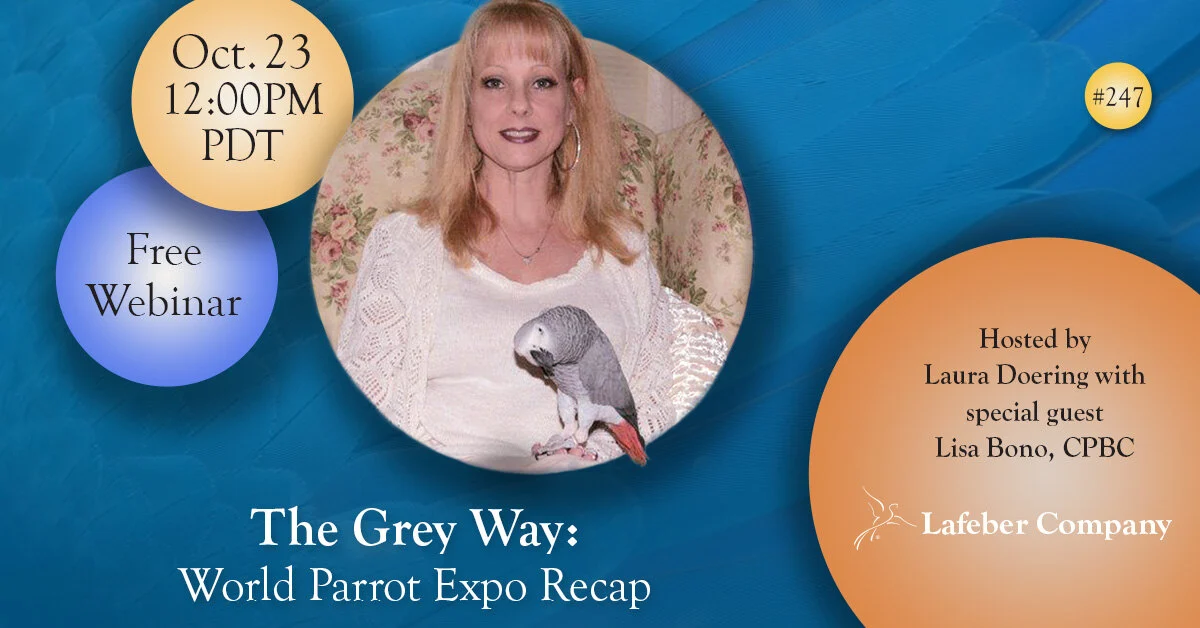
The avian community is preparing for an in-depth exploration of the latest advancements in parrot care, husbandry, and conservation as Lisa Bono, CPBC, presents a comprehensive recap of the recent World Parrot Expo. Scheduled for Friday, October 23, 2026, at 12:00 p.m. PDT, this webinar serves as a critical bridge between the high-level academic discussions held at the expo in Auburn, Washington, and the practical, daily applications for bird owners, avian veterinarians, and conservationists globally.
The World Parrot Expo has long served as a cornerstone event for the psittacine community, attracting a diverse cohort of professionals and enthusiasts. By synthesizing the event’s most significant takeaways, Bono aims to translate complex scientific discourse into actionable strategies for improving the welfare of captive parrots.
The Significance of the World Parrot Expo
The World Parrot Expo stands as one of the most prominent international gatherings dedicated exclusively to the study and welfare of parrots. The 2026 iteration, held in Auburn, Washington, focused on an interdisciplinary approach to avian care, recognizing that the long-term sustainability of parrot populations—both in the wild and in domestic settings—requires a synergistic effort between veterinary medicine, behavioral science, and nutritional research.
Historically, these expos have been pivotal in shifting public perception regarding the cognitive capabilities of parrots. The 2026 event maintained this trajectory, with a notable emphasis on environmental enrichment and psychological health. According to industry reports from the event, the focus has shifted from mere survival to the optimization of "thriving" behaviors, moving beyond basic sustenance to address the complex neurological needs of highly intelligent, social species.
Chronology of Emerging Avian Care Standards
The evolution of parrot care has accelerated significantly over the last decade. A brief timeline of the current landscape reveals a shift toward evidence-based practices:
- 2021–2023: The rise of positive reinforcement training as the standard for behavioral management, significantly reducing the reliance on traditional dominance-based training models.
- 2024: A renewed global focus on captive breeding ethics and the legality of the parrot trade, prompting discussions on genetic diversity within closed flocks.
- 2025: Increased adoption of telemetry and advanced monitoring tools in veterinary practice, allowing for earlier detection of chronic conditions such as atherosclerosis and hepatic lipidosis.
- 2026: The World Parrot Expo in Auburn marks a pivotal moment where nutrition and conservation are formally integrated into a single, cohesive framework for avian welfare.
Key Themes: Nutrition, Behavior, and Conservation
The webinar will explore four primary pillars of the recent expo, each representing a critical area of concern for the modern avian caretaker.
Advances in Nutritional Science
Nutrition remains the single most impactful factor in the longevity of captive parrots. Data presented at the expo indicated that a significant percentage of captive mortality is linked to diet-related illnesses, specifically those resulting from deficiencies in Vitamin A and D3, as well as obesity-related complications. Experts at the event discussed the move away from traditional seed-based diets toward nutritionally fortified pellets and fresh, species-specific foraging diets that mimic the nutrient diversity found in the wild.
Behavioral Psychology and Cognitive Stimulation
Parrots are characterized by high levels of neuroplasticity and cognitive function, often compared to those of human toddlers. The 2026 expo highlighted new longitudinal studies regarding the impact of social isolation on psittacine mental health. Presenters emphasized that "foraging enrichment"—the practice of hiding food to force the bird to use natural problem-solving skills—is not merely an activity but a biological necessity. Evidence suggests that birds denied these opportunities are significantly more prone to self-mutilation and stereotypical behaviors, such as feather plucking.
Veterinary Care and Diagnostic Precision
The role of the avian veterinarian has evolved into a highly specialized field. The expo showcased breakthroughs in diagnostic imaging and avian-specific pharmacokinetics. By utilizing non-invasive monitoring, veterinarians are now able to track the health of parrots with greater precision, mitigating the stress often associated with clinical handling. This is a critical development, given that the stress response in parrots can suppress the immune system, leaving them vulnerable to opportunistic infections like Aspergillosis.
Conservation and Global Biodiversity
The expo also addressed the dire state of many wild parrot populations, which face threats from habitat loss and the illegal wildlife trade. The intersection of captive husbandry and field conservation is increasingly vital; captive populations are now viewed as potential "insurance policies" for endangered species. However, the scientific community maintains a strict distinction between responsible conservation breeding and the commercial pet trade, a distinction that was a recurring subject of debate throughout the expo’s sessions.
Implications for the Avian Industry
The implications of the insights shared by Lisa Bono are broad, affecting everything from how pet stores stock supplies to how legislation regarding exotic bird ownership is drafted.
From an economic perspective, the trend toward high-quality, scientifically backed avian products is creating a niche market that favors quality over quantity. Manufacturers are increasingly under pressure to provide transparent sourcing and ingredient lists that align with the rigorous standards discussed at the expo.
Furthermore, the shift in veterinary care suggests that the average cost of owning a parrot may increase as owners are encouraged to seek specialized avian care rather than general practice. While this presents a financial challenge, it represents a net gain for the welfare of the birds, as early intervention and routine wellness exams are proven to extend lifespans by up to 30% in some species.
Professional Perspectives and Industry Response
While the webinar focuses on educational outcomes, the reception of the expo’s findings among veterinarians and behaviorists has been largely positive. Organizations such as the Association of Avian Veterinarians (AAV) have historically supported the dissemination of such information, noting that the more the public understands the biological realities of parrots, the less frequent the incidences of abandonment or surrender become.
"The goal is not to discourage ownership," a representative from an avian welfare advocacy group remarked on the condition of anonymity, "but to ensure that ownership is defined by the capacity to meet the bird’s biological and psychological needs. The World Parrot Expo provided the empirical data necessary to define what those needs truly look like in a 2026 context."
Conclusion: Bridging the Gap
The upcoming webinar is an essential opportunity for those who were unable to attend the expo in Auburn. By distilling the collective expertise of the world’s leading avian researchers, Lisa Bono provides a clear roadmap for the future of bird care.
Participants are encouraged to verify their local time for the event on October 23, 2026, using the provided timezone converter, as the global nature of the avian community means attendees will be tuning in from various jurisdictions. As we look toward the future, the integration of behavioral, nutritional, and medical knowledge serves as the only viable path to ensuring that these highly intelligent creatures lead lives that are not merely long, but enriching and fulfilling.
The information shared during this session will likely influence care standards for the remainder of the decade. By keeping pace with these developments, owners and professionals alike can ensure that they remain at the forefront of avian welfare, contributing to a broader culture of responsibility and respect for these complex animals. The focus remains clear: through education and the application of scientific rigor, we can bridge the divide between the wild instincts of the parrot and the domestic environments in which they reside.

