


For those seeking a vibrant and engaging avian companion, the Crimson-bellied Conure, scientifically known as Pyrrhura perlata, presents an intriguing option. This small parrot, celebrated for its clownish yet friendly demeanor, combines striking coloration with an active personality, making it a captivating addition to suitable households. Prospective owners are advised to conduct thorough research into the species’ specific requirements, encompassing its natural history, dietary needs, and comprehensive care protocols necessary for its well-being in a domestic setting.
Scientific Classification and Natural Origins
The Crimson-bellied Conure belongs to the Pyrrhura genus, a group of small to medium-sized parakeets within the Psittacidae family, commonly referred to as true parrots. The species name, perlata, is derived from Latin, meaning "pearly," a subtle nod to the delicate, scale-like pattern found on its chest feathers. This species, also known by the common name Crimson-bellied Parakeet, is native to the central South American continent. Its primary range encompasses the vast Brazilian Amazon Basin, particularly concentrated within the state of Rondônia, with its habitat extending northwards into Bolivia. These birds typically inhabit non-seasonally flooded rainforests, known as terra firme forests, preferring areas of dense primary growth, forest edges, and even secondary forests, demonstrating a degree of adaptability within their preferred arboreal environment.
Distinctive Appearance and Physical Characteristics
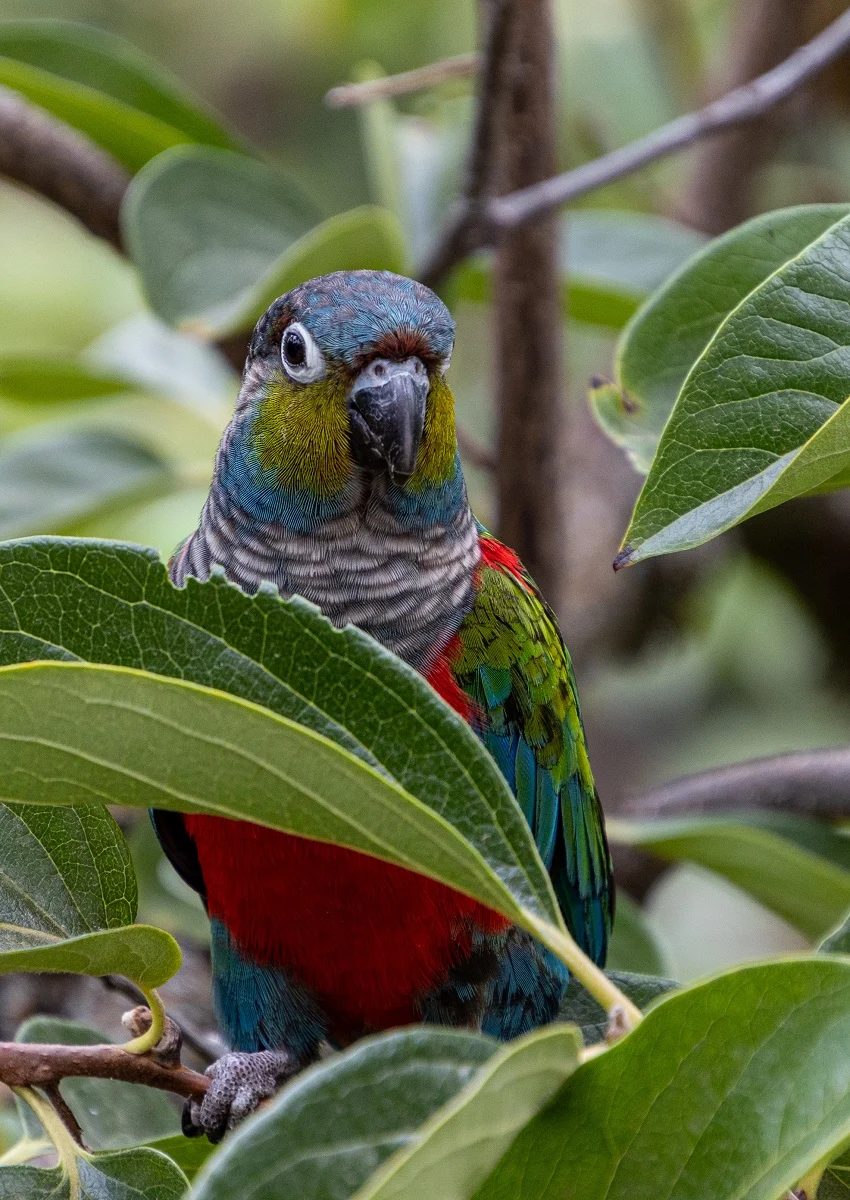
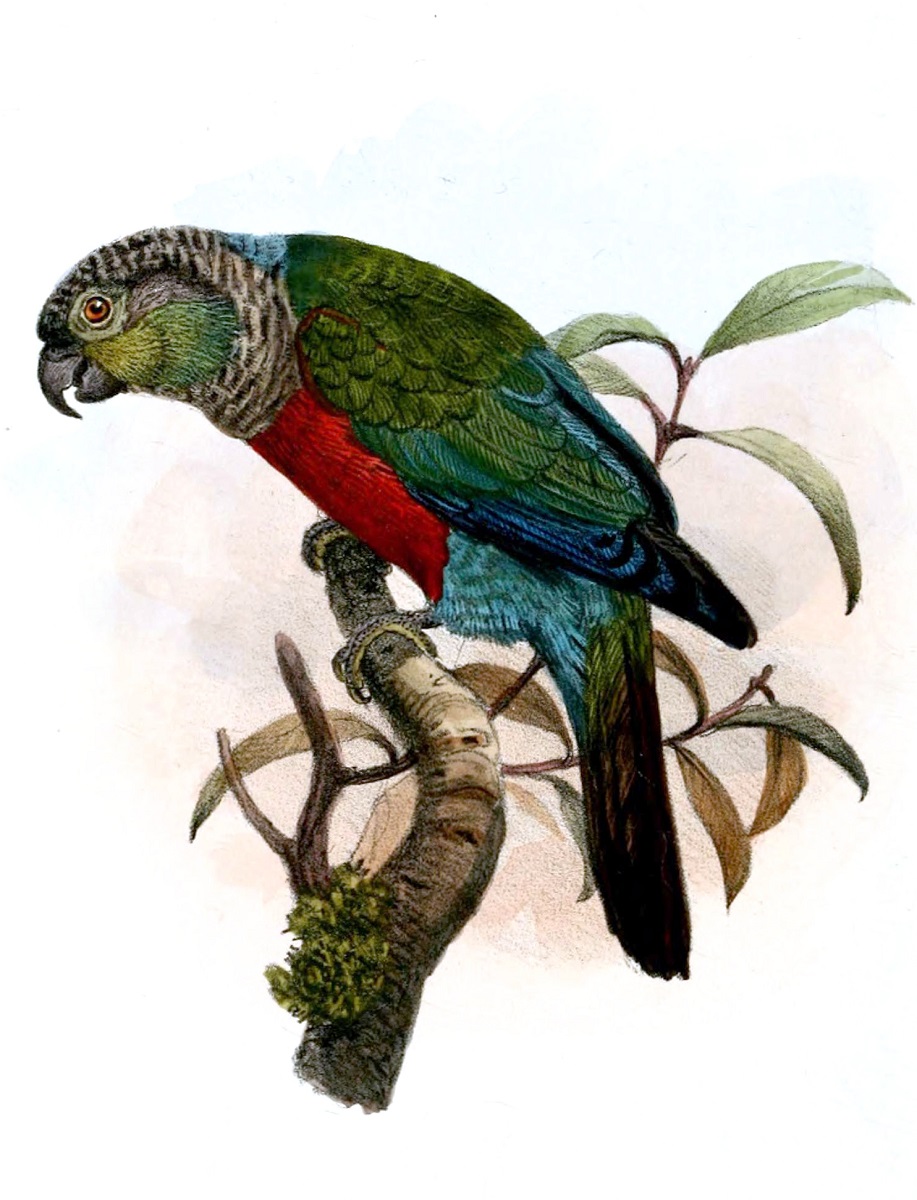
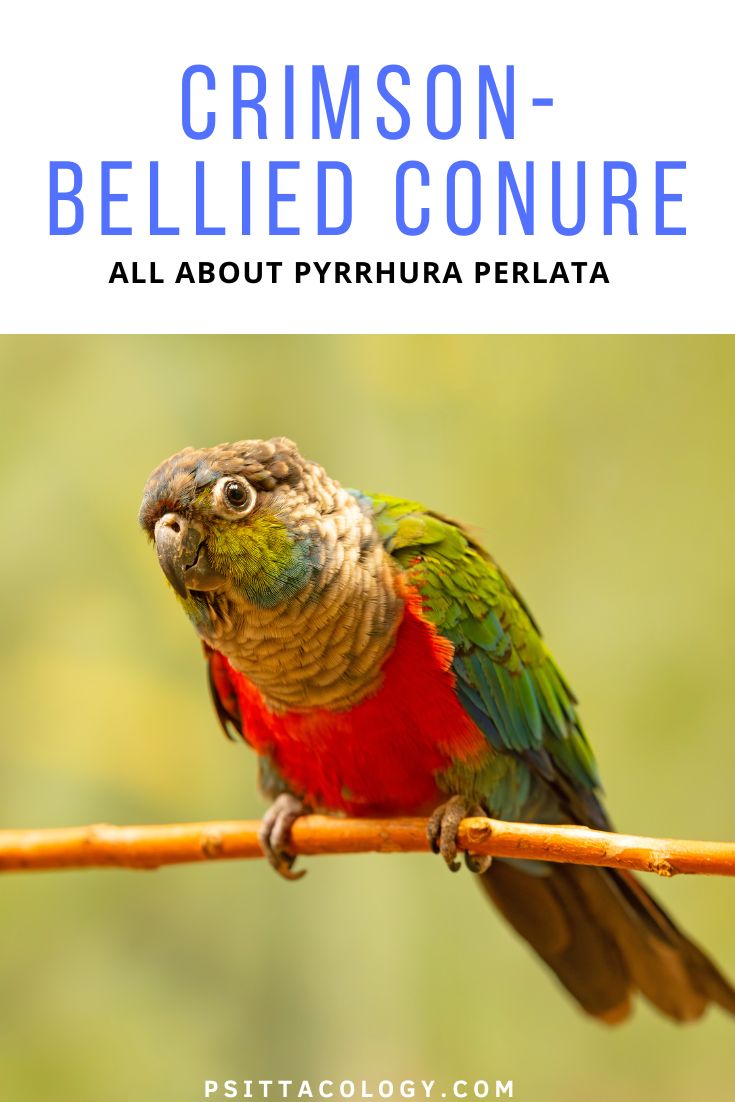
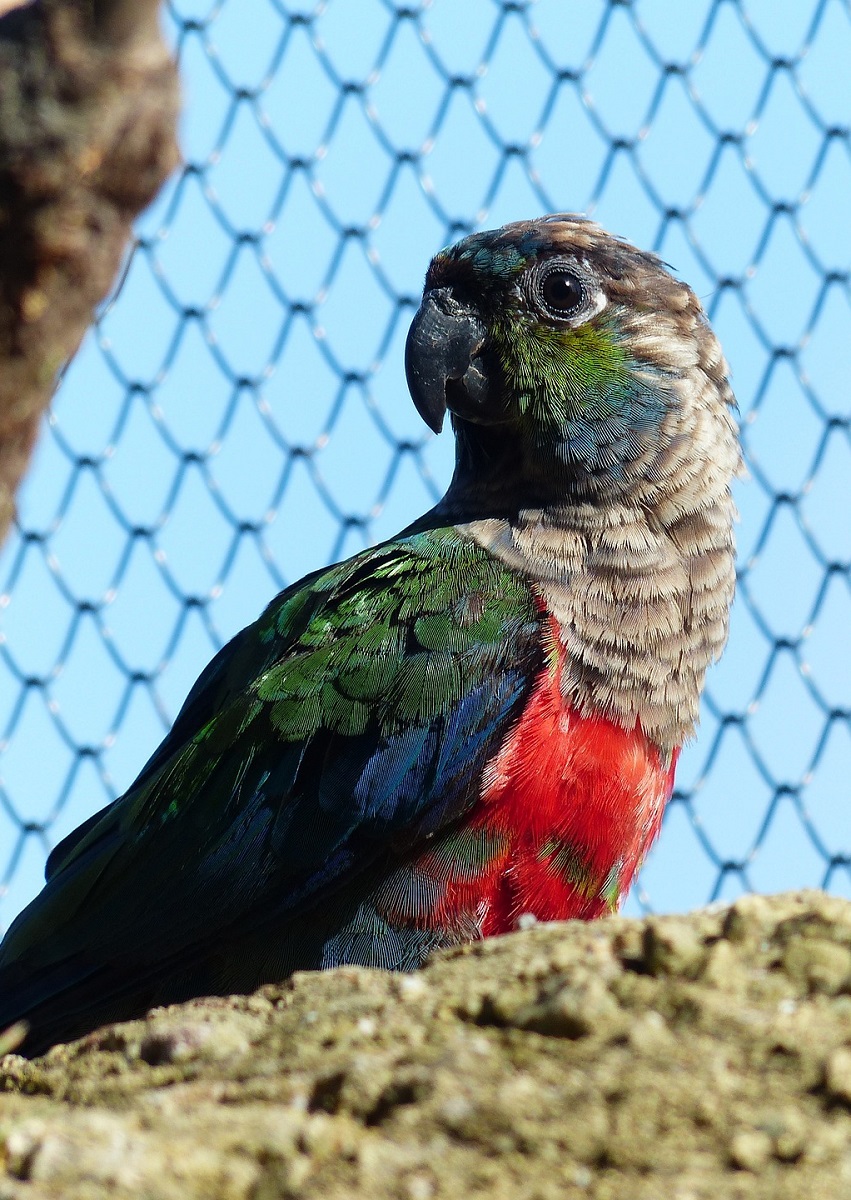
The Crimson-bellied Conure is renowned for its extraordinarily rich and varied plumage, which positions it as one of the most visually appealing members of its genus. As its common name suggests, a prominent feature is its intensely vivid crimson-red belly, which provides a dramatic contrast to the surrounding colors. Beyond this striking abdominal hue, the bird exhibits a complex palette: a deep green body transitions into blue primary flight feathers and a maroon tail, which darkens towards the tip. The head is adorned with a brown crown and nape, complemented by white eye-rings that accentuate its dark eyes, giving it a bright, inquisitive expression. Its cheeks are a rich, dark brown, and the breast features a distinctive scalloped pattern of white or pale grey feathers edged in brown, lending to the "pearly" aspect alluded to in its scientific name. A black beak completes its elegant profile.
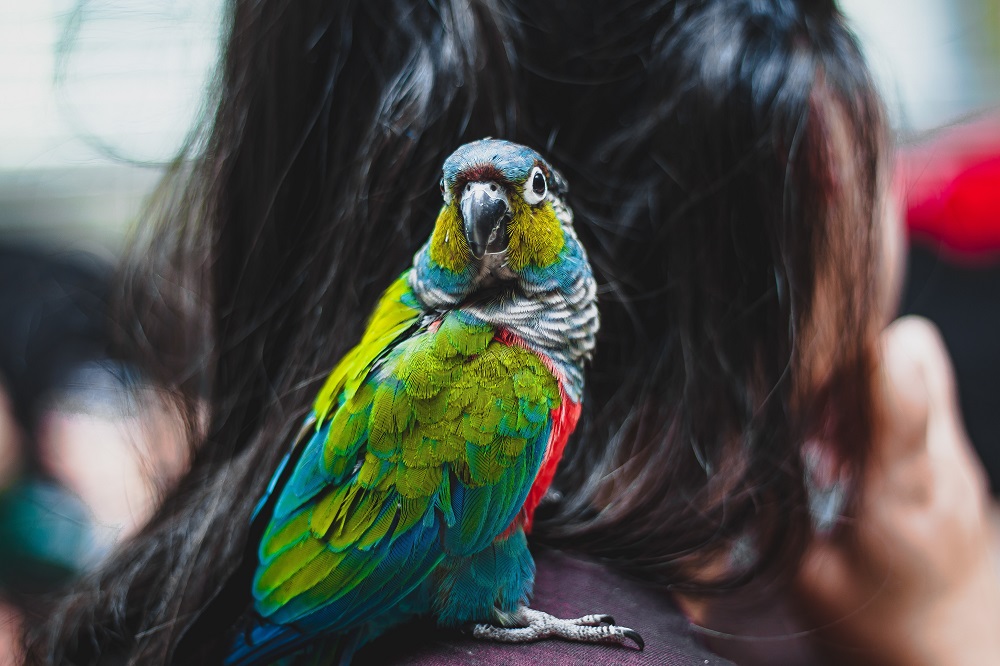
Physically, the Crimson-bellied Conure is a small, long-tailed parakeet, reaching an average adult length of approximately 10 inches (25 cm) from beak to tail tip and weighing around 90 grams. It is important for prospective owners to note that the signature bright red belly may take up to a year to fully develop in juvenile birds. Furthermore, visual sexual dimorphism is absent in this species, meaning males and females cannot be distinguished solely by their appearance, often necessitating DNA testing for accurate sex determination.
Social Behavior and Conservation Outlook
In their natural habitat, Crimson-bellied Conures are inherently social creatures, typically observed foraging and traveling in small, cohesive flocks. These groups often number between 5 to 12 individuals, though larger congregations can sometimes be seen at abundant food sources or communal roosting sites. Their social nature extends to interspecies interactions, as they are occasionally noted to associate with other conure species, such as the Painted Conure (Pyrrhura picta), forming mixed-species foraging parties. Nesting activities occur in the natural hollows of mature trees, providing secure locations for raising their young within the dense forest canopy.
The International Union for Conservation of Nature (IUCN) Red List currently classifies Pyrrhura perlata as a species of "Least Concern" in its natural habitat. However, this designation is accompanied by a crucial caveat: the population trend is noted as decreasing. The primary drivers behind this decline are identified as ongoing deforestation within the Amazon Basin and, to a lesser extent, localized hunting pressures. The destruction of terra firme forests for agriculture, logging, and cattle ranching fragments and diminishes suitable habitat, posing a long-term threat to the species’ viability. While not immediately endangered, continuous monitoring and conservation efforts aimed at protecting their unique forest ecosystem are vital to prevent future escalations of their conservation status.
Dietary Habits: Wild and Captive
The highly biodiverse rainforests of their native range provide wild Crimson-bellied Conures with a rich and varied diet. Their foraging strategies are adapted to exploit a wide array of seasonal resources. Primary dietary components include wild figs (Ficus species) and a multitude of other fruits, which provide essential sugars and vitamins. They also consume flowers, catkins (pendulous flower clusters), and occasionally young leaves and insect larvae, especially during breeding season when protein requirements are higher. A particularly interesting behavior is their regular visitation to natural clay licks, or geophagy sites. Here, they consume soil, a practice believed to supplement their diet with crucial micronutrients and minerals often lacking in a purely fruit-based diet, and potentially to neutralize toxins present in some of the plant matter they ingest.
For Crimson-bellied Conures in captivity, replicating this nutritional diversity is paramount for ensuring a long and healthy life. Avian veterinarians universally recommend a staple diet of high-quality, nutritionally complete pellets. This contrasts sharply with traditional seed-based diets, which are notoriously high in fat and deficient in essential vitamins and minerals, often leading to severe malnutrition, obesity, and liver disease in parrots. Alongside pellets, daily offerings of fresh vegetables are crucial, including leafy greens (kale, spinach, romaine), bell peppers, carrots, broccoli, and various squashes. Fresh fruits should be offered regularly but in moderation due to their higher sugar content; examples include apples, berries, melon, and citrus. Cooked whole grains such as quinoa, brown rice, and oats can also be provided. Furthermore, pesticide-free foraged grasses and edible flowers can add natural enrichment and dietary fiber. Constant access to fresh, clean water, ideally from multiple sources, is non-negotiable. Adhering to these dietary guidelines is a cornerstone of responsible parrot ownership, directly impacting the bird’s vitality and longevity.
Creating an Optimal Home Environment
Despite their relatively small size, Crimson-bellied Conures are highly active and require substantial space to thrive in a captive environment. The adage "the bigger the cage, the better" holds true for this species. A minimum cage size of 36 inches (90 cm) in width, with corresponding depth and height, is recommended for a single bird, particularly if it cannot spend the majority of its day outside the cage. For birds that will be housed primarily in their enclosure, or for pairs, a large indoor aviary is ideal, allowing for sustained flight and robust exercise. Bar spacing should be appropriate for small parrots, typically no more than 1/2 to 3/4 inch (1.25 to 1.9 cm), to prevent escape or injury.
The cage interior must be thoughtfully equipped. A variety of natural wood perches of varying diameters and textures is essential. Unlike uniform dowel perches, natural branches (e.g., from fruit trees, manzanita, java wood) allow birds to exercise their feet and prevent pressure sores, arthritis, and bumblefoot. Providing perches at different heights encourages climbing and movement. Stainless steel food and water bowls are preferred for hygiene. Crucially, ample enrichment, as detailed below, must be integrated into their living space.
Enrichment and Mental Stimulation
All parrots, including the intelligent Crimson-bellied Conure, possess a profound need for mental stimulation and physical activity. Without adequate enrichment, these birds can suffer from severe stress, manifesting in destructive behaviors such as excessive screaming, feather plucking, lethargy, obesity, and aggression. A rich and dynamic environment is key to their psychological and physical health.

Enrichment strategies include:
- Foraging Toys: These toys challenge the bird to "work" for its food, mimicking natural foraging behaviors. Examples include puzzle toys, treat dispensers, and hidden food items.
- Chew Toys: Parrots have a natural instinct to chew, which is vital for beak health and mental release. Provide a constant supply of safe, destructible toys made from wood, cardboard, natural fibers, and paper.
- Shredding Toys: Toys made from paper, palm fronds, or untreated fabric satisfy the urge to shred and manipulate materials.
- Swings and Ladders: These encourage climbing, balancing, and physical exercise.
- Bathing Opportunities: A shallow dish of water or a bird bath sprayer encourages preening and feather health.
- Out-of-Cage Time: Daily supervised time outside the cage is critical for exercise, exploration, and social interaction. This requires thorough "parrot-proofing" of any accessible room to eliminate hazards such as open windows, toxic plants, chemicals, hot stoves, and electrical cords.
- Social Interaction: Daily interaction with human family members through play, training, and petting is fundamental.
- Social Housing: While a single conure can thrive with sufficient human interaction, many species, including Pyrrhura perlata, benefit greatly from the companionship of another conure, ideally of the same species, provided they are introduced carefully and show compatibility.
Regular rotation of toys and enrichment items prevents boredom and keeps the environment novel and stimulating.
Temperament and Social Interaction
Conures of the Pyrrhura genus are widely popular as companion birds, and the Crimson-bellied Conure stands out for its unique blend of vivacity and affection. They are often described as "loveable rogues" – highly intelligent, curious, and playful birds that enjoy mischief and exploration. A well-socialized Crimson-bellied Conure forms strong bonds with its human companions, often delighting in perching on a shoulder, receiving head scratches, and engaging in interactive play. Their cheeky personality ensures endless entertainment, though owners must be prepared for the inevitable chewing of household items, a natural parrot behavior that can be managed with appropriate chew toys and supervision.
Positive reinforcement training methods are highly effective with these intelligent birds, enabling them to learn basic commands, tricks, and even house-training. Consistent, gentle handling from a young age is crucial for developing a confident and friendly demeanor. Owners should be aware that, like all parrots, conures can be prone to nipping, especially if startled or during hormonal periods. Understanding their body language and responding appropriately can help mitigate such behaviors. For individuals seeking a friendly, clownish, and enduring companion, the Crimson-bellied Conure, with its decades-long lifespan, can indeed make an exceptional friend.
Vocalization and Communication
While no parrot is truly silent, Crimson-bellied Conures are generally considered to be among the quieter conure species. Their noise level is typically categorized as low to medium. They possess a range of vocalizations, including contact calls, alarm calls, and softer chattering sounds. Owners can expect periods of louder vocalizations, particularly when the bird is excited, alarmed, seeking attention, or during morning and evening "chatter" sessions. It is crucial for prospective owners to experience the species’ vocalizations firsthand, perhaps by listening to recordings on platforms like xeno-canto or visiting an owner, to ensure they are comfortable with the sound level before committing.
Regarding speech mimicry, Pyrrhura conures are not renowned for their talking abilities compared to species like African Greys or Amazon parrots. While some individuals may learn to mimic a few words or phrases, their aptitude for clear articulation is generally limited. They are more likely to imitate household sounds such as telephone rings, alarm clocks, or common phrases. Owners interested in a highly verbal parrot may find other species more suitable, but the Crimson-bellied Conure’s charm lies more in its personality and interactive nature than its linguistic prowess.
Long-Term Commitment and Comprehensive Care
The decision to adopt a Crimson-bellied Conure represents a significant, long-term commitment. With optimal care, including a balanced diet, stimulating environment, regular veterinary check-ups, and consistent social interaction, these birds can live for 20 years or more. This extended lifespan necessitates careful planning for their care throughout different life stages, including potential changes in an owner’s living situation or health.
Annual veterinary check-ups with an avian-specialist veterinarian are essential for preventative care, early detection of potential health issues, and guidance on diet and husbandry. Parrots can be adept at hiding signs of illness, making regular professional evaluations critical. Owners should also educate themselves on common parrot ailments and emergency care protocols.
Ethical considerations in acquiring a Crimson-bellied Conure are paramount. Prospective owners should seek birds from reputable breeders who prioritize the health and welfare of their birds, ensuring they are well-socialized and free from genetic predispositions to disease. Avoiding wild-caught birds is crucial for conservation efforts and ethical reasons.
In conclusion, the Crimson-bellied Conure is a highly rewarding companion for individuals or families prepared to meet its specific needs for space, diet, enrichment, and social interaction. Its stunning appearance, playful temperament, and long lifespan offer decades of joy and companionship, cementing its status as a truly remarkable avian friend from the heart of the Amazon.

