


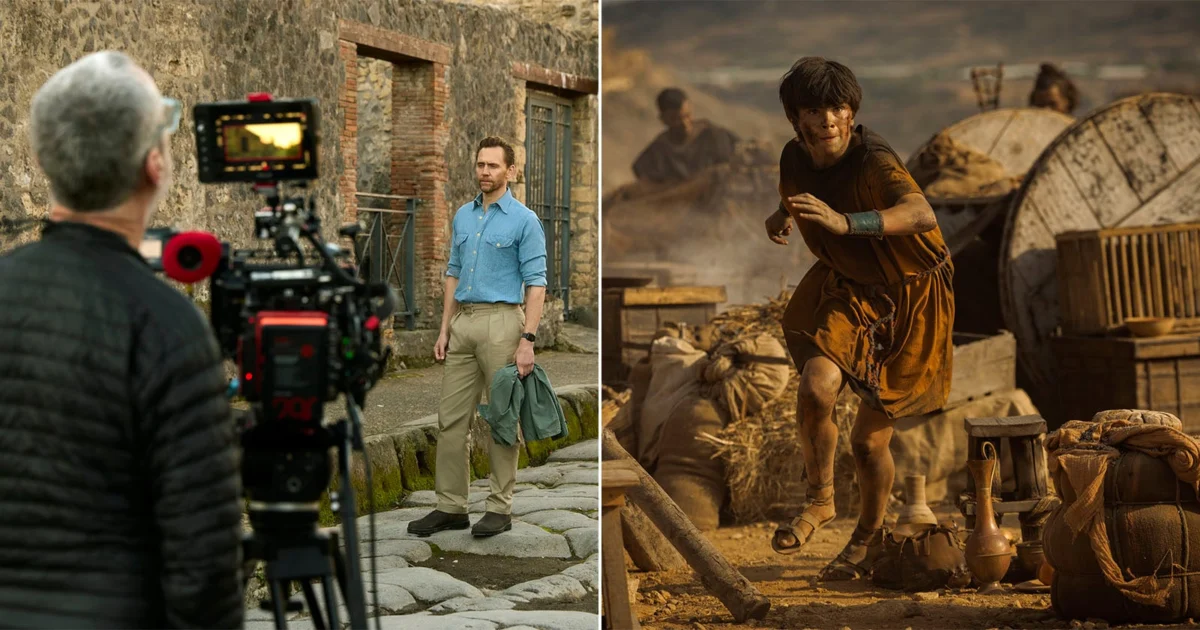
National Geographic is set to premiere a landmark three-part docudrama series that promises to redefine the historical documentary genre by blending cinematic narrative with rigorous archaeological scholarship. Titled Pompeii: Out of Time, the series features acclaimed actor and executive producer Tom Hiddleston as he guides viewers through the harrowing final hours of the ancient Roman city before its total destruction by the eruption of Mount Vesuvius in 79 A.D. By utilizing high-end filmmaking techniques typically reserved for feature-length dramas, the production aims to bridge the gap between academic history and immersive storytelling, offering a vivid window into a tragedy that has captivated the global imagination for nearly two millennia.
A New Vision for Historical Storytelling
The series arrives at a time when public interest in Pompeii remains at an all-time high. As a UNESCO World Heritage site, Pompeii attracts approximately 2.5 million visitors annually, making it one of the most studied and visited archaeological locations on Earth. However, Pompeii: Out of Time seeks to go beyond the static ruins, populating the ancient streets with characters based on historical records and recent archaeological finds.
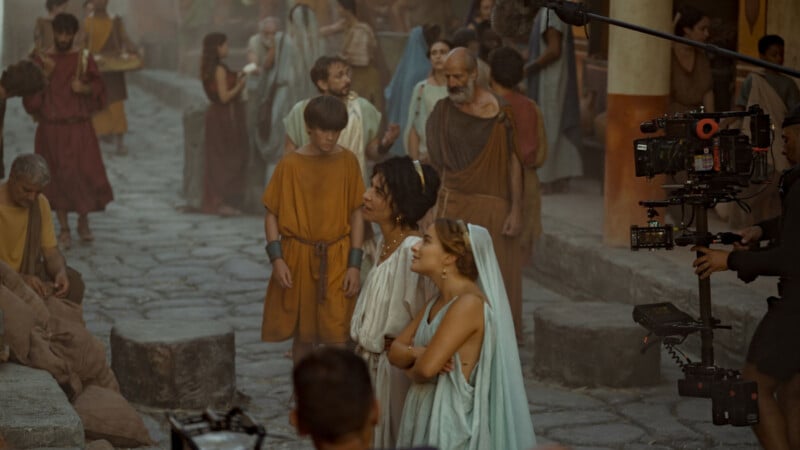
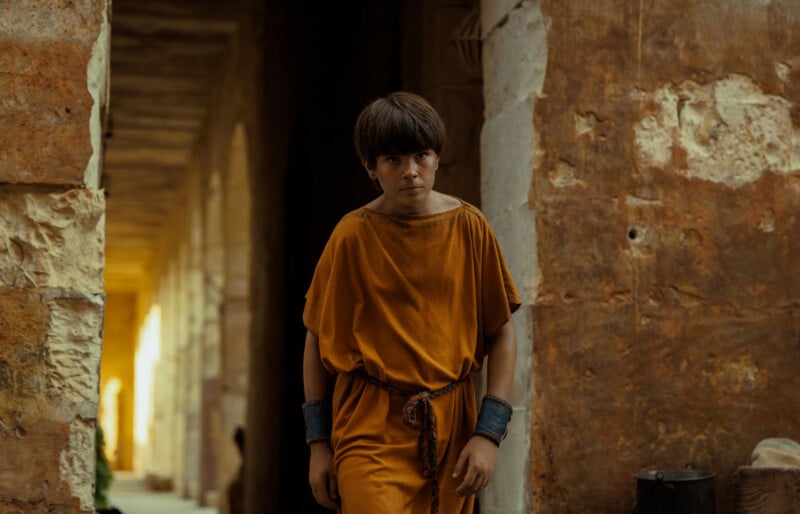
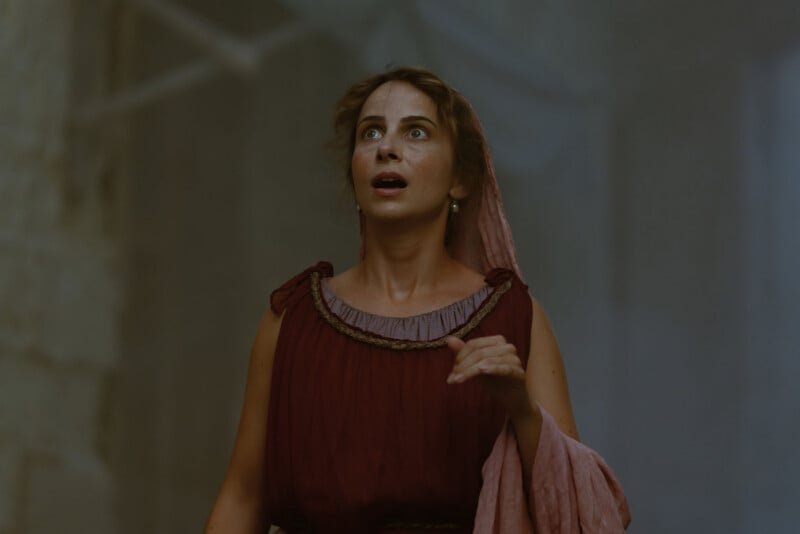
The "docudrama" format employed here is a deliberate departure from the traditional talking-head documentary. While the series includes insights from world-renowned archaeologists, historians, and academics, these segments are interwoven with high-stakes dramatic reenactments. These sequences follow specific individuals, such as the wealthy landowner Julia Felix and the young Avianius, as they navigate the tremors and eventual cataclysm. According to Tom McDonald, Executive Vice President of Content at National Geographic, the project represents the invention of a "distinctive" new genre that brings evidence and imagination together to create a cohesive narrative of survival and loss.
Technical Excellence: Cinematography and Visual Narrative
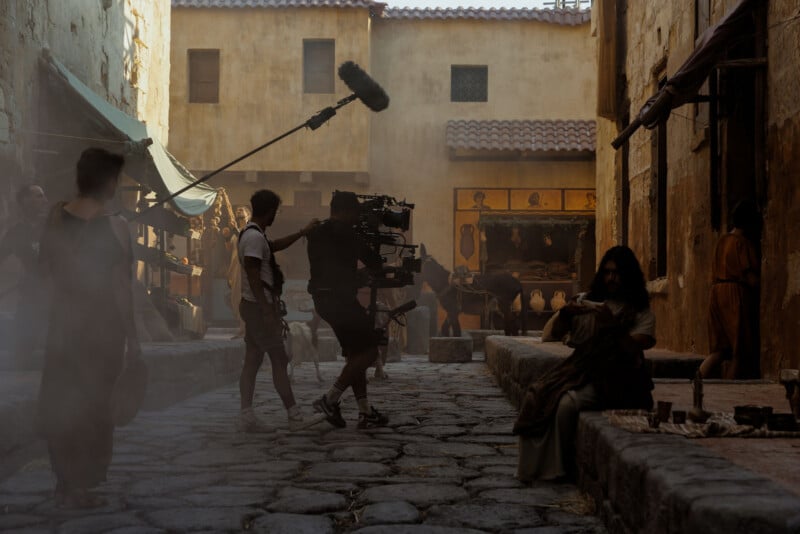
Central to the series’ prestige feel is the work of cinematographer Jim Jolliffe and director Tom Barbor-Might. To avoid the "cheesy" aesthetic often associated with low-budget historical reenactments, the production team opted for a sophisticated technical setup. The series was shot primarily on the Arri Alexa 35, a state-of-the-art Super35-format cinema camera known for its high dynamic range and color science.
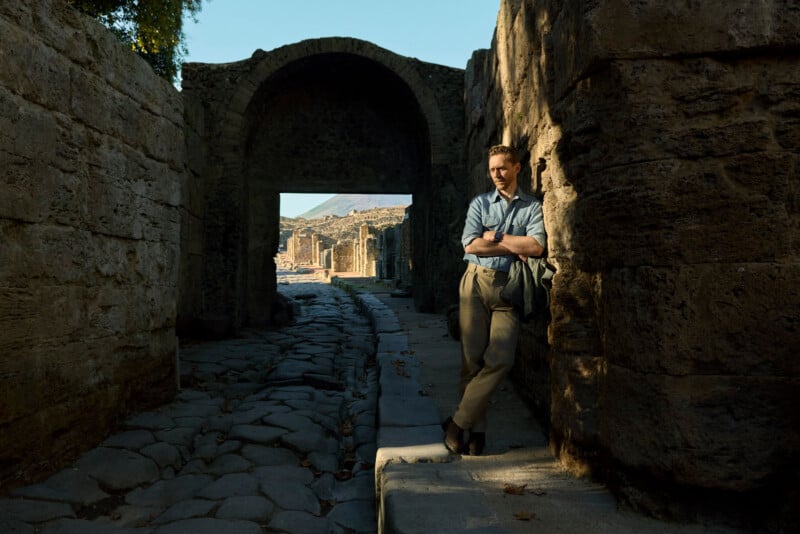
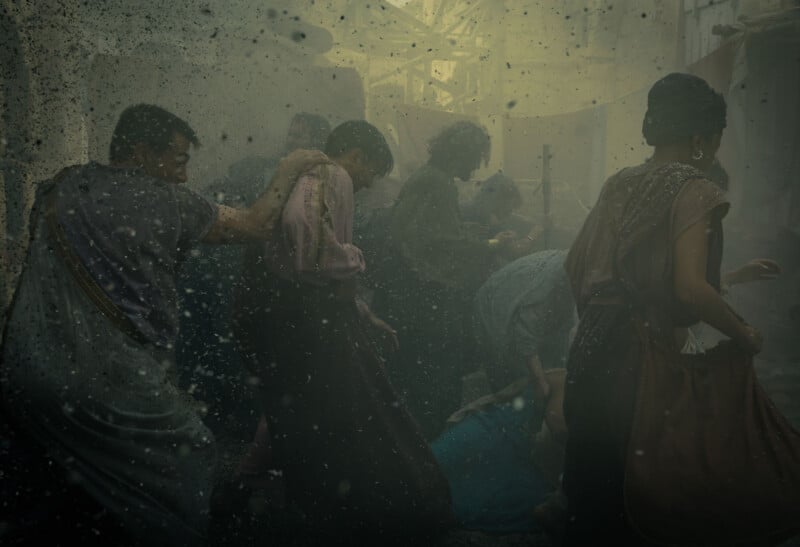
In a move to ensure visual continuity between the modern-day interviews and the historical drama, Jolliffe utilized Caldwell Chameleon anamorphic lenses. These 1.79x anamorphic primes provide a wide, cinematic field of view and distinct flares that lend the production a "movie-like" quality. Jolliffe noted that the lenses were instrumental in tying the two timelines together, providing a consistent texture whether Hiddleston was interviewing an expert in a laboratory or a character was fleeing through a rain of ash.
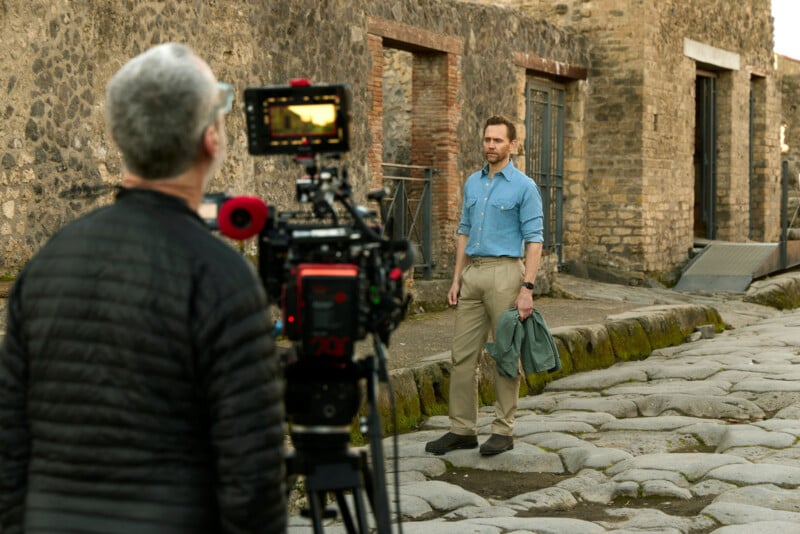
The visual language of the series also evolves alongside the chronology of the eruption. Pre-eruption sequences are characterized by warm, golden tones that reflect the Mediterranean sun and the vibrancy of Roman life. As the eruption begins, the color palette shifts dramatically to cooler, desaturated tones, mimicking the darkening of the sky and the suffocating blanket of volcanic ash. To further distinguish the phases of the disaster, the camera work moves from stable, slow-paced shots during the city’s peaceful moments to a "run-and-gun" style with significant camera shake to convey the chaos of the evacuation.
Tom Hiddleston: From History Buff to Executive Producer
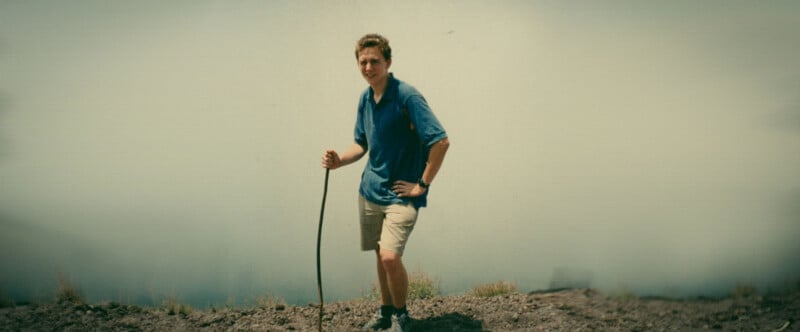
While Tom Hiddleston is globally recognized for his roles in the Marvel Cinematic Universe, his involvement in Pompeii: Out of Time is rooted in a lifelong passion for classical history. Production records highlight that Hiddleston first visited the ruins of Pompeii and Herculaneum in 1998 at the age of 17. His personal connection to the site informed his dual role as host and executive producer, allowing him to serve as an empathetic conduit for the audience.
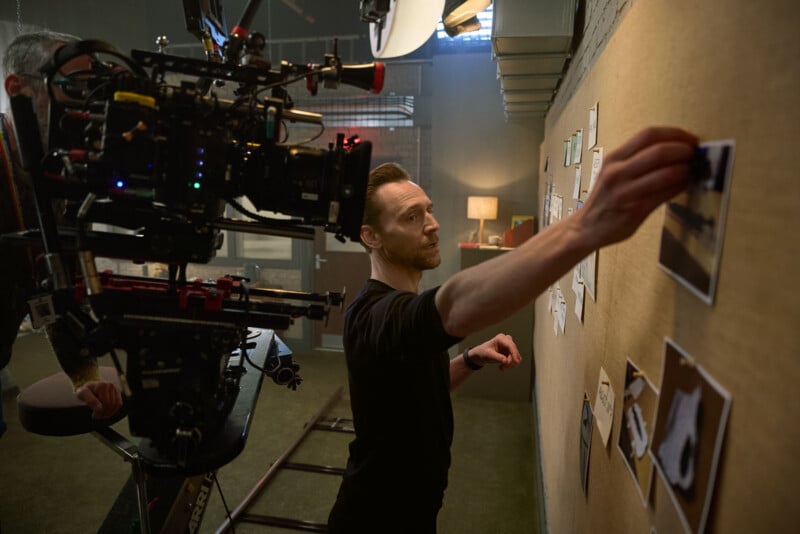
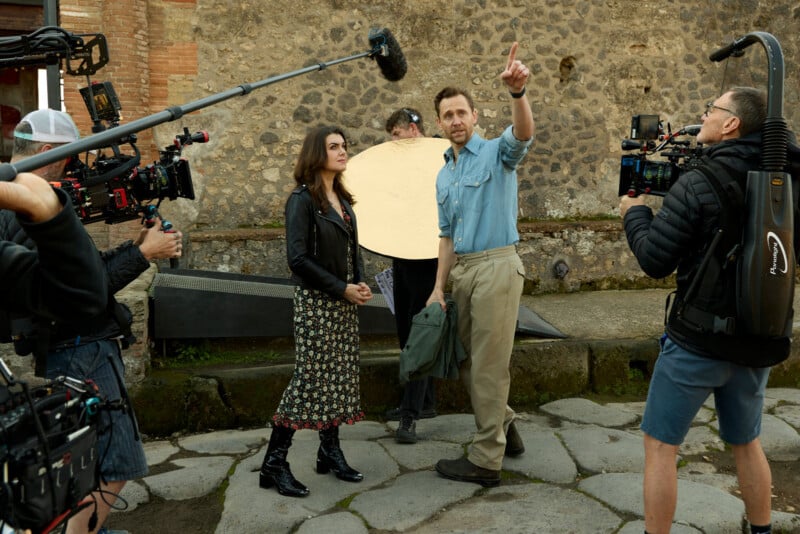
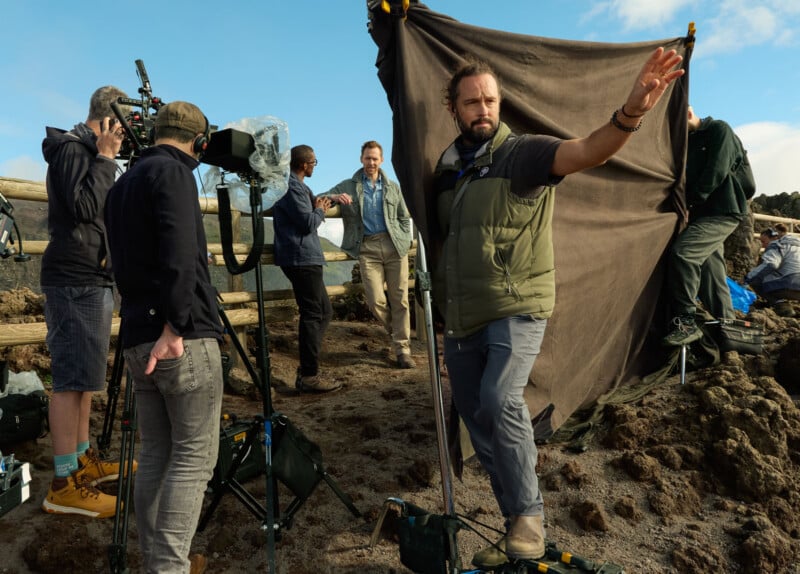
On-set, Hiddleston’s presence was noted for more than just his star power. Cinematographer Jim Jolliffe remarked on Hiddleston’s ability to put academic experts at ease. Many of the archaeologists and historians interviewed for the series are more accustomed to field research than television cameras; Hiddleston’s collaborative approach helped facilitate natural, engaging dialogues that translate complex data into accessible narratives.
Chronology of a Catastrophe: The 79 A.D. Timeline
To provide a factual backbone for the series, the production relied on the latest geological and archaeological data regarding the eruption of Mount Vesuvius. The series meticulously recreates the timeline of the disaster, which is generally believed to have occurred over two days in the autumn of 79 A.D.
- The Preliminary Tremors: For days leading up to the eruption, Pompeii and the surrounding Bay of Naples experienced seismic activity. The series depicts how citizens, accustomed to minor earthquakes, largely ignored these warning signs.
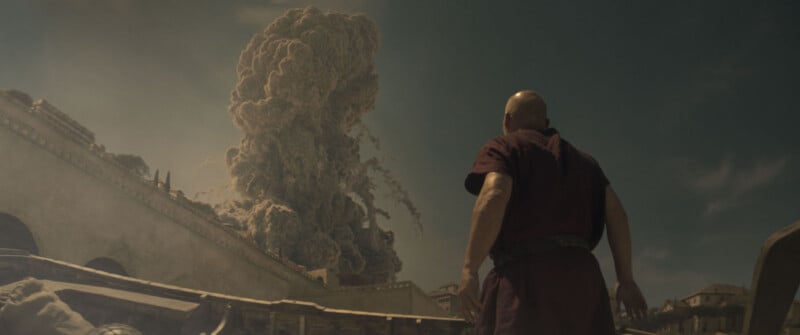
- The Plinian Phase: Around noon on the first day, Vesuvius erupted with a massive column of ash and pumice reaching heights of over 20 miles. This phase is named after Pliny the Younger, whose letters provide the only surviving eyewitness account.
- The Rain of Pumice: For several hours, white and grey pumice stones rained down on Pompeii, collapsing roofs and trapping residents inside their homes.
- The Pyroclastic Surges: On the second day, the eruption column collapsed, sending "pyroclastic surges"—avalanches of hot gas and volcanic matter—down the slopes of the mountain at speeds exceeding 100 miles per hour. It was these surges that ultimately proved fatal to those remaining in Pompeii and Herculaneum.
- The Aftermath: The series concludes by exploring the immediate displacement of survivors and the eventual burial of the cities under nearly 20 feet of debris, where they remained hidden until their rediscovery in the 18th century.
Production Logistics and Locations
Filming a high-end docudrama about an ancient city presents significant logistical hurdles. While key sequences were filmed on location in Pompeii, the crew faced strict limitations to protect the UNESCO site. Within the ruins, the production team was reduced to a skeleton crew consisting of the cinematographer, an audio technician, the director, and Hiddleston.
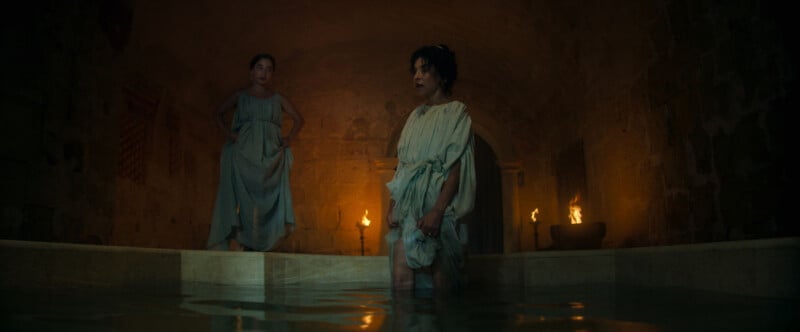
Due to the fragile nature of the stone and frescoes, large artificial lighting rigs were prohibited. Jolliffe and his team had to rely on natural light, using portable LED fixtures, bounce boards, and diffusion to manage the harsh Italian sun. This limitation actually enhanced the series’ realism, as the lighting in the modern segments mirrored the naturalistic, torch-lit atmosphere of the dramatic reenactments.
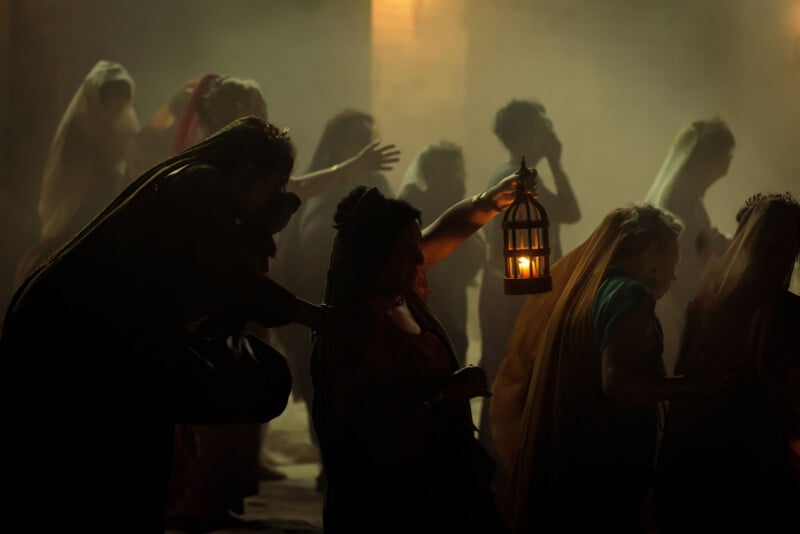
Beyond Pompeii, the production moved to Malta to recreate the scale of the destruction and the displacement camps. Malta’s rugged coastline and historical architecture served as the backdrop for the "displacement camps" where survivors gathered after the eruption. These scenes involved extensive practical effects, including the use of physical debris and simulated ash, to immerse the actors in the fallout of the volcano.
Broader Impact and Educational Significance
Pompeii: Out of Time is more than an entertainment product; it is part of a multi-platform educational initiative by National Geographic. Alongside the series, the organization is publishing a major feature story in the August issue of National Geographic magazine, focusing on the three Roman cities—Pompeii, Herculaneum, and Stabiae—that were buried by the eruption.
The series highlights the ongoing relevance of Pompeii in the field of modern science. New technologies, such as X-ray phase-contrast tomography and DNA analysis, are currently being used to "read" charred papyrus scrolls and identify the genetic origins of the victims. By presenting these scientific breakthroughs through a cinematic lens, National Geographic aims to inspire a new generation of scientists and historians.
The broader implication of this production style is the elevation of the "prestige documentary." As streaming platforms compete for viewer attention, the demand for high-production-value factual content has grown. Pompeii: Out of Time sets a new standard for how historical events can be dramatized without sacrificing factual integrity, proving that the truth of the past is often more compelling than fiction.
Premiere and Distribution
Viewers can experience the final hours of the ancient city when Pompeii: Out of Time premieres on the National Geographic channel on July 22 at 9/8c. For those preferring digital platforms, the series will be available for streaming on Disney+ and Hulu starting July 23. This staggered release ensures maximum reach, bringing the story of Pompeii to both traditional cable audiences and a global streaming demographic. Through this ambitious project, National Geographic continues its century-long mission of bringing the world’s most significant stories to life with clarity, beauty, and historical depth.

