


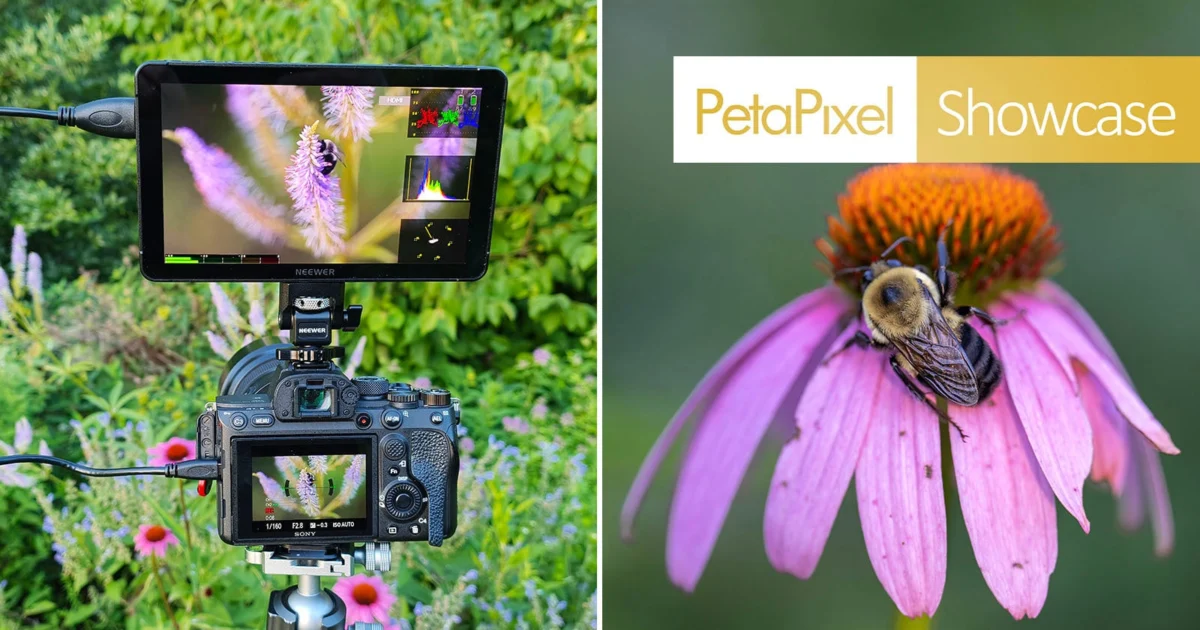
The landscape of digital imaging has undergone a significant transformation over the last decade, as the hardware requirements for high-end videography and professional photography have increasingly converged. Historically, external field monitors were categorized as specialized tools reserved almost exclusively for cinema sets and broadcast environments. However, as mirrorless cameras have evolved into powerful hybrid machines, the demand for high-fidelity external displays has moved into the mainstream. The Neewer F700U OLED Field Monitor represents a pivotal entry into this maturing market, offering a high-brightness, color-accurate solution designed to satisfy the rigorous demands of both video producers and still photographers. By integrating an Organic Light Emitting Diode (OLED) panel with professional-grade monitoring tools, Neewer is positioning this device as an essential component for creators who require greater visual precision than a standard camera’s built-in LCD can provide.
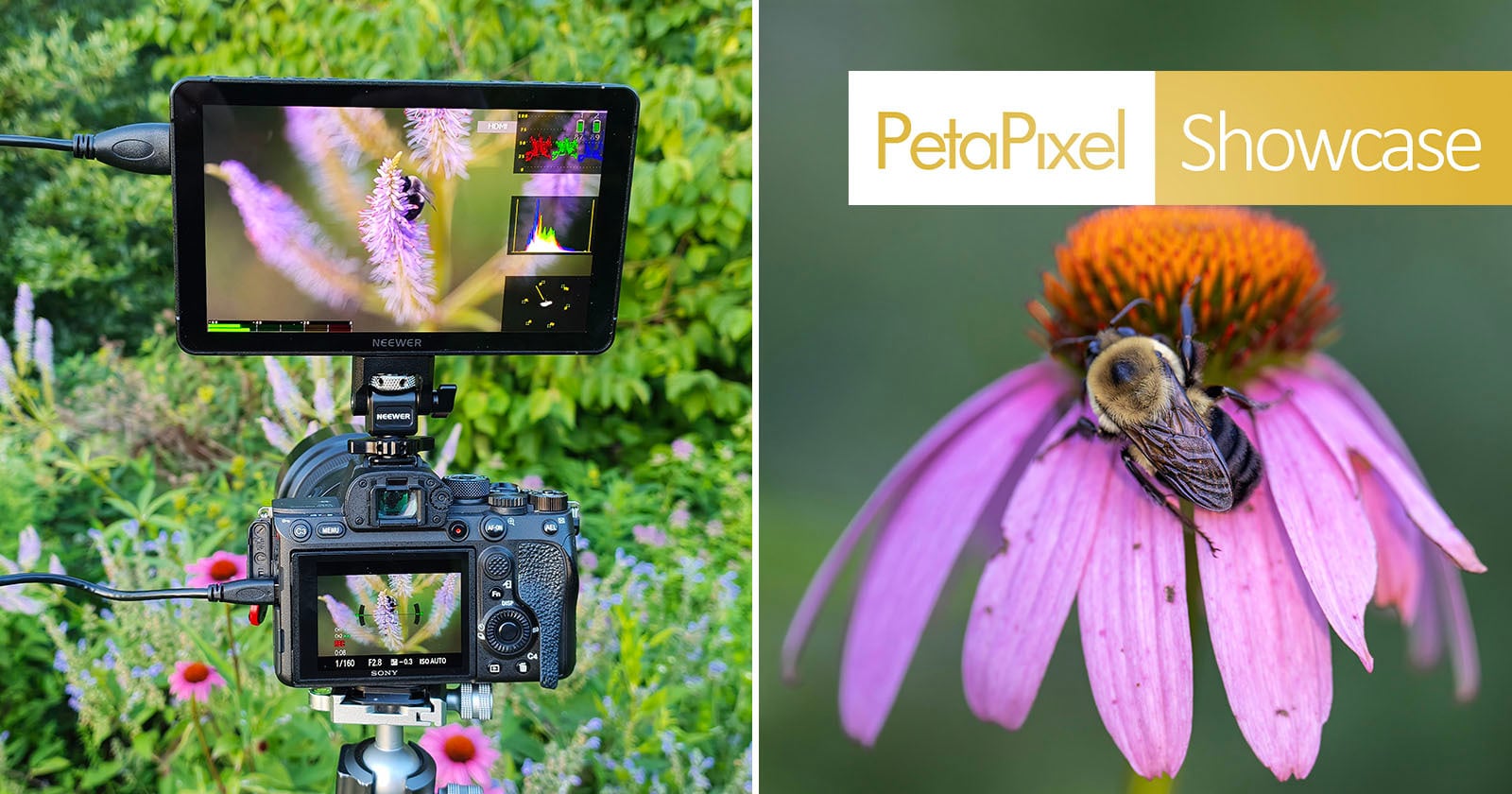
Technical Specifications and Hardware Architecture
At the core of the Neewer F700U is a 7-inch OLED touchscreen display featuring a native resolution of 1920 x 1080 (Full HD). While many entry-level monitors utilize In-Plane Switching (IPS) panels, the choice of OLED technology is a significant differentiator. OLED panels are self-emissive, meaning each pixel produces its own light. This allows for a theoretical contrast ratio of 100,000:1, providing "true blacks" that IPS screens—which rely on a constant backlight—cannot replicate. For the field professional, this translates to a more accurate representation of shadows and highlights, which is critical when exposing complex scenes.
The monitor boasts a peak brightness of 1,200 nits, placing it firmly in the "daylight viewable" category. Standard camera LCDs typically hover between 350 and 500 nits, often becoming illegible under direct sunlight. The 1,200-nit rating, combined with a 10-bit color depth and a viewing angle exceeding 160 degrees, ensures that the image remains consistent even when viewed from off-center or in high-glare environments. Furthermore, the F700U supports a wide range of color gamuts, making it compatible with modern High Dynamic Range (HDR) workflows.
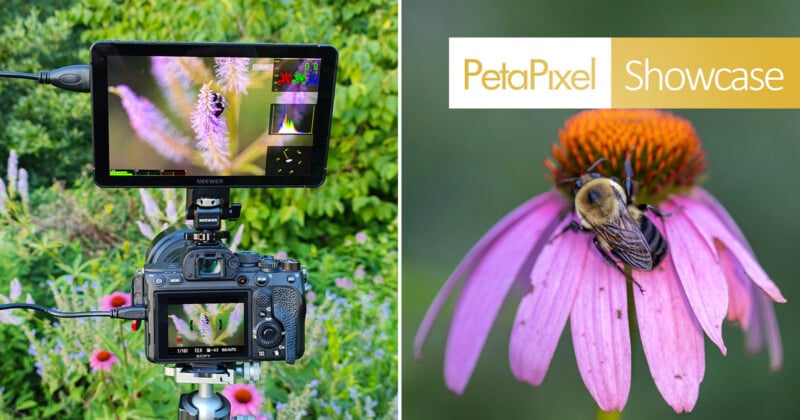
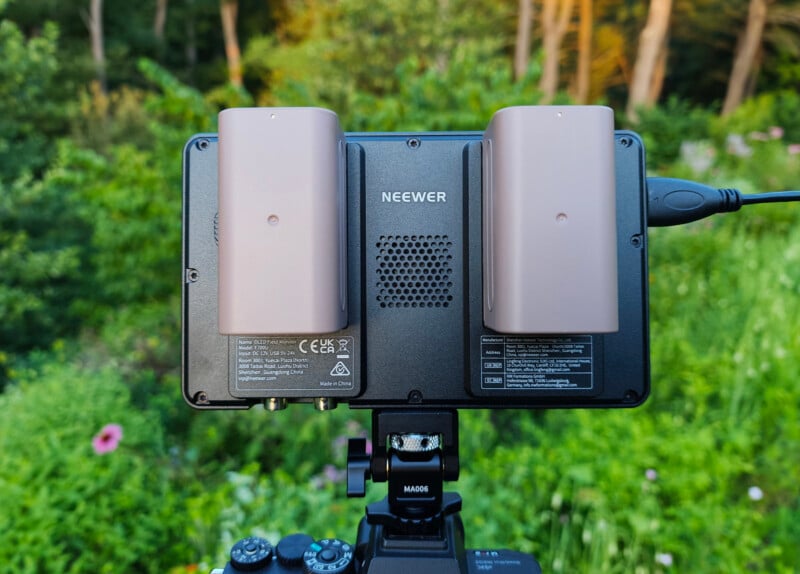
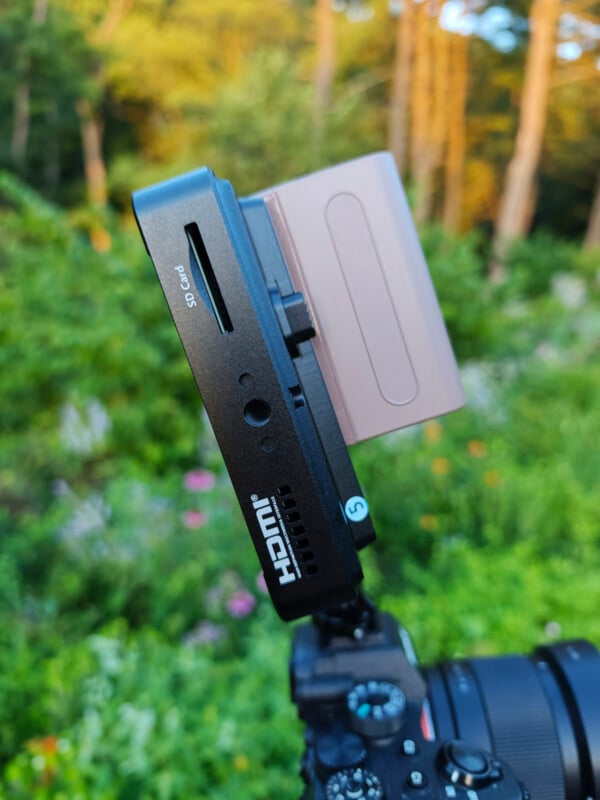
Physically, the device is built for durability and versatility. It measures 7.1 x 4.2 x 1.1 inches and features multiple 1/4"-20 mounting points on the side and bottom, allowing for both horizontal and vertical orientations. The unit weighs 15.7 ounces (445 grams) without batteries. When equipped with two NP-F750 batteries, the weight increases to approximately 30.2 ounces (857 grams). While this adds substantial mass to a camera rig, the inclusion of a silent internal cooling fan ensures that the internal components remain within safe operating temperatures during extended shoots, even in ambient temperatures exceeding 100°F.
Expanding the Workflow: Photography Applications
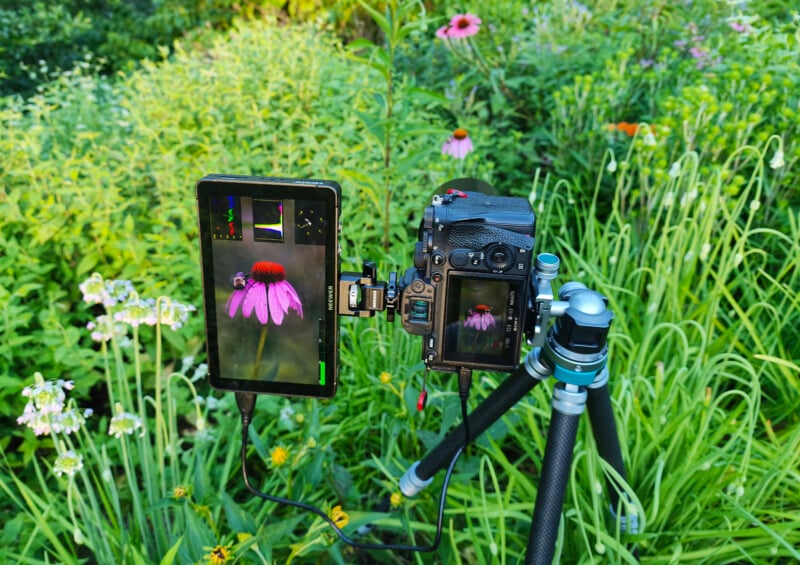
While the feature set of the F700U is heavily weighted toward video, its utility in professional photography is profound, particularly in genres where focus and composition are paramount. In macro photography, for instance, the depth of field is often measured in millimeters. The small, 3-inch screens found on the back of most professional cameras are frequently inadequate for verifying critical focus on a subject’s eye or a flower’s stamen.
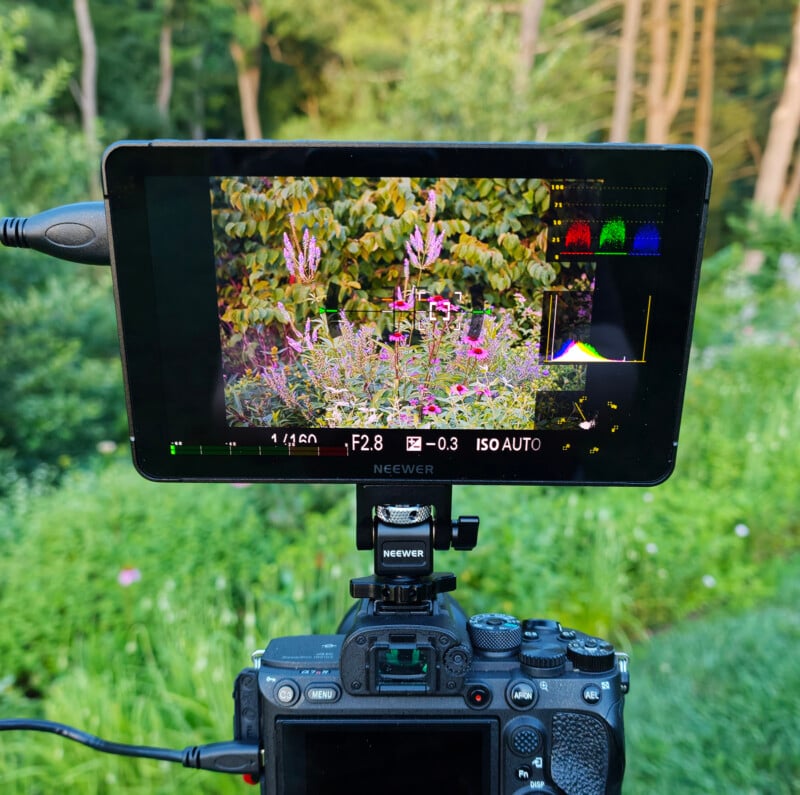
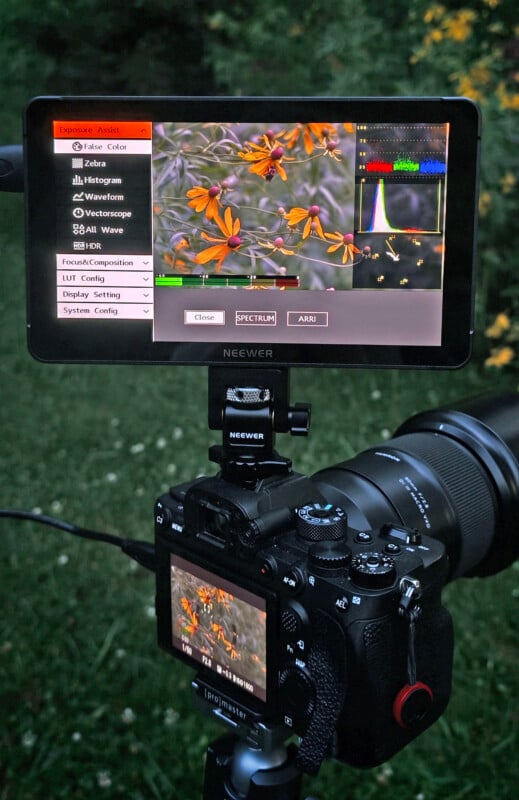
During field testing, the 7-inch display proved to be a transformative tool for macro work. The increased screen real estate allows photographers to see fine details and micro-movements that would otherwise be missed. This is especially relevant for cameras with limited articulating screens. When a camera is positioned inches from the ground for a low-angle shot, the external monitor can be angled independently, sparing the photographer from uncomfortable physical positioning while maintaining a clear view of the frame.
In landscape photography, the F700U aids in the evaluation of edge-to-edge sharpness and the detection of subtle chromatic aberrations. By providing a larger, more color-accurate preview, photographers can make informed decisions about exposure and composition in the field, reducing the likelihood of discovering errors during the post-processing phase. This "get it right in the camera" philosophy is bolstered by the monitor’s responsive touchscreen, which allows for quick zooming and navigation of the camera’s output.
Professional Monitoring and Software Suite
The Neewer F700U is equipped with a comprehensive suite of software tools designed to assist in exposure and focus management. These include:
- Focus Peaking: Highlights the sharpest areas of the image with a colored overlay, essential for manual focus lenses.
- False Color and Zebras: Provides a visual map of exposure levels, helping to prevent clipped highlights or crushed shadows.
- Waveform and Vectorscope: Offers a scientific breakdown of the luminance and chrominance data in the signal, ensuring that colors and exposure are within legal broadcast limits or desired creative ranges.
- 3D LUT Support: The monitor comes with 15 built-in Look-Up Tables (LUTs) and allows for up to 60 custom LUTs to be loaded via an SD card. This enables creators to preview their final "graded" look while shooting in flat profiles like S-Log3, V-Log, or C-Log.
- Anamorphic De-squeeze: Vital for cinematographers using anamorphic lenses, this feature corrects the "stretched" image to its proper aspect ratio for real-time monitoring.
The integration of these tools into a single, portable device democratizes high-end production values. Historically, tools like vectorscopes were found only in expensive production monitors or specialized hardware. By including them in a $360 unit, Neewer is providing independent creators with the same level of technical oversight used on major film sets.

Connectivity, Power, and Professional Integration
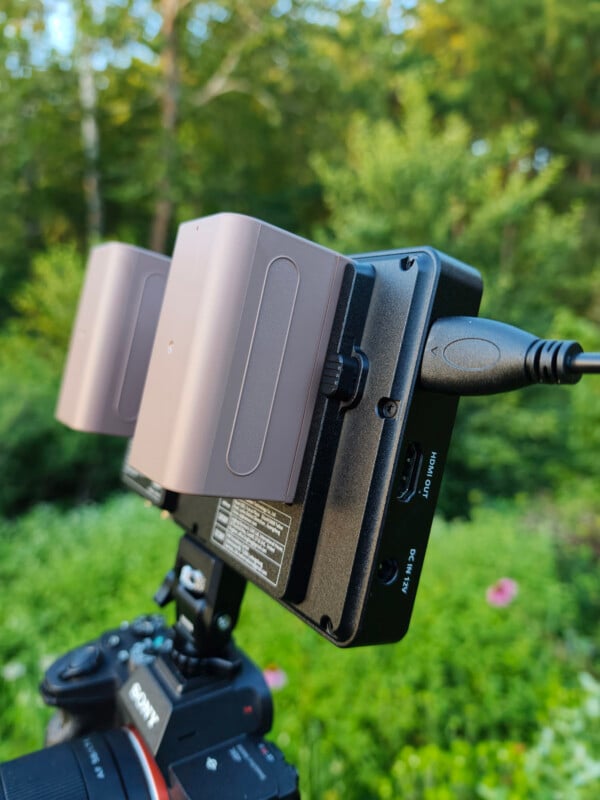
The F700U’s connectivity options distinguish it from purely consumer-grade monitors. It features both HDMI and 3G-SDI inputs and outputs. While HDMI is the standard for mirrorless and DSLR cameras, SDI (Serial Digital Interface) is the preferred connection for professional cinema cameras and broadcast equipment due to its locking connectors and ability to carry signals over much longer distances without degradation. The "loop-out" functionality allows the signal to be passed from the camera, through the monitor, and out to a secondary device, such as a wireless transmitter or a director’s monitor.
Power management is another area where the F700U offers significant flexibility. The device features a dual NP-F battery plate, which supports hot-swapping—the ability to change one battery while the other continues to power the unit. For studio environments, the monitor can be powered via a DC adapter or through its USB-C port using a Power Delivery (PD) power bank. This redundancy is critical for professional shoots where downtime is not an option.
Additionally, the inclusion of a 3.5mm headphone jack allows for direct audio monitoring. This is particularly useful for cameras that lack a dedicated headphone port, ensuring that the operator can monitor audio levels and quality in real-time, preventing costly mistakes in the field.
Market Analysis and Industry Impact
The release of the Neewer F700U reflects a broader trend in the imaging industry: the aggressive push of high-end display technology into the mid-range price bracket. Only a few years ago, a 1,200-nit OLED monitor with SDI connectivity would have cost upwards of $1,500. By offering these specs at a sub-$400 price point, Neewer is challenging established players in the field monitor market, such as SmallHD and Atomos.
This shift has significant implications for the "prosumer" and independent creator segments. As the barriers to entry for high-quality monitoring drop, the overall technical quality of independent content is likely to rise. Creators are no longer limited by the hardware constraints of their camera bodies, allowing for more ambitious cinematography and more precise photography.
However, the aggressive pricing comes with certain trade-offs. While the F700U excels in display quality and feature set, it lacks some of the premium touches found in more expensive competitors. For instance, the absence of a dedicated carrying case in the retail package is a notable omission for a device intended for field use. Additionally, users have reported minor firmware quirks, such as momentary signal blackouts when switching camera modes—a common issue in monitors that must handshake with various camera brands’ unique HDMI implementations.
Conclusion: The New Standard for Hybrid Creators
The Neewer F700U OLED Field Monitor is more than just a larger screen for a camera; it is a sophisticated diagnostic tool that bridges the gap between capture and post-production. Its combination of OLED technology, high brightness, and professional connectivity makes it a versatile asset for a wide range of visual disciplines.
For the videographer, it provides the accuracy needed for complex color grading and exposure. For the photographer, it offers a level of confidence in focus and composition that a 3-inch LCD simply cannot match. Despite minor drawbacks regarding its accessory bundle and occasional signal latency, the F700U delivers a value proposition that is difficult to ignore in the current market.
As the industry continues to move toward a hybrid future, tools like the F700U will likely become standard equipment in the kit bags of professionals and enthusiasts alike. By prioritizing visual fidelity and operational flexibility, Neewer has produced a device that not only enhances the shooting experience but also ensures that the final output meets the highest technical standards. The F700U is currently available through major photographic retailers and Neewer’s direct channels, retailing at approximately $360 USD, inclusive of a comprehensive cable and battery starter kit.

