


A comprehensive investigation into the supply chain of Petco Health and Wellness Company, Inc. has uncovered thousands of alleged violations of the federal Animal Welfare Act, centering on a massive parakeet breeding operation in the United States. The findings, released in June 2026 by People for the Ethical Treatment of Animals (PETA), stem from a three-month undercover operation at Creekside Birds, a high-volume breeder that supplies parakeets to the national retail chain. The report details a series of systemic failures, including extreme physical cruelty, a lack of basic veterinary care, and a mortality rate that has drawn sharp criticism from animal welfare experts and sparked a series of high-profile protests across the country.
The investigation at Creekside Birds documented what investigators described as a "horror story" of neglect and active abuse. According to the findings, a co-owner and a senior employee were observed utilizing lethal force on birds in a manner that violates standard humane euthanasia protocols. Specifically, the investigation recorded instances of workers manually decapitating live birds and crushing the necks of parakeets. Furthermore, the facility reportedly housed nearly 10,000 parakeets in cramped, unsanitary conditions. Over a 27-day period, the undercover investigator documented nearly 1,400 avian deaths, suggesting a mortality rate that indicates profound environmental and biological stress within the population.
Chronology of the 2026 Campaign and Protests
The fallout from the investigation began in mid-June 2026, as PETA transitioned from the data-gathering phase to a public-facing pressure campaign aimed at forcing Petco to terminate the sale of all live birds. The timeline of events reflects an escalating series of confrontations between activists and corporate leadership.
On June 18, 2026, the campaign gained national attention when bird defenders held a demonstration at a prominent Petco location in Chicago. Protesters utilized large-scale imagery of the conditions found at Creekside Birds to inform shoppers of the origins of the animals sold in-store. The Chicago demonstration also highlighted historical issues within the industry, referencing whistleblower reports from former employees who described parakeets being pecked to death by stressed cagemates in retail environments—a behavior often attributed to extreme overcrowding and lack of environmental enrichment.
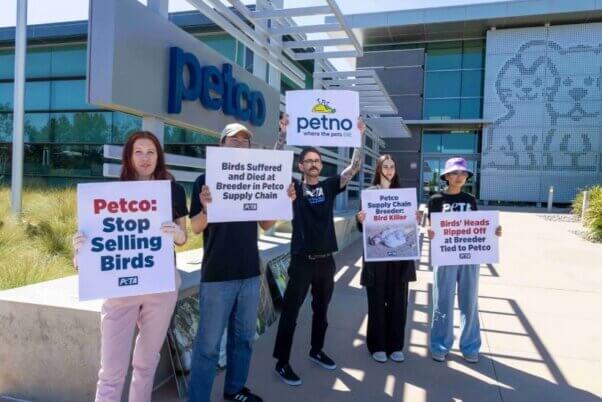
One week later, the focus shifted to Petco’s corporate backyard in San Diego. More than 30 activists gathered outside a local retail branch, distributing literature and engaging with the public. Following the sidewalk demonstration, a subset of the group attempted to present the investigative footage directly to Petco executives at the company’s corporate headquarters. Reports indicate that corporate staff refused to view the evidence and requested the activists leave the premises. In response, the protesters staged a secondary demonstration immediately outside the headquarters’ glass-fronted lobby, ensuring the footage and messaging remained visible to employees throughout the workday.
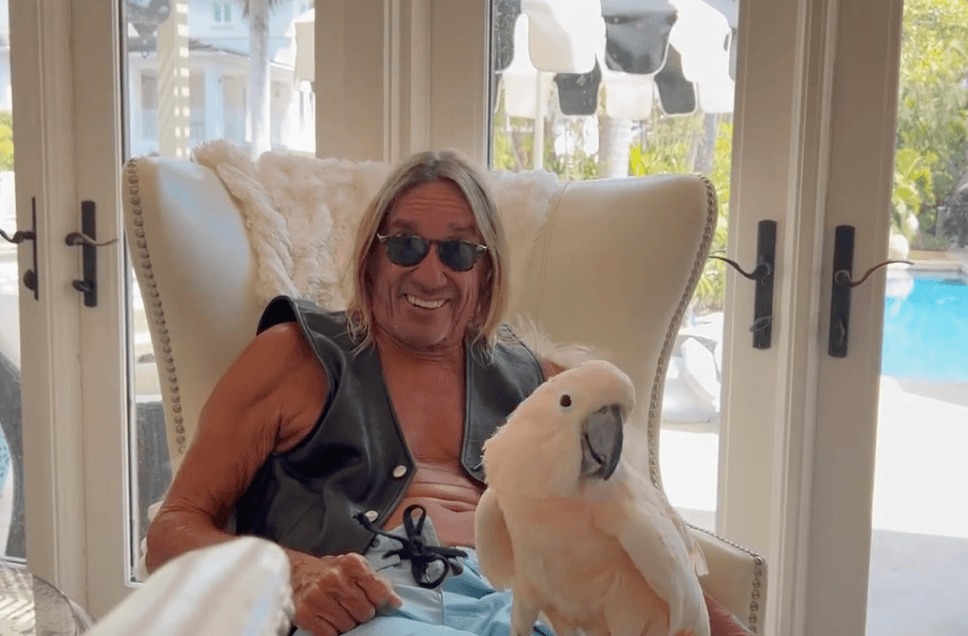
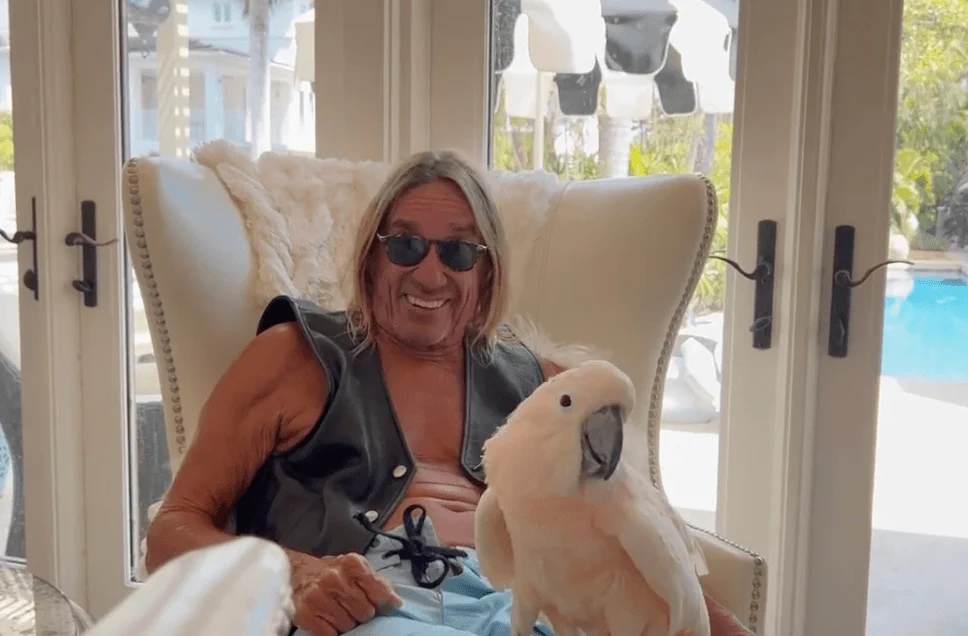
The month of action culminated on June 30, 2026, during Petco’s annual shareholder meeting. The event featured a high-profile intervention by rock musician and animal rights advocate Iggy Pop. As a guardian of a cockatoo, Biggy Pop, the musician used his platform as a shareholder to address the board of directors directly. He questioned the company’s ethics regarding the parakeet supply chain and asked when the retailer would officially end the sale of all birds. Simultaneously, outside the meeting, supporters screened the undercover footage on mobile displays and held signs detailing the specific violations uncovered at the breeding facility.
Supporting Data and the Animal Welfare Act
The Animal Welfare Act (AWA), signed into law in 1966 and regulated by the United States Department of Agriculture (USDA), sets minimum standards of care for animals in breeding, research, and exhibition facilities. The citations issued following the PETA investigation represent a significant breach of these federal standards.
The data points provided by the investigation offer a stark look at the scale of the operation:
- Population Density: Approximately 10,000 birds were housed at the Creekside facility during the investigation.
- Mortality Rate: 1,385 birds were found dead over a period of 27 days, averaging more than 50 deaths per day.
- Veterinary Neglect: The report alleges that sick and injured birds were left for weeks without professional medical intervention, leading to prolonged suffering.
- Sanitation: Observations included "filthy cages" that failed to meet basic hygiene requirements for avian health, which is particularly critical given the susceptibility of parakeets to respiratory infections.
Experts in avian biology note that parakeets, or budgerigars, are highly social and intelligent parrots native to Australia. In their natural habitat, they travel in large flocks, flying several miles daily and engaging in complex social behaviors such as preening and pair-bonding. The transition from these expansive environments to high-density breeding "mills" is known to cause severe psychological distress, which often manifests in physical ailments or redirected aggression.
Official Responses and Corporate Policy
While Petco has not issued a comprehensive public rebuttal to the specific incidents documented at Creekside Birds as of late June, the company’s history with animal sales provides context for the current conflict. Petco has previously made concessions regarding the sale of large avian species. Following previous discussions with PETA, the retailer ended the sale of Amazon parrots, cockatoos, and macaws. These larger birds require specialized care and have lifespans that can exceed 50 years, making them difficult to manage in a traditional retail setting.
However, the company has continued the sale of smaller birds, such as parakeets and finches, which remain a staple of their "live animal" inventory. The refusal of executives to view the investigative footage during the San Diego headquarters confrontation suggests a defensive corporate posture. Historically, big-box pet retailers have argued that their supply chains are subject to regular audits; however, activists argue that these audits are often scheduled and fail to capture the daily reality of the animals’ lives.
In the broader retail landscape, Petco’s primary competitor, PetSmart, has faced similar criticisms and investigations. The industry is currently at a crossroads as consumer sentiment shifts toward "adoption-only" models. Many independent pet stores and some regional chains have already transitioned away from selling live animals, focusing instead on high-margin supplies and services while partnering with local rescues to facilitate adoptions.
Broader Impact and Implications for the Pet Trade
The investigation into Creekside Birds and the subsequent protests reflect a growing movement to regulate or ban the sale of live animals in retail environments. Several states and municipalities have already enacted legislation banning the sale of dogs, cats, and rabbits in pet stores to combat "puppy mills." Avian advocates are now pushing for similar protections for birds, citing the same "mill" conditions in the supply chain.
The implications for Petco are multifaceted. Beyond the immediate PR challenge, the company faces potential legal and regulatory hurdles if the USDA pursues formal enforcement actions based on the thousands of AWA violations cited. From a business perspective, the continued association with animal cruelty allegations risks alienating a demographic of pet owners who are increasingly concerned with ethical sourcing.
Furthermore, the involvement of high-profile figures like Iggy Pop amplifies the reach of the campaign, moving the issue from niche animal rights circles into the mainstream cultural conversation. This increased visibility puts pressure on institutional investors to consider the ESG (Environmental, Social, and Governance) risks associated with the company’s current business model.
As the campaign enters the second half of 2026, the focus remains on whether Petco will follow the precedent it set with larger parrots and exit the bird-selling business entirely. The "Petno" spoof branding used by protesters—featuring the tagline "Where the pets die"—serves as a direct challenge to the company’s "Petco: Where the pets go" slogan, highlighting the deep divide between the company’s marketing and the allegations brought forth by the investigation.
The documented suffering at Creekside Birds serves as a case study for the systemic issues inherent in mass-market animal production. As long as there is a retail demand for inexpensive, mass-produced pets, the pressure on breeders to prioritize volume over welfare remains high. The resolution of this conflict will likely set a significant precedent for the future of the avian pet trade in the United States, potentially leading to a retail landscape where live animal sales are replaced by more humane, adoption-focused alternatives.

