


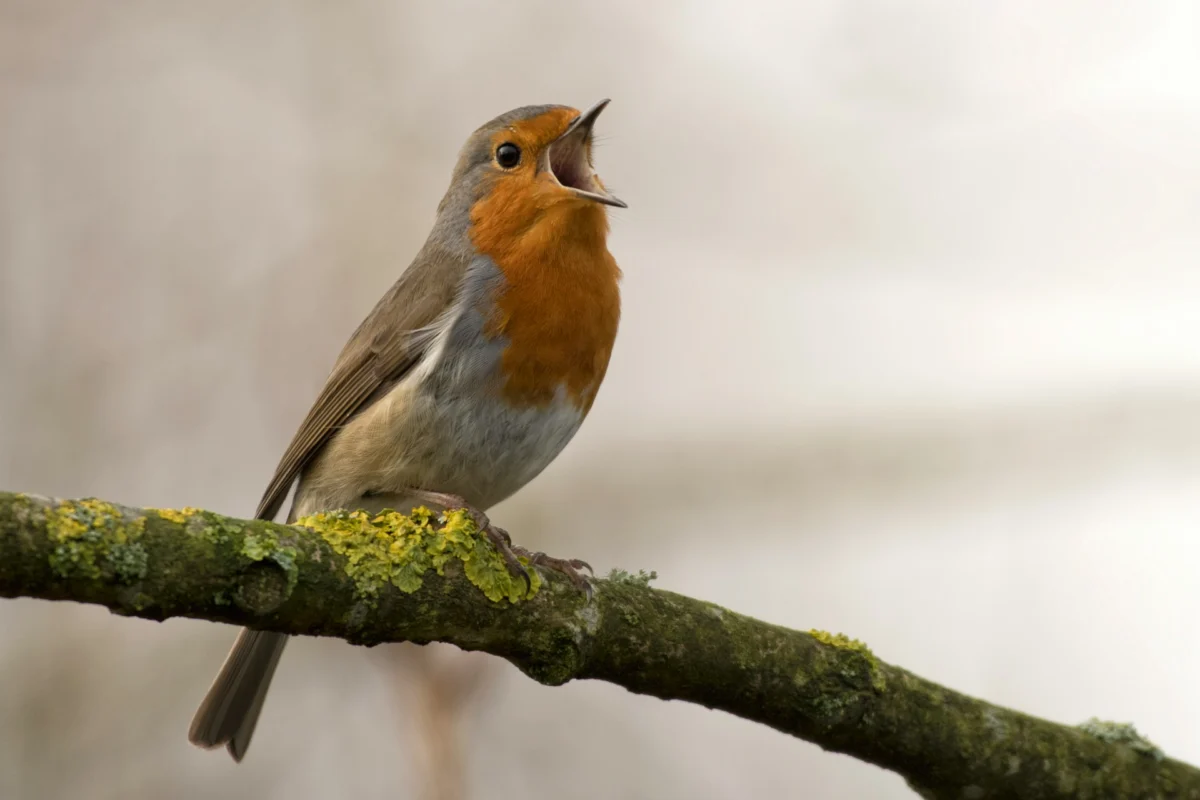
The world of ornithology is a vast and fascinating realm, teeming with an astonishing diversity of avian life. Among the myriad of feathered creatures that grace our planet, a specific characteristic can spark curiosity and lead to a deeper exploration: birds that exhibit a combination of brown plumage and an orange chest. This article embarks on a global quest to identify ten such species, delving into the biological reasons behind their coloration, the scientific mechanisms of feather pigmentation, and the unique characteristics of each bird. While the initial focus might be on familiar species, the journey quickly reveals the necessity of looking beyond national borders to truly appreciate the scope of avian biodiversity.
The Science Behind Bird Plumage: Coloration and Its Purpose
The vibrant and varied colors of bird feathers are not merely for aesthetic appeal; they serve crucial evolutionary functions. Ornithologists generally identify two primary drivers for the development of colored plumage: camouflage and sexual selection.
Camouflage: For many species, particularly females, muted coloration is a vital survival tool. Browns, grays, and subtle patterns help birds blend seamlessly into their surroundings, providing essential protection from predators. This is especially critical during the nesting season when females are incubating eggs or tending to young chicks, making themselves less conspicuous to potential threats. The need for concealment often dictates less flamboyant displays, prioritizing survival over ostentatious beauty.
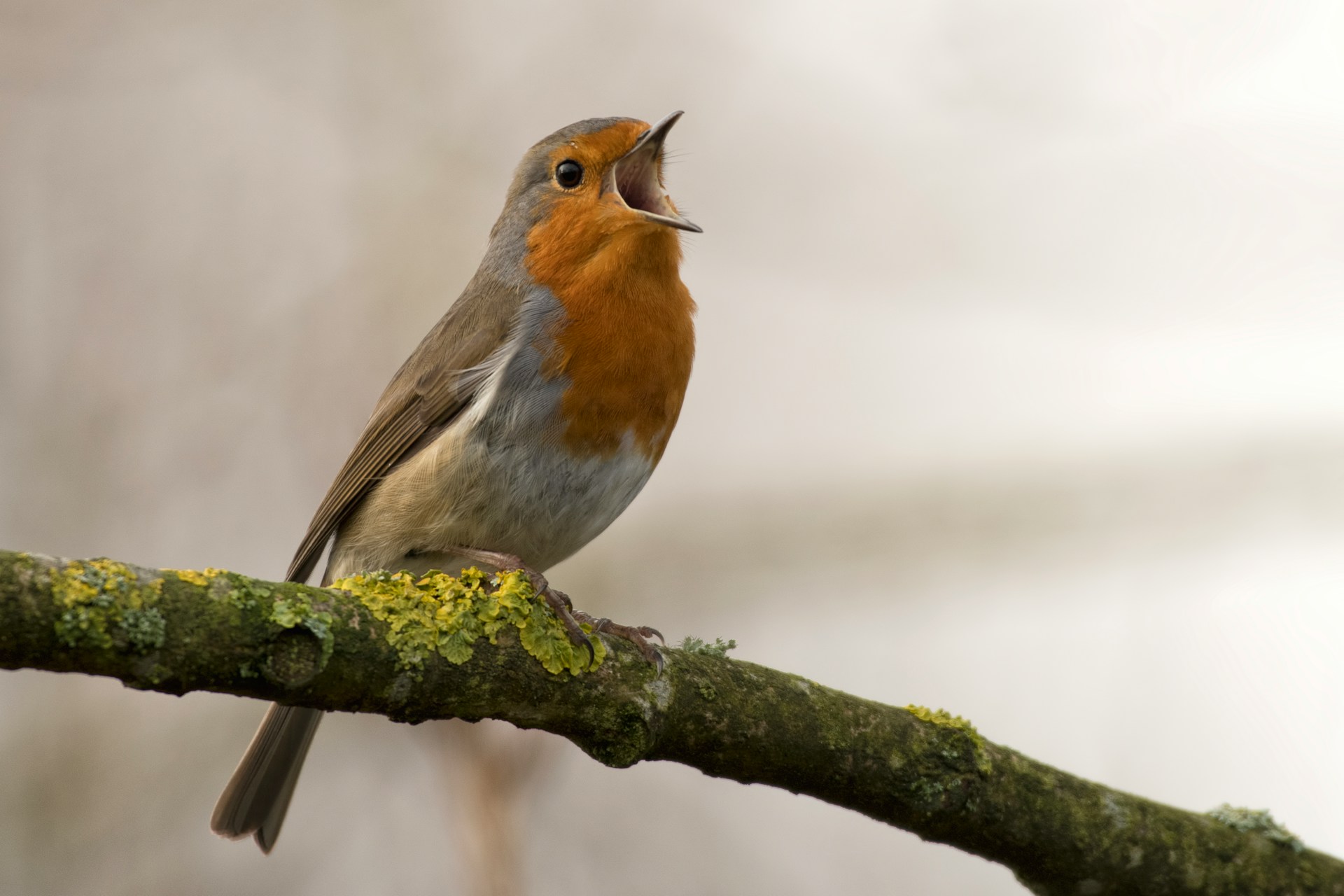
Sexual Selection: In contrast, male birds often display brilliant and striking colors. These vibrant hues are a key component in attracting mates. A male bird’s coloration can signal his health, genetic fitness, and overall suitability as a partner. These elaborate displays are a testament to the power of sexual selection, where traits that enhance reproductive success become more prevalent over generations. The brighter and more impressive the display, the more likely he is to attract a mate and pass on his genes.
The Chemistry of Color: Pigments and Light Scattering
The coloration of feathers is a result of complex biological and physical processes. Two main types of pigments are responsible for the majority of feather colors: melanin and carotenoids.
Melanin: This is a naturally occurring pigment found within a bird’s body. Melanin is responsible for producing a spectrum of colors ranging from deep blacks and rich browns to subtle grays. Its presence is innate, meaning birds do not need to acquire it through their diet. The concentration and type of melanin determine the specific shade and intensity of these colors.
Carotenoids: These pigments, unlike melanin, are not produced by the bird’s own biology. Instead, carotenoids must be ingested through the bird’s diet. They are derived from plants and are responsible for producing a wide array of bright colors, including reds, oranges, yellows, and even some purples. The intensity of the carotenoid color can be influenced by the bird’s diet and its ability to metabolize these compounds.
The Illusion of Blue: Interestingly, there are no pigments that produce blue coloration in feathers. Blue hues are a result of structural coloration, a phenomenon where light interacts with the microscopic structure of the feather. When light strikes these structures, certain wavelengths are scattered, while others are absorbed, creating the visual perception of blue. This optical illusion is a fascinating example of physics at play in the natural world.
Given the focus on brown birds with orange chests, it is likely that many of the species we will encounter will be utilizing melanin for their brown coloration and carotenoids for their orange breast markings. This combination often results in the more subdued, yet striking, appearance characteristic of many avian species.
A Global Compendium: Ten Brown Birds with Orange Chests
The initial thought might lead one to consider common species within North America. However, expanding the search globally reveals a richer tapestry of avian life. Here, we present a selection of birds that fit the criteria, showcasing their unique attributes and geographical distribution.
1. American Robin ( Turdus migratorius )
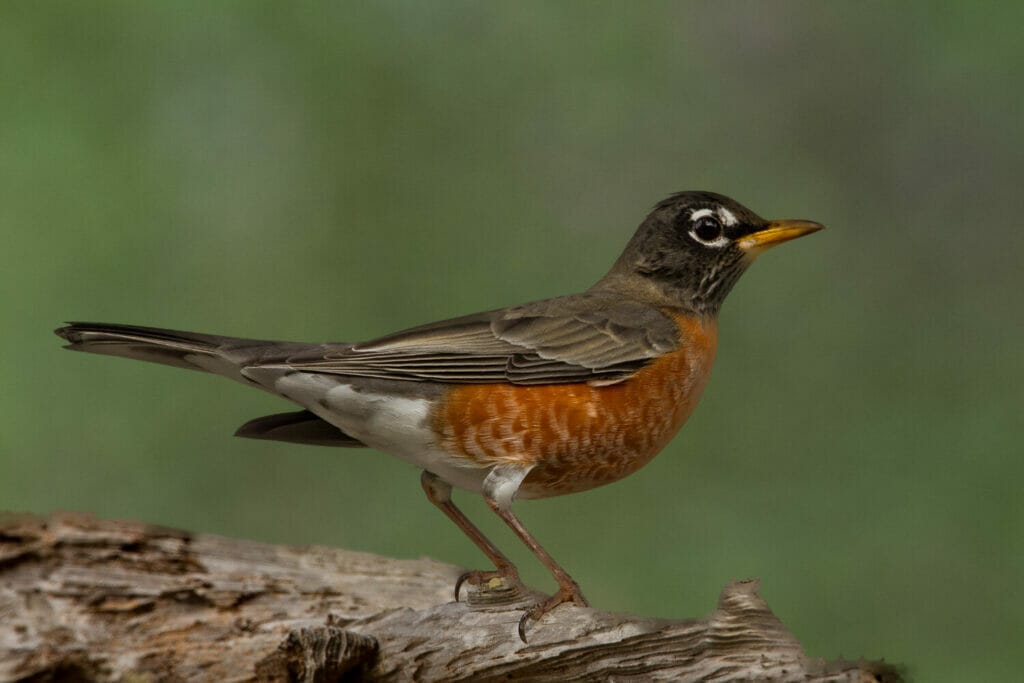
The American Robin is perhaps the most familiar bird in North America exhibiting the sought-after coloration. This thrush, known for its cheerful song, is a common sight in gardens, parks, and open fields across the continent.
Identification and Size: Adult American Robins possess a distinctive gray-brown back and a prominent, dark orangey-red breast that can appear quite vibrant. Females tend to have slightly more muted coloration compared to males. They are medium-sized songbirds, typically measuring between 7.9 and 11.0 inches in length with a wingspan of 12.2 to 15.8 inches, and weighing around 2.7 to 3.0 ounces.
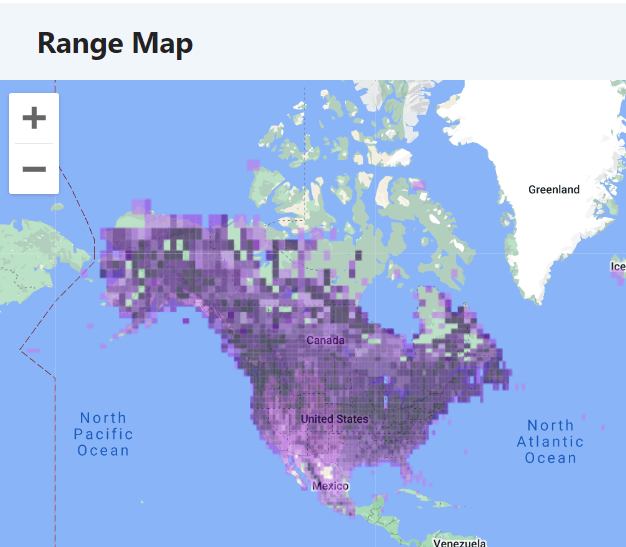
Distribution: The American Robin boasts an extensive range, spanning across continental North America, from the northern reaches of Canada and Alaska down through Mexico. Its adaptability allows it to thrive in a variety of habitats, including urban and suburban environments.
Diet: Primarily insectivorous, American Robins are often observed foraging for earthworms and insects on lawns and in grassy areas. They also supplement their diet with fruits, especially during winter months.
Interesting Fact: Often associated with the arrival of spring, American Robins are not long-distance migrants in the traditional sense. During winter, they may move to areas where winter berries are abundant, explaining their reduced visibility in gardens during colder periods.

2. European Robin ( Erithacus rubecula )
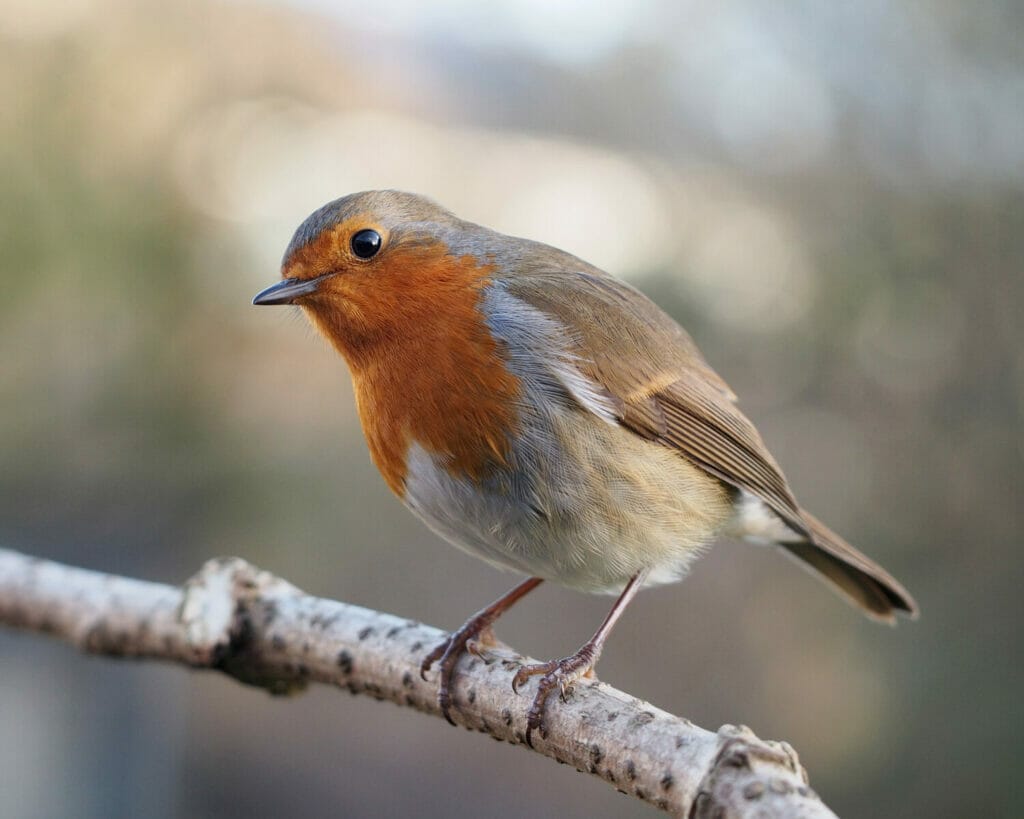
A beloved bird in European culture, the European Robin is renowned for its bright orange-red breast, which extends to its face.
Identification and Size: This small, plump bird features brown upperparts and the iconic fiery orange-red breast. The orange coloration often fades into a paler gray on the underparts. The European Robin measures approximately 5.5 inches in length and weighs between 0.49 and 0.88 ounces.
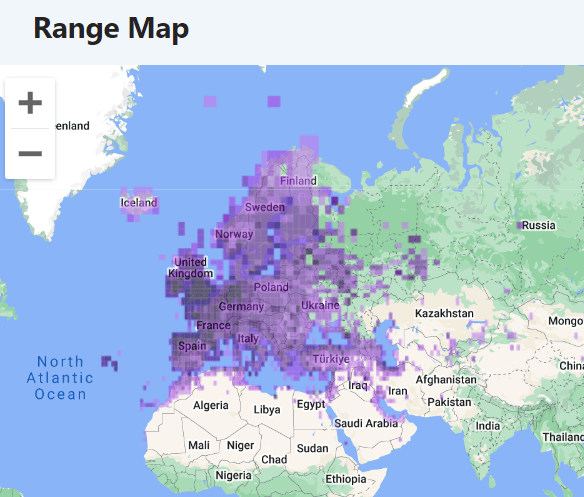
Distribution: The European Robin is a common resident throughout Europe, extending its range into northern Africa and the Middle East. It is a familiar sight in woodlands, hedgerows, and gardens.
Diet: Its diet is varied, encompassing small vertebrates, invertebrates, fruits, and seeds.
Interesting Fact: The European Robin possesses a diverse repertoire of calls and songs, which can change throughout the year. These vocalizations can include warbling, ticking, peeping, and even mimicry.
3. Zebra Waxbill ( Amandava subflava )
This diminutive bird from Africa offers a striking example of intense orange coloration against a brown backdrop.
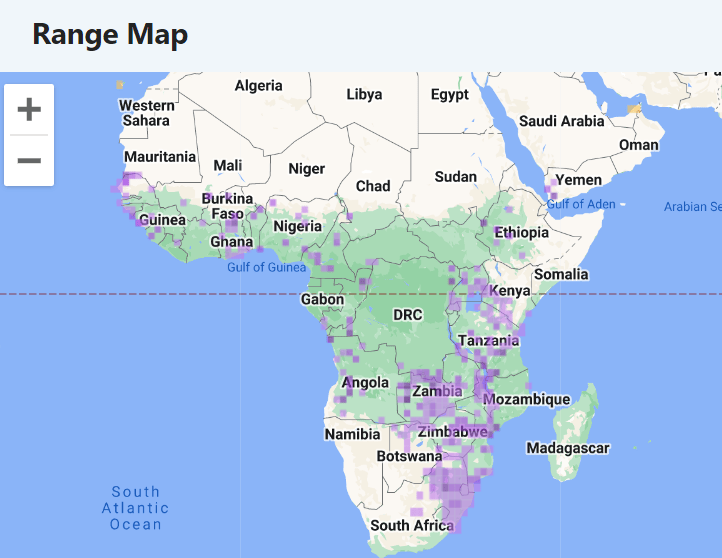
Identification and Size: The Zebra Waxbill, also known as the Orange-breasted Waxbill, is characterized by a vivid orange breast that contrasts with its olive-brown back and a bright red rump. These tiny birds measure around 3.5 inches in length and weigh a mere 0.18 to 0.38 ounces.
Distribution: This species is found in southwestern and northeastern Africa, inhabiting grasslands and scrubland.
Diet: Primarily a seed-eater, the Zebra Waxbill will also consume insects, particularly during its breeding season.
Interesting Fact: Courtship rituals in Zebra Waxbills are notably formal, involving elaborate bowing and neck-preening behaviors to establish pair bonds.
4. Sharp-shinned Hawk ( Accipiter striatus )
While hawks are birds of prey, some species exhibit brown plumage with a rufous or orangey breast, particularly juveniles. The Sharp-shinned Hawk is one such example.
Identification and Size: This small, agile hawk has a streaky orange or rufous breast that transitions to a paler belly. The back ranges from brown in younger birds to a darker brown in adults. Sharp-shinned Hawks are relatively small raptors, measuring between 9.4 and 13.4 inches in length with a wingspan of 16.9 to 22.1 inches, and weighing between 3.1 and 7.7 ounces.
Distribution: This hawk is resident across much of the United States and into Canada and Alaska. Its range extends south into Central America and parts of South America.
Diet: A swift predator, the Sharp-shinned Hawk primarily hunts other small birds, often in wooded areas but also from backyard feeders.
Interesting Fact: The species derives its name from its legs, which are entirely featherless down to the toes, a feature that aids in grasping prey.
5. Orange-breasted Trogon ( Harpactes oreskios )
Found in the tropical forests of Southeast Asia, this trogon species presents a beautiful blend of orange and brown.

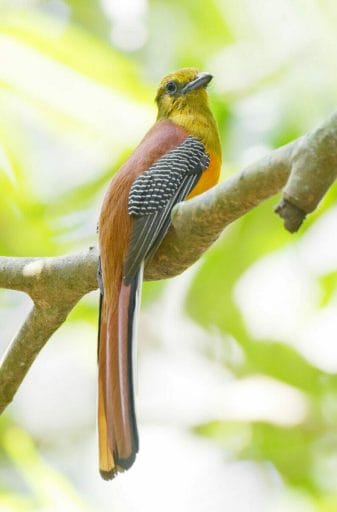
Identification and Size: Both sexes of the Orange-breasted Trogon are similar, featuring a bright orange breast bordered by a paler yellow. Their backs are a cinnamon brown, with black and white barring on the wings. The neck and head are a muted olive-yellow. They are medium-sized birds, measuring from 9.8 to 12.2 inches in length and weighing between 1.7 and 2.0 ounces.
Distribution: This trogon inhabits low-level forests across Southeast Asia.
Diet: Their diet consists of a wide variety of insects and plant matter, gathered from the ground and the forest canopy.
Interesting Fact: The Orange-breasted Trogon employs a "sally-stall" hunting technique. It pursues insects from leaf to branch, then momentarily stalls in front of its prey to startle it before pouncing.

6. Russet-bellied Spinetail ( Synallaxis zimmeri )
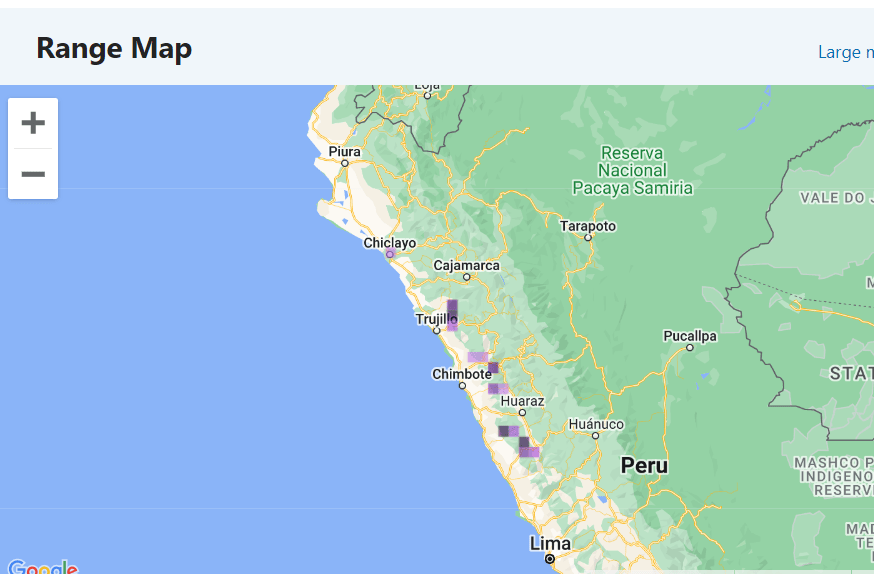
This critically endangered species from Peru is a rare gem, characterized by its russet-orange underparts.
Identification: Endemic to Peru, this spinetail is exceptionally rare. Its russet-orange breast extends down to its belly and tail, contrasting with its gray-brown upperparts. It measures between 6.5 and 6.7 inches in length and weighs approximately 0.42 to 0.49 ounces.
Distribution: The Russet-bellied Spinetail is found in western Peru, inhabiting the Andes mountain range.
Diet: This spinetail is omnivorous, feeding primarily on flying insects and spiders.
Interesting Fact: The endangered status of the Russet-bellied Spinetail is largely attributed to habitat loss and the lack of suitable corridors for range expansion, making conservation efforts crucial for its survival.
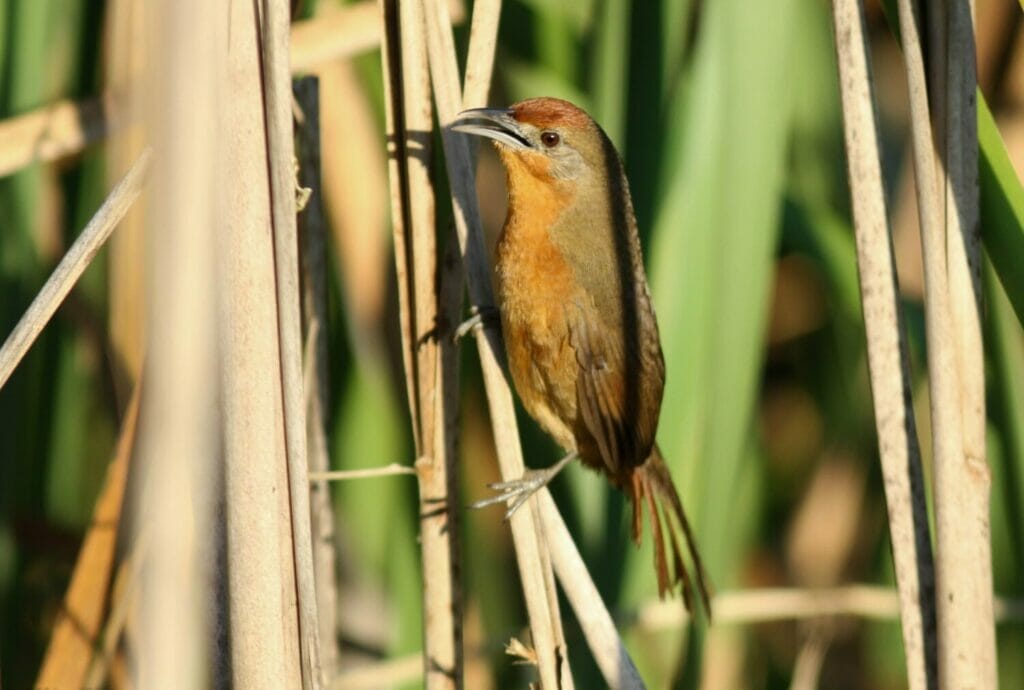
7. Orange-breasted Thornbird ( Phacellodomus ferrugineigula )
A visually appealing bird from South America, the Orange-breasted Thornbird showcases warm brown tones with a muted orange breast.
Identification: This thornbird is predominantly brown, with warm tones that fade into a muted orange on its breast. It measures between 7 and 7.2 inches in length and weighs between 0.84 and 0.88 ounces.
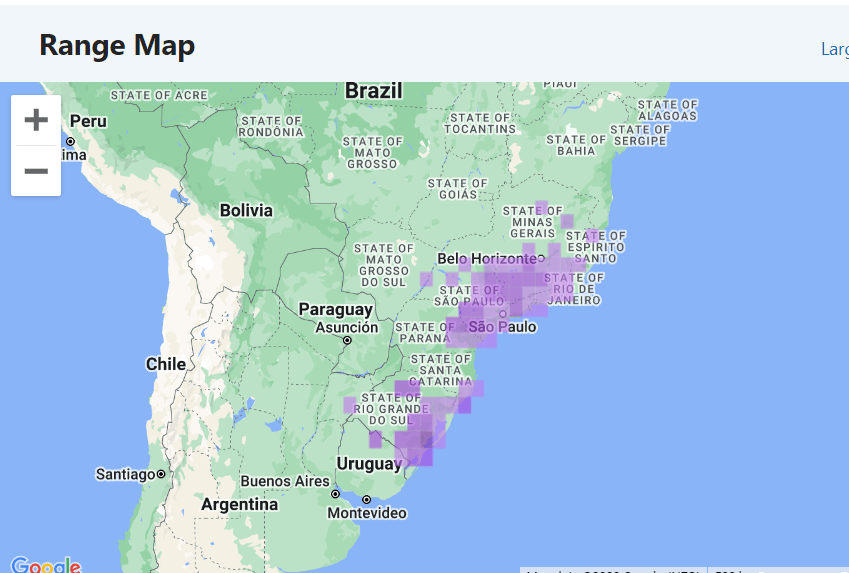
Distribution: This species inhabits wetland and marsh habitats in eastern South America.

Diet: While research is limited, it is believed to feed primarily on arthropods.
Interesting Fact: The limited information available on this elusive thornbird highlights the ongoing need for ornithological research in its specific habitat. Its name appears in numerous languages, underscoring the global interest in avian nomenclature.
8. European Stonechat ( Saxicola rubicola )
The female European Stonechat offers a classic example of the brown plumage with an orange chest combination.
Identification and Size: The female European Stonechat is predominantly brown with a pale buff belly that transitions into an orange chest. These small birds measure around 5 inches in length and weigh between 0.5 and 0.6 ounces.

Distribution: This species is widespread throughout Europe and extends into North Africa and the Middle East.
Diet: Primarily insectivorous, they consume insects and their larvae, with occasional additions of seeds or fruit.
Interesting Fact: The European Stonechat earns its name from its distinctive call, which resembles the sound of stones clicking together.
9. Brambling ( Fringilla montifringilla )
This attractive finch from Europe and Asia exhibits striking orange coloration during its non-breeding season.
Identification and Size: Out of the breeding season, Bramblings display an orange breast, a white rump, and intricate brown, black, and white patterns on their wings. They measure between 5.3 and 6.2 inches in length and weigh between 0.6 and 1 ounce.
Distribution: The Brambling is widespread across Western Europe and Asia, with its range extending to Japan.
Diet: Their diet consists mainly of fruits and seeds, with opportunistic consumption of insects.
Interesting Fact: Bramblings are migratory, and at times, enormous flocks numbering in the millions can be observed in Europe, a truly breathtaking spectacle of avian aggregation.
10. Rufous-collared Sparrow ( Zonotrichia capensis )
While often overlooked in discussions of this color combination, the Rufous-collared Sparrow, particularly the male, can display a warm rufous-orange wash on its throat and upper breast, often appearing as a distinct "collar" against its otherwise brownish plumage.
Identification and Size: The Rufous-collared Sparrow has a distinctive rufous or orange-brown collar around its neck and upper breast, which can extend onto its throat. Its head is marked with black and white stripes, and its back and wings are predominantly brown. They are medium-sized sparrows, typically measuring around 6 to 6.5 inches in length and weighing between 0.7 and 1.2 ounces.
Distribution: This sparrow is one of the most widespread and adaptable birds in South America, found from Mexico all the way down to Tierra del Fuego. They inhabit a wide range of environments, from grasslands and open woodlands to agricultural areas and urban parks.
Diet: Their diet is varied, consisting of seeds, grains, insects, and other invertebrates. They are often seen foraging on the ground.
Interesting Fact: The Rufous-collared Sparrow is known for its diverse vocalizations, with different regional dialects of its song. This adaptability in song is thought to play a role in territorial defense and mate attraction.
Conclusion: A Colorful World of Brown and Orange
The endeavor to find ten brown birds with orange chests has revealed a fascinating array of species across diverse continents and habitats. While the initial goal might have seemed simple, it underscored the vastness and beauty of avian diversity. From the familiar American Robin to the rare Russet-bellied Spinetail, each bird offers a unique glimpse into the evolutionary strategies that shape the natural world. The prevalence of these color combinations often points to the interplay between camouflage needs and mating displays, further demonstrating the intricate balance of survival and reproduction in the avian kingdom. Although the exact count of strictly brown birds with orange chests may vary depending on precise definitions and regional variations, this exploration has highlighted the remarkable presence of this color palette in the feathered world.

