


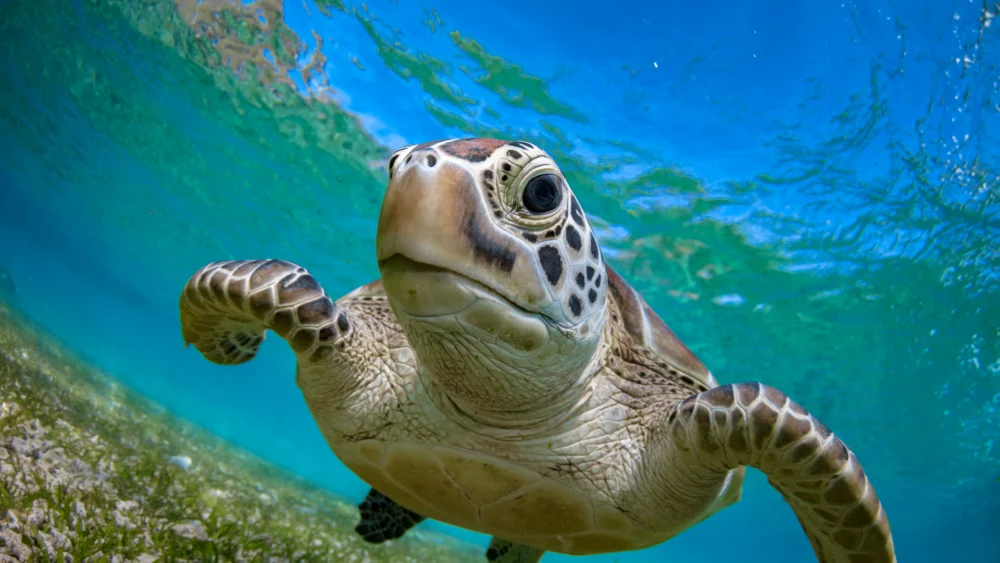
The Wildlife Disease Association, in partnership with LafeberVet, has announced an upcoming live webinar titled Sea Turtle Medicine, scheduled for September 16, 2026, at 2 p.m. EDT. The session will be led by Dr. Heather Barron, a distinguished veterinarian and the current Chief Science Officer at the Loggerhead Marinelife Center in Juno, Florida. As global sea turtle populations face intensifying anthropogenic pressures, this educational event aims to standardize clinical approaches to the rehabilitation of these endangered and threatened marine reptiles. The webinar is approved for one hour of continuing education credit by the American Association of Veterinary State Boards (AAVSB) Registry of Approved Continuing Education (RACE).
The Current State of Sea Turtle Conservation
There are seven recognized species of sea turtles, all of which face significant threats including habitat degradation, plastic ingestion, boat strikes, and entanglement in discarded fishing gear. Many of these species are listed as threatened or endangered under the U.S. Endangered Species Act, creating a complex regulatory landscape for veterinarians. Practitioners are frequently required to navigate both state and federal oversight to obtain the necessary licensure for handling and treating these animals.
The necessity for specialized training in this field is underscored by the high volume of "washback" cases—post-hatchling turtles found stranded due to environmental factors—and the prevalence of fibropapillomatosis (FP), a debilitating disease caused by the chelonid herpesvirus (ChHV5). Studies indicate that the prevalence of FP in juvenile green sea turtles can reach as high as 92% in certain near-shore populations, making it a primary focus for rehabilitation centers worldwide.
Clinical Anatomy and Diagnostic Challenges
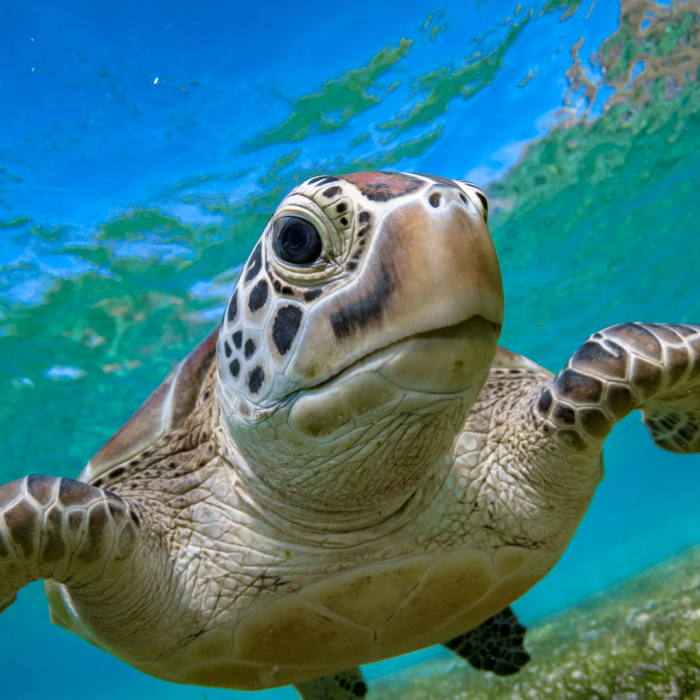
Effective sea turtle medicine requires a departure from traditional terrestrial veterinary practices. Understanding the unique anatomy of the chelonian shell is paramount. The shell consists of a dorsal carapace and a ventral plastron, connected by a bridge. Beneath the keratinized scutes lies a complex structure of approximately 60 dermal bones derived from the vertebrae and the pectoral and pelvic girdles.
Diagnostic protocols for sea turtles must be executed with extreme care to minimize stress, which can exacerbate existing conditions. Dr. Barron emphasizes that a complete physical examination is the most critical diagnostic tool. Clinical standards now suggest that a minimum database should include diagnostic imaging—such as radiographs, ultrasound, or computed tomography—alongside a complete blood count and chemistry profile. A notable technical nuance in sea turtle hematology is the selection of anticoagulants; while EDTA is standard in many mammalian species, it is contraindicated for sea turtles due to its tendency to cause red blood cell lysis. Lithium heparin is the preferred alternative for blood collection via the external jugular vein.
Evidence-Based Critical Care and Therapeutics
The rehabilitation of a stranded sea turtle is a delicate process that often requires a multi-day stabilization period. According to current veterinary protocols, patients presenting with hypothermia or dehydration must be carefully rehydrated and gradually warmed to their preferred body temperature before any nutritional support or pharmacological intervention is initiated. Rapid warming can lead to physiological shock, and the administration of drugs during a hypometabolic state can result in toxic accumulation.
Fluid therapy strategies have evolved to rely heavily on empirical data gathered via iSTAT portable blood analyzers. When patients are stable, fluid support can be provided orally; however, in critical cases, intravenous or intraosseous routes are employed. The use of indwelling catheters remains rare, requiring clinicians to be highly skilled in alternative administration techniques, including epicoelomic or intracoelomic delivery.
Nutritional support is another critical pillar of recovery. When turtles do not resume voluntary feeding within a week of admission, clinicians must resort to gavage feeding or the placement of indwelling esophagostomy tubes. Practitioners are cautioned against the rapid introduction of high-calorie diets to previously fasting animals to avoid refeeding syndrome, a metabolic complication characterized by severe electrolyte imbalances, including hypokalemia and hypophosphatemia.
Advanced Anesthesia and Pain Management
Managing pain in reptiles presents unique challenges, as the efficacy of standard analgesics varies significantly by species. Research has indicated that while meloxicam is effective for Kemp’s ridley sea turtles, it shows poor pharmacokinetic utility in loggerheads, where ketoprofen is often the preferred choice. For neurogenic pain, such as that associated with post-amputation recovery, clinicians are increasingly utilizing gabapentinoids like pregabalin or gabapentin.
Anesthesia protocols for surgical procedures, such as the removal of fibropapilloma tumors, have moved toward multimodal sedation. A typical regimen involves premedication with atropine followed by a combination of dexmedetomidine, hydromorphone, and midazolam. The reversal process is equally critical, utilizing specific antagonists like atipamezole and naloxone to ensure a safe transition back to aquatic environments.
The Role of Professional Collaboration
The upcoming webinar is expected to attract a global audience of veterinarians, veterinary technicians, and wildlife rehabilitators. By centralizing knowledge on advanced topics like blood-patch pleurodesis for chronic lung tears, management of buoyancy disorders, and the use of total parenteral nutrition (TPN) in reptiles, the Wildlife Disease Association hopes to elevate the standard of care across international rehabilitation networks.

Dr. Heather Barron, who has over three decades of experience in the field, including tenure at the Clinic for the Rehabilitation of Wildlife and St. Matthew’s University School of Veterinary Medicine, represents a shift toward evidence-based wildlife medicine. Her work bridges the gap between field biology and clinical veterinary science, offering practitioners a roadmap for treating complex cases that were once considered terminal.
Implications for the Future of Marine Rehabilitation
The emphasis on "standardizing" care is particularly relevant in the context of climate change, which has altered sea turtle migration patterns and increased the frequency of cold-stunning events. As more practitioners enter the field, the ability to rely on documented, peer-reviewed protocols becomes essential for institutional accreditation and the overall survival rates of rehabilitated wildlife.
Furthermore, the webinar addresses the critical intersection of anthropogenic impact and biological resilience. By analyzing the long-term prognosis of turtles affected by plastic ingestion and boat trauma, the veterinary community can better advocate for policy changes that reduce these hazards at the source. The integration of surgical, nutritional, and pharmacological advancements discussed in the presentation serves as a testament to the evolving capacity of human intervention to support, rather than merely observe, the health of marine ecosystems.
Webinar Participation and Logistics
The live event on September 16, 2026, will feature a Q&A session, allowing participants to engage directly with Dr. Barron. For those unable to attend the live broadcast, a recorded version of the webinar will be archived on the LafeberVet website for future reference. This accessibility is designed to ensure that remote clinics and researchers in developing regions can access high-level clinical guidance, fostering a more collaborative and informed global response to the ongoing challenges in sea turtle medicine.
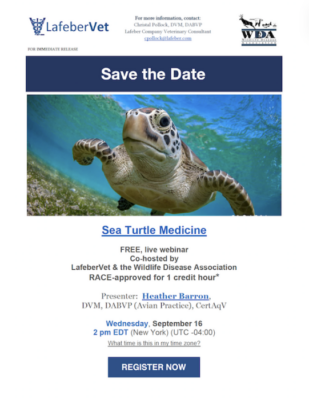
Registration for the event is currently open, and prospective attendees are encouraged to review the provided educational materials, including the preliminary abstract and relevant literature, to prepare for the discussion. Through this initiative, the Wildlife Disease Association continues its mission to provide the veterinary community with the tools necessary to protect the biodiversity of our oceans, one patient at a time.

