


The landscape of modern veterinary medicine is undergoing a profound transformation, characterized by an increasing emphasis on specialized care for avian, exotic, and wildlife species. Over the past two decades, a robust network of academic institutions, professional associations, and industry leaders—most notably the Lafeber Company—has fostered a collaborative environment aimed at bridging the gap between general practice and specialized zoological medicine. Through a continuous stream of symposiums, wet labs, distance-learning initiatives, and clinical workshops, veterinary students across North America are gaining access to the nuanced expertise required to treat non-traditional species, a sector of the profession that has historically been underserved in standard curricula.
This educational movement has been defined by a commitment to knowledge sharing. From the earliest recorded collaborations in 2007 to the latest virtual presentations in the spring of 2026, the objective has remained consistent: to provide the next generation of veterinarians with the diagnostic tools, surgical techniques, and ethical frameworks necessary to manage the health of exotic companions and wildlife.
A Chronological Evolution of Academic Engagement
The trajectory of this educational outreach reflects the broader shifts in veterinary technology and accessibility. In the late 2000s and early 2010s, engagement was primarily localized, relying on in-person guest lectures and hands-on laboratory sessions. Notable events from this era, such as the 2008 seminars at the University of Tennessee featuring the American Eagle Foundation or the 2010 presentations at the University of Illinois by nutritionists like Dr. Ellen Dierenfeld, established the foundational importance of interdisciplinary cooperation between nutritionists, field biologists, and clinical practitioners.
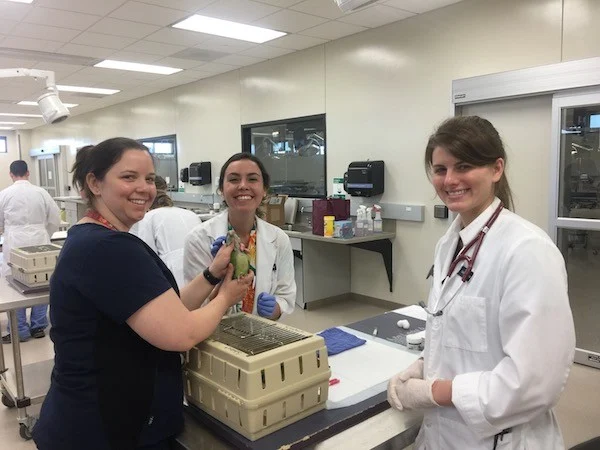
By the mid-2010s, the emergence of more sophisticated wet labs—such as the 2016 Texas A&M University avian emergency techniques lab led by Dr. Sharman Hoppes—demonstrated a pivot toward high-acuity skill acquisition. These labs allowed students to move beyond theoretical knowledge, engaging with the complexities of avian reproductive surgery, fish anesthesia, and wildlife rehabilitation protocols.
The most significant turning point in this timeline arrived in 2020, necessitated by global travel restrictions. The transition to distance-learning formats proved to be a catalyst for growth rather than a hindrance. Utilizing platforms that allowed for the remote delivery of highly technical content, organizations were able to connect students at Kansas State, Purdue, and the Atlantic Veterinary College with global experts. For instance, Dr. Deborah Monks’ 2020 presentation on avian emergency resuscitation for the Kansas State Exotics Club was a hallmark of this transition, proving that the complexities of exotic medicine could be effectively taught across digital interfaces.
Key Themes in Exotic Animal Clinical Education
A systematic review of the educational events hosted over the last two decades reveals three primary pillars of instruction: nutrition, behavior, and emergency/critical care.
The Role of Nutrition in Preventative Health
Nutrition has consistently been the most requested and presented topic, reflecting its role as the cornerstone of exotic pet health. Experts such as Kara Burns, MS, MEd, LVT, have been instrumental in this space, providing recurring lectures on Avian Nutrition Fundamentals at institutions ranging from the University of Florida to Purdue University. These presentations emphasize that many of the medical conditions seen in companion birds and small mammals are direct consequences of nutritional deficiencies or metabolic imbalances. The scientific consensus, shared across these forums, suggests that clinical outcomes in exotic patients are drastically improved when owners and veterinarians prioritize evidence-based dietary management.
Behavioral Medicine and Welfare
The integration of behavioral science into veterinary practice has also seen a marked increase. The work of pioneers like Dr. Irene Pepperberg and organizations such as Phoenix Landing has been central to shifting the clinical perspective from viewing behavior solely as a nuisance to understanding it as a diagnostic indicator. Symposiums held at North Carolina State University and the University of California, Davis, have focused on the cognitive capabilities of parrots, arguing that psychological health is inextricably linked to physiological well-being. This shift has significant implications for how veterinarians approach "feather destructive behavior" or aggressive traits in exotic species.
Emergency and Critical Care
Advanced diagnostics and trauma management remain the most challenging aspects of exotic medicine. Sessions focusing on rabbit GI stasis, avian orthopedics, and aquatic animal ophthalmology have provided students with the confidence to handle high-stakes cases. The co-sponsorship of these events by the Association of Avian Veterinarians (AAV) and the Veterinary Emergency and Critical Care Society (VECCS) highlights the professionalization of this field. It is no longer enough for a veterinarian to be a generalist; there is a clear industry expectation for "special species" fluency.
Industry and Academic Synergy
The role of private industry in supporting these academic initiatives cannot be overstated. By sponsoring symposia, providing funding for student attendance at wellness retreats, and facilitating access to experts, the Lafeber Company and other stakeholders have acted as a bridge between the academic ivory tower and the realities of clinical practice.
This synergy has yielded tangible results. For example, the "Bunny Bonanza" week and symposiums at the University of Illinois have grown into major annual events, fostering community engagement while simultaneously serving as high-level educational platforms. Similarly, the gold-level sponsorship of the Special Species Symposiums at Cornell and the University of Pennsylvania has ensured that students have the resources to host keynote speakers who are at the cutting edge of zoological medicine research.
Implications for the Future of Veterinary Medicine
The cumulative effect of these decades of educational investment is the creation of a more prepared and specialized workforce. The modern veterinary graduate is entering a market where the public’s demand for specialized care for "non-traditional" pets—rabbits, parrots, reptiles, and amphibians—is at an all-time high.
From an analytical standpoint, the implications of this training are threefold:
- Improved Animal Welfare Standards: As more veterinarians become proficient in exotic medicine, the standard of care for these species rises, leading to earlier diagnosis of metabolic diseases and better management of chronic conditions.
- Conservation Impact: The training provided to students often involves wildlife rehabilitation and conservation medicine. By educating veterinarians on the medical needs of local wildlife—such as lead toxicity in birds of prey or the rehabilitation of sea turtles—the veterinary profession is playing an increasingly vital role in environmental stewardship.
- Professional Diversity and Inclusion: Initiatives such as the discussion on diversity in zoological medicine held at Tufts University demonstrate that the field is also evolving to address the demographic and social challenges within the veterinary profession. This holistic approach to education ensures that the next generation of practitioners is equipped not only with technical skills but also with a commitment to equitable access to care.
Conclusion
The decades-long effort to standardize and elevate exotic animal education has successfully transitioned the field from a niche interest to a core component of the veterinary curriculum. Through the rigorous, consistent, and collaborative efforts of universities and industry experts, the barrier to entry for students interested in avian and exotic medicine has been significantly lowered. As the profession moves forward, the lessons learned from the past—the efficacy of distance learning, the critical importance of nutrition, and the value of industry-academic partnerships—will serve as the foundation for the next generation of veterinary advancements. The commitment to "raising the standard of care," as seen in symposiums across the continent, remains the defining characteristic of this vibrant and essential medical specialty.

