


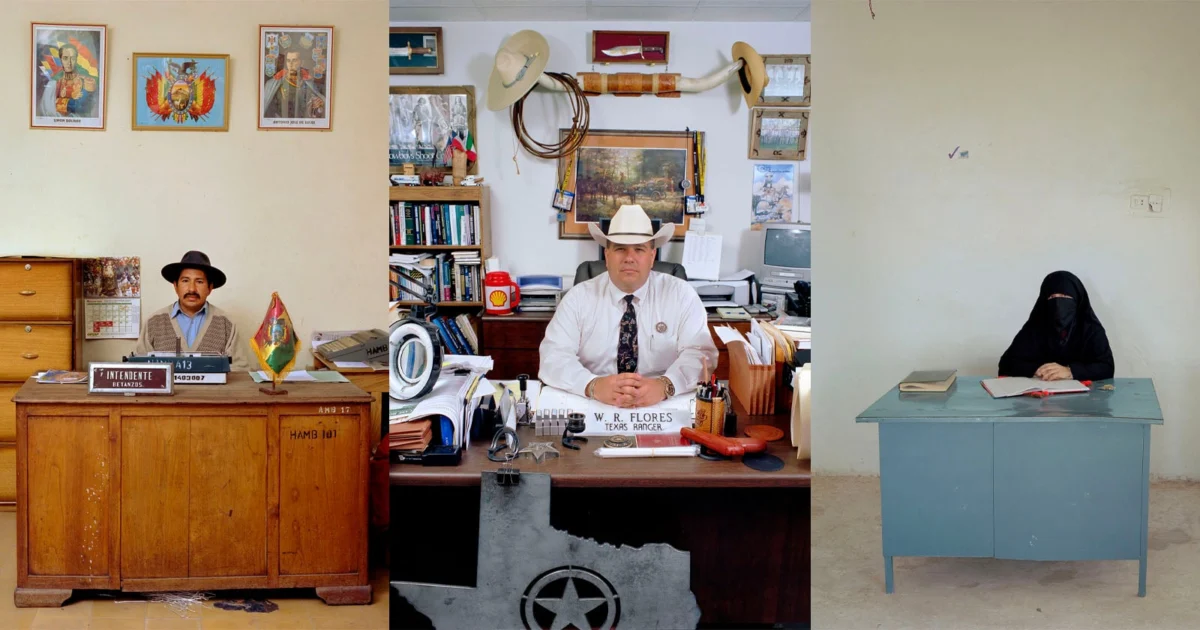
Dutch photographer Jan Banning has long been fascinated by the invisible machinery that keeps the world turning: the state bureaucracy. His seminal project, Bureaucratics, which first captured international attention upon its publication in 2008, serves as an anthropological deep dive into the lives, environments, and conditions of the people who wield the power of the state. With the recent release of Bureaucratics Revisited, Banning has reopened his extensive archives, curating a collection that merges his original acclaimed work with fresh, previously unseen images, providing a comprehensive look at the global administrative landscape.
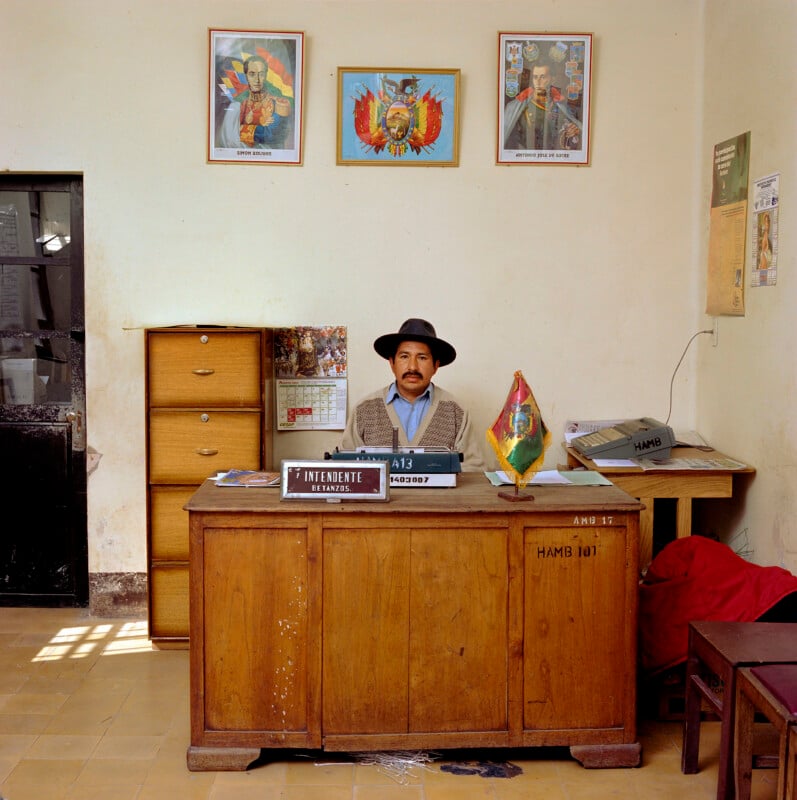
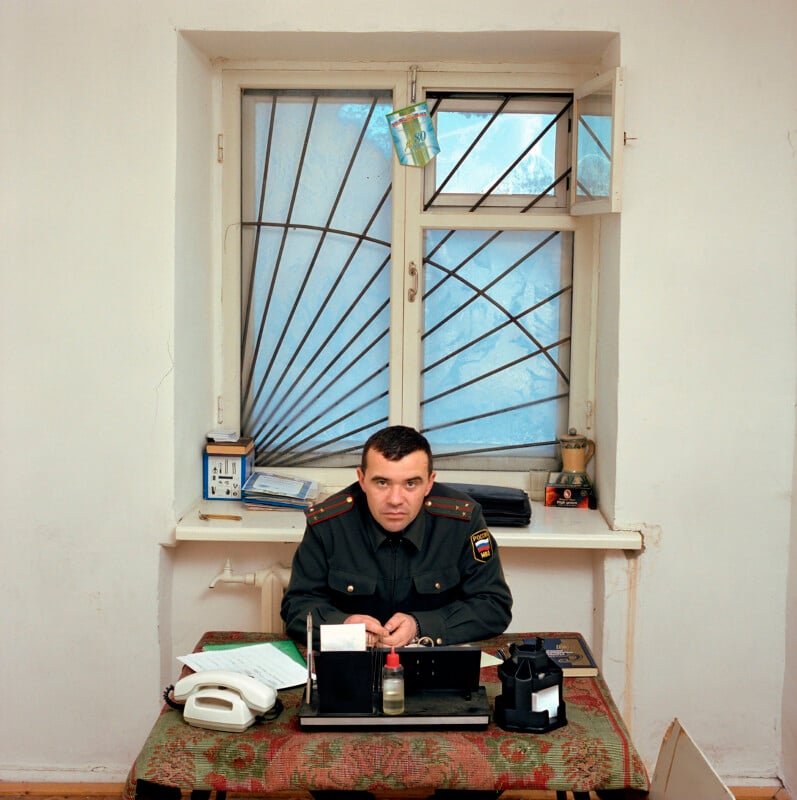
The project, which began in 2002, was an ambitious, five-year undertaking that saw Banning travel through eight countries across four continents. From the cramped, document-heavy offices of India to the austere, sparsely furnished police stations of Siberia and the military-influenced chambers of Bolivia, Banning sought to capture the "largely unnoticed human face of bureaucracy." The result is not merely a collection of photographs, but a visual study of the intersection between formal governmental authority and the personal, often mundane, reality of the individuals tasked with enforcing it.
A Methodology of Deadpan Clarity
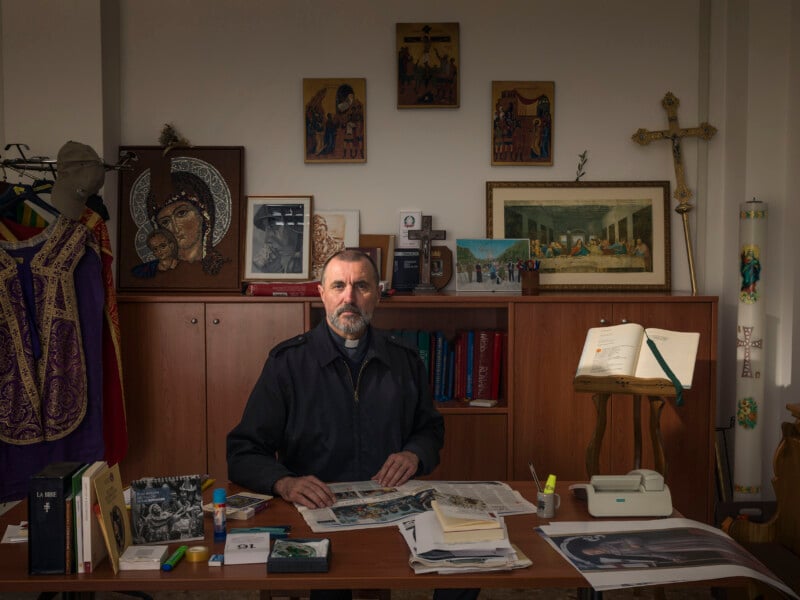
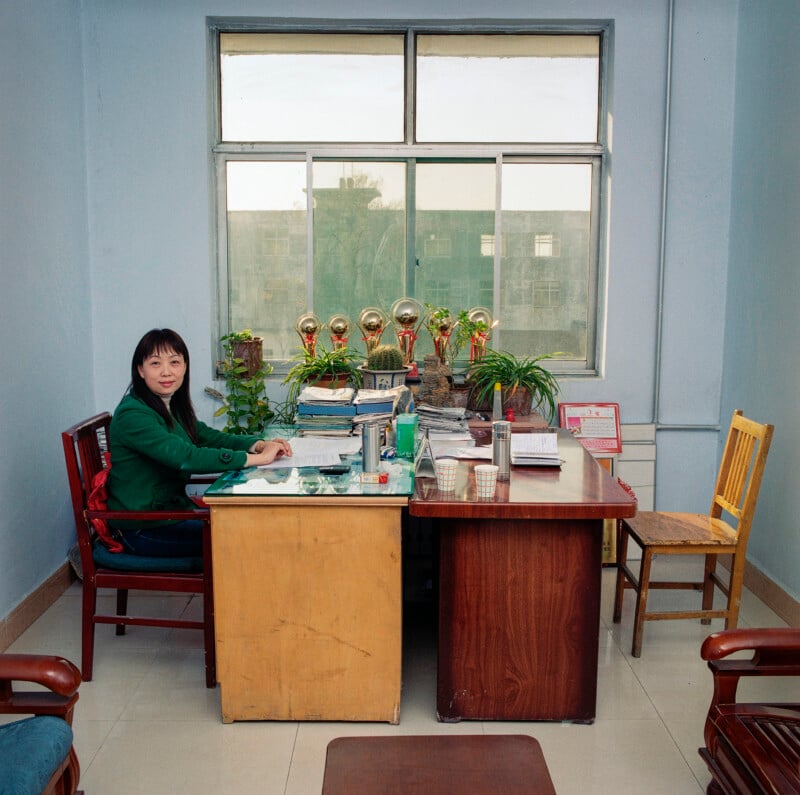
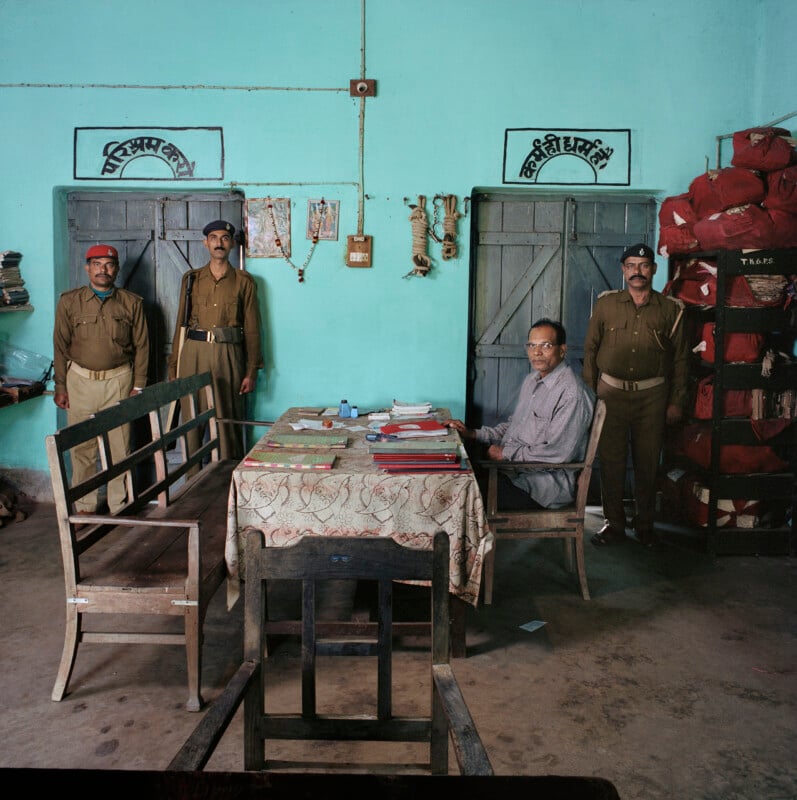
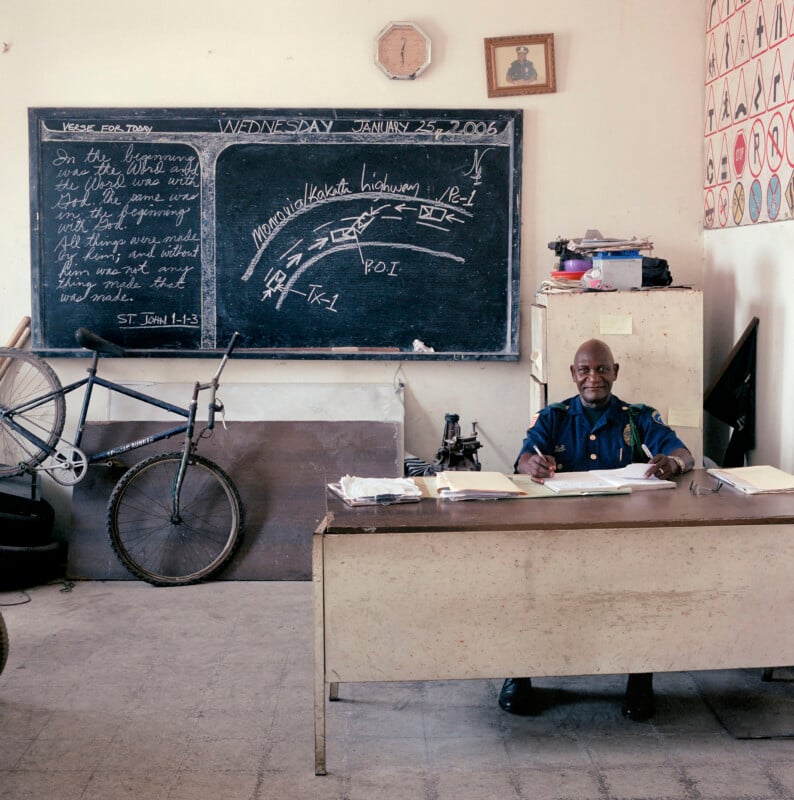
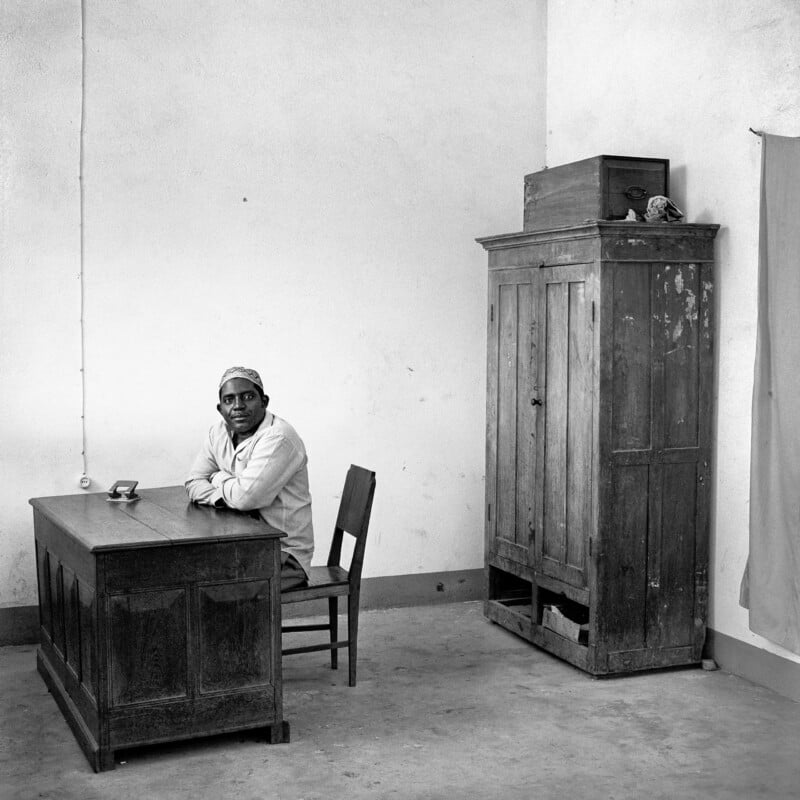
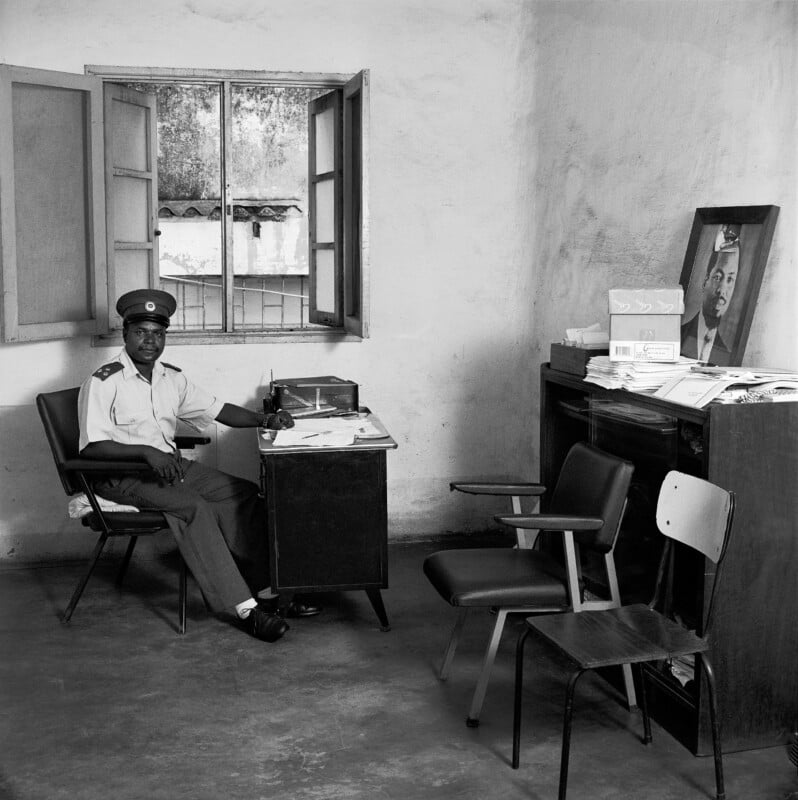
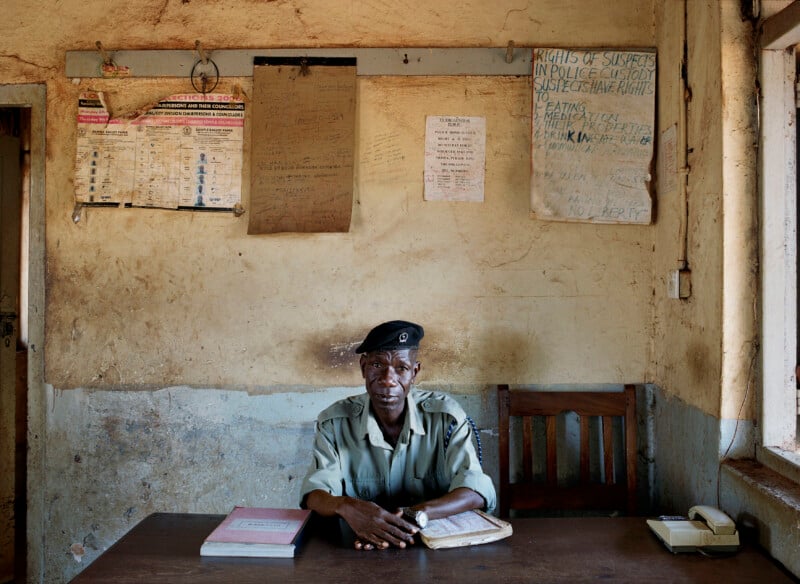
Banning’s approach to his subjects is as rigorous as it is consistent. To ensure an objective and leveled perspective, every portrait in the collection adheres to a strict stylistic formula: a square-format image, a direct frontal perspective, and a "deadpan" clarity that avoids artistic embellishment. Crucially, each photograph is taken from the eye level of a citizen entering the office, effectively placing the viewer in the shoes of the individual seeking services, filing a report, or requesting assistance.
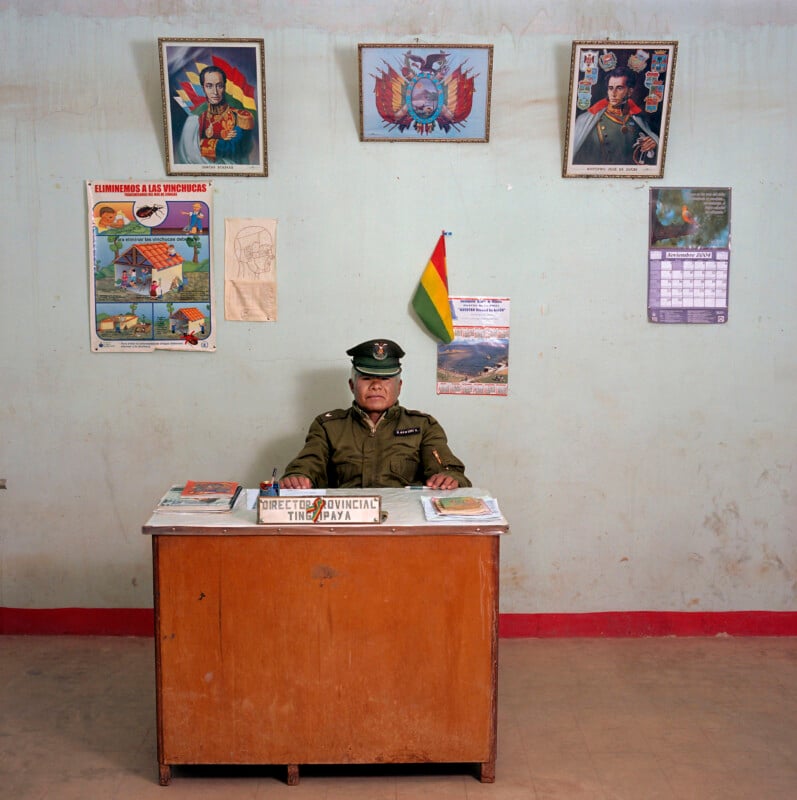
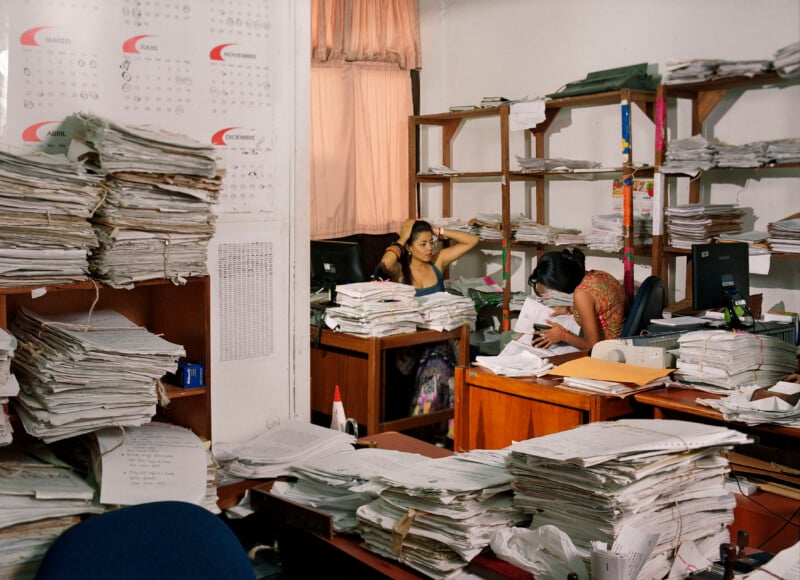
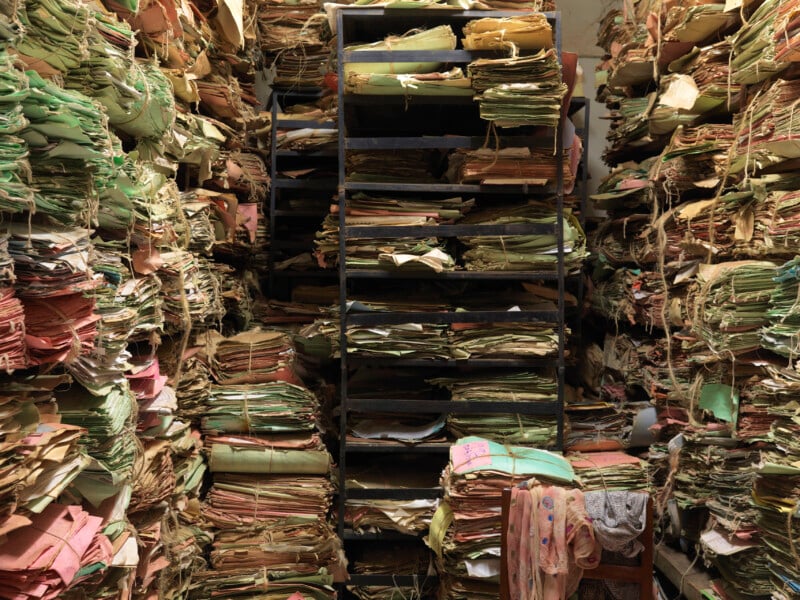
This deliberate framing creates a unique dialogue between the office as a performative stage for state power—often decorated with flags, portraits of leaders, and religious iconography—and the office as a private, functional workspace. By stripping away the grandeur often associated with institutional authority, Banning reveals the reality of the work environment, which frequently includes broken equipment, mountains of paper, and signs of extreme resource scarcity.
Chronology and Global Reach
The project’s timeline mirrors the evolution of the 21st-century state. Work began in 2002, a period characterized by the rapid digitization of some administrative sectors and the continued, heavy reliance on analog, paper-based systems in others.
- 2002–2003: Banning initiates his work in Mozambique and India, documenting local administration and law enforcement.
- 2004–2005: The focus shifts to Russia (Siberia) and Bolivia, highlighting the contrast between isolated local outposts and the broader state structure.
- 2006–2007: Expanding to France, Yemen, and the United States, the project captures the diversity of administrative environments in developed and developing nations alike.
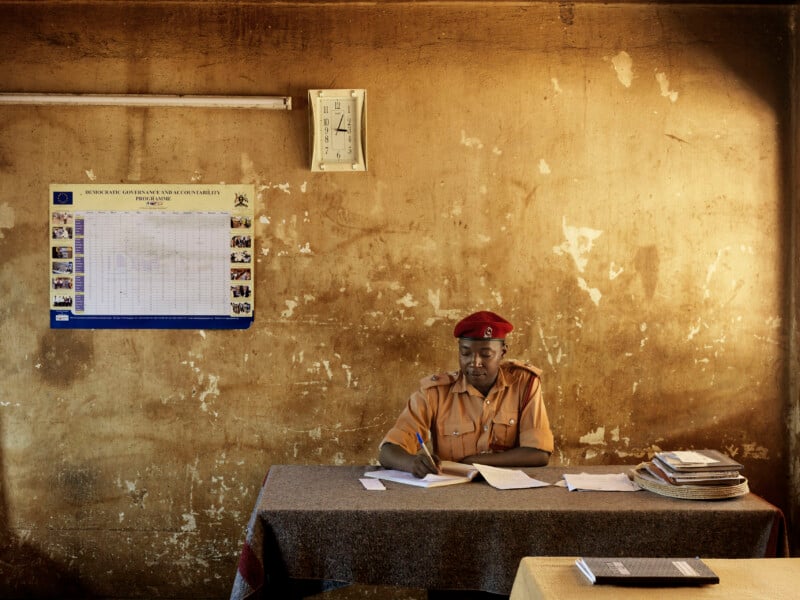
- 2010–2013: Later additions to the archive document the legal and prison systems in Uganda, providing a look at the "law and order" apparatus.
- 2026: Bureaucratics Revisited is released, synthesizing these decades of work into a cohesive narrative that highlights the persistence of human-driven administration.
Administrative Realities: Data and Disparity
The portraits in Bureaucratics Revisited are accompanied by detailed captions that provide context to the images, often revealing startling disparities in resources. For instance, the case of Constantino Aya Viri Castro, a police officer in Tinguipaya, Bolivia (2005), notes that the local station lacks even basic tools such as a telephone, a car, or a typewriter. This is a stark contrast to the modern, digital-first administrative models emerging in other parts of the world during the same era.
Similarly, the documentation of the prison system in Jinja, Uganda (2013), illustrates the logistical burden on state officials. The Kirinya Main Prison, built for 336 inmates, was recorded holding 922 individuals at the time of Banning’s visit. Through these images, the viewer gains insight into the challenges faced by bureaucrats like Ivan Niwamanya, a Chief Jailor who must balance the roles of administrator and conflict mediator in a severely overcrowded environment.
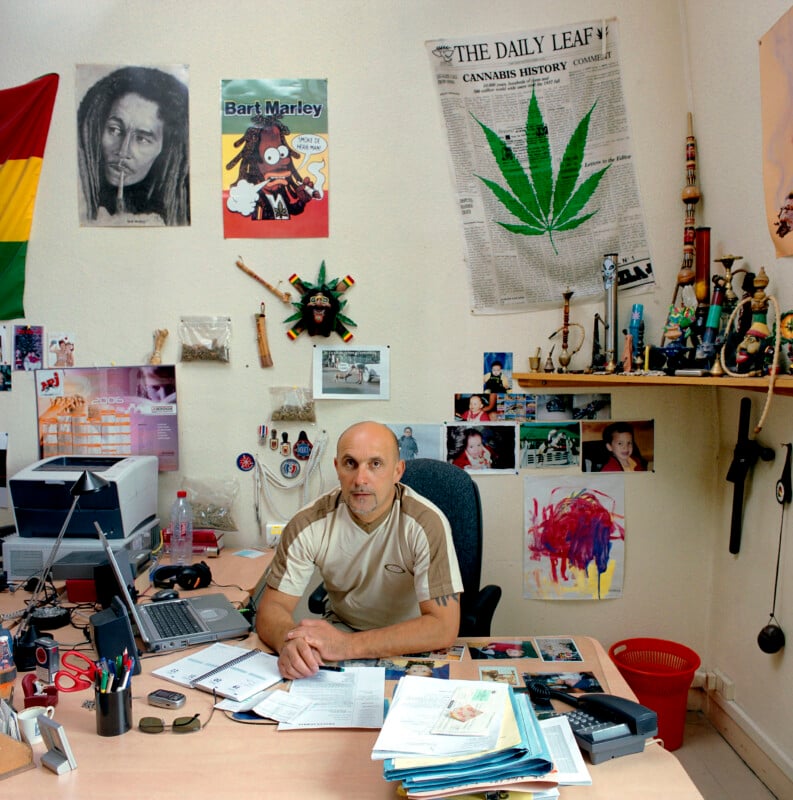
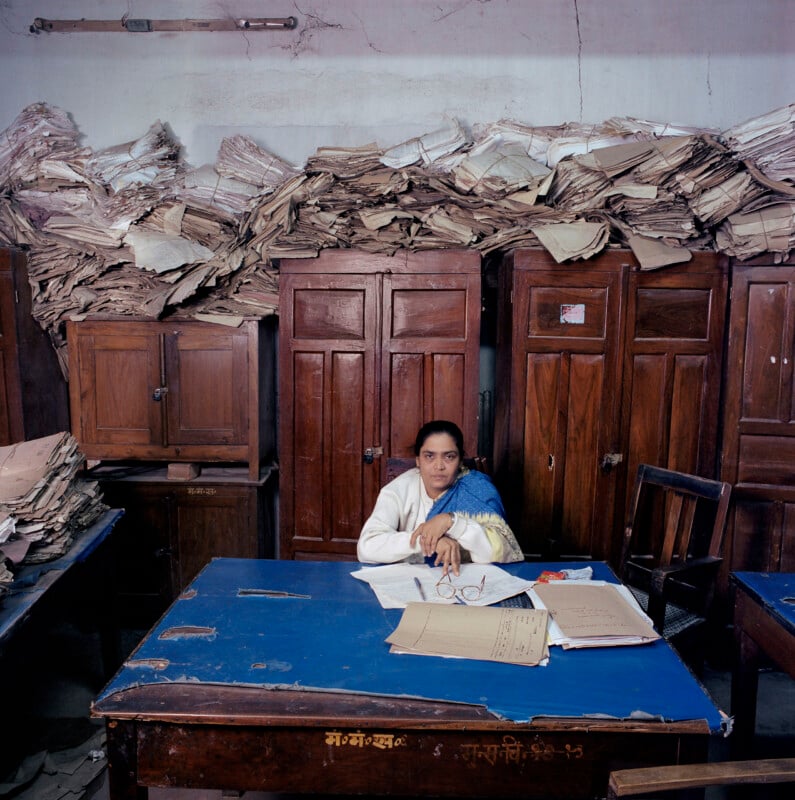
These case studies serve as data points for a broader analysis of how state legitimacy is constructed at the local level. Whether it is a narcotics agent in France surrounded by pop culture posters or a clerk in India working in a room filled with towering stacks of paper, the portraits show that bureaucracy is fundamentally a human endeavor, shaped by the local culture and the economic constraints of the state.
Expert Perspectives and Artistic Reception
The significance of the work has been noted by esteemed photographers, including Martin Parr, who wrote the foreword for the publication. Parr highlights the logistical difficulty of the project, noting that "receiving permission to shoot portraits of bureaucrats is in itself an achievement." Gaining access to government offices, particularly in nations where the administration is sensitive to external scrutiny, required a high degree of persistence and diplomatic skill.
Parr’s assessment emphasizes the value of Banning’s work as a historical document. By capturing these spaces, Banning has created a record of how power is exercised on the ground—a perspective that is rarely documented with such consistent aesthetic rigor. The images function as both an anthropological survey and a form of visual poetry, transforming the mundane act of office work into a reflection of societal organization.
Implications and Broader Impact
The publication of Bureaucratics Revisited arrives at a time when the nature of bureaucracy is shifting. As artificial intelligence and digital automation begin to replace human clerks in many parts of the world, Banning’s archive serves as a critical bridge to a previous era. The "paper-pushing" tradition, characterized by the tactile, messy, and physical reality of archives and cabinets, is becoming a relic of history.
The broader implications of the work are twofold. First, it humanizes the "faceless" bureaucrat. By focusing on the individual—their age, their history (such as Sushma Prasad, hired on "compassionate grounds" after her husband’s death in India), and their specific duties—Banning challenges the stereotypical view of administrative workers as mere cogs in an uncaring machine.
Second, the work highlights the fragility of the state. In many of the portraits, the lack of resources—the missing typewriters, the lack of transport, the crumbling infrastructure—serves as a visual metaphor for the limitations of governance. The bureaucrat is often caught between the demands of the state and the reality of their limited capacity to fulfill those demands.
Technical Evolution
Throughout the project, Banning’s technical evolution mirrored the changing landscape of photography. He transitioned from using a Bronica SQ-Ai to a Fuji GX-680III, and eventually to a Hasselblad H5. This progression in medium-format technology allowed for increasing levels of detail, ensuring that the background elements of the offices—the textures of the walls, the titles on the books, and the dust on the files—are rendered with startling clarity. This detail is essential to the project’s success, as the "environment" is as much a subject of the portrait as the person sitting within it.
Conclusion
Bureaucratics Revisited stands as a definitive visual history of global administration at the turn of the millennium. By moving beyond the abstract concept of "the state" and focusing on the concrete, human reality of the office, Jan Banning has provided a vital service to both the photography community and the social sciences. The work does not seek to critique or praise the efficacy of these systems, but rather to observe them with a steady, unflinching eye. As the world moves toward an increasingly digitized, automated future, this archive will undoubtedly become an essential reference for understanding the physical, human-centric nature of the bureaucracy that defined the early 21st century.
For those interested in the full scope of the project, the collection is available through the photographer’s official archives, serving as a testament to the endurance of the human element in an increasingly complex global structure.

