


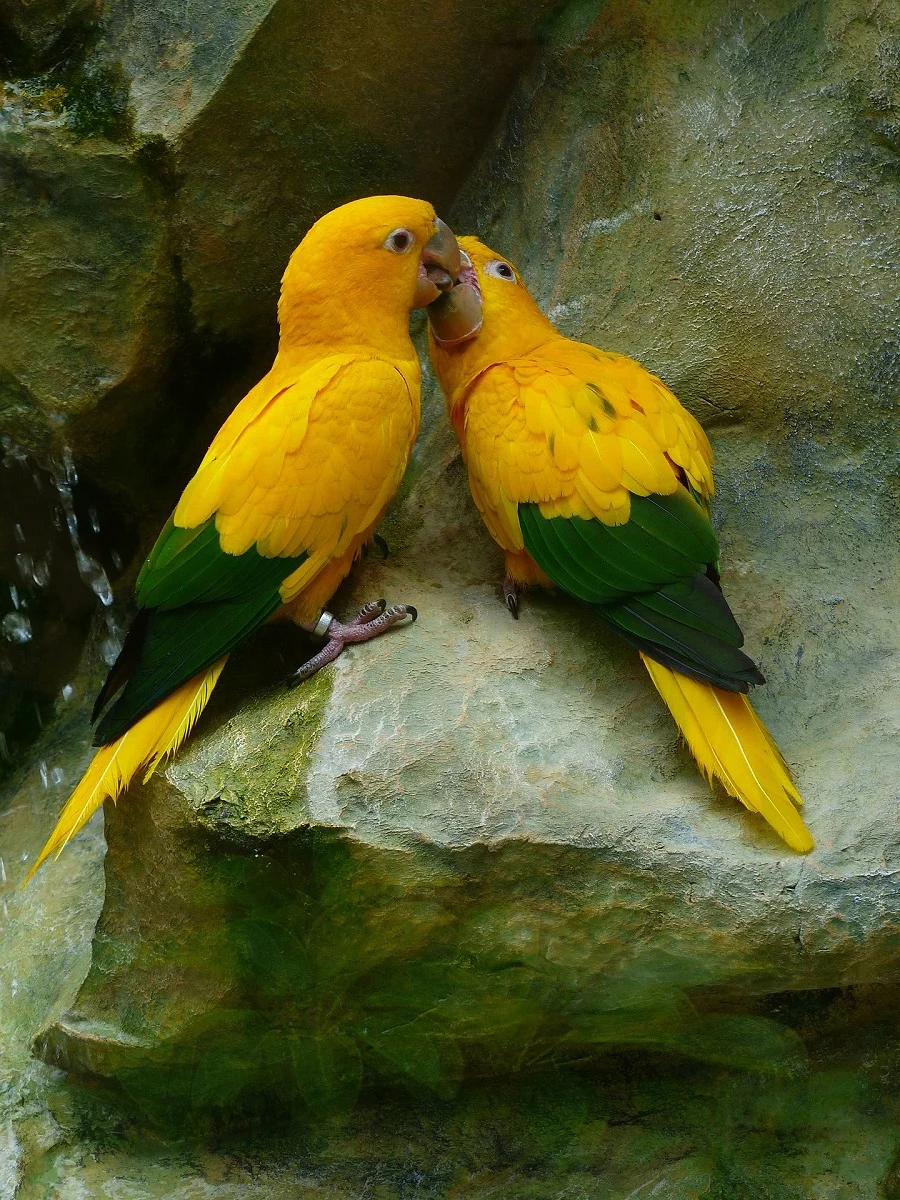
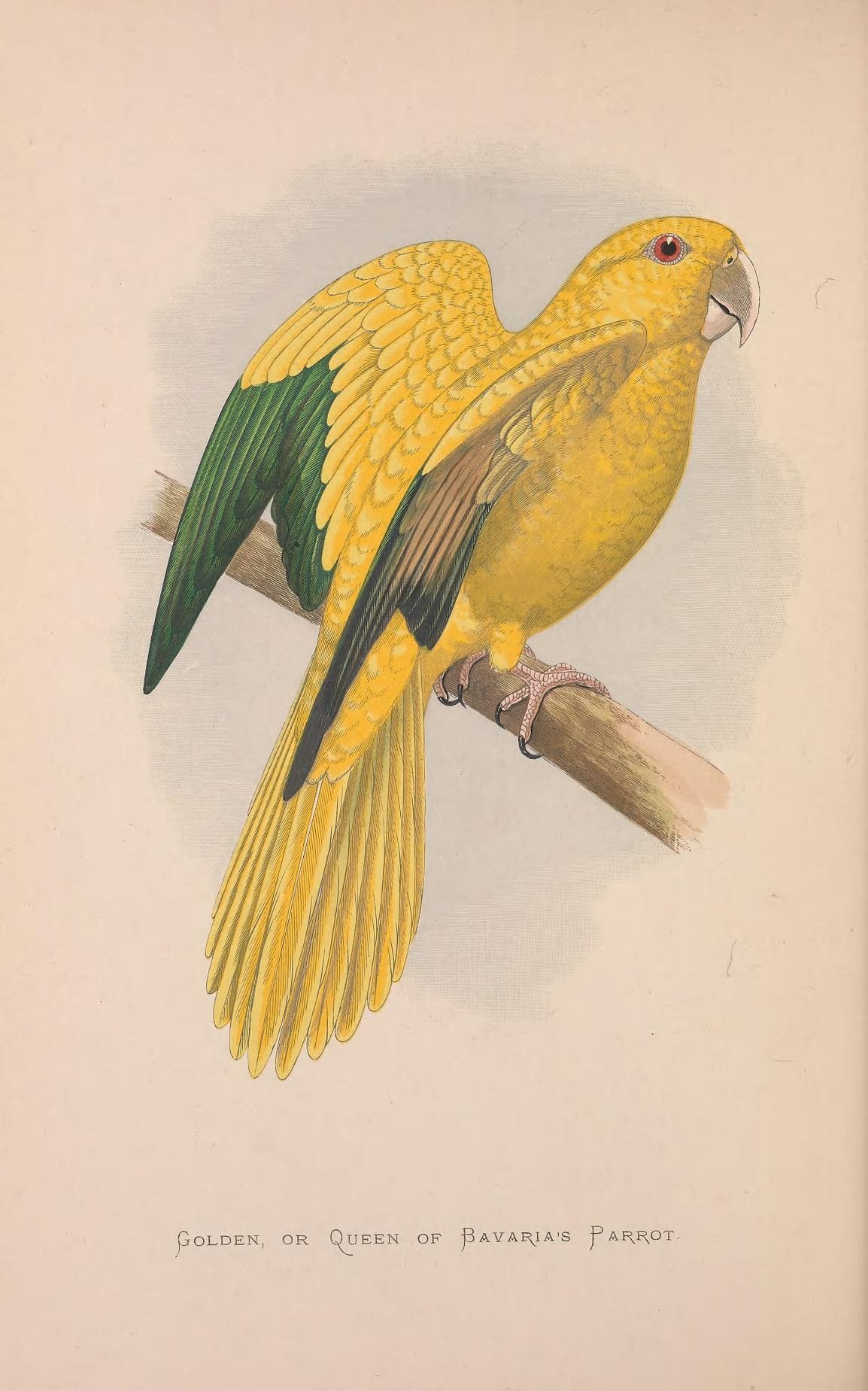
The golden conure, scientifically known as Guaruba guarouba and frequently referred to as the Queen of Bavaria conure or golden parakeet, stands as one of the most visually striking members of the Psittacidae family. Indigenous to the Brazilian Amazon Basin, this medium-sized parrot has captured the attention of ornithologists, conservationists, and aviculturists alike due to its distinctive uniform golden-yellow plumage and contrasting dark green wing tips. As habitat fragmentation and environmental pressures continue to threaten wild populations, understanding the ecological profile, taxonomic history, and husbandry requirements of the golden conure has become increasingly critical for both wildlife conservation and responsible pet ownership.
Taxonomic Evolution and Scientific Classification
The classification of the golden conure has undergone significant revisions over the past two centuries, reflecting broader shifts in avian taxonomy and phylogenetic research. Historically, ornithologists struggled to place the species accurately within the parrot family. Initial classifications grouped the bird under the genus Conurus, before it was subsequently moved to Eupsittula and later Aratinga. For many years, however, researchers suspected that the species was sufficiently distinct to warrant its own monotypic genus.
A major milestone in its taxonomy occurred in 2006, when ornithologist Joseph Forshaw officially listed the species as Guaruba guarouba in his comprehensive guide, Parrots of the World. This designation was soon reinforced by phylogenetic and molecular studies published the same year. DNA sequencing analyses demonstrated that the genus Guaruba is genetically closer to the red-shouldered macaws of the genus Diopsittaca than to the traditional Aratinga conures. This scientific clarification resolved decades of debate regarding the evolutionary lineage of the golden parakeet, cementing its status as the sole member of its genus.
Natural Habitat, Range, and Ecological Role
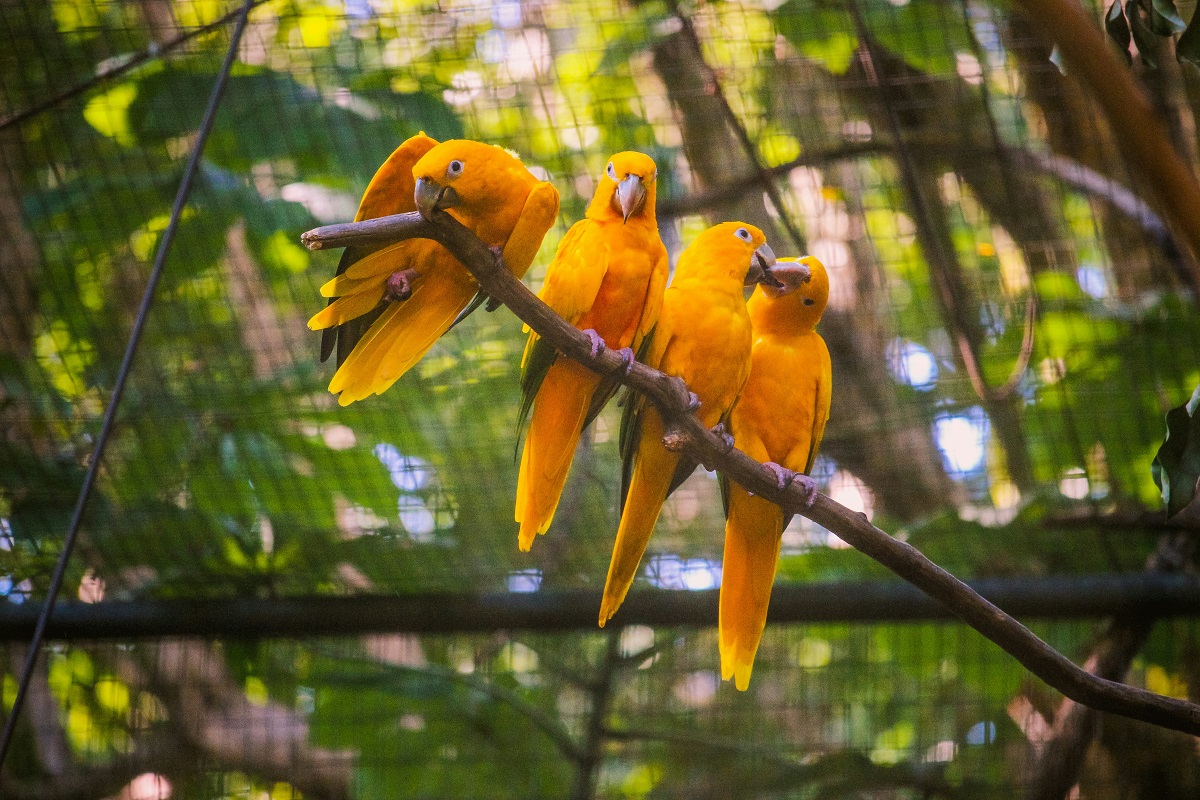
Endemic to South America, the natural range of the golden conure is primarily concentrated within the Brazilian Amazon Basin, predominantly in the state of Pará, with historical presence extending into neighboring Maranhão. Within these regions, the species exhibits a preference for dry lowland terra firme forests, though populations occasionally venture into seasonally flooded várzea habitats during specific phases of their lifecycle.
Ecological field studies indicate that golden conures are remarkably nomadic. During the breeding season, they frequently vacate dense jungle environments in favor of more open, transitional zones. Their nesting habits are equally specialized; pairs and breeding groups utilize isolated hollow trees, occasionally expanding cavities previously excavated by other avian species. Notably, golden conures display cooperative breeding behaviors, with multiple females frequently depositing eggs into a single communal nest, resulting in clutches that can exceed ten eggs.
Dietary Habits in the Wild and Captive Environments
In its native rainforest habitat, the golden conure relies on a diverse diet dictated by seasonal availability. Field research confirms that fruit forms the primary component of their nutritional intake. Wild populations heavily target the fruits of açaí and bacaba palms, alongside vegetation from cashew, ice cream bean, nance, and locustberry trees. Additionally, the birds consume flowers, buds, and occasional agricultural yields, occasionally raiding local plantations for corn and mangoes.
Transitioning this species to a captive environment requires careful nutritional management to replicate the variety of their natural diet while preventing metabolic disorders. Avicultural best practices recommend utilizing high-quality commercial parrot pellets as a nutritional staple, as they offer balanced macro-nutrients and lower fat content compared to traditional seed mixes. This foundation is typically supplemented with a wide array of fresh vegetables, leafy greens, and fruits. To promote psychological well-being, wildlife experts advocate for foraging-based feeding strategies, which mimic the cognitive and physical exertion required to locate sustenance in the wild.
Conservation Status and Anthropogenic Pressures
Despite its aesthetic appeal and cultural significance, the golden conure is currently classified as a Vulnerable species on the IUCN Red List. While direct capture for the international pet trade has diminished due to stringent international protections and regulatory frameworks under CITES (Convention on International Trade in Endangered Species of Wild Fauna and Flora), wild populations face severe ongoing threats from habitat fragmentation and widespread deforestation within the Amazon Basin.
Historically, indigenous populations in Brazil valued the species not only for companionship but also for its brilliant golden feathers, leading to its local designation as the "Ararajuba." Historical accounts by naturalists such as Helmut Sick documented instances where other conure species were artificially dyed yellow to replicate the appearance of the golden conure in illicit animal markets. Today, conservation initiatives focus heavily on habitat preservation, strict law enforcement against illegal trapping, and managed reintroduction programs to stabilize and expand declining wild populations.
Husbandry, Social Behavior, and Behavioral Enrichment
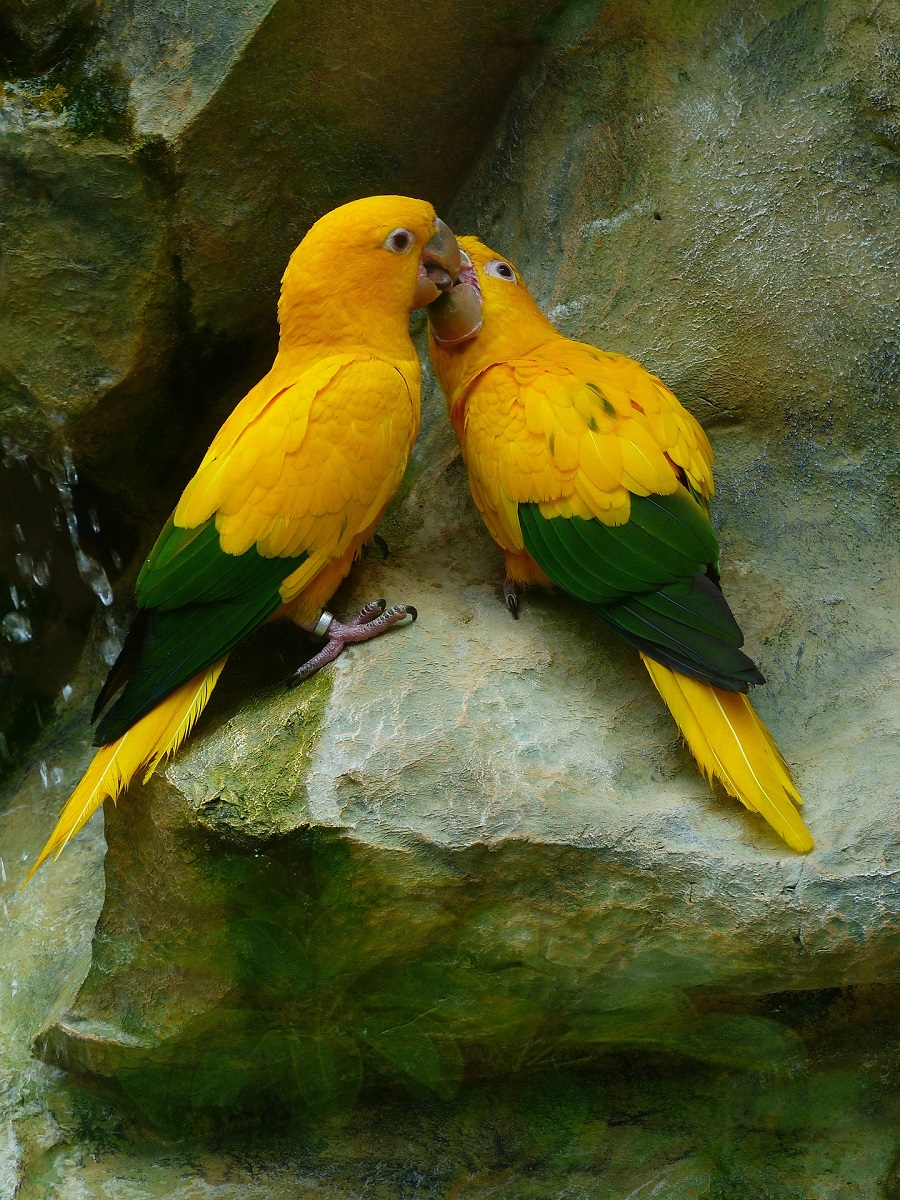
Keeping a golden conure in a domestic setting demands a high level of commitment, resources, and space. Because these birds can reach lengths of up to 14 inches (35 centimeters) and average approximately 250 grams in weight, standard enclosures are generally inadequate. Caretakers must provide either an indoor aviary or a spacious cage with a minimum width of at least 40 inches (1 meter), supplemented by regular out-of-cage exercise periods lasting several hours daily.
Golden conures are exceptionally intelligent, energetic, and social animals. In the wild, they spend their days interacting within complex flocks and utilizing cognitive problem-solving skills to navigate their environment. Depriving a captive golden conure of sufficient social interaction, mental stimulation, and physical activity often leads to severe psychological distress. This stress can manifest as destructive behaviors, including excessive vocalization, feather-plucking, and localized aggression.
To mitigate these risks, enclosures must be outfitted with natural wood perches, climbing ladders, and an extensive rotation of chewable toys designed to satisfy their natural urge to shred and preen. Furthermore, caretakers must implement rigorous daily enrichment routines, including puzzle feeders and foraging toys, which prevent boredom and significantly reduce the incidence of obesity—a leading cause of mortality in captive psittacines.
Temperament, Vocalization, and Vocal Mimicry
The temperament of the golden conure is frequently described as affectionate, even-tempered, and highly playful. Unlike many parrot species that tend to bond exclusively with a single individual, golden conures often distribute their affection across multiple members of a household. They thrive on physical contact, frequently seeking out human shoulders and enjoying regular handling.
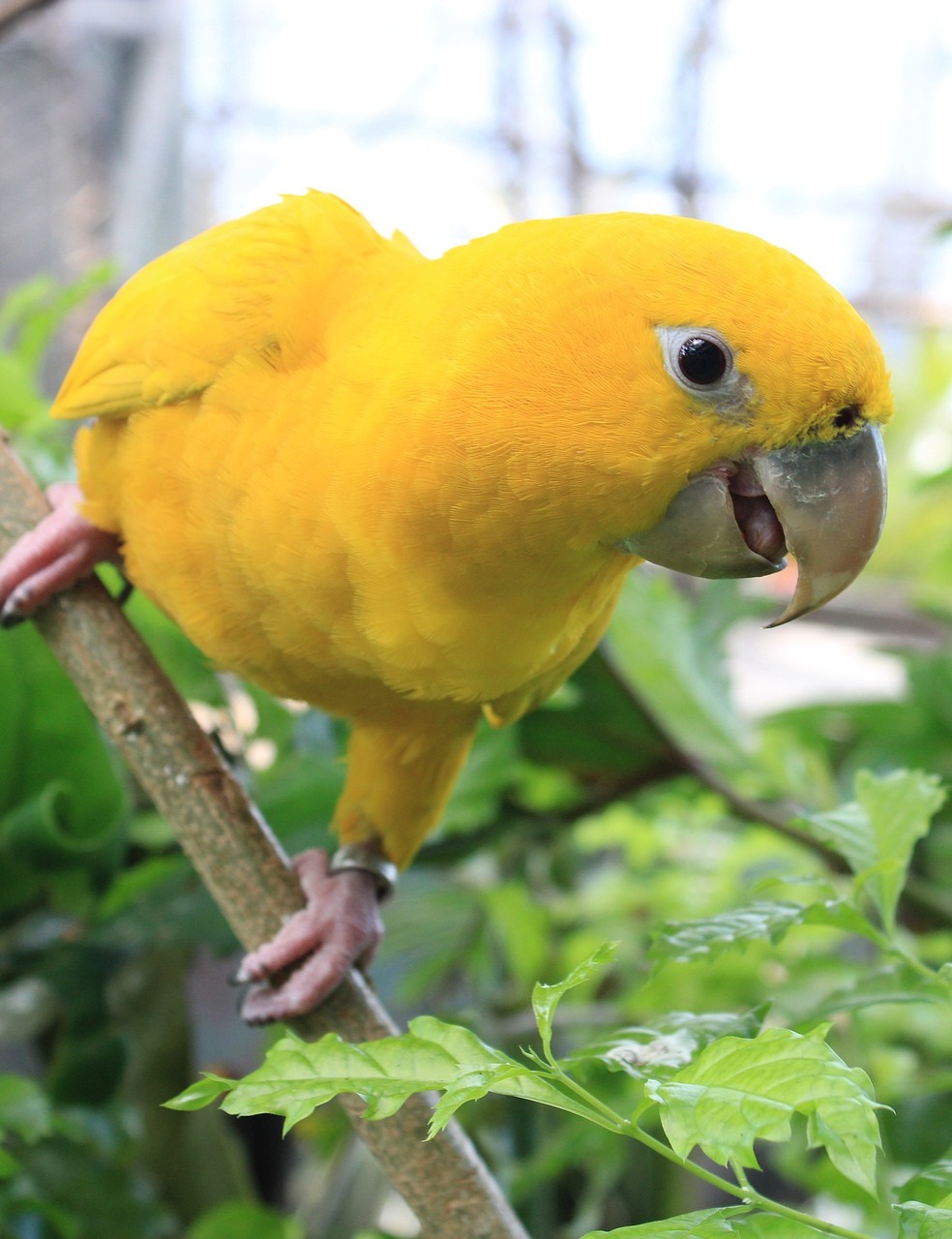
However, their vocal capabilities require careful consideration by prospective owners. While their calls lack the piercing shrillness characteristic of some Aratinga species, such as the sun conure, their medium-to-large physical build grants them a powerful voice. Golden conures are moderately loud and vocalize frequently throughout the day, making them unsuitable for apartment living or noise-sensitive environments.
Regarding speech, golden conures possess the foundational neurobiology to imitate ambient sounds and human speech, though they are not recognized as premier talkers. Individuals may successfully acquire a limited vocabulary of simple words, short phrases, household sounds, and basic melodic tunes, though their enunciation is typically less distinct than that of larger parrot species such as African greys or Amazons.
Implications for Aviculture and Future Conservation
The growing interest in the golden conure within the global pet trade underscores a delicate balance between captive breeding success and wild conservation. Responsible aviculture relies heavily on captive-bred specimens originating from established, legal breeding programs, thereby alleviating pressure on dwindling wild habitats in the Brazilian Amazon.
Ultimately, the preservation of the Queen of Bavaria conure depends on a dual approach: rigorous protection of its native lowland rainforest ecosystems and the promotion of educated, dedicated stewardship among private bird owners. As ongoing research continues to shed light on the behavioral ecology and dietary requirements of Guaruba guarouba, the global community remains tasked with ensuring that this iconic symbol of the Amazonian canopy persists both in its natural habitat and under responsible human care for decades to come.

