



The exhaustive digital preservation of Watchbird magazine—spanning an impressive forty-two volumes published between 1974 and 2015—offers an unprecedented look into the evolving landscape of aviculture, bird breeding, and avian veterinary science. Maintained through the collaborative efforts of the American Federation of Aviculture (AFA) and heritage preservationists, this comprehensive archive serves as an indispensable compendium for researchers, veterinarians, conservationists, and dedicated bird enthusiasts. By chronicling more than four decades of continuous publication, the archive captures the paradigm shifts in how exotic and domestic birds have been studied, bred, and protected across North America and beyond.
Origins and Early Years: Laying the Foundation in the 1970s
The inception of Watchbird in 1974 marked a critical turning point for the avicultural community. Prior to its launch, hobbyists and professional breeders largely relied on fragmented local newsletters and word-of-mouth practices to manage captive bird populations. Recognizing the urgent need for a centralized, peer-reviewed, and professionally curated publication, visionary founders established the journal to bridge the communication gap among aviculturists.
The earliest editions—ranging from Volume 1, No. 1 (1974) through the conclusion of the decade in 1979—focused heavily on foundational husbandry. Articles from this era provided crucial guidance on basic housing, dietary requirements, and the prevention of common avian illnesses. These formative years established Watchbird as a trusted voice, encouraging ethical breeding practices at a time when the importation of wild-caught exotic birds was still commonplace. As documented in issues such as Volume 4 and Volume 5, early contributors laid the groundwork for standardized record-keeping and species-specific management protocols, setting a new benchmark for the hobbyist community.
Decadal Evolution and Scientific Maturation: The 1980s and 1990s

Entering the 1980s and 1990s, Watchbird evolved from a bulletin of practical tips into a sophisticated journal reflecting the growing intersection of aviculture, conservation biology, and veterinary medicine. Volumes 8 through 26 document a rapidly changing regulatory and environmental landscape. During this period, international frameworks such as the Convention on International Trade in Endangered Species of Wild Fauna and Flora (CITES) began significantly restricting the trade of wild exotic birds, placing a heightened responsibility on captive breeders to sustain healthy, self-sufficient populations.

The pages of Watchbird during the late 1980s and 1990s featured pioneering research on artificial incubation, hand-feeding formulas, and pediatric avian care. Veterinarians and experienced breeders utilized the publication to share breakthrough findings on infectious diseases, such as Psittacine Beak and Feather Disease (PBFD) and avian polyomavirus. This era of the archive highlights the transition of aviculture from a loosely organized hobby into a scientifically rigorous discipline. By documenting successful captive breeding programs for endangered parrots, toucans, and finches, Watchbird played a quiet yet vital role in preventing the extinction of vulnerable avian species.
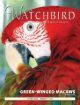
Navigating the Turn of the Millennium: Volumes 27 to 35
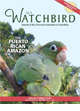
The turn of the millennium brought new challenges and technological advancements to the avicultural community. Volumes 27 through 35 (spanning roughly 2000 to 2008) capture an era defined by increased scrutiny on animal welfare, the digitization of information, and the refinement of avian behavioral psychology.

Articles published during these years shifted focus toward holistic bird care, emphasizing the importance of mental stimulation, environmental enrichment, and avian psychological well-being. As pet bird ownership shifted toward larger, highly intelligent psittacine species like macaws and cockatoos, Watchbird responded by publishing extensive guides on behavioral modification, positive reinforcement training, and dietary diversification. Furthermore, these volumes documented the growing collaboration between private aviculturists and accredited zoological institutions, fostering cooperative breeding networks designed to preserve genetic diversity in captivity.
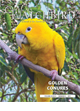
The Final Decades and Digital Transition: Volumes 36 to 42
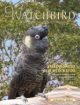
The concluding segment of the archive, covering Volumes 36 through 42 (2009 to 2015), illustrates the publication’s adaptation to the digital age and modern conservation imperatives. Facing economic shifts and the rise of online forums, Watchbird maintained its commitment to peer-reviewed, high-quality journalism.
The articles from this period reflect an increased emphasis on habitat conservation, legislative advocacy, and biosecurity protocols. Breeders and researchers addressed emerging global threats, including climate change impacts on migratory species, changing import-export legislation, and the ongoing battle against avian pathogens. By archiving these final physical-to-digital transitional volumes, the AFA ensured that decades of accumulated empirical knowledge would not be lost to technological obsolescence.

Supporting Data and Archival Metrics
The scope of the Watchbird digital archive is vast, encompassing hundreds of individual issues released across 42 publication years. A statistical breakdown of the collection reveals:
- Total Volumes Documented: 42 comprehensive volumes.
- Publication Span: 41 years of continuous or semi-continuous publishing history (1974–2015).
- Frequency: Ranging from bimonthly issues in the earlier decades to quarterly distributions in later years.
- Content Diversity: Thousands of peer-reviewed articles, veterinary case studies, field reports, and historical association updates.
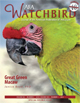
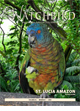
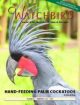
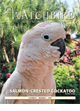
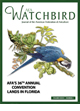
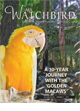
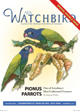
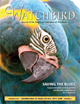
This repository represents one of the most complete chronological records of modern avicultural history available anywhere in the world. Each scanned cover and digitized page preserves not only the typographical evolution of the publication but also the shifting cultural attitudes toward animal stewardship.

Official Responses and Institutional Perspectives
Leadership within the American Federation of Aviculture has consistently emphasized the educational value of the Watchbird archive. Spokespersons note that while avicultural practices have modernized considerably since 1974, the core mission of the organization—dedicated to the advancement of aviculture through education, conservation, and legislation—remains unchanged.

Avian veterinarians and academic researchers have similarly lauded the accessibility of the back catalog. By making decades of observational data freely available online, the AFA allows modern researchers to study historical breeding trends, nutritional outcomes, and disease management strategies across multiple generations of captive birds. This historical depth provides contemporary conservationists with invaluable context when evaluating current captive management and reintroduction programs.

Broader Impact and Future Implications
The preservation and study of the Watchbird archive carry significant implications for the future of both private aviculture and professional conservation biology. As natural habitats continue to face unprecedented pressures from deforestation, climate change, and human encroachment, captive-managed populations of rare and endangered birds serve increasingly as vital biological arks.
The historical methodologies documented within these 42 volumes offer a blueprint for overcoming reproductive challenges in captivity. Modern breeders and conservationists can look back at decades of trial and error—carefully cataloged in Watchbird’s peer-reviewed pages—to avoid past mistakes and implement refined, scientifically backed protocols. Ultimately, the comprehensive digitization of Watchbird ensures that the collective wisdom of generations of aviculturists will continue to protect and enrich avian life for decades to come.

