


The FIFA World Cup, a quadrennial spectacle of human athletic achievement and national pride, transcends mere sport, drawing billions of eyes to host nations and participating countries worldwide. As football enthusiasts celebrate goals and cheer on their favourite teams, the event inadvertently shines a spotlight on the rich and diverse natural heritage of these nations, particularly their vibrant avian populations. Among these, parrots stand out as charismatic ambassadors of biodiversity, their colourful plumage and distinctive calls echoing through various landscapes, from dense rainforests to bustling urban centres. This global tournament, with its unparalleled reach, offers a unique opportunity to appreciate the incredible wildlife coexisting with humanity, reminding us that many participating nations are not just football powerhouses but also vital strongholds for parrot diversity and conservation.
Parrots, belonging to the order Psittaciformes, are one of the most recognizable and beloved bird groups globally, known for their striking colours, remarkable intelligence, and often impressive vocal mimicry. Comprising over 400 species, they are predominantly found in tropical and subtropical regions of the Southern Hemisphere, playing crucial ecological roles as seed dispersers and pollinators. However, many parrot species face significant threats, including habitat loss, illegal pet trade, and climate change, making their conservation a global priority. The World Cup’s spotlight on these nations, whether as hosts or participants, provides a platform to acknowledge and understand the natural treasures within their borders.
FIFA World Cup 2026 Hosts: A North American Avian Spectacle
The upcoming FIFA World Cup 2026, set to be hosted across 16 cities in Canada, Mexico, and the United States, will be the first tournament to feature three host nations, each offering a unique glimpse into the world of parrots.
Mexico: Land of Ancient Civilizations and Avian Riches
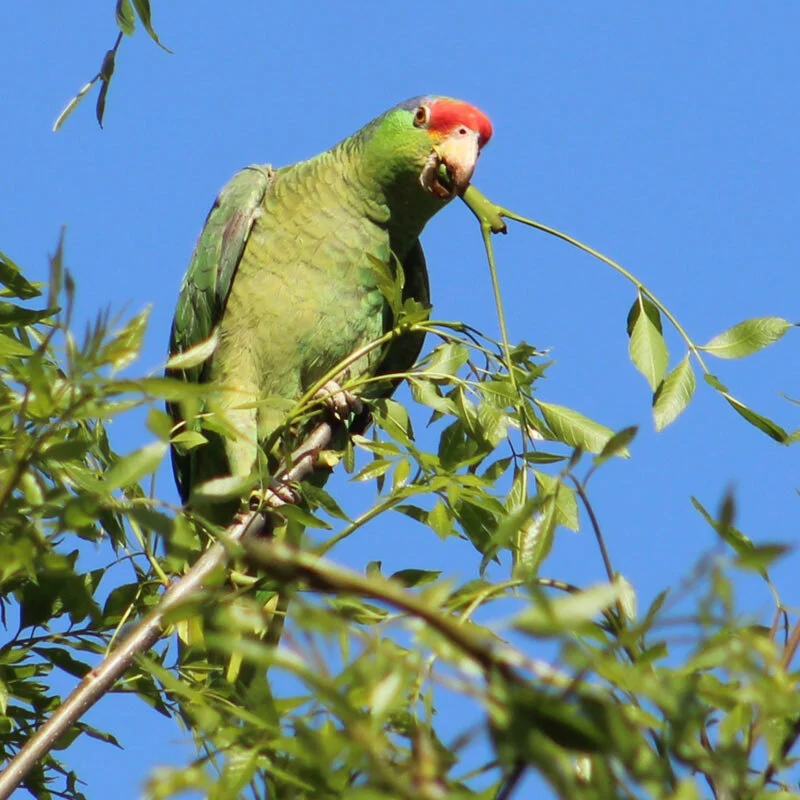
Mexico’s diverse geographical and climatic zones, ranging from humid tropical rainforests to arid deserts and high-altitude cloud forests, create an ideal mosaic of habitats for a remarkable array of wildlife. For bird enthusiasts, Mexico is a true hotspot, boasting over 20 native parrot and parakeet species, making it a critical region for neotropical avian biodiversity. Among these, several species are endemic, meaning they are found nowhere else on Earth, underscoring Mexico’s unique ecological significance. The Mexican parrotlet, a diminutive yet vibrant species, and the maroon-fronted conure, characterized by its distinctive plumage, are prime examples of this endemism, highlighting the importance of localized conservation efforts. Beyond these unique inhabitants, Mexico is also home to more widely recognized species such as the majestic military macaws, whose emerald green feathers and powerful calls are a sight to behold in the wild. Numerous species of Amazon parrots, celebrated for their intelligence and vibrant personalities, also thrive here, including the striking double-yellowheaded Amazon and the yellow-naped Amazon, both highly sought after in the pet trade, which unfortunately places pressure on wild populations. As a host nation for the 2026 World Cup, Mexico offers visitors not just the thrill of world-class football but also the enchanting possibility of witnessing wild parrots soaring overhead in many of its regions, adding an extraordinary dimension to the travel experience.
United States: Urban Parrot Flyovers and Unexpected Habitats
While not typically associated with native parrot populations (with the extinction of the Carolina parakeet in the early 20th century), the United States presents a fascinating case study in avian adaptation and human-wildlife interaction. Over decades, a unique phenomenon has emerged: thriving wild populations of non-native parrots in numerous urban areas, particularly across California, Texas, and Florida. These robust feral flocks originated primarily from escaped or intentionally released pet birds that, against expectations, successfully adapted to new environments. Species such as the highly adaptable Monk parakeet (also known as the Quaker parrot), the colourful Red-crowned Amazon, the vociferous Nanday conure, and the elegant Mitred conure have established self-sustaining colonies. These birds can frequently be seen and heard flying in noisy formations over parks, residential neighbourhoods, and even major sporting venues. For international visitors attending World Cup matches in U.S. host cities, these unexpected avian residents offer a surprising and delightful glimpse of tropical birds against an urban backdrop. While their presence raises ecological questions regarding competition with native species or potential agricultural impacts, these urban parrots have undeniably become a familiar and, for many, beloved part of the local landscape, symbolizing resilience and the unforeseen outcomes of human activity.
Canada: The Northernmost Outpost of Feral Parrots
Even farther north, Canada, another co-host for the FIFA World Cup 2026, has seen the unexpected establishment of feral parrot populations. The most notable example involves the Monk parakeet, a species renowned for its hardiness and adaptability. Records indicate that Monk parakeets were first observed breeding successfully in the wild in Montreal as early as 1987. This establishment in a colder climate is particularly remarkable, attributed in part to the Monk parakeet’s unique communal nesting habits, which provide insulation, and the urban heat island effect, which creates microclimates warmer than surrounding rural areas. While these populations remain relatively small and localized compared to those in warmer U.S. states, their existence in Canada challenges traditional perceptions of parrot distribution and highlights the species’ incredible capacity for survival and colonization, offering another intriguing avian sidebar to the global football tournament.
South America’s Avian Heartlands: Unrivalled Parrot Diversity

South America stands as the epicentre of global parrot diversity, home to a breathtaking array of species that showcase the continent’s rich ecosystems. Many of the World Cup’s most passionate football nations are also vital sanctuaries for these charismatic birds.
Brazil: The Undisputed Parrot Powerhouse
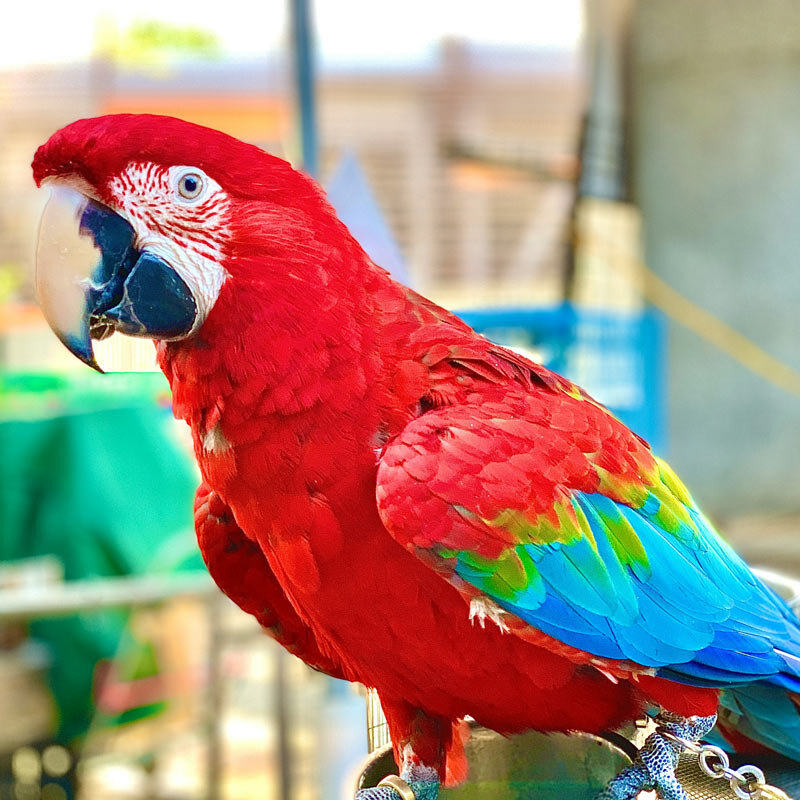
If the world of parrots were to host its own World Cup, Brazil would undoubtedly be a top contender, if not the reigning champion. This colossal nation, encompassing vast stretches of the Amazon rainforest, Pantanal wetlands, and Atlantic Forest, is home to an astonishing more than 80 parrot species – the highest concentration of parrot diversity on the planet. This includes some of the most iconic and magnificent parrots, such as the critically endangered Hyacinth macaw, the largest flying parrot species, with its striking cobalt blue plumage. Other spectacular macaws like the blue-and-gold macaw and the green-winged macaw (which famously graces the reverse side of Brazil’s 10-real banknote, a rare distinction for any wildlife on currency) also thrive in Brazil’s expansive wilderness. Beyond these grand aviators, Brazil hosts a multitude of mini-macaws, a wide variety of Amazon parrots, vibrant conures, and numerous other smaller parrot species, each contributing to the country’s unparalleled avian tapestry. The sheer scale and variety of parrot life in Brazil are a testament to its ecological wealth, though this also places immense pressure on conservation efforts to protect these species from habitat destruction and illegal poaching.
Argentina: Cliff-Nesting Parrots and Patagonian Wonders
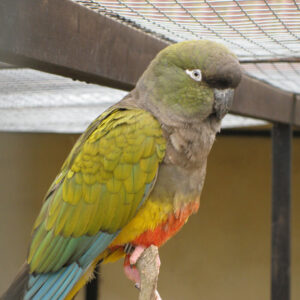
Argentina, celebrated globally for its football prowess and dramatic landscapes, also offers a unique haven for parrots. Beyond the passion for soccer, bird enthusiasts recognize Argentina as the stronghold for species like the monk parakeet, whose highly adaptable nature has allowed it to colonize diverse environments, including urban settings. However, it is the striking Patagonian conure, also known as the burrowing parrot, that truly captures the imagination. This majestic species, the largest of the conures, is famous for its remarkable nesting behaviour, forming massive cliffside colonies across Patagonia. One such colony is considered the world’s largest parrot breeding colony, a breathtaking spectacle of thousands of birds nesting in intricate burrow systems carved into sandstone cliffs. Argentina’s parrots, from the adaptable monk parakeet to the awe-inspiring Patagonian conure, showcase an impressive diversity that mirrors the nation’s profound passion for sport and its equally compelling natural heritage.

Colombia: Macaws, Mountains, and Rediscoveries
Colombia, a nation renowned for its incredible biodiversity, offers a truly spectacular experience for parrot lovers. Its unique geography, encompassing the Andean mountains, Amazon rainforest, Caribbean coast, and Pacific lowlands, creates a multitude of microclimates and habitats supporting a rich parrot fauna. Among Colombia’s spectacular parrots are the iconic scarlet macaw, with its brilliant red, yellow, and blue plumage; the vibrant blue-and-gold macaw; and the robust military macaw. The country is also home to more elusive treasures, such as the rare Indigo-winged parrot, a species once feared extinct but dramatically rediscovered in the Colombian Andes, a testament to ongoing conservation efforts. Additionally, Colombia hosts several species of Amazon parrots, various conures, parakeets, and Pionus parrots, all thriving in its diverse ecosystems. For World Cup visitors, Colombia’s parrots serve as a vivid reminder that the country’s natural treasures are as impressive and captivating as its formidable soccer talent.
Paraguay: Small Country, Big Parrot Diversity
Often referred to as the "Heart of South America" due to its central geographical location, Paraguay is a crucial nexus of biodiversity, particularly for parrots. Despite its relatively smaller size compared to its neighbours, Paraguay boasts a remarkable avian diversity, with 24 parrot species recorded within its borders. This impressive array ranges from colourful parakeets and various conures, including the popular green-cheeked conure, to larger and more majestic parrots such as macaws and Amazon parrots. Paraguay’s unique position as a transition zone between different biomes, including the Gran Chaco, Atlantic Forest, and Pantanal, contributes significantly to this rich biodiversity. This remarkable parrot diversity makes Paraguay an important stronghold for many South American parrot species, serving as a vital corridor and habitat for conservationists and birdwatchers alike. The nation’s commitment to protecting these feathered jewels is increasingly recognized on the global stage.
Oceania’s Distinctive Feathered Inhabitants: Australia and New Zealand

The island nations of Oceania, separated by vast oceans, have evolved unique ecosystems and avian populations, many of which are found nowhere else.
Australia: Cockatoo and Cockatiel Central
While Australia is globally synonymous with kangaroos and koalas, it is equally, if not more, renowned as one of the world’s great parrot nations. Its unique evolutionary history, characterized by long periods of isolation, has resulted in an extraordinary diversity of endemic parrot species. The continent is home to a staggering array of psittaciformes, many of which are celebrated globally as popular pet birds. The iconic sulphur-crested cockatoo, with its dramatic crest and raucous call, and the charming Galah cockatoo, known for its pink and grey plumage, are ubiquitous symbols of Australian wildlife. The beloved cockatiel, a small parrot with a distinctive crest, and the common budgerigar (budgie), a vibrant small parakeet, both originated in Australia and have become cherished companions worldwide. Other notable species include the strikingly dimorphic Eclectus parrot and the iridescent rainbow lorikeet, which dazzle with their brilliant colours as they feed on nectar. This rich avian heritage makes Australia a must-watch nation for both soccer and bird enthusiasts, offering a captivating blend of sporting excitement and natural wonder.
New Zealand: Home of the Mischievous Kea and Ancient Parrots
New Zealand, another island nation with a unique evolutionary trajectory, is home to parrots that are truly unlike any others on Earth. Its avifauna is characterized by high endemism and species with unusual adaptations. The most famous of New Zealand’s parrots is the kea, a large, olive-green, mountain-dwelling parrot renowned for its extraordinary intelligence, insatiable curiosity, and often mischievous habit of investigating—and sometimes dismantling—anything left unattended by humans. This remarkable bird, adapted to harsh alpine environments, represents a pinnacle of avian cognitive ability. New Zealand is also home to the Kākā, a large forest parrot, and the critically endangered Kākāpō, the world’s only flightless and heaviest parrot, which is also nocturnal. The Kākāpō is a relic of an ancient lineage, representing an evolutionary marvel, and is the subject of intensive, groundbreaking conservation efforts to prevent its extinction. These unique parrots underscore New Zealand’s fragile ecosystems and its dedicated commitment to protecting its irreplaceable natural heritage.
Africa’s Resilient Avifauna: The Democratic Republic of the Congo
Africa, a continent of vast and diverse landscapes, also contributes significantly to global parrot diversity, with one nation, in particular, standing out for its iconic species.
The Democratic Republic of the Congo: Land of the Grey Parrot
The Democratic Republic of the Congo (DRC), a nation of immense size and biodiversity in Central Africa, is perhaps best known among bird lovers as the primary home of the Congo African Grey parrot. This iconic species is widely celebrated as one of the world’s most intelligent parrots, capable of remarkable vocal mimicry and problem-solving abilities. Its profound cognitive skills have made it a subject of extensive scientific study and, regrettably, a highly sought-after species in the illegal pet trade, leading to significant population declines in the wild. The DRC’s vast tropical forests, part of the crucial Congo Basin, provide vital habitat for the Grey parrot and a host of other remarkable psittaciformes. These include the colourful Red-fronted parrot, the smaller Meyer’s parrot, and several species of lovebirds, known for their strong pair bonds and vibrant plumage. As a participant in the FIFA World Cup, the Democratic Republic of the Congo’s appearance on the global stage offers a chance to celebrate not only its talented athletes but also the remarkable and often vulnerable birds that call its ancient forests home, highlighting the urgent need for their protection.

Conservation on the Global Stage: Leveraging the World Cup for Awareness
The confluence of a global sporting event like the FIFA World Cup with the inherent biodiversity of its host and participating nations presents a powerful, albeit often understated, opportunity for environmental awareness. While the primary focus remains on football, the sheer scale of international travel and media coverage inherently exposes millions to the unique natural environments of these countries. This exposure can foster a greater appreciation for wildlife, including the vibrant world of parrots, and underscore the pressing need for conservation.
Conservation organizations and local tourism boards frequently leverage such events to promote ecotourism and responsible travel, encouraging visitors to explore beyond the stadiums and engage with local ecosystems. This not only generates economic benefits for communities involved in sustainable tourism but also raises the profile of threatened species and habitats. For instance, the image of a green-winged macaw on Brazilian currency subtly educates about the nation’s natural symbols, while the sight of urban parrot flocks in U.S. cities sparks curiosity about their origins and ecological impact.

However, the increased influx of tourists and infrastructure development associated with large events also pose potential challenges, including increased carbon footprints, waste generation, and habitat disturbance. Therefore, a balanced approach is crucial, one that integrates sustainable practices into event planning and actively promotes environmental stewardship. The World Cup can serve as a catalyst for dialogue on these issues, encouraging host nations and the international community to uphold their responsibility in protecting global biodiversity.
In conclusion, the FIFA World Cup is more than just a contest of athletic skill; it is a global phenomenon that brings diverse cultures and landscapes into sharp focus. The vibrant, intelligent, and ecologically significant parrots found in many participating nations, from Brazil’s Amazonian giants to New Zealand’s unique endemics and the urban flocks of North America, are powerful reminders of the planet’s rich biodiversity. As fans worldwide unite in their passion for football, this grand spectacle also offers a unique chance to appreciate these feathered ambassadors, fostering a deeper connection to the natural world and reinforcing the shared global imperative to protect our planet’s invaluable avian heritage.

