


Respiratory disease represents the most significant health challenge facing domestic rats (Rattus norvegicus), serving as the primary cause of morbidity and mortality for the species. The susceptibility of these animals to respiratory complications is largely attributed to the universal presence of the bacterium Mycoplasma pulmonis. This pathogen colonizes the respiratory tracts of nearly all pet rats from birth, often remaining latent until environmental or physiological stressors trigger the clinical manifestation known as murine mycoplasmosis. While not every rat will develop symptomatic illness, the high prevalence of the condition necessitates a proactive, data-driven approach to husbandry and veterinary care.
The Pathophysiology of Mycoplasma pulmonis
Mycoplasma pulmonis is a small, wall-less bacterium that targets the ciliated epithelial cells of the respiratory tract. Research published in the National Center for Biotechnology Information (NCBI) indicates that respiratory infection is the most common health issue in laboratory and domestic rat populations. When an infection is triggered, the bacterium damages the mucociliary escalator—the body’s primary mechanism for clearing debris and pathogens from the airways. This damage facilitates secondary bacterial infections, including pneumonia, and can lead to systemic complications, such as genital tract inflammation and, in severe cases, congestive heart failure.
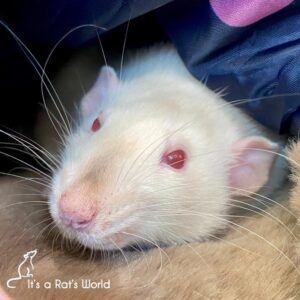
The clinical timeline for a respiratory flare-up often begins with subtle indicators. Owners frequently observe porphyrin, a red, iron-rich secretion produced by the Harderian gland. While often mistaken for blood, porphyrin is a normal substance that becomes overproduced during periods of stress, irritation, or illness. When a rat is healthy, it grooms this secretion away; however, in a sick or stressed animal, the accumulation of porphyrin around the eyes and nostrils serves as a diagnostic "red flag."
Chronology of Symptom Progression
The progression of respiratory disease in rats typically follows a predictable, albeit accelerated, course.
- Initial Stage: The onset is often marked by sporadic sneezing, the appearance of porphyrin, and minor vocalizations such as "snuffling." At this stage, environmental factors like poor air quality or allergens are common triggers.
- Intermediate Stage: If the infection persists, the rat may exhibit squinting, lethargy, and a decline in grooming behavior. If the infection spreads to the inner ear, the animal may display neurological signs, including a persistent head tilt (torticollis), circling, or loss of balance.
- Terminal Stage: Lower respiratory involvement presents with audible distress, including wheezing, clicking, or rattling sounds in the chest. Visible labored breathing, characterized by the engagement of the abdominal muscles (gasping), indicates an emergency that requires immediate veterinary intervention to prevent respiratory failure.
Environmental Risk Factors and Mitigation
A comprehensive analysis of rat health highlights that environmental management is as critical as pharmacological treatment. Professional veterinary standards identify several high-risk factors that exacerbate the dormant Mycoplasma in pet rats:

- Airborne Irritants: Domestic rats are highly sensitive to volatile organic compounds (VOCs). The use of scented candles, incense, air fresheners, and chemical cleaning agents can trigger immediate respiratory distress.
- Substrate Selection: The use of softwood shavings, specifically pine and cedar, is contraindicated in modern veterinary care. These materials release aromatic phenols that are toxic to the hepatic and respiratory systems of rodents.
- Ammonia Accumulation: Inadequate cage ventilation leads to the buildup of ammonia from urine, which acts as a caustic agent on the delicate respiratory lining of the rat.
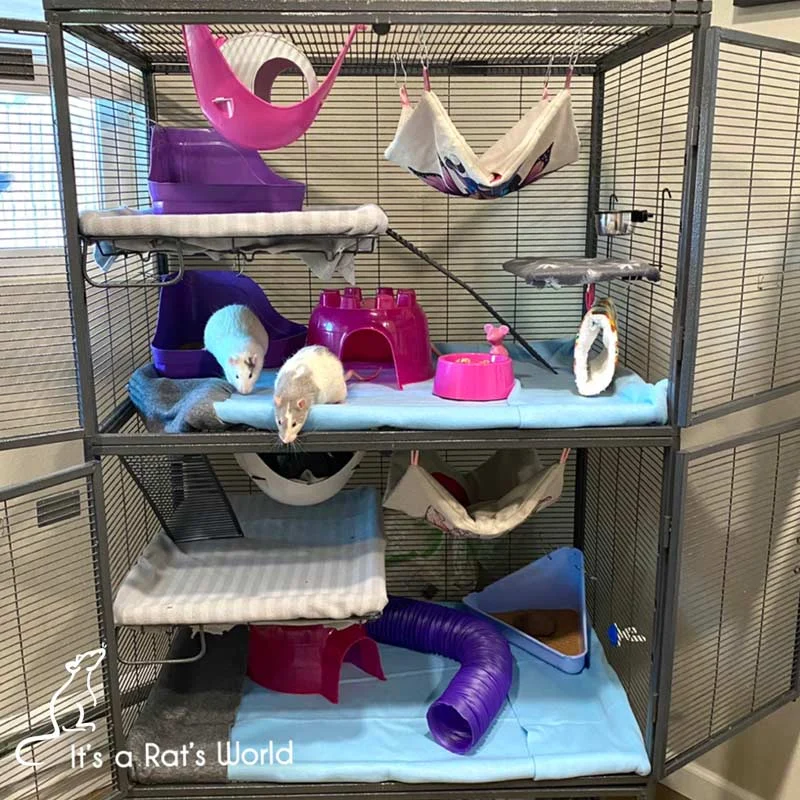
Veterinary experts recommend a proactive approach to habitat maintenance. This includes the use of dust-free, paper-based, or aspen bedding and a rigorous cleaning schedule to ensure that ammonia levels remain negligible. Furthermore, keeping the cage in a draft-free, temperature-controlled environment is essential to prevent immune system suppression.
Quarantine Protocols and Biosecurity
The risk of introducing new pathogens into an established colony remains a significant concern for multi-rat households. Biosecurity experts emphasize the necessity of a strict two-week quarantine period for any new arrivals. This isolation must occur in a separate airspace—ideally in a different building—because airborne pathogens and viral particles can easily traverse standard household HVAC systems.
During this period, the owner must monitor for signs of mycoplasmosis as well as parasitic infestations such as lice and mites. If symptoms emerge, the use of selamectin (commonly known by the brand name Revolution) is often prescribed by veterinarians for the management of ectoparasites. It is imperative that the rat remains symptom-free for the duration of the quarantine before integration. If the new rat shows signs of respiratory illness, the introduction process must be halted until a full course of antibiotics is completed and the animal is declared healthy by a veterinarian.
Ethical Breeding and Genetic Implications
The origin of the rat is a critical variable in its long-term health prognosis. Rats sourced from high-volume, commercial "feeder" breeders or pet stores often face compromised immune systems due to genetic bottlenecks and poor early-life husbandry. These environments, characterized by overcrowding and suboptimal sanitation, facilitate the rapid transmission of more virulent strains of respiratory bacteria.
Adopting from ethical rescues or specialized breeders who prioritize genetic health can significantly reduce the incidence of congenital health issues. Ethical breeders typically maintain documentation on the lineage of their rats, allowing for the identification of hereditary trends in respiratory health.
Clinical Management and Prognosis
The unpredictability of mycoplasmosis means that some rats may lead long, healthy lives with only occasional, minor symptoms, while others may require lifelong antibiotic therapy. The most common pharmacological interventions involve long-term courses of antibiotics such as enrofloxacin or doxycycline.
However, because rats are prey animals, they are evolutionarily hardwired to mask symptoms of pain and illness until the condition is advanced. By the time an owner notices a hunched posture, a "rough" or unkempt coat, or a lack of interest in food, the infection may have already caused irreversible lung damage.
Broader Implications for Pet Ownership
The necessity for specialized veterinary care for rats remains a primary implication for prospective owners. Not all general practitioners are trained in the nuances of rodent medicine. Owners are advised to locate an "exotic animal" veterinarian who is familiar with the specific dosages and physiological requirements of small rodents.
As the popularity of pet rats increases, so does the body of evidence regarding their social and medical needs. The scientific consensus remains clear: respiratory health is not merely a medical issue but a holistic one. By addressing the triad of genetic history, environmental safety, and early detection, owners can substantially improve the quality of life and longevity of their pets.

In summary, while Mycoplasma pulmonis is an unavoidable reality for the domestic rat, it does not represent an automatic death sentence. Through informed environmental control, strict quarantine procedures, and a partnership with a qualified veterinarian, owners can effectively mitigate the severity of respiratory disease, ensuring a higher standard of welfare for these intelligent and social animals. The data suggests that when owners transition from reactive to proactive care, the incidence of severe, life-threatening respiratory crises drops significantly, underscoring the vital role of the owner in the management of this chronic, species-specific health condition.

