


Bringing a parrot into your home introduces a vibrant, intelligent, and deeply social companion, but it also ushers in a profound responsibility to ensure their safety within an environment not naturally suited to their unique needs. While the initial excitement often focuses on selecting the perfect cage, acquiring enriching toys, and learning about your new bird’s personality, a critical, often overlooked aspect of responsible parrot ownership is proactive home safety. Parrots, with their innate curiosity, powerful beaks, and exploratory nature, are unfortunately prone to encountering a myriad of hazards in a typical human dwelling. Their exceptional intelligence, while endearing, often translates into a relentless drive to investigate every nook, cranny, and object, leading them into potentially dangerous situations that their wild instincts simply haven’t prepared them for.
This guide delves into the essential strategies for "parrot-proofing" your living space, drawing on expert advice and common incidents reported by avian veterinarians and rescue organizations. The goal is to transform your home into a secure sanctuary, mitigating risks ranging from subtle environmental toxins to overt physical dangers. This commitment to safety extends beyond initial setup; it requires continuous vigilance and the education of every family member, ensuring that a parrot’s inherent desire to explore doesn’t lead to preventable tragedy. Understanding the specific vulnerabilities of companion birds and implementing robust preventative measures is paramount to fostering a long, healthy, and happy life for these extraordinary creatures.
The Evolving Understanding of Avian Care and Home Safety
The history of companion parrots has seen a significant evolution, moving from birds kept primarily for display to cherished family members integral to the household dynamic. This shift has been accompanied by a growing understanding of avian physiology, behavior, and psychological needs, leading to more sophisticated care standards. Avian veterinary medicine, a specialized field, has provided invaluable insights into the specific health challenges and environmental sensitivities of these birds. Organizations like the Association of Avian Veterinarians (AAV) continuously advocate for advanced care and owner education, highlighting preventable accidents as a leading cause of avian morbidity and mortality in domestic settings. The concept of "parrot-proofing" is no longer a suggestion but a fundamental requirement for ethical ownership, demanding a holistic approach that considers every aspect of the home environment. Owners must not only prepare for emergencies by having the contact information of a qualified avian vet readily available but also commit to a family-wide protocol where everyone is aware of the potential dangers and safety protocols.
Electrocution Hazards: Taming the Tangled Web of Wires
One of the most insidious threats in any modern home is electrical wiring. Parrots possess a compulsive need to chew, a natural behavior vital for maintaining beak health and, in the wild, for excavating and maintaining their nest cavities within hollow trees. In a domestic setting, this instinct is redirected towards anything within reach, including furniture, picture frames, and alarmingly, electrical cords and outlets. The consequences of a parrot chewing through a live wire can range from severe burns to fatal electrocution or cardiac arrest. Avian veterinarians frequently report cases of electrical trauma, underscoring the severity of this common oversight.
To mitigate this risk, all exposed electrical cords in areas accessible to your parrot must be either completely hidden or protected. This can involve running cables behind furniture, using cable management sleeves, or encasing them in rigid PVC pipes. Child-proof outlet covers are also essential for any unused sockets. Supervision is key, particularly during free-flight time, as a determined bird can quickly find and compromise even seemingly secure wiring. Investing in wireless alternatives for frequently used devices in parrot-accessible rooms can also significantly reduce the number of exposed cords.
The Invisible Threat: Fumes, Toxins, and Air Quality
Parrots possess an exceptionally delicate respiratory system, making them extraordinarily susceptible to airborne toxins and poor air quality. This physiological vulnerability is famously illustrated by the historical use of canaries in coal mines to detect dangerous gases like carbon monoxide. In a modern home, numerous everyday products and activities can generate fumes that are harmless to humans but lethal to birds. The unique avian respiratory system, characterized by highly efficient unidirectional airflow and extensive air sacs, means that toxins are rapidly absorbed and distributed throughout their bodies.
One of the most critical dangers comes from Polytetrafluoroethylene (PTFE), a non-stick coating found in many cookware items (e.g., Teflon, Silverstone, Supra). When overheated, PTFE releases colorless, odorless fumes that cause "Polymer Fume Fever" in birds, leading to acute respiratory distress and often rapid death, even with minimal exposure. Other non-stick surfaces, self-cleaning ovens, and certain heat lamps can also emit dangerous compounds.
Beyond PTFE, a wide array of household products poses a threat:
- Aerosol Sprays: Air fresheners, hairsprays, deodorants, cleaning sprays, and perfumes release fine particulate matter and chemical irritants that can severely damage a parrot’s lungs.
- Smoke: Cigarette, cigar, and vape smoke contain nicotine, tar, and countless other carcinogens and irritants. Smoke from burnt food, fireplaces, and scented candles also contributes to poor air quality and respiratory distress.
- Carbon Monoxide (CO): This odorless, colorless gas, produced by faulty furnaces, gas stoves, or car exhaust, is a silent killer for both humans and birds.
- Cleaning Products: Ammonia, bleach, oven cleaners, and strong disinfectants can emit hazardous fumes.
- Scented Products: Candles, incense, plug-in air fresheners, and potpourri release volatile organic compounds and fine particulates.
To safeguard your parrot, avoid using any scented products or aerosols in rooms they frequent. Ensure excellent ventilation when cooking, and never use non-stick cookware or self-cleaning oven cycles when your bird is in the house. Install carbon monoxide and smoke detectors throughout your home, and consider investing in an air purifier with HEPA and activated carbon filters to maintain optimal air quality.
Accidental Ingestion: The Perils of a Curious Beak
A parrot’s beak is its primary tool for interacting with the world—exploring textures, testing objects, and, inevitably, nibbling on anything that piques its interest. This makes accidental ingestion of toxic substances or foreign objects a frequent concern for avian veterinarians. What might seem innocuous to a human can be deadly to a bird.
Common ingestion hazards include:
- Toxic Foods: Many human foods are poisonous to parrots. Chocolate (theobromine), avocado (persin), alcohol, caffeine, fruit pits and seeds (containing cyanide), onions and garlic (causing red blood cell damage), and xylitol (an artificial sweetener) are all highly dangerous.
- Household Items: Human and pet medications, cleaning agents, insecticides, rodenticides, and certain cosmetics are often brightly colored and attractive to curious birds. These must be stored securely and out of reach.
- Heavy Metals: Zinc and lead poisoning are well-documented in avian medicine, often stemming from galvanized cage wire, some toys, costume jewelry, lead-based paint in older homes, or even certain household objects like curtain weights or fishing sinkers. A study by Lightfoot & Yeager (2008) highlighted that zinc toxicity is a common issue, often originating from galvanized materials. Symptoms can include depression, weakness, vomiting, and seizures.
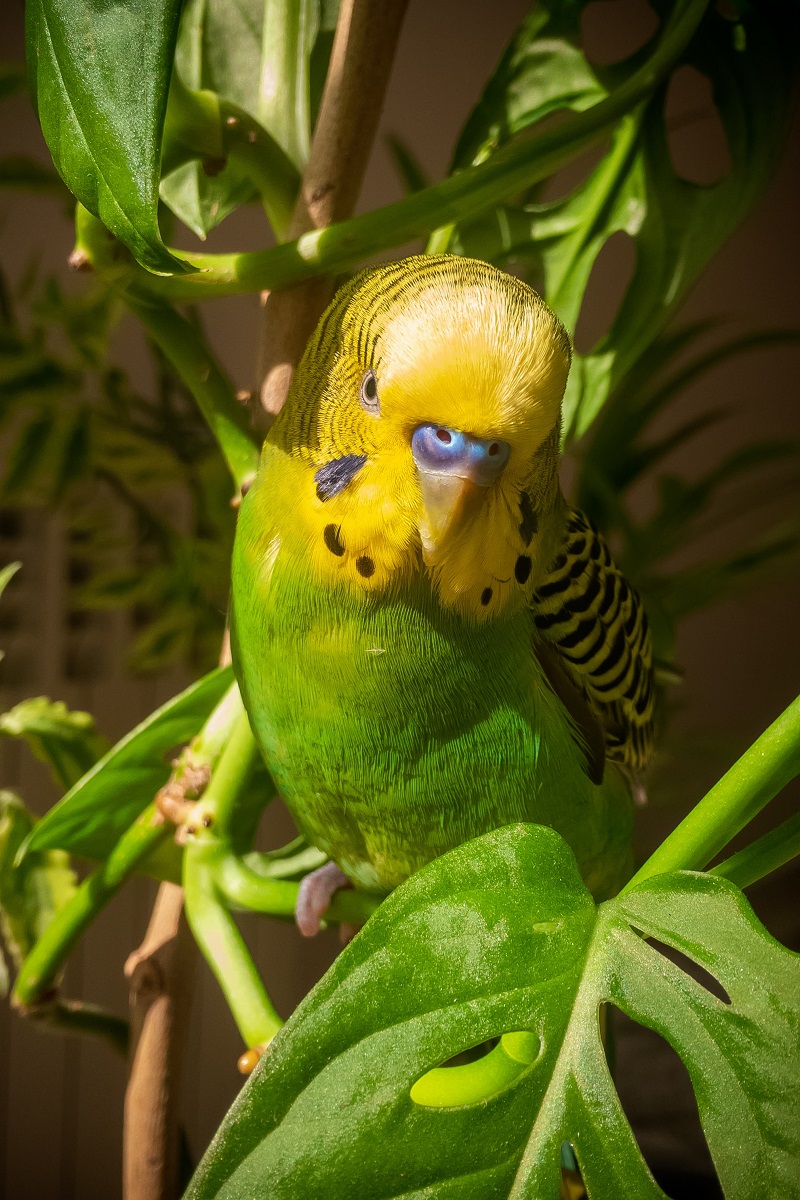
- Toxic Plants: While many houseplants are safe for parrots, a significant number are toxic. Common culprits include philodendron, pothos, lilies, diffenbachia, oleander, and azaleas. Owners must research every plant in their home and remove or secure any identified as toxic, opting instead for parrot-safe alternatives like spider plants, African violets, or certain herbs.
Vigilance is crucial. Ensure all medications, cleaning supplies, and potentially toxic foods are stored in securely latched cabinets. Regularly inspect the bird’s environment for small, ingestible objects or peeling paint. Establishing a routine of cleaning up crumbs and small debris can also prevent opportunistic nibbling.
Containment and Flight Safety: Doors, Windows, and Reflective Surfaces
The freedom of flight is exhilarating for a parrot, but an unsecured home can quickly turn this into a fatal risk. Escapes are a common tragedy, with lost birds facing immediate threats from predators, starvation, exposure, and the inability to navigate an unfamiliar environment. Parrots are highly intelligent and adept at figuring out latches and exploiting even momentary lapses in attention.
- Doors and Windows: It takes only a second for a curious bird to slip out an open door or window. Mosquito netting on windows provides an extra layer of security, but constant awareness is paramount. Develop a habit of checking your parrot’s location before opening any external access points. Clear communication with family members and guests about keeping doors and windows closed is essential. Even interior doors pose a threat; parrots often perch on top of them, risking crushed toes or tail feathers if a door is unexpectedly closed. Keeping interior doors closed also restricts access to potentially dangerous rooms.
- Mirrors and Reflective Surfaces: Parrots do not understand reflections. They perceive mirrors, glass doors, and highly polished surfaces as open space or another bird, leading to high-speed collisions that can cause concussions, fractures, internal bleeding, and even death. Many avian rescues report cases of birds suffering severe head trauma from striking windows or mirrors. Covering large mirrors or applying decals to windows can help birds recognize these surfaces as barriers.
The Primary Enclosure: Ensuring Cage and Toy Safety
A parrot’s cage is its primary sanctuary, but even this haven can harbor dangers if not properly selected and maintained.
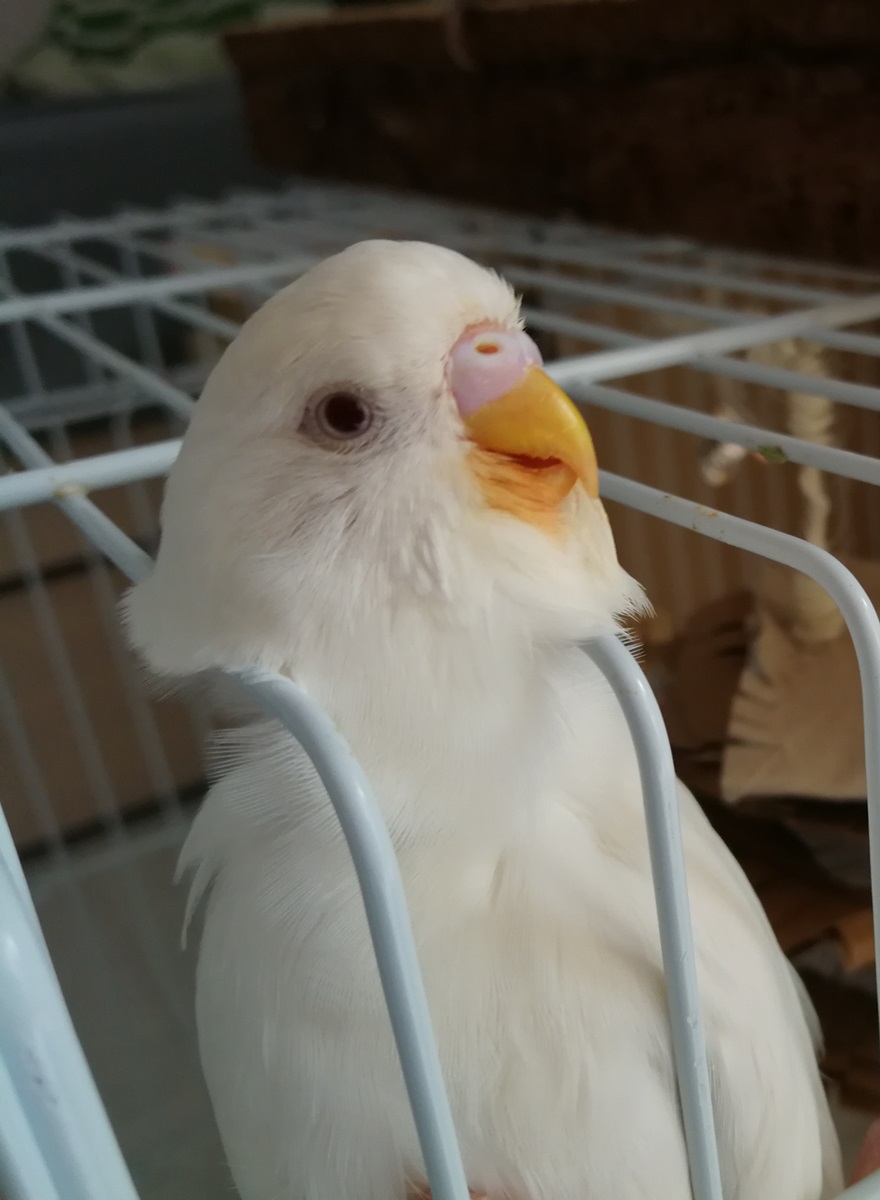
- Cage Size and Bar Spacing: The cage should be as large as possible to allow for movement and exercise. Critically, the bar spacing must be appropriate for the bird’s species—not so wide that the bird can fit its head through, risking strangulation or entrapment, and not so narrow that toes or beaks can get caught.
- Material and Condition: Stainless steel cages are ideal due to their durability and resistance to rust. Powder-coated cages are also acceptable, provided the coating is non-toxic and intact. Rusting cages or those with peeling paint (which may contain lead or zinc) pose significant ingestion risks and must be replaced immediately. Large parrots, with their powerful beaks, can also damage flimsy cages, creating sharp edges or gaps.
- Toy Selection and Maintenance: Toys are vital for a parrot’s mental and physical well-being, but they must be chosen with extreme care and regularly inspected.
- Toxic Materials: As highlighted by Lightfoot & Yeager (2008), some toys are still manufactured with unsafe materials like zinc or lead. Always purchase toys from reputable avian suppliers who guarantee bird-safe materials.
- Entrapment Hazards: Loose threads from ropes, small gaps in toy components, poorly secured S-hooks, or bells with clappers can all trap a parrot’s foot, beak, or even neck, leading to severe injury or death.
- Wear and Tear: Toys that are overly damaged from chewing or play should be removed or repaired. Frayed ropes, splintered wood, or broken plastic pieces can become dangerous. Regularly check for sharp edges, loose parts, or potential entanglement points. Repurpose unaffected parts to create new, safe toys.
Unseen Dangers: Furniture, Water, and Other Household Hazards
Beyond the more obvious threats, a home contains numerous subtle dangers that a curious parrot can exploit.
- Furniture and Small Spaces: Parrots, particularly when hormonal or broody, are driven to explore small, enclosed spaces that mimic natural nest cavities. This can lead them behind appliances, under furniture, into open drawers, or even dryer vents, where they risk being crushed, suffocated, or trapped. Block off any such access points to prevent dangerous exploration.
- Water Sources: Parrots are not strong swimmers and can drown quickly in even shallow water. Uncovered toilets, full sinks, bathtubs, large water-filled vases, buckets, and even open pots on the stove pose significant drowning risks. Aquariums should always have secure hoods. Never leave your parrot unattended in a bathroom or kitchen when water sources are accessible.
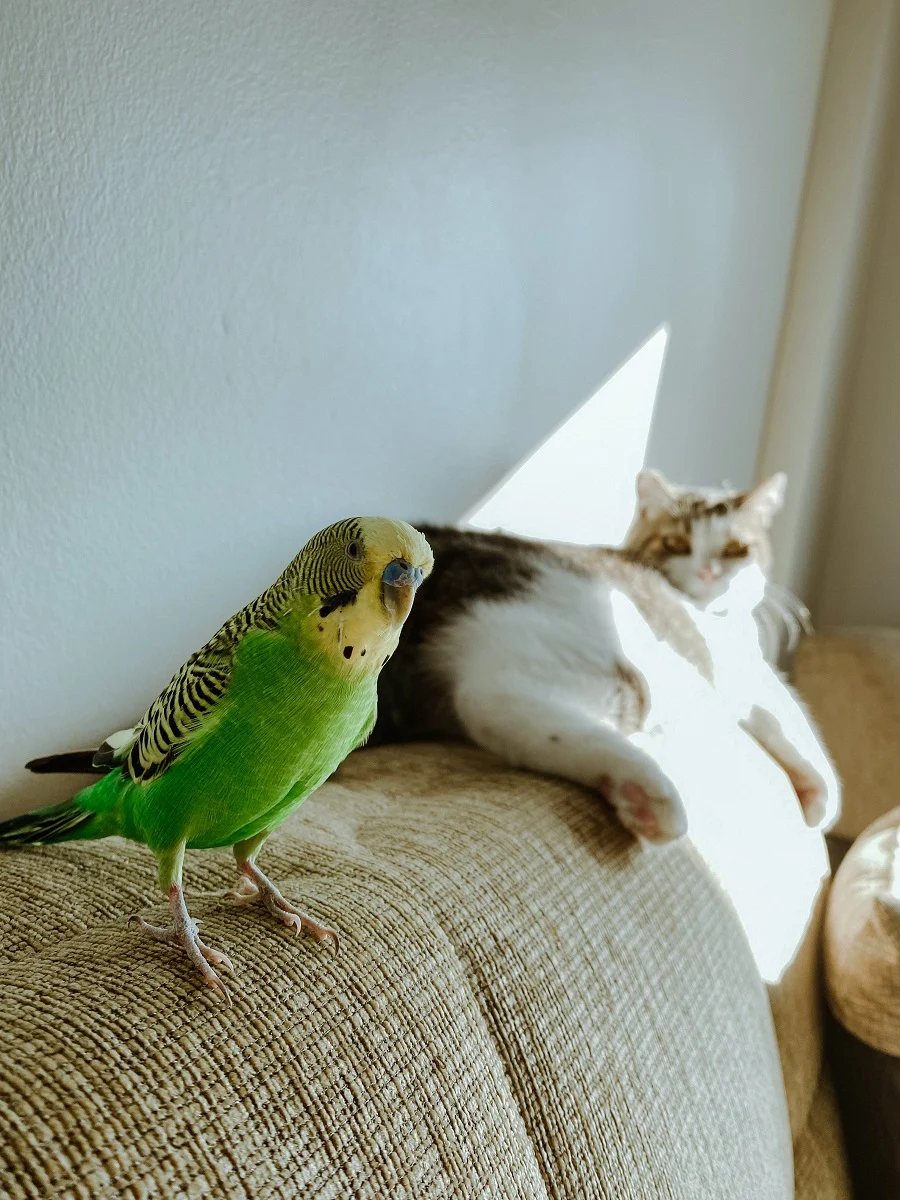
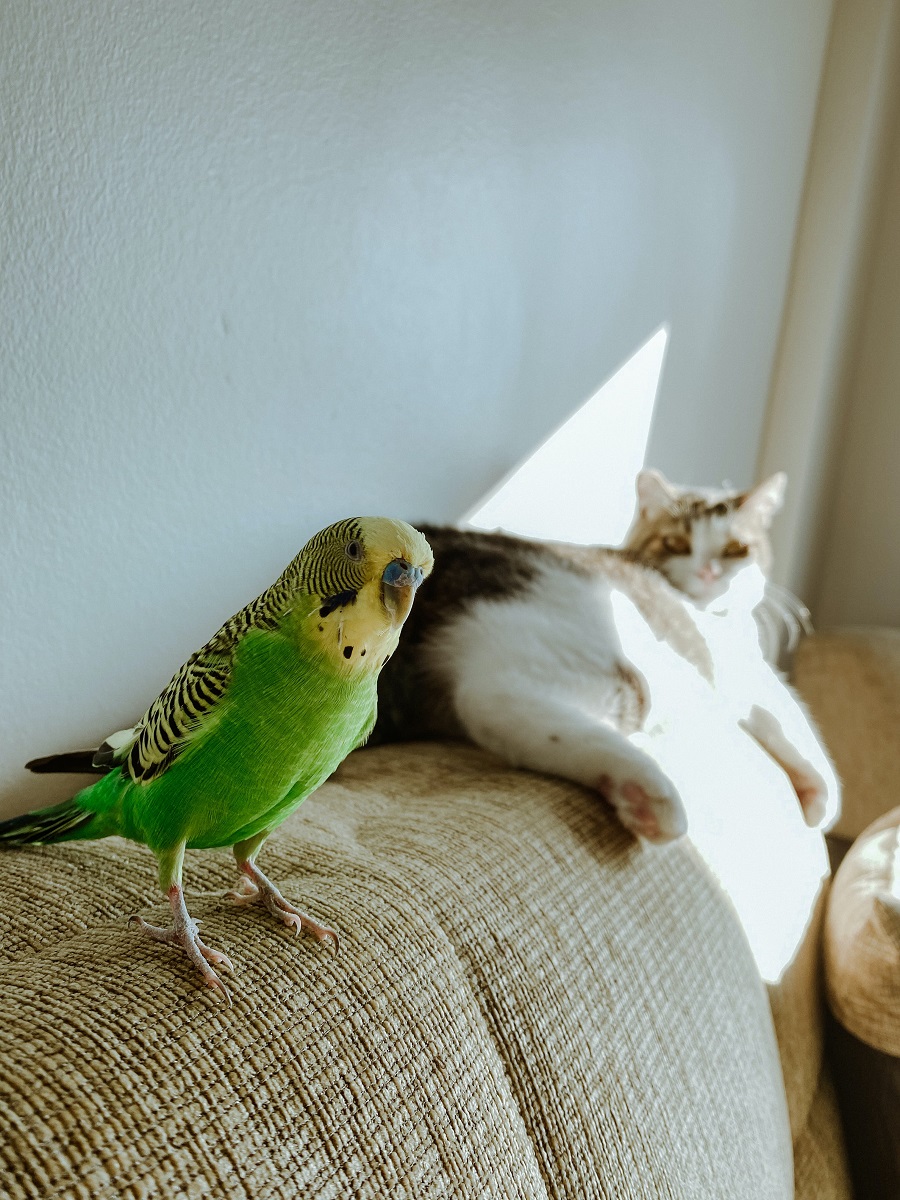
- Other Pets: This is one of the most critical and frequently violated safety rules. Even the most "friendly" or "well-behaved" dog, cat, ferret, or other household pet possesses innate predatory instincts that can be triggered by a bird’s sudden movement. Avian veterinarians universally advise against allowing direct interaction between parrots and other animals. A seemingly minor scratch from a cat or dog can introduce Pasteurella bacteria, which is often lethal to birds, leading to rapid infection and death. Accidental crushing or a playful bite can also have devastating consequences. The risk, however slight it may seem, is simply too great.
Beyond the Basics: Miscellaneous Safety Considerations
- Ceiling Fans: Always ensure ceiling fans are turned off when your parrot is out of its cage. The rapidly moving blades are invisible to a bird in flight and can cause severe wing fractures, head trauma, or instant death.
- Hot Stoves and Ovens: A parrot flying into a hot stove burner or an open oven can suffer severe, life-threatening burns. Exercise extreme caution when cooking and ensure your bird is securely caged or in another room.
- Temperature Extremes: Parrots are sensitive to extreme temperatures. Avoid placing cages directly in front of drafty windows or air conditioning vents, and be mindful of direct sunlight that can cause overheating.
- Open Doors/Cabinets: Beyond external doors, always ensure kitchen cabinets, closets, and appliance doors (like refrigerators or dishwashers) are closed. A curious parrot can easily become trapped inside.
Proactive Planning and Emergency Preparedness
Even with the most meticulous parrot-proofing, accidents can happen. Being prepared for an emergency is a vital component of responsible ownership.
- Establish Avian Vet Relationship: Do not wait for an emergency to find an avian veterinarian. Establish a relationship with a qualified vet before you need one, ensuring they are familiar with your bird’s species and health history. Keep their contact information prominently displayed.
- Emergency Kit: Assemble a basic avian first aid kit including styptic powder (to stop bleeding from broken blood feathers or nails), sterile gauze pads, Vetwrap, saline solution, and a small, secure carrier for transport.
- Basic First Aid Knowledge: Learn how to stabilize a bird in shock, stop minor bleeding, and safely transport an injured bird. Many avian vets and rescue organizations offer workshops or online resources.
- Family Protocol: Ensure every member of the household, including children and regular visitors, understands and adheres to all safety protocols and knows what to do in an emergency.
Conclusion: The Lifelong Commitment to Avian Well-being
Parrot-proofing is not a one-time task but an ongoing commitment. It requires continuous vigilance, adaptation as your bird’s personality and mobility evolve, and a deep understanding of their unique needs and vulnerabilities. The intelligence and curiosity that make parrots such captivating companions are precisely what necessitate such diligent safety measures. By meticulously addressing potential hazards, educating all household members, and preparing for unforeseen circumstances, owners can create an environment where their feathered family members can thrive safely. The reward for this dedication is a long, healthy life for your parrot, filled with joy, companionship, and the peace of mind that comes from knowing you’ve done everything to protect your extraordinary avian friend.

