


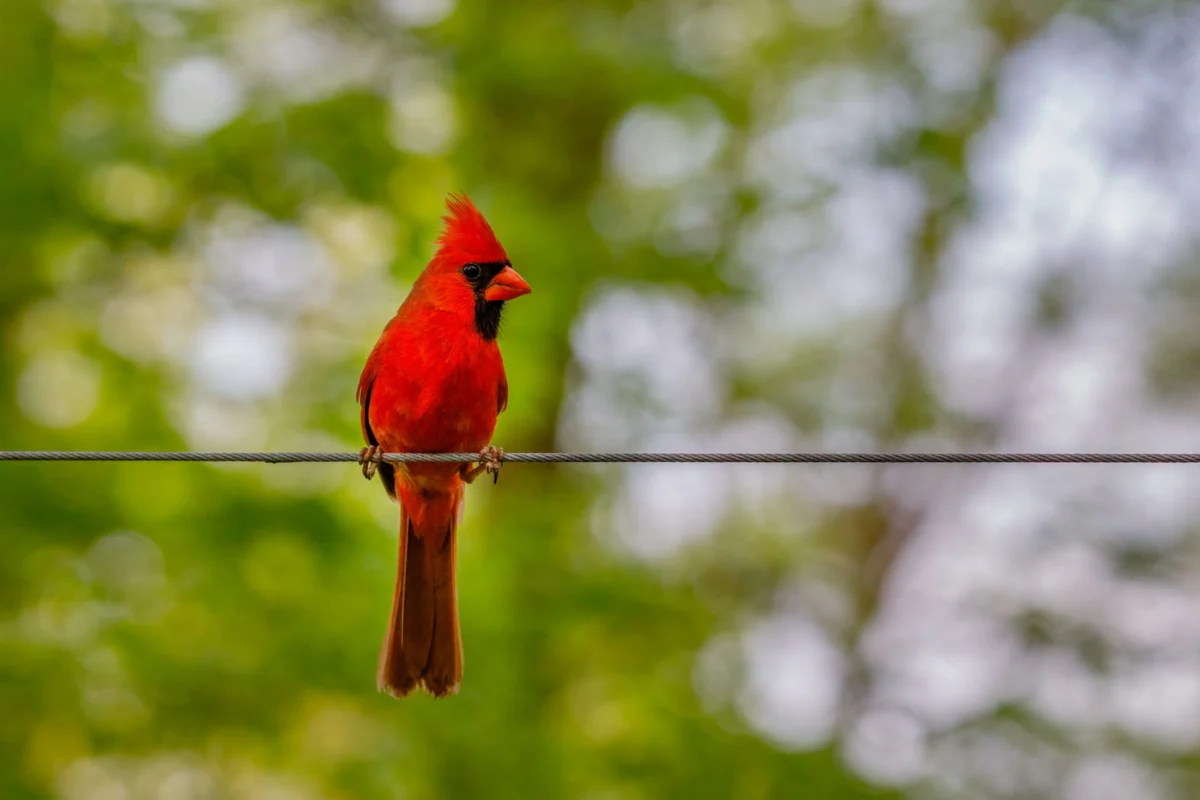
The Northern Cardinal, known scientifically as Cardinalis cardinalis, stands as one of the most iconic avian species in North America. Renowned for its striking, vivid plumage, the male of the species serves as a focal point for ornithological study and backyard birdwatching alike. Beyond their aesthetic appeal, the biological mechanisms behind the bird’s coloration—rooted in dietary intake, metabolic processing, and evolutionary sexual selection—offer a profound look into the survival strategies of songbirds. To understand why this bird displays such an intense scarlet hue, one must examine the intersection of environmental factors, genetics, and the competitive pressures of the avian world.
The Biochemistry of Pigmentation
The brilliant crimson feathers that distinguish the male Northern Cardinal are not the result of structural color, as seen in the iridescent blue of a Blue Jay, but rather the result of chemical pigments known as carotenoids. Carotenoids are a class of organic pigments synthesized by plants, algae, and some bacteria. Because birds lack the biological capacity to synthesize these pigments de novo, they must acquire them through their diet.
The Cornell Lab of Ornithology notes that the cardinal’s diet—which primarily consists of seeds, grains, fruits, and insects—acts as the raw material for this display. When a cardinal consumes carotenoid-rich foods, such as wild berries or specific agricultural grains, the pigments are absorbed through the digestive tract and transported via the bloodstream. Through a complex metabolic process, the bird biochemically converts these pigments into the specific red ketocarotenoids that are eventually deposited into the feather follicles as they emerge.
This metabolic "investment" is a significant indicator of health. If a bird is suffering from illness, poor nutrition, or high parasite loads, its body will prioritize basic physiological functions over the production of ornamental plumage. Consequently, the vibrancy of a male’s feathers serves as an honest signal of his physical condition and foraging efficiency. Ornithologists suggest that a brighter, more saturated red is a visual advertisement to potential mates that the male possesses superior genes and high-quality access to food resources.
Sexual Dimorphism and Evolutionary Selection
The Northern Cardinal exhibits pronounced sexual dimorphism, a condition where the two sexes of the same species exhibit different physical characteristics. While the male is characterized by his brilliant scarlet coat and black face mask, the female is predominantly a warm, muted brown with subtle reddish accents on her wings, tail, and crest.
This disparity is primarily attributed to the mechanisms of sexual selection. In many avian species, the burden of mate choice falls on the female, who must ensure that her reproductive efforts are invested in a partner with the highest probability of survival and success. The male’s plumage serves as a critical, non-verbal communication tool. By displaying high-quality plumage, the male reduces the energy required for the female to assess his fitness, creating an evolutionary feedback loop that reinforces the maintenance of bright coloration over generations.

However, this adaptation comes with a cost. Vivid colors make the male significantly more conspicuous to predators, such as hawks and feral cats. The female’s duller, earthy tones provide essential camouflage while she sits on the nest, protecting the eggs and the vulnerable chicks from detection. This evolutionary balance—the male’s need for display versus the female’s need for concealment—defines the life history of the species.
Environmental Variability and Maturation
The intensity of a cardinal’s color is not static; it fluctuates based on a variety of environmental and developmental factors. Researchers have observed that the hue of a cardinal can range from deep, blood-red to a lighter, orange-tinted vermillion.
One primary driver of this variance is age. Juvenile males do not possess the vibrant coloration of mature adults. Upon fledging, young cardinals are typically brown, similar to the females. As they undergo their first complete molt, they gradually transition into their adult plumage. The physiological maturity of the bird plays a crucial role in how efficiently it can process carotenoids; older, more established birds often display more uniform and intense coloration compared to first-year males.
Furthermore, feather wear and environmental exposure can degrade the color over time. As feathers age, they become susceptible to bleaching from solar radiation and mechanical wear from physical movement through dense foliage. This creates a seasonal cycle in the bird’s appearance, with plumage typically appearing at its most brilliant immediately following the annual autumn molt.
Social Dynamics and Territoriality
While much of the research on cardinal plumage focuses on mating, it is essential to recognize the role of color in social competition. Northern Cardinals are highly territorial birds. During the breeding season, males are fiercely protective of their nesting sites.
In this context, the red plumage acts as a warning signal to rival males. Studies in behavioral ecology suggest that the intensity of the red color is inversely correlated with the willingness of rivals to engage in physical confrontation. A male with particularly bright plumage is often perceived by competitors as a dominant individual with high resource-holding potential. In essence, the plumage serves as a social deterrent, allowing the bird to maintain its territory and attract mates with minimal expenditure of energy on direct physical combat.
The Impact of Sedentary Behavior
Unlike many migratory songbirds in North America, the Northern Cardinal is largely non-migratory. They are sedentary creatures that often remain within a limited geographic range throughout their entire lifespan. This stability has profound implications for their relationship with their environment and with human observers.

Because they do not undergo the extreme metabolic and physical stresses associated with long-distance migration, cardinals are able to maintain their year-round presence in backyard environments. This allows for a unique consistency in birdwatching data. A cardinal observed at a feeder in January is, in many cases, the same individual that was observed in the same garden during the previous summer. This year-round presence has cemented the cardinal’s status as a cultural staple, often associated with winter landscapes where their red contrast against the snow provides a stark, aesthetically pleasing visual.
Data Trends and Conservation Status
From a conservation perspective, the Northern Cardinal is considered a species of "Least Concern" by the International Union for Conservation of Nature (IUCN). Their ability to adapt to human-altered landscapes, such as suburban gardens, parks, and agricultural borders, has allowed their population to remain stable and even expand in certain regions.
Recent data from the North American Breeding Bird Survey indicates that the range of the Northern Cardinal has been gradually moving northward over the last several decades. Ornithologists attribute this expansion to a combination of milder winters and the increase in backyard bird feeding stations, which provide a reliable caloric supplement during the winter months.
However, this reliance on anthropogenic food sources comes with risks. While feeders help sustain populations, they also concentrate birds in small areas, which can facilitate the spread of avian diseases such as Mycoplasma gallisepticum, commonly known as house finch eye disease. Consequently, wildlife organizations strongly emphasize the importance of maintaining clean feeders to prevent the transmission of pathogens among local cardinal populations.
Implications for the Future
The study of the Northern Cardinal serves as a microcosm for broader themes in evolutionary biology. Their vibrant appearance is not merely an aesthetic quirk of nature but a sophisticated biological system that integrates nutrition, metabolic efficiency, and social competition. As global climates continue to shift and human development continues to reshape local ecosystems, the Northern Cardinal’s ability to thrive remains a testament to the species’ high degree of behavioral and physiological plasticity.
For the casual observer and the scientific community alike, the cardinal remains an essential subject. By monitoring the nuances of their color, their territorial songs, and their population distribution, we gain a clearer understanding of how individual species navigate the complexities of survival in a rapidly changing world. The scarlet feather of the cardinal is not just a bright spot in the landscape; it is a complex, data-rich document of evolutionary success that continues to inform our understanding of the natural world. As we look toward future research, the focus will likely remain on how these birds manage the trade-offs between conspicuous signaling and the inherent dangers of life in an open, competitive, and human-dominated environment.

