


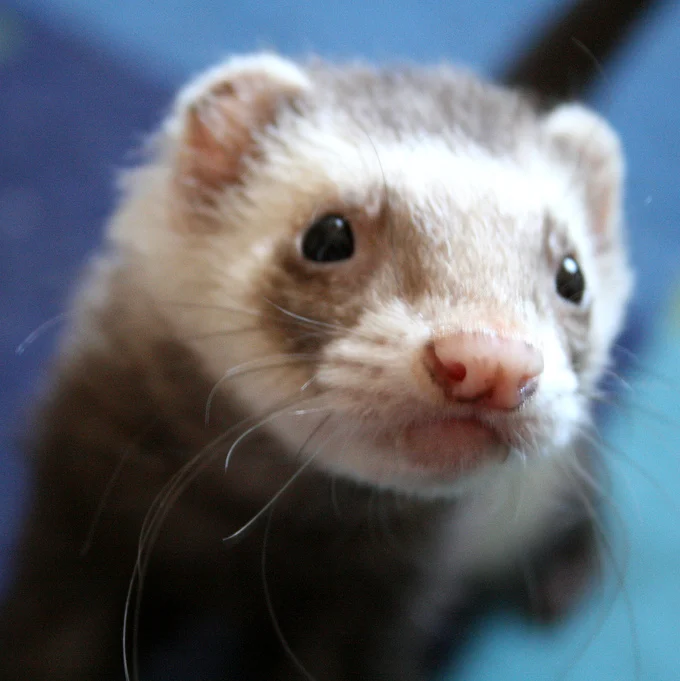
On March 18, 2026, LafeberVet officially launched an accredited educational initiative titled The Collapsing Ferret, designed to provide veterinary professionals with critical diagnostic and therapeutic insights into one of the most common and challenging presentations in exotic animal medicine. Approved by the American Association of Veterinary State Boards (AAVSB) Registry of Approved Continuing Education (RACE), this course offers one hour of continuing education (CE) credit, addressing the urgent need for standardized clinical protocols when managing ferret patients suffering from sudden collapse. Authored by Dr. Cathy Johnson-Delaney, a prominent expert in exotic animal medicine, the program aims to bridge the gap in specialized knowledge regarding geriatric ferret health.
Clinical Context and the Prevalence of Collapse
The collapse of a ferret is rarely an isolated incident and often serves as a hallmark clinical sign of underlying systemic disease. In veterinary practice, the domestic ferret (Mustela putorius furo) is prone to a specific set of geriatric conditions that frequently manifest through syncope, lethargy, or acute physical collapse. Among these, insulinoma—a functional tumor of the pancreatic beta cells—remains the most prevalent endocrine disorder in the species.
Insulinoma leads to the hypersecretion of insulin, resulting in profound hypoglycemia. As blood glucose levels drop, affected ferrets may exhibit tremors, hind-limb weakness, and eventual collapse. While hypoglycemia is a primary differential diagnosis, Dr. Johnson-Delaney’s curriculum emphasizes that clinicians must maintain a broad diagnostic scope. Other critical conditions, including cardiomyopathy, various arrhythmias, and adrenal gland disease, can present with remarkably similar clinical signs, making differential diagnosis a complex task for practitioners in general practice.
Chronology of the Educational Development
The development of this webinar follows a growing trend in the veterinary sector: the push for high-quality, digital-first continuing education. Following the rapid evolution of veterinary diagnostics over the last decade, LafeberVet has been at the forefront of providing peer-reviewed material for exotic animal specialists.
The preparation for The Collapsing Ferret began in early 2025, driven by feedback from veterinary technicians and general practitioners who reported a lack of concise, actionable guidelines for the emergency stabilization of exotic patients. By late 2025, the curriculum was submitted to the AAVSB RACE committee for rigorous review. The certification process ensures that the course meets national standards for scientific integrity and clinical applicability. As of March 18, 2026, the module is live, offering a structured post-test mechanism where participants have three attempts to demonstrate mastery of the material, subsequently earning their CE certification upon successful completion.
Supporting Clinical Data
Statistical analysis within the field of ferret medicine indicates that the incidence of insulinoma typically peaks in ferrets between the ages of four and six years. According to epidemiological data collected by various exotic animal health registries, nearly 25% of ferrets over the age of three will develop some form of pancreatic beta-cell neoplasia.
The diagnostic pathway for a collapsing ferret typically involves:
- Initial Stabilization: Immediate administration of glucose supplementation (if hypoglycemic) and stabilization of cardiac rhythm.
- Point-of-Care Testing: Utilizing portable glucometers to establish baseline glucose levels, keeping in mind that ferret blood glucose requirements differ from those of canine or feline patients.
- Advanced Diagnostics: Electrocardiograms (ECGs) and echocardiograms to screen for underlying cardiomyopathy or rhythm disturbances, which are increasingly common in the aging ferret population.
The AAVSB RACE approval signifies that the methodology presented in this webinar aligns with current evidence-based practices. The course underscores that early intervention—specifically identifying the difference between a hypoglycemic crisis and a cardiac event—significantly improves the prognosis and quality of life for the patient.
Professional Implications for the Veterinary Community
The release of this webinar arrives at a time when the demand for specialized care for "non-traditional" pets is at an all-time high. Veterinary clinics are increasingly expected to provide the same level of emergency care for ferrets as they do for dogs and cats. However, many practitioners find the anatomy and physiology of mustelids to be distinct enough that specialized training is essential.
Dr. Cathy Johnson-Delaney’s contribution provides a systematic approach that allows general practitioners to triage these cases effectively before referring them to board-certified specialists. The implications are twofold: improved clinical outcomes for the patient and a reduction in the anxiety experienced by practitioners who may see these cases only infrequently.
Official Responses and Industry Standards
The veterinary educational landscape is governed by the need for objective, peer-reviewed knowledge. By obtaining AAVSB RACE approval, LafeberVet has established that The Collapsing Ferret meets the rigorous criteria required for state licensing boards across North America.
While the organization has not released a public statement regarding the enrollment numbers, the inclusion of multi-lingual support—specifically providing links for French and Spanish-speaking veterinary professionals—demonstrates a commitment to global standards. This accessibility ensures that the latest advancements in ferret medicine are not confined to a single geographic region but are available to a diverse, international veterinary workforce.
Broader Impact on Exotic Animal Medicine
The significance of this educational module extends beyond the individual ferret. It represents a broader shift toward "specialized general practice." As veterinary medicine becomes more granular, the reliance on digital platforms for CE allows experts like Dr. Johnson-Delaney to disseminate life-saving protocols to thousands of clinicians simultaneously.
Furthermore, the focus on geriatrics is particularly timely. As improvements in husbandry, nutrition, and preventative veterinary care have increased the life expectancy of the average domestic ferret, practitioners are encountering age-related comorbidities at an unprecedented rate. Managing these conditions requires a sophisticated understanding of both endocrine and cardiovascular systems. The curriculum addresses the necessity of monitoring glucose levels during routine exams for older ferrets, potentially catching insulinoma before the first major collapse occurs.
Conclusion and Future Directions
The Collapsing Ferret program is a structured, clinically focused response to the diagnostic challenges inherent in exotic animal emergency care. By integrating the clinical expertise of Dr. Johnson-Delaney with the regulatory oversight of the AAVSB, the webinar serves as a vital tool for those seeking to enhance their competency in the care of aging ferrets.
As the veterinary community continues to evolve, the reliance on high-quality, accessible continuing education will remain a cornerstone of professional practice. The success of this module may serve as a blueprint for future initiatives, potentially expanding into other areas of exotic medicine, such as reptile nutrition or avian critical care. For now, veterinarians and technicians who engage with this material are provided with the essential framework to navigate the complex, often high-pressure scenarios that define the management of the collapsing ferret, ultimately ensuring better health outcomes for a species that requires specialized and attentive clinical attention. Professionals seeking to participate are encouraged to access the LafeberVet portal to review the materials, complete the rigorous assessment, and maintain their status as informed practitioners in the dynamic field of exotic veterinary medicine.

