


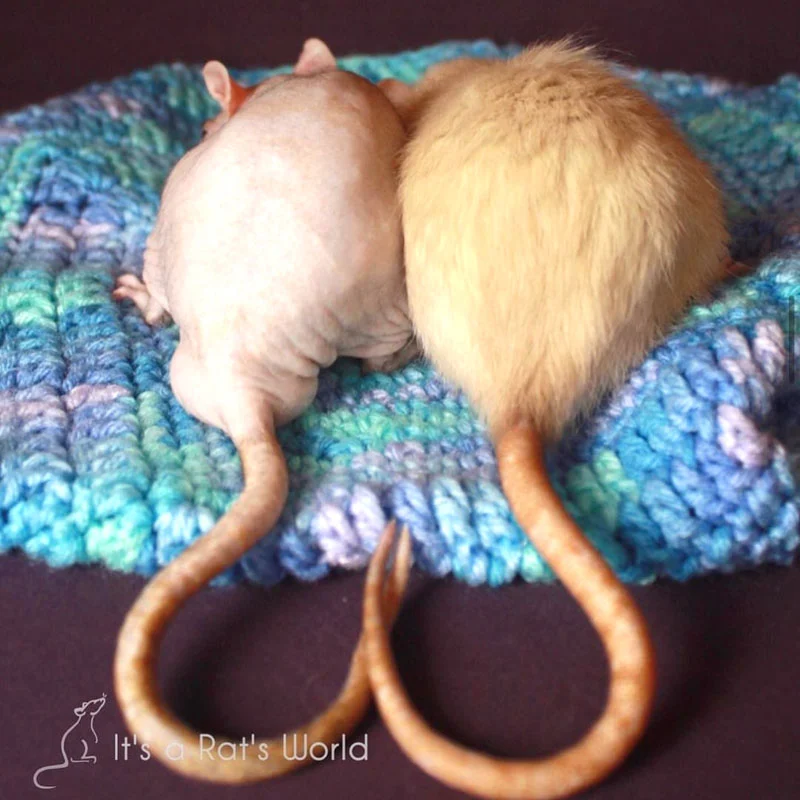
The domestic rat (Rattus norvegicus) has increasingly become a fixture in households worldwide, valued for its intelligence, complex social structures, and capacity for emotional bonding. However, despite their popularity as "pocket pets," a significant disparity exists between the physiological requirements of these animals and the common husbandry practices observed by many owners. Research into small mammal welfare indicates that systemic misunderstandings of rat behavior and biology often lead to preventable morbidity and reduced life expectancy. By examining historical misconceptions and modern veterinary standards, owners can implement evidence-based care strategies to significantly improve the welfare of their animals.
The Evolution of Rat Husbandry and Historical Context
The shift toward treating rats as companion animals rather than experimental subjects or pest control assets began in earnest during the late 20th century. During the 1990s, access to specialized veterinary care for rodents was scarce, and information regarding their housing and nutritional needs was often relegated to outdated agricultural manuals or commercial pet store literature.

The prevalence of "singleton" housing—keeping a single rat in isolation—was a hallmark of this era. Behavioral studies conducted in the decades since have established that rats are obligately social animals. In the wild, they live in complex colonies defined by hierarchical structures. Depriving a rat of social interaction leads to measurable stress, characterized by increased cortisol levels and the development of self-mutilating or lethargic behaviors. Modern standards now dictate that rats must be housed in pairs or groups, a requirement that has become a foundational pillar of ethical husbandry.
1. The Perils of Misinformation and Digital Disinformation
In the current digital landscape, prospective owners often turn to social media platforms and unverified blogs for guidance. This democratization of information has a significant drawback: the propagation of pseudoscientific advice.
Veterinary experts emphasize that information regarding rodent health should be sourced exclusively from peer-reviewed journals, exotic animal veterinarians, or reputable organizations such as the Rat Guide. A common pitfall is the reliance on Generative AI or amateur influencers who may lack formal training in animal behavior. These sources often misinterpret the nuances of rodent physiology, leading to dangerous recommendations regarding toxic bedding, inappropriate diet, and hazardous environmental conditions. Owners are encouraged to verify the credentials of their sources, prioritizing those who provide evidence-based citations.

2. Standards for Housing and Environmental Enrichment
One of the most persistent issues in pet rat welfare is the use of inadequate enclosure systems. Historically, the 10-gallon glass aquarium was marketed as a standard home for rodents; however, veterinary organizations now strictly advise against this practice. Aquariums lack necessary ventilation, leading to the rapid accumulation of ammonia from urine—a substance that severely damages the delicate respiratory tracts of rats.
Contemporary standards favor vertical, multi-level wire cages that provide adequate airflow and opportunities for climbing. Cage sizing must be calculated based on the number of inhabitants, with experts recommending the use of digital cage calculators to ensure sufficient square footage. Furthermore, flooring is a critical concern. Wire-bottomed cages are linked to the development of pododermatitis, commonly known as "bumblefoot," a painful and potentially necrotic inflammatory condition. If a cage features wire shelving, it must be covered with solid surfaces or fleece to mitigate the risk of injury.
3. The Necessity of Rigorous Sanitation Protocols
The respiratory health of a rat is intrinsically linked to its environment. Because rats are prone to Mycoplasma pulmonis—a common respiratory pathogen—sanitation is not merely a matter of aesthetics but of clinical necessity. High concentrations of ammonia, caused by infrequent cleaning of litter and bedding, act as an irritant that exacerbates underlying respiratory conditions.

Experts recommend a consistent cleaning schedule that involves replacing absorbent substrates and sanitizing non-porous surfaces. Furthermore, the choice of bedding is critical. Materials such as cedar or pine shavings contain aromatic oils that are known to cause hepatotoxicity and respiratory distress. Preferred alternatives include dust-free paper pellets, recycled cellulose, or washable fleece liners, provided they are cleaned with non-toxic, pet-safe detergents.
4. Nutritional Management and the Risk of Overfeeding
Dietary mismanagement is a primary contributor to chronic health issues in domesticated rats, including obesity, cardiovascular disease, and mammary tumors. Many commercial "seed mixes" sold in pet stores are nutritionally incomplete, encouraging selective feeding where the rat consumes only high-fat, high-sugar components while ignoring essential nutrients.
Veterinary nutritionists advocate for high-quality lab blocks as the foundation of a rat’s diet. These formulations are engineered to provide a balanced intake of protein, fiber, and vitamins. Supplemental fresh produce is encouraged, but must be provided in strict moderation. "Human" foods—such as processed sugars, salty snacks, or fatty dairy products—should be avoided entirely. The metabolic rate of a rat is exceptionally high; therefore, even minor deviations in caloric intake can lead to rapid weight gain and subsequent mobility issues in older age.

5. Mental Stimulation and Physical Activity
A sedentary lifestyle is a significant welfare risk. Rats are naturally inquisitive animals that require cognitive stimulation to prevent boredom-induced behavioral problems. Daily "free-range" time in a safe, supervised environment is essential for their psychological development.
Owners should implement rotating enrichment strategies, such as puzzle feeders, cardboard structures, and climbing apparatuses, to mimic the foraging behaviors they would exhibit in nature. Lack of stimulation has been clinically linked to "cage rage," a state of extreme stress characterized by bar-chewing and aggression.
6. Anatomical Hazards and Proper Handling
The anatomy of a rat’s tail is frequently misunderstood by the general public. It is a highly vascularized, sensory-rich organ that serves critical roles in thermoregulation and balance. Contrary to popular myths or outdated handling techniques, the tail should never be used as a handle to lift or restrain a rat. Lifting by the tail can cause skin degloving or spinal damage, leading to permanent injury. Proper handling involves supporting the entire body weight with both hands, ensuring the animal feels secure and stable.

7. Financial Preparedness for Veterinary Care
The financial burden of rat ownership is frequently underestimated. As medical technology advances, the cost of specialized veterinary care for exotic animals has risen by approximately 60% over the last decade. Common health challenges, such as the removal of mammary tumors or the treatment of chronic respiratory infections, require professional intervention.
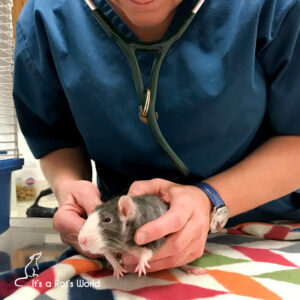
Veterinarians specializing in small mammals are less common than those for cats and dogs, often necessitating travel and higher fees. Prospective owners must maintain a dedicated emergency fund for their pets and, crucially, identify a qualified exotic animal veterinarian before an emergency occurs. Relying on "wait and see" approaches often results in avoidable suffering and diminished prognosis for the animal.
8. The Complexities of Free-Roaming
Allowing rats to move freely outside their enclosure is a valuable enrichment activity, but it requires extensive preparation. Domesticated rats are persistent chewers and can easily compromise electrical wiring, structural wood, or household toxins. Before initiating a free-roaming program, owners must conduct a rigorous "rat-proofing" of the area, ensuring all electrical cords are covered and no small gaps exist where the animal could become trapped. Furthermore, the hygienic impact on a home—given that rats are difficult to potty-train—must be managed through strategic placement of litter boxes and absorbent floor coverings.
9. Geriatric Care and Age-Related Adjustments
As rats reach their senior years—typically around 18 to 24 months—their physical capabilities decline. Mobility issues, such as hind-leg degeneration, are common. During this phase, the cage must be modified to minimize the need for climbing. Food and water sources should be placed at ground level, and hammocks or soft sleeping areas should be positioned to prevent accidental falls. Proactive monitoring for signs of pain—such as squinting eyes, arched backs, or decreased grooming—is vital, as rats are masters at masking discomfort. Palliative care and pain management via prescribed medication can significantly extend the quality of life during these final stages.
10. The Commitment to Daily Engagement
Ultimately, the most important aspect of rat husbandry is the owner’s commitment. Rats are not "low-maintenance" pets; they require daily social interaction and observational care. Establishing a consistent routine for feeding, cleaning, and play is essential for building trust and ensuring the animal’s physical needs are met.
The bond between a human and a rat is built on consistent, positive reinforcement. When owners treat their rats as sentient family members rather than transient curiosities, they foster a environment where the animal can thrive. While the learning curve for proper rat care is steep, the results—a healthy, happy, and well-adjusted companion—are well worth the dedication. By avoiding these ten common pitfalls, owners can ensure they are providing the highest standard of care, reflecting a modern, compassionate, and science-based approach to small mammal welfare.

