


Bringing home a new pet is an exciting time, and for those welcoming rats into their lives, the initial days and weeks are crucial for establishing a positive and trusting relationship. This guide, drawing from extensive experience in rat care, aims to demystify the early stages of rat ownership, addressing common concerns and providing actionable advice for new owners. From the moment your rats enter their new environment to establishing daily routines, understanding their behavior, and ensuring their well-being, this comprehensive overview will equip you with the knowledge to foster a happy and healthy bond with your new companions.
The Crucial First Steps: Acclimation and Introduction
The journey of integrating new rats into your home begins the moment they leave their previous environment. It is paramount to understand that this transition is significant for them. They are being removed from a familiar cage, potentially separated from littermates, and thrust into a world filled with new sights, sounds, and smells, all while being handled by a stranger. This initial shock can understandably lead to apprehension and fear in your new pets.
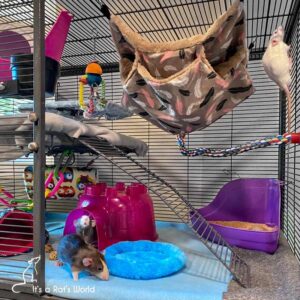
Upon arriving home, the immediate priority should be to introduce your rats to their pre-prepared habitat. This cage should be set up with all necessary supplies, including food and water dispensers, bedding, enrichment items, and a litter box. The goal is to provide them with a safe and secure sanctuary where they can begin to acclimate at their own pace.
While the urge to immediately interact, cuddle, and play is strong, it is vital to exercise patience. Overstimulating new rats can exacerbate their stress and fear. Instead, allow them the space to explore their new surroundings. Observe their behavior: are they cautiously investigating their new home, or are they hiding? This observation will provide valuable insight into their comfort level and guide your next steps.

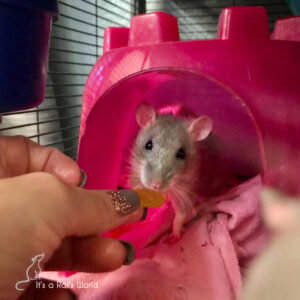
Offering a small, high-value treat can be a gentle way to initiate interaction without being intrusive. This can be a piece of dried fruit, a tiny portion of yogurt, or a small seed. Whether they accept it immediately or not, your presence, accompanied by calm and reassuring vocalizations, is key. Think of yourself as a gracious host, introducing them to their new living quarters, pointing out amenities like their hammocks, food station, and designated litter area. The presence of a litter box is particularly important, as nervous animals often need to relieve themselves, and having a designated area can help them establish good habits from the outset.
Navigating the Post-Cage Introduction Period
Once your rats have had an initial opportunity to explore their cage, the next phase involves deciding when and how to encourage interaction outside of their primary living space. This decision is heavily influenced by the rats’ journey to your home. If they were transported locally with minimal travel time, they might be more receptive to leaving their cage sooner. However, if they experienced a lengthy or stressful journey, it is advisable to allow them an additional 30 to 60 minutes to decompress within the security of their cage. This period of quiet observation and adjustment is not a mandatory waiting game, but rather a responsive measure to their individual needs. Some rats are naturally bold and may be eager to explore immediately, while others, particularly those who are more timid, may require this brief window of solace. The guiding principle here is to follow their lead.
Understanding Rat Behavior: Expectations for the First Month
The behavioral landscape of newly acquired rats can be diverse and, at times, unpredictable. Each rat possesses a unique personality, and their initial reactions to their new environment will vary. Some may exhibit immediate confidence and curiosity, readily engaging with their new surroundings and their human companions. Others might display a more cautious demeanor, a blend of bravery and apprehension. For these outgoing individuals, settling in and forming bonds with their owners may occur rapidly, which can, in turn, help new owners feel more at ease.
However, it is common for rats to be nervous, jumpy, or even overtly frightened upon arrival. This initial fear can be a significant hurdle for inexperienced owners, sometimes leading to a well-intentioned but ultimately counterproductive "hands-off" approach. The misconception that rats will spontaneously overcome their fear if left alone is a dangerous one. In reality, hiding and avoidance are survival mechanisms learned from their natural history. It is the owner’s responsibility to actively demonstrate that their new environment is safe and that humans are not a threat.
This process of building trust and security begins on Day 1 and must be a consistent effort. Rats require daily interaction, including opportunities to leave their cage, be held, and receive affection, regardless of their initial fear level. If your rats are hiding, running away, or reacting with distress when you attempt to handle them, it is imperative to remember that this is a solvable challenge. Resources such as guides on "Helping A Scared Pet Rat" and "Honoring Your Rat’s Personal Space" offer strategies for approaching timid animals with empathy and effectiveness.
A common concern among new owners is the fear of being bitten. This apprehension is understandable, especially when dealing with a frightened animal. However, it is crucial to recognize that this fear, if left unaddressed, can lead to neglect, perpetuating a cycle of fear and avoidance. The longer an owner refrains from interacting with their rats, the more entrenched their fear will become. Understanding the dynamics of pet rat bites, as detailed in resources like "Do Pet Rats Bite?", can provide crucial insight and bolster the confidence needed to engage positively with your rats from the outset.
Addressing Quirky Rat Behaviors and Potential Concerns
Beyond general nervousness, rats can exhibit specific behaviors that may surprise or even alarm new owners. One such quirk, which can be quite startling, is a tendency for some rats to nip at socked feet. This is not an indication of aggression or viciousness, but rather an unusual play behavior or curiosity directed at the texture of the socks. Unlike biting bare skin, this nipping is rarely forceful enough to break the skin. Understanding this behavior, as outlined in discussions about "Quirky Rat Traits," is vital to prevent unnecessary alarm and maintain a positive owner-rat relationship.
Another behavior to be aware of involves potential reactions to nail polish remover. The strong fumes or smell can be highly disturbing to rats, whose vision is not particularly acute. In their discomfort, they may nip at the source of the disturbance, which could be a finger or toe. To avoid this, it is best to refrain from using such products when your rats are in close proximity.
Essential Rat Care: Establishing Routines and Understanding Needs
Beyond initial acclimation and behavioral understanding, consistent care practices are fundamental to your rats’ health and well-being.
Cage Cleaning: A Non-Negotiable Task
The frequency of cage cleaning is a common question for new rat owners. While it may seem like a daunting task, regular cleaning is essential for maintaining a healthy environment and minimizing odors. A "spot cleaning" regimen, which involves removing soiled bedding and waste, should be performed daily or at least several times a week. The necessity of a complete cage overhaul depends on several factors, including the number of rats, their litter box habits, their general activity level, and sometimes even their sex, as male rats may be more prone to urinating in bedding and hammocks. Comprehensive guidance on establishing an effective cleaning schedule can be found in articles dedicated to keeping your rat’s habitat clean. Furthermore, understanding optimal cage placement, considering factors like ambient home temperature and air quality, is also crucial for their overall comfort and health.
Feeding Your Rats: A Balanced Approach
Rats possess fast metabolisms and often enjoy grazing throughout the day. However, they can also be prone to overeating. Therefore, it is recommended to divide their daily staple diet into two meals, typically breakfast and dinner. This helps them pace their food intake. Fruits and vegetables can be incorporated into these main meals or offered as smaller, portioned snacks throughout the day. For instance, a breakfast might include yogurt and fruit, a midday snack could be carrots or grapes, and dinner might consist of cooked vegetables, noodles, or other suitable food items. Detailed information and example daily menus can be found in specialized rat nutrition resources.
Veterinary Care: Proactive Health Management
The necessity of immediate veterinary attention depends largely on the source of your rats. If they were acquired from a reputable rescue organization that implements quarantine protocols and ensures medical clearance before adoption, an immediate vet visit may not be required. However, if your rats come from less reputable sources, such as pet stores (which are generally not recommended for rat acquisition), unknown breeders, or situations where their prior care was suboptimal, a veterinary check-up might be advisable. Stress can significantly impact a rat’s immune system, potentially leading to respiratory issues. Symptoms such as sneezing, labored breathing, wheezing, or crackling sounds within the first few weeks of ownership warrant prompt veterinary examination. Even with rats from reputable sources, it is prudent to begin saving for future veterinary expenses, as routine care and potential health issues are an inevitable part of responsible pet ownership.
Building Bonds: Beyond the Cage and Towards Companionship
The ultimate goal of bringing rats into your home is to forge a strong and loving bond. While the initial thought of handling small, fragile, and potentially wiggly creatures with sharp nails can be daunting, there are numerous resources and techniques to facilitate this process.
Gentle Handling and Interaction
Learning the proper techniques for petting and handling your rats is essential. Understanding how to approach them, offer gentle strokes, and support their bodies can build confidence for both you and your pets. Resources like "How To Pet Your Rats" provide practical guidance on this aspect of interaction.
Creating Opportunities for Play and Exploration
Beyond cage time, establishing dedicated out-of-cage play areas is vital for your rats’ physical and mental well-being. Creating "rat playgrounds" allows them to explore, exercise, and engage with their environment in a safe and stimulating manner. This can include repurposed furniture, specialized play structures, or even dedicated areas within your home. The article "Let Rat Play Rule In A Rat Playground" offers creative ideas for building these enriching spaces, with suggestions for protecting your furniture during these sessions.

Understanding Rat Communication
As your bond deepens, you will begin to understand your rats’ unique ways of communicating. Rats use a variety of vocalizations, body language, and behaviors to convey their needs and emotions. Learning to interpret these signals, as detailed in "Rat Communication: How Your Rat ‘Talks’ To You," will further strengthen your connection and allow you to respond more effectively to their cues.
The Journey of Rat Ownership: Patience, Presence, and Affection
The adventure of rat ownership is a rewarding one, characterized by the development of trust, affection, and mutual understanding. The foundational elements for success lie in patience, consistent presence, and an abundance of spoiled affection. By approaching your new rats with empathy, understanding their behavioral nuances, and committing to their care, you will, in time, transition from a novice owner to a confident and experienced companion, enjoying the truly awesome experience of sharing your life with these intelligent and engaging creatures.

